

Commentary
The supposed threats from China and Russia pose far less of a danger to both Greenland and the Arctic than the prospect of an unscrupulous takeover of the island.
Andrei Dagaev
{
  "authors": [
    "Mikhail Vinogradov"
  ],
  "type": "commentary",
  "blog": "Carnegie Politika",
  "centerAffiliationAll": "",
  "centers": [
    "Carnegie Endowment for International Peace",
    "Carnegie Russia Eurasia Center"
  ],
  "collections": [],
  "englishNewsletterAll": "",
  "nonEnglishNewsletterAll": "",
  "primaryCenter": "Carnegie Russia Eurasia Center",
  "programAffiliation": "",
  "programs": [
    "Russia and Eurasia"
  ],
  "projects": [],
  "regions": [
    "Russia",
    "Caucasus"
  ],
  "topics": [
    "Political Reform",
    "Domestic Politics"
  ]
}
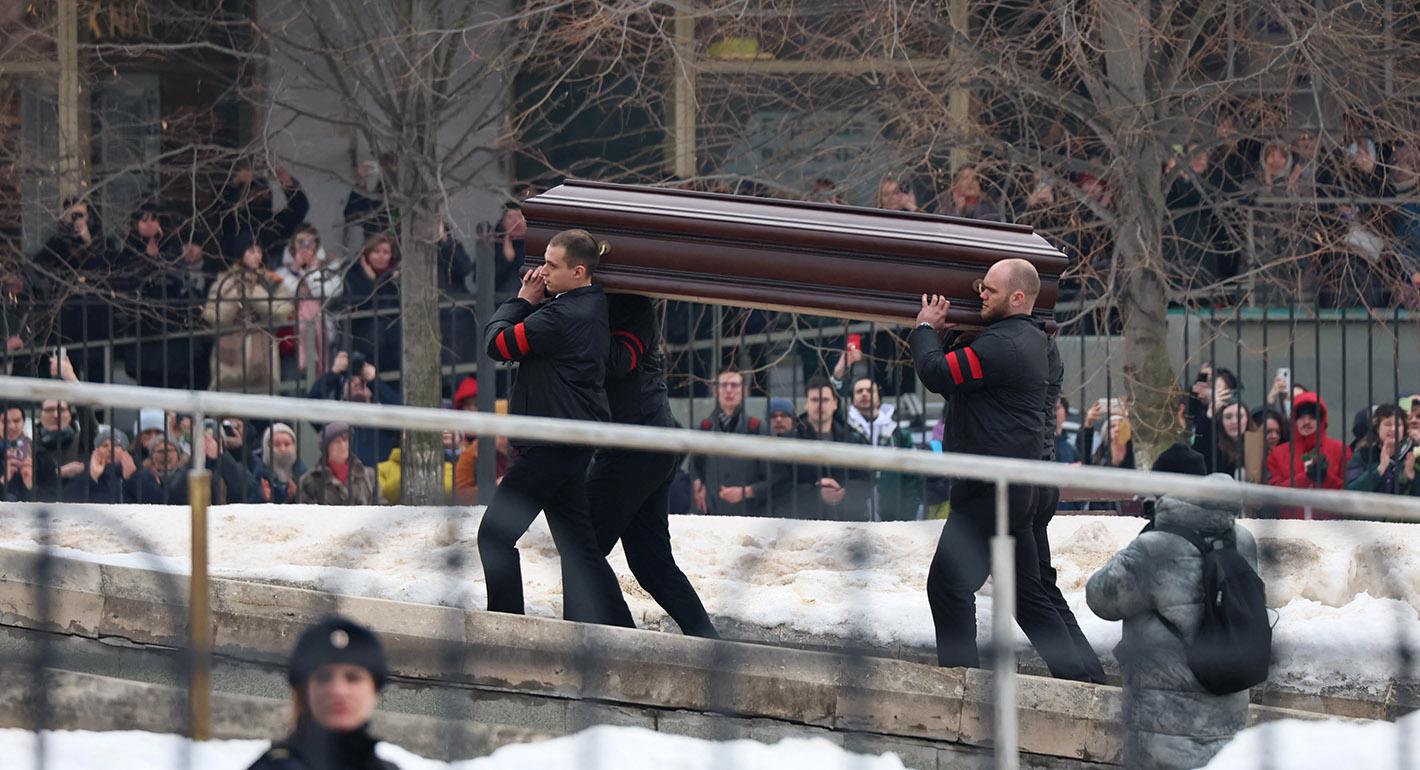
Source: Getty
One thing that both Navalny’s funeral, at which those gathered chanted anti-war slogans, and the thwarted presidential bid of Boris Nadezhdin—who ran on an anti-war platform—have shown is that Russia’s anti-war movement is alive and well, if only occasionally visible.
The tragic death of the jailed Russian opposition leader Alexei Navalny and the huge public response to it bring to mind earlier untimely deaths that shocked the Russian nation, such as the shooting of opposition politician Boris Nemtsov, the death of the cult Soviet bard Vladimir Vysotsky at the age of forty-two, and even that of Soviet hero Yury Gagarin, who died in a plane crash aged just thirty-four, seven years after he became the first man in space. These deaths all have one thing in common: a stark contrast between the distinct lack of sympathy from the authorities, and the shock and grief of a large part of society.
Navalny was forty-seven years old when he died—the same age at which President Vladimir Putin first took office—yet against the backdrop of the never-changing, ever-aging Russian establishment, the opposition activist looked like the epitome of youthful vigor, not least due to his skill in harnessing new media platforms and communicating with young people, and his trademark sense of humor. With his seemingly boundless energy and optimism—rare qualities in Russian politics—Navalny destroyed the image of politics as a boring affair, and was able to simplify complex issues to reach vast audiences.
In Soviet times, death was a significant political event regulated by protocol and ritual, but the current Russian regime has a more ambivalent attitude to death. Even compared to other autocracies, the Russian authorities are extremely unsentimental: even the passing of their own representatives evokes no sympathy.
The regime was, therefore, never going to be in a rush to pay its respects to its fiercest critic, despite its officially declared “traditional values” and Christian ideals. Following Navalny’s unexplained death in a remote Arctic penal colony, his mother spent days trying to locate her son’s body before authorities finally allowed her to see it, and then—according to her—they blackmailed her with the threat of allowing it to decompose if she did not agree to a secret burial.
The sudden death presented the regime with three immediate tasks. The first was to show that nothing out of the ordinary had happened, and that the death of one convict is nothing amid the daily losses of heroes fighting in Ukraine.
The second was not to dissuade those who suspect the hand of officials in the death of the regime’s opponents, be that Nemtsov, the poisoned former FSB agent Alexander Litvinenko, the exiled oligarch Boris Berezovsky, mercenary-turned-mutineer Yevgeny Prigozhin, or Navalny. On the contrary: let them be afraid. The third and final task was to prevent the farewell ceremony from escalating into a major protest.
The deliberate uncertainty over when Navalny’s body would be released and what kind of funeral would be permitted—and where—allowed the authorities to count on frustrated Russians expending their energy on the artificial crisis created over the fate of Navalny’s body, thereby diverting attention from the death itself. In this context, even the simple fact of burying the body would be considered a victory, rather than an investigation into the death and the punishment of those responsible. Indeed, Navalny’s death and the ensuing saga have laid bare an undeniable weakness of the Russian protest movement: that it follows the agenda of the authorities, rather than its own.
In the aftermath of Navalny’s shock death, both sides can claim mixed success. Opponents of the regime have seen they are far from alone after all, or helpless in the face of the “majority”: in the first three days after Navalny’s funeral in Moscow, tens of thousands of people lined up to pay their respects, covering his grave in a mountain of flowers—even though the potential risks for doing so are far greater than when comparable numbers took part in the massive street protests against electoral fraud and Putin’s return to the presidency in 2011–2013.
It’s less clear, however, what to do with this newly discovered solidarity. The only figure who knew how to bring together such a diverse crowd was Navalny himself, which is why he paid the ultimate price. There are no other politicians in the protest camp who look as strong, as relevant, or as optimistic, or who are trying to harness this surge of protest energy and transform it into political activity (not least, no doubt, for fear of suffering the same fate).
The authorities, meanwhile, can congratulate themselves on remaining in overall control of the situation and maintaining the “festive” atmosphere created for themselves and their supporters ahead of the presidential election on March 15–17. It cannot be said that the election campaign is going entirely to plan, but details such as low interest in the campaign amid pressure for an extremely high voter turnout are mere trifles.
Still, one thing that both Navalny’s funeral, at which those gathered chanted anti-war slogans, and the thwarted presidential bid of Boris Nadezhdin—who ran on an anti-war platform—have shown is that Russia’s anti-war movement is alive and well, if only occasionally visible.
With Navalny dead and buried, the Kremlin is counting on his death being quickly forgotten, just like so many other recent events, from Prigozhin’s mutiny to the storming of Makhachkala airport by an anti-Semitic mob. It’s true that Russian society’s capacity for forgetting and turning its attention elsewhere remains extremely high, and that this does give the regime something of a tactical advantage. But it doesn’t eradicate all of its problems.
Carnegie does not take institutional positions on public policy issues; the views represented herein are those of the author(s) and do not necessarily reflect the views of Carnegie, its staff, or its trustees.
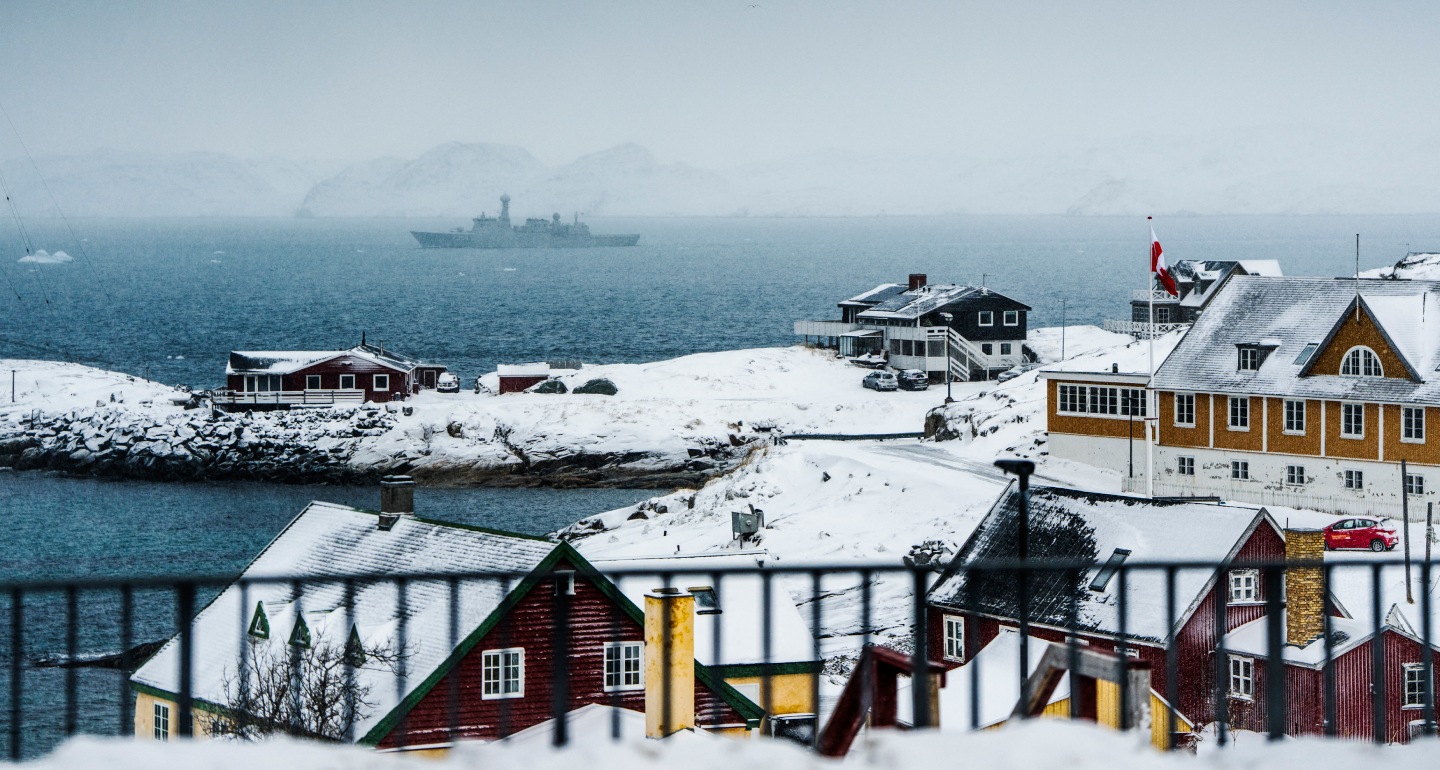
The supposed threats from China and Russia pose far less of a danger to both Greenland and the Arctic than the prospect of an unscrupulous takeover of the island.
Andrei Dagaev
Western negotiators often believe territory is just a bargaining chip when it comes to peace in Ukraine, but Putin is obsessed with empire-building.
Andrey Pertsev
Unexpectedly, Trump’s America appears to have replaced Putin’s Russia’s as the world’s biggest disruptor.
Alexander Baunov
The Kremlin will only be prepared to negotiate strategic arms limitations if it is confident it can secure significant concessions from the United States. Otherwise, meaningful dialogue is unlikely, and the international system of strategic stability will continue to teeter on the brink of total collapse.
Maxim Starchak
The story of a has-been politician apparently caught red-handed is intersecting with the larger forces at work in the Ukrainian parliament.
Konstantin Skorkin