

Commentary
Western negotiators often believe territory is just a bargaining chip when it comes to peace in Ukraine, but Putin is obsessed with empire-building.
Andrey Pertsev
{
  "authors": [
    "Nikita Smagin"
  ],
  "type": "commentary",
  "blog": "Carnegie Politika",
  "centerAffiliationAll": "",
  "centers": [
    "Carnegie Endowment for International Peace",
    "Carnegie Russia Eurasia Center"
  ],
  "englishNewsletterAll": "",
  "nonEnglishNewsletterAll": "",
  "primaryCenter": "Carnegie Russia Eurasia Center",
  "programAffiliation": "",
  "programs": [],
  "projects": [],
  "regions": [
    "Iran",
    "Russia",
    "Israel",
    "Middle East"
  ],
  "topics": [
    "Foreign Policy",
    "Military",
    "Security",
    "Arms Control",
    "Global Governance"
  ]
}
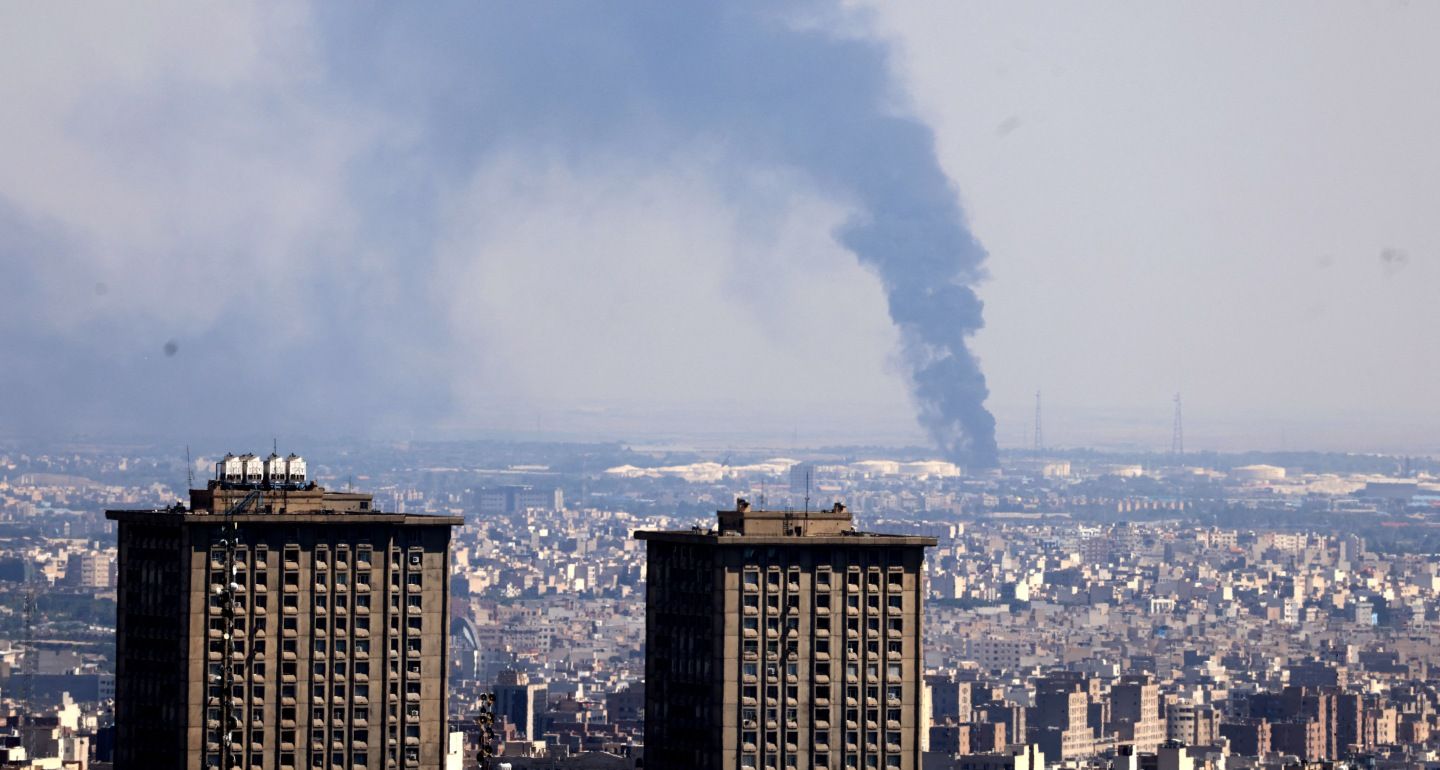
The conflict between Israel and Iran will likely help Russia to balance this year’s budget without a major deficit, thanks to soaring oil prices. However, that does not change the fact that another of Moscow’s close allies in the region appears to be collapsing.
The escalation between Israel and Iran has moved Russia’s ongoing war against Ukraine down the international news agenda, but Moscow itself appears to be undecided what to make of a new war in the Middle East. On the one hand, Russia has invested heavily in various projects in Iran over the past three years, all of which could now go to waste. At the same time, Moscow hopes to benefit from Middle Eastern instability through rising oil prices and declining interest in Ukraine.
Although Russia was quick to condemn the Israeli air strikes against Iran, its first official reaction was directed more at Tehran. Alongside the inevitable accusations against the West, the Russian Foreign Ministry statement mentioned the upcoming round of indirect U.S.-Iranian talks in Oman and the U.S. readiness to participate. In other words, instead of supporting its Iranian ally, Moscow called on it to sit down at the negotiating table with Washington, despite its disadvantageous position.
The subsequent rhetoric of the Russian side has also consisted almost exclusively of calls for de-escalation, which is not surprising, given that Russia has no real influence over Israel, which currently has the initiative.
Of course, Moscow would love to act as a mediator in possible negotiations, but the Kremlin’s ability to bring anything unique to the table is diminishing by the day. When it came to the nuclear deal, Russia was the only country willing to remove highly enriched uranium from Iran. But if the issue of Iran’s nuclear program is resolved by military means, it may well be that nothing will need to be removed. And as a simple mediator, Russia has no more to offer than Oman or Qatar.
There is no point in expecting any military assistance for Iran from the Russian side either. By chance, the Iranian parliament ratified the strategic partnership agreement with Russia during the Israeli strikes. When the two countries’ presidents signed the agreement six months ago, it was presented as a fundamentally new level of cooperation—including in terms of defense. But the events of recent days have once again confirmed that Russia and Iran have not become military allies. As the Russian side had already explained, the treaty does not provide for military assistance in the event of aggression.
The main problem faced by Russia in the current circumstances is the threat to all the projects in Iran in which it has been actively investing since 2022. A few days before the start of the Israeli operation, the Iranian ambassador to Moscow said that Russia was the country’s largest foreign investor in 2024. The ambassador did not specify any investment volumes, but Russian investments were estimated at $2.76 billion the previous year. Moscow planned to invest about $8 billion in oil and gas projects alone.
Now the future of those projects is in doubt. Of course, no one in Moscow expected that Tehran would become a leading economic partner like China, India, or Turkey. The scale of cooperation was always far more modest, and was doomed to remain so. But still, Iran had its advantages: Tehran was perceived as a reliable partner, since it was also sanctioned and—unlike Beijing, New Delhi, and Istanbul—paid no attention to Western sanctions against Russia.
The Iranian projects became increasingly important for other reasons, too. First, Moscow used Iran as a testing ground for integration models, such as interconnecting national payment systems, a free trade zone with the Eurasian Economic Union, and bringing it into international organizations like the Shanghai Cooperation Organization and BRICS. The success of this experience largely determined how interested other countries would be in developing similar cooperation with Russia.
Second, Iran was an important logistical alternative for Russia for the transit of goods along the North-South corridor. When Moscow lost its usual transport routes through Europe after invading Ukraine, the Kremlin saw only too clearly that a country can never have too many transit routes.
Finally, Iran was even prepared to accept Russian projects that had failed in other countries, such as a planned gas hub in Turkey. After lengthy negotiations, that idea had to be abandoned because Ankara wanted control over gas flows, while Europe, whose markets were the project’s main target, was determined to reduce gas consumption and move over to greener energies.
The failed Turkish project was then replaced with the idea of an Iranian gas hub, with liquefied Russian gas flowing from it through the ports of the Gulf to promising Asian markets. The return on such investments is questionable, but Moscow has already announced plans to build a gas pipeline to this hub through Azerbaijan.
However, if Iran becomes permanently unstable as a result of the current attacks, then both the gas hub and other more realistic projects will go up in smoke, along with the investments already made. That scenario is far from impossible given that Israel is already carrying out air strikes not only against military targets, but also against Iran’s civilian infrastructure, including the country’s oil and gas systems.
Still, Iran’s uncertain future does not prevent Russia from hoping to benefit from a new war—at least in the short term. Oil prices have already risen since Israel began its air strikes, and instability in the Middle East will only push them up further. The more tensions escalate, the higher prices will soar—especially if the fighting spreads to the Persian Gulf, or if Tehran decides to close the Strait of Hormuz.
Another advantage for Russia is that the mutual attacks by Israel and Iran could divert Western attention and resources away from Ukraine. And if Israeli bombs start killing Iranian civilians on a regular basis, Russia will gleefully point to “Western double standards” in an attempt to justify its actions in Ukraine.
Finally, if the conflict drags on, the United States will have to increase aid to Israel, which will inevitably impact on its ability to keep supporting Kyiv. There is little doubt that U.S. President Donald Trump prioritizes relations with Israel over those with Ukraine.
The Russian leadership generally values tactical gains over long-term planning, so it may well believe that the new crisis in the Middle East is likely to work in Russia’s favor. However, that does not change the fact that another of Moscow’s close allies in the region appears to be collapsing. Just six months ago, Russia had to reconcile itself to the fall of Bashar al-Assad’s regime in Syria, from where it is now being squeezed out by the new government, undoing years of investment. Now the same thing may happen in Iran.
The conflict between Israel and Iran will likely help Russia to balance this year’s budget without a major deficit, thanks to soaring oil prices. But the reputational damage will last far longer. Russia’s partners are being defeated one after another, causing Moscow to lose influence alongside them.
Carnegie does not take institutional positions on public policy issues; the views represented herein are those of the author(s) and do not necessarily reflect the views of Carnegie, its staff, or its trustees.
Western negotiators often believe territory is just a bargaining chip when it comes to peace in Ukraine, but Putin is obsessed with empire-building.

Andrey Pertsev
Unexpectedly, Trump’s America appears to have replaced Putin’s Russia’s as the world’s biggest disruptor.
Alexander Baunov
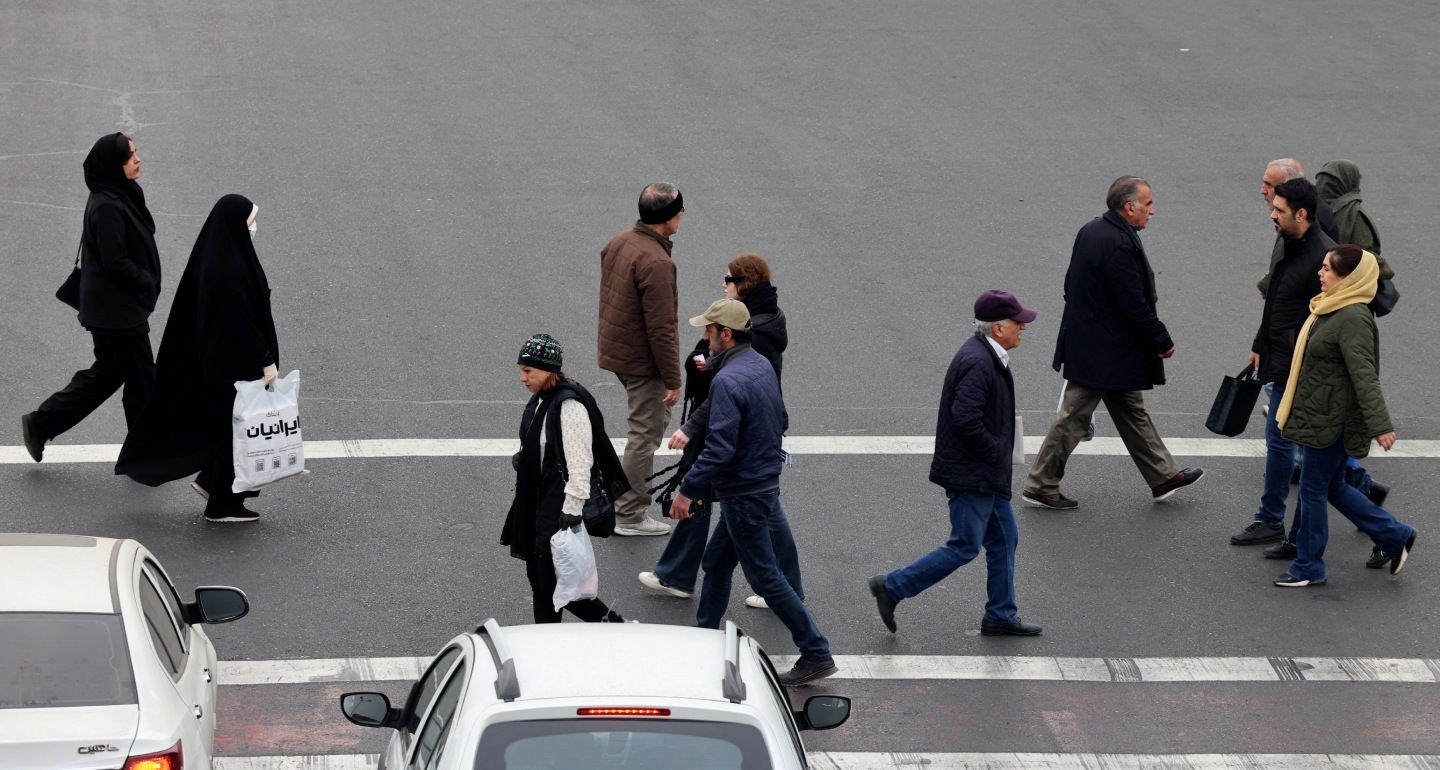
Baku may allow radical nationalists to publicly discuss “reunification” with Azeri Iranians, but the president and key officials prefer not to comment publicly on the protests in Iran.

Bashir Kitachaev
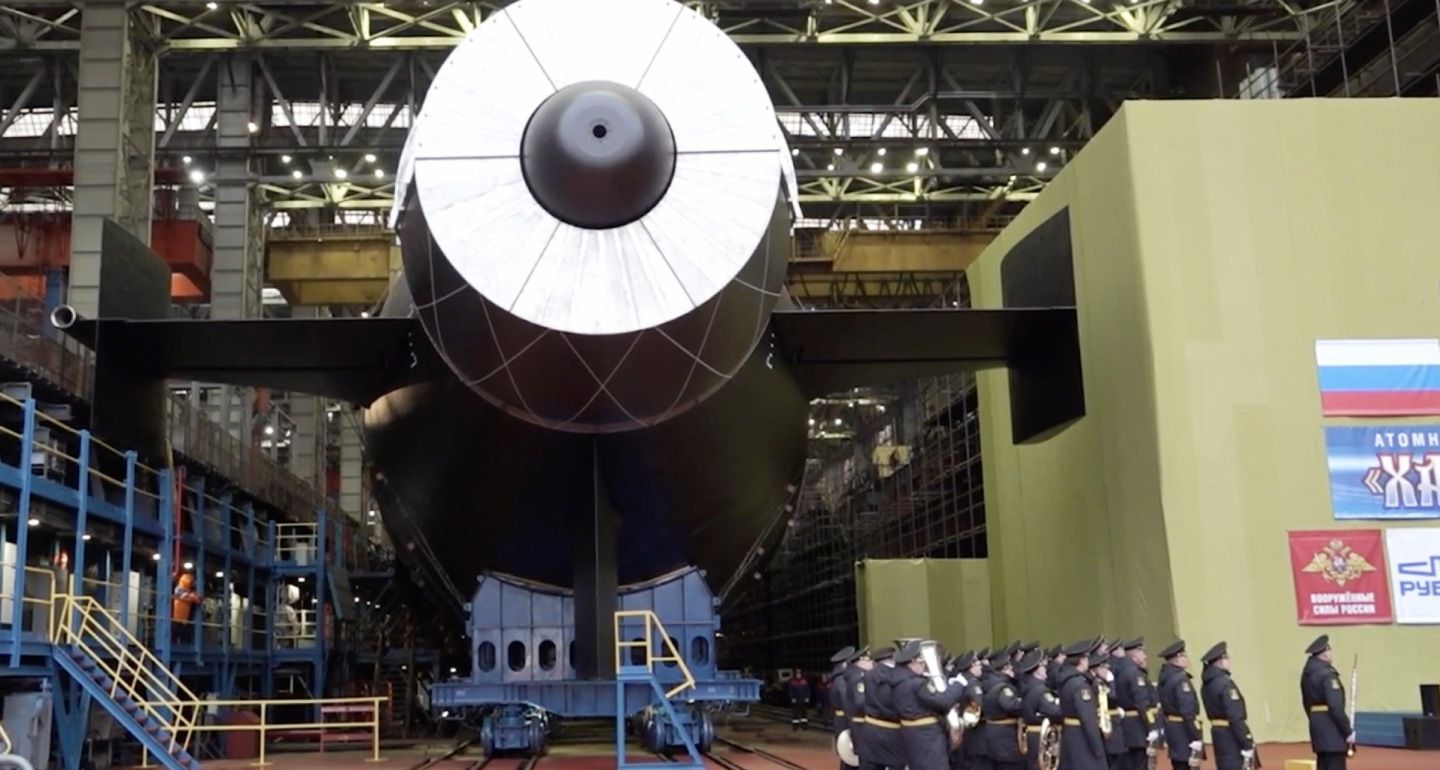
The Kremlin will only be prepared to negotiate strategic arms limitations if it is confident it can secure significant concessions from the United States. Otherwise, meaningful dialogue is unlikely, and the international system of strategic stability will continue to teeter on the brink of total collapse.

Maxim Starchak
For years, the Russian government has promoted “sovereign” digital services as an alternative to Western ones and introduced more and more online restrictions “for security purposes.” In practice, these homegrown solutions leave people vulnerable to data leaks and fraud.

Maria Kolomychenko