

Commentary
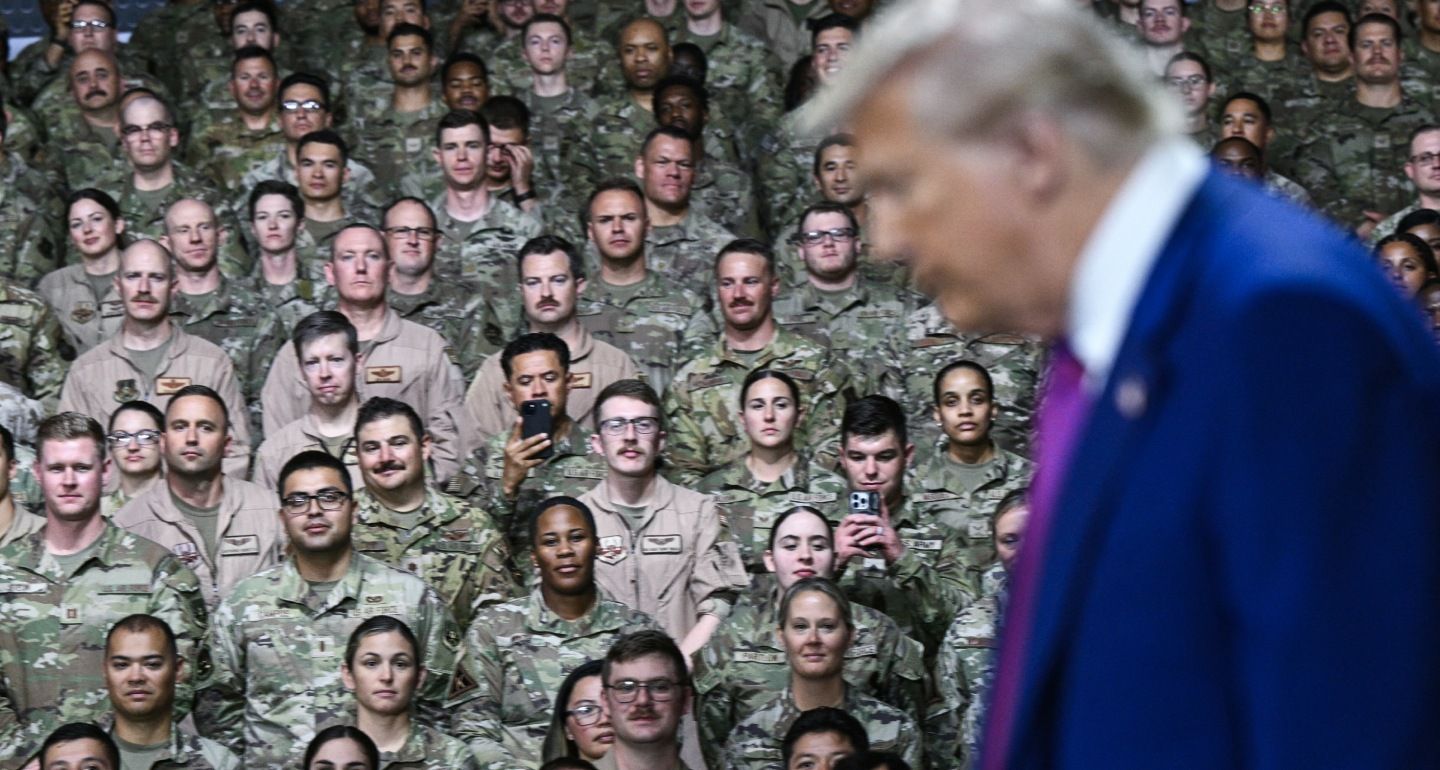
Unexpectedly, Trump’s America appears to have replaced Putin’s Russia’s as the world’s biggest disruptor.
Alexander Baunov
{
  "authors": [
    "Kevin P. Gallagher"
  ],
  "type": "other",
  "centerAffiliationAll": "",
  "centers": [
    "Carnegie Endowment for International Peace"
  ],
  "collections": [],
  "englishNewsletterAll": "",
  "nonEnglishNewsletterAll": "",
  "primaryCenter": "Carnegie Endowment for International Peace",
  "programAffiliation": "",
  "programs": [],
  "projects": [],
  "regions": [
    "North America",
    "United States"
  ],
  "topics": [
    "Economy",
    "Trade",
    "Climate Change"
  ]
}
REQUIRED IMAGE
The U.S. Congress needs to examine the methods and process of environmental reviews under the Trade Act of 2002, which explicitly gives Congress the power to determine whether environmental issues are effectively incorporated into U.S. trade negotiations, to ensure they are used to inform trade negotiations in a timely manner.
Source: Carnegie
The Trade Act of 2002 explicitly gives Congress the power to determine whether environmental issues are effectively incorporated into U.S. trade negotiations through a process called Environmental Reviews—written assessments that examine the potential environmental benefits and costs of agreements under consideration. Earlier U.S. attempts at conducting these reviews have fallen short of providing timely and useful information to policy makers.
This policy brief argues that Congress needs to examine the methods and process of environmental reviews under the Trade Act of 2002 to ensure they are used to inform trade negotiations in a timely manner.
A limited number of print copies are available.
Request a copy
About the Author
Kevin P. Gallagher is a research associate with the Global Development and Environment Institute, Fletcher School of Law and Diplomacy, Tufts University, where he examines the social and environmental effects of economic integration in the Western Hemisphere, particularly in Mexico. He has written extensively on international economics, trade and environment, including most recently International Trade and Sustainable Development, and Transboundary Environmental Negotiation.
The Trade, Equity, and Development (TED) Series is part of an effort by Carnegie's Trade, Equity, and Development Project to broaden the debate surrounding trade liberalization to include perspectives not normally present in the Washington policy community.
Carnegie does not take institutional positions on public policy issues; the views represented herein are those of the author(s) and do not necessarily reflect the views of Carnegie, its staff, or its trustees.
Unexpectedly, Trump’s America appears to have replaced Putin’s Russia’s as the world’s biggest disruptor.

Alexander Baunov
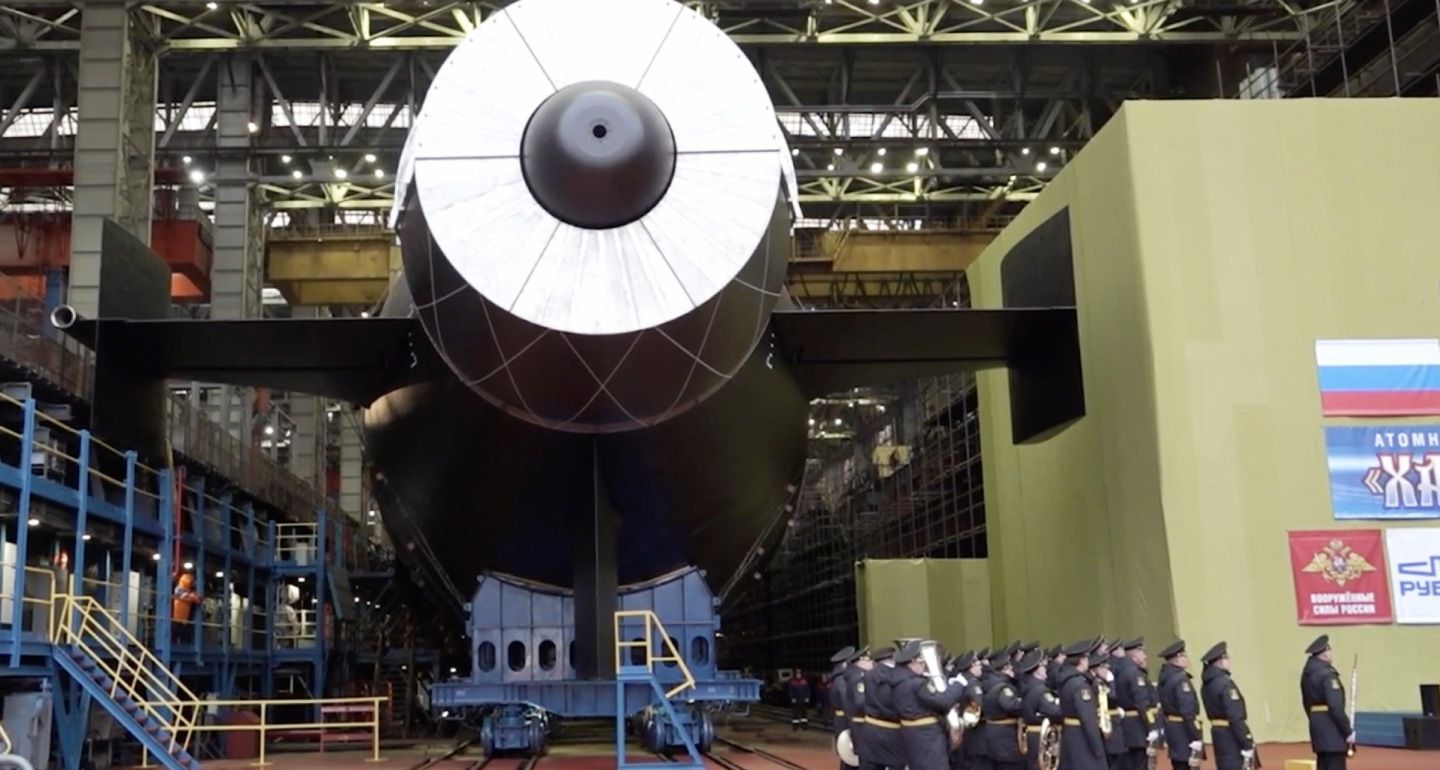
The Kremlin will only be prepared to negotiate strategic arms limitations if it is confident it can secure significant concessions from the United States. Otherwise, meaningful dialogue is unlikely, and the international system of strategic stability will continue to teeter on the brink of total collapse.

Maxim Starchak
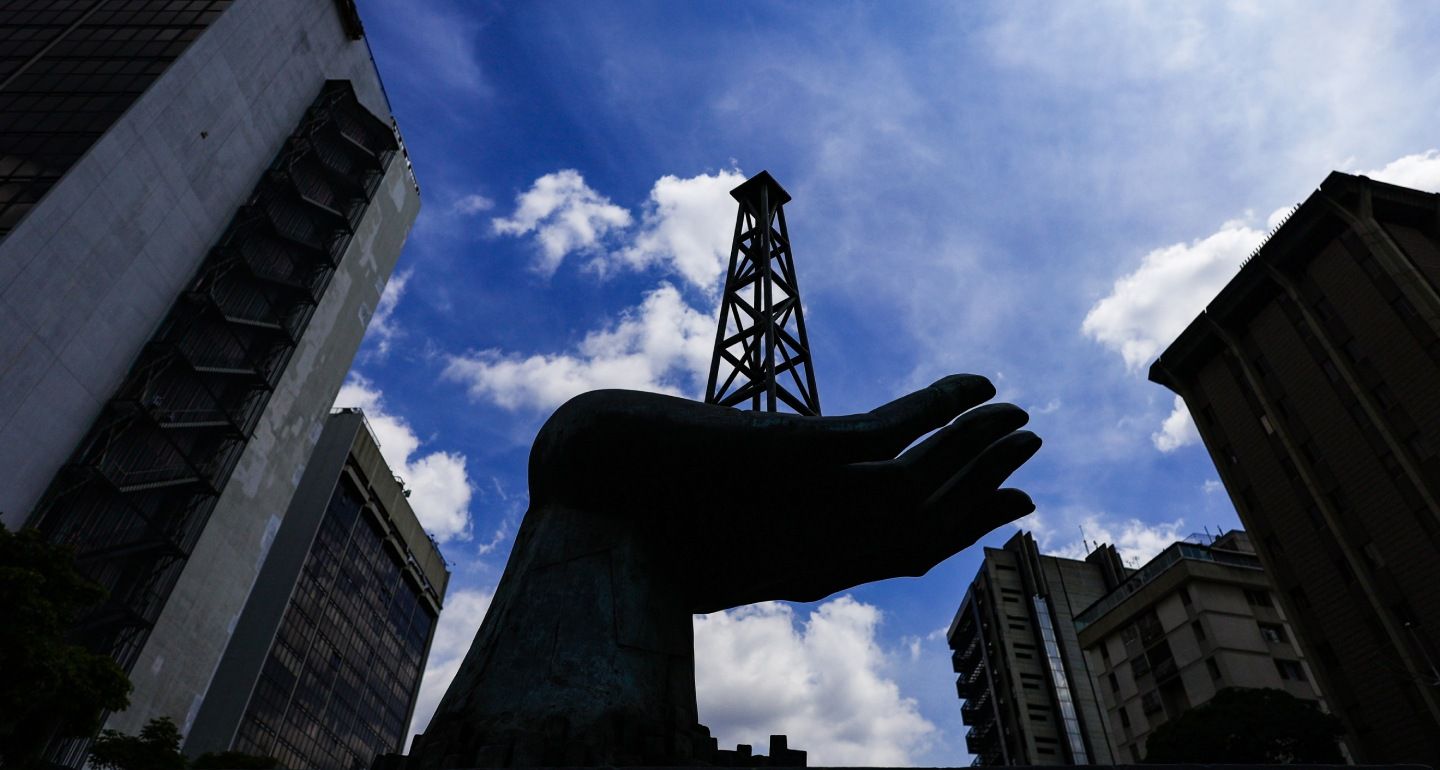
Geological complexity and years of mismanagement mean the Venezuelan oil industry is not the big prize officials in Moscow and Washington appear to believe.
Sergey Vakulenko
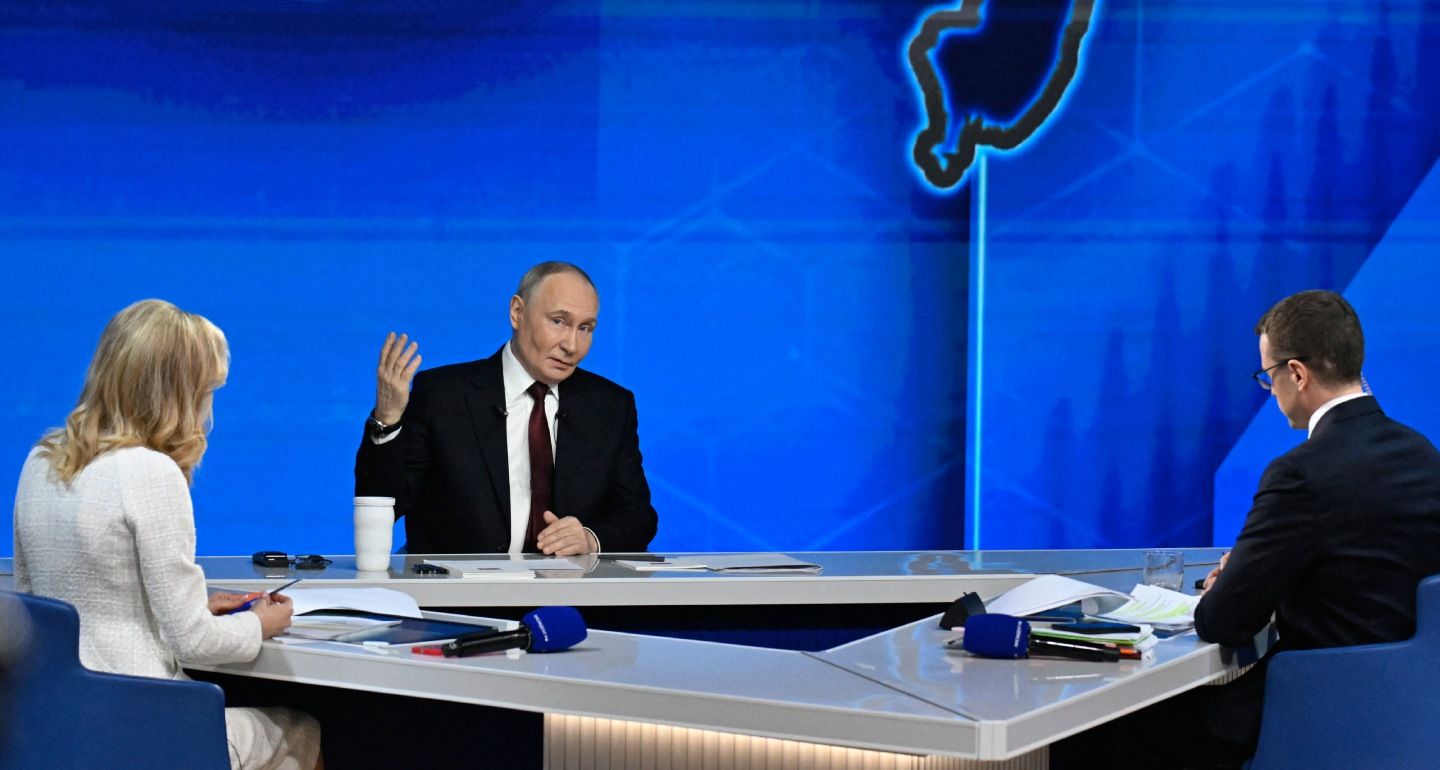
Putin used his annual Q&A to make it perfectly clear: he will not agree to an end to the war until he at least gets control of the entire Donbas.

Vladislav Gorin

Lukashenko is using the same approach in his dealings with Trump that has long proven successful with Putin.

Artyom Shraibman