

Commentary
Unexpectedly, Trump’s America appears to have replaced Putin’s Russia’s as the world’s biggest disruptor.
Alexander Baunov
{
  "authors": [
    "Maria Lipman"
  ],
  "type": "legacyinthemedia",
  "centerAffiliationAll": "",
  "centers": [
    "Carnegie Endowment for International Peace",
    "Carnegie Russia Eurasia Center"
  ],
  "collections": [],
  "englishNewsletterAll": "",
  "nonEnglishNewsletterAll": "",
  "primaryCenter": "Carnegie Russia Eurasia Center",
  "programAffiliation": "",
  "programs": [],
  "projects": [],
  "regions": [
    "Caucasus",
    "Russia",
    "Georgia"
  ],
  "topics": [
    "Political Reform"
  ]
}
The anti-Georgian campaign may well turn out to be simply a resentful overreaction to Georgia's arrogance with regard to the alleged spying rather than a deliberate policy aimed at capitalizing on public xenophobia. But in the xenophobic atmosphere of today's Russia, this threatens to further encourage ethnic hatred and lead to more loss of life.
Source: Washington Post

In recent years intolerance and even violent ethnic and racial crime have become increasingly common in Russia. Just this summer, in a vicious attack on "non-locals," dark-skinned residents were driven out of the northwestern town of Kondopoga and some of their businesses set on fire or property smashed.
But this anti-Georgian campaign is different, in a scary way. Until now, if government authorities contributed to public xenophobia it was through inaction, incompetence or irresponsibility. Now ethnic hostility is being incited by government figures -- legislators and executive officials alike.
Three weeks ago, in a new round of the tit-for-tat fight between Moscow and Tbilisi that has been going on since Mikheil Saakashvili became Georgia's president, four Russian servicemen were arrested in Georgia on charges of espionage. Apparently caught off guard, the Kremlin responded with a barrage of threatening language. Though the immediate conflict was resolved after a few days through Western mediation, the anger and resentment over an obviously arrogant act by the Georgian government appeared to call for revenge.
In the days that followed the arrests, Russian officials sought to outdo one another in anti-Georgian rhetoric. Georgians were declared the most criminal of all ethnic minorities in Russia. A broad range of officials and loyalists demanded that they be barred from entering Russia and that migrant workers be forbidden to send home remittances.
President Vladimir Putin remarked that "migration flows should be regulated so that . . . our citizens would not be disadvantaged in various sectors of the economy." The speaker of the lower house proclaimed that "indigenous residents should be assured of advantages in trading activity at marketplaces." At the same time, on Kremlin-controlled television, Georgians were vilified as fat cats running casinos and driving Mercedes-Benzes. Raids on casinos (with their owners' unmistakably Georgian-sounding last names repeatedly cited) were shown on national news programs. One of the federal channels showed a documentary about "guests" from the south -- all with Georgian last names -- coming to Russia to commit crimes.
Georgia has been virtually blockaded, with transport from and to Russia severed. Though the Russian government wouldn't admit that the blockade was political (it was described as a punitive measure for failure to observe various rules and regulations), the message was unambiguous: Georgia and Georgians were the enemies of Russia.
Ethnic Georgians all over Moscow have been harassed by the police, regardless of whether they were Georgian nationals or held Russian citizenship. Fearing raids and shakedowns, Georgian restaurants suspended operations. Georgians were denied Russian entry visas regardless of their status and occupation; those barred from entering Russia included a popular dance company. Meanwhile, the Russian youth chess team refused to take part in the world championship being held in the Georgian city of Batumi.
The campaign took an especially ugly turn when some Moscow schools were ordered to submit lists of children with Georgian last names to police to facilitate the search for their parents, whose Georgian origin now made them suspect.
Until recently, Georgians would have seemed an unlikely target for such hostility. Georgian culture, art and cuisine have long been inseparable from Russian/Soviet life. Georgian moviemakers directed some of the most popular Soviet movies, which are watched by millions of Russians as eagerly today as they were in the U.S.S.R. The Russian cultural elite is inconceivable without Georgian actors, singers and artists. Georgian food is found not only in Georgian restaurants, which are mercifully cheap by Moscow standards, but as part of family holiday meals throughout Russia. And Georgians share a common Orthodox Christian religion with Russians.
But the sad truth is that ethnic hostility can be readily embraced by the Russian people, and the ethnicity involved doesn't seem to matter much. As the TV news was filled with anti-Georgian themes, television monitoring services registered increased interest in news programming. In a national poll taken in mid-October, 38 percent of Russians said they would support the deportation of all Georgians from Russia, even those with Russian citizenship. A significant majority said they approve of deportations, transportation blockades, stepped-up inspections of Georgian businesses and other anti-Georgian measures taken by the government. And there has been little in the way of protest against the xenophobia: Russia's remaining liberal media outlets condemned what they referred to as "ethnic cleansing," and a couple of rallies opposing the anti-Georgia campaign were held.
After a while, however, the authorities seemed to realize that things had gone too far. They have begun to backpedal. The initiative to check schools for Georgian children was strongly condemned by a Moscow government official, who was joined by many others; high-ranking law enforcers even apologized for the action. Several officials came out with reassuring statements that the government is acting to restore order, not to harass individual Georgians.
The campaign may well turn out to be simply a resentful overreaction to Georgia's arrogance with regard to the alleged spying rather than a deliberate policy aimed at capitalizing on public xenophobia. But the government's desire to punish Georgia has broken the fragile taboo on ethnic hostility in official language. In the xenophobic atmosphere of today's Russia, this threatens to further encourage ethnic hatred and lead to more loss of life.
Masha Lipman, editor of the Carnegie Moscow Center's Pro et Contra journal, writes a monthly column for The Washington Post.
Carnegie does not take institutional positions on public policy issues; the views represented herein are those of the author(s) and do not necessarily reflect the views of Carnegie, its staff, or its trustees.
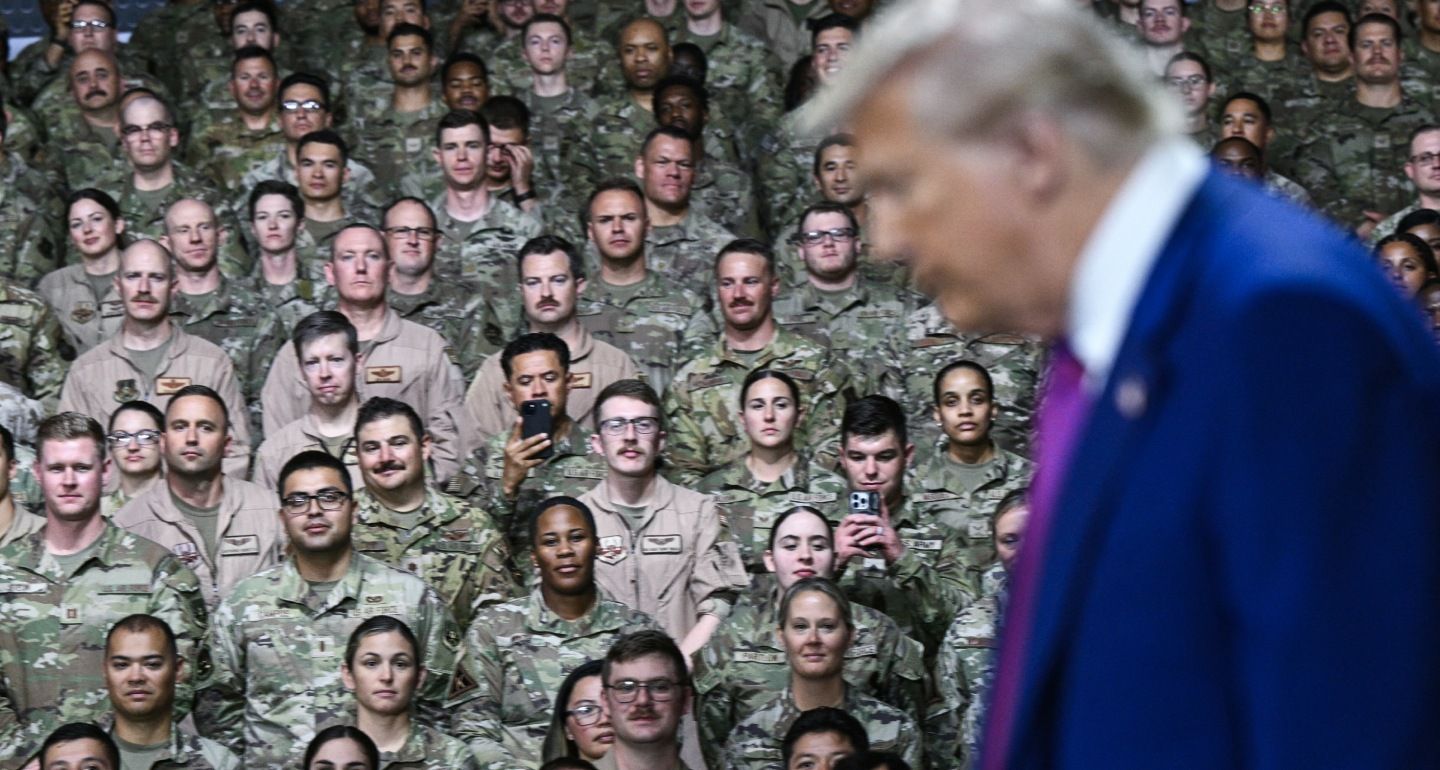
Unexpectedly, Trump’s America appears to have replaced Putin’s Russia’s as the world’s biggest disruptor.
Alexander Baunov

The Kremlin will only be prepared to negotiate strategic arms limitations if it is confident it can secure significant concessions from the United States. Otherwise, meaningful dialogue is unlikely, and the international system of strategic stability will continue to teeter on the brink of total collapse.
Maxim Starchak
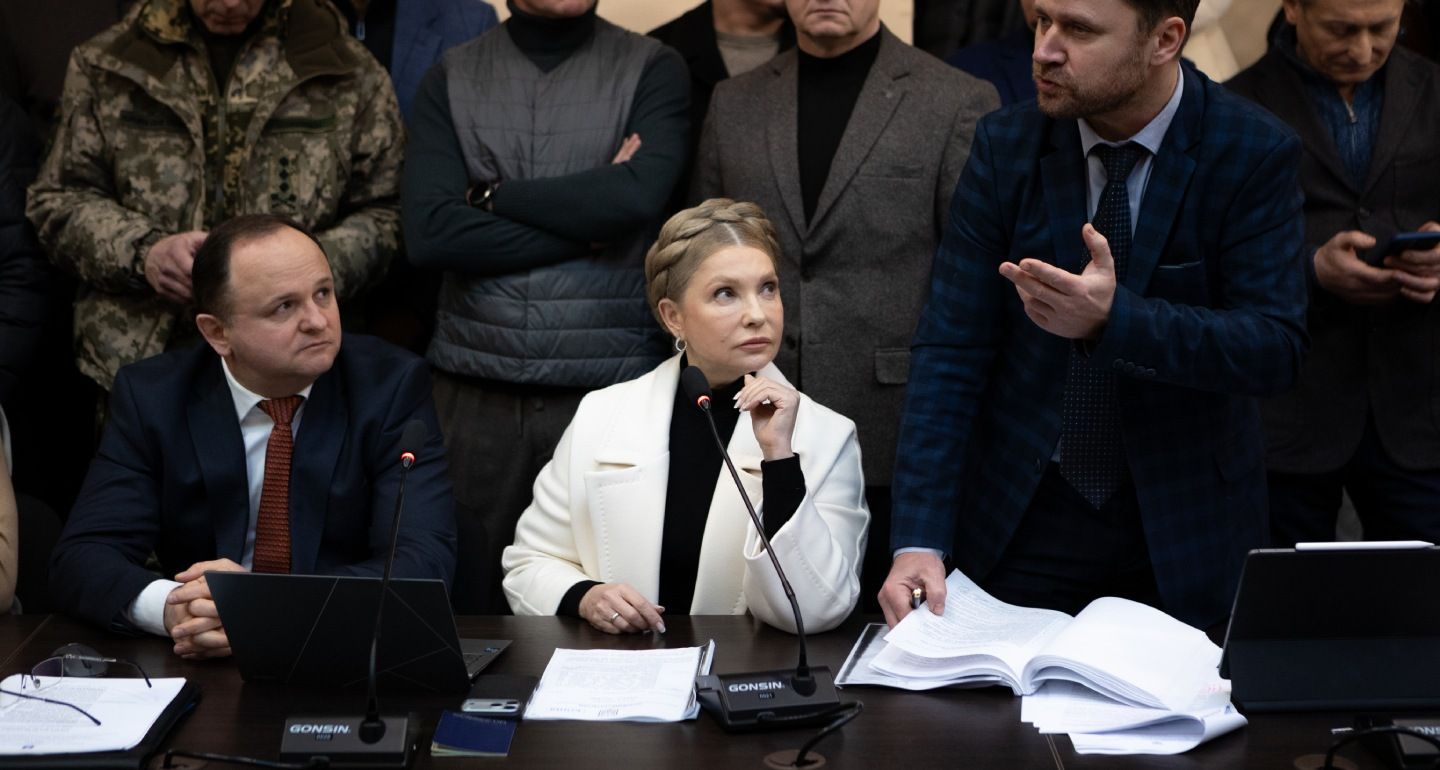
The story of a has-been politician apparently caught red-handed is intersecting with the larger forces at work in the Ukrainian parliament.

Konstantin Skorkin
For years, the Russian government has promoted “sovereign” digital services as an alternative to Western ones and introduced more and more online restrictions “for security purposes.” In practice, these homegrown solutions leave people vulnerable to data leaks and fraud.

Maria Kolomychenko
Geological complexity and years of mismanagement mean the Venezuelan oil industry is not the big prize officials in Moscow and Washington appear to believe.

Sergey Vakulenko