

Commentary
Arms supplies from Russia to Iran will not only continue, but could grow significantly if Russia gets the opportunity.
Nikita Smagin
{
  "authors": [
    "Hans Timmer",
    "Uri Dadush"
  ],
  "type": "other",
  "centerAffiliationAll": "",
  "centers": [
    "Carnegie Endowment for International Peace"
  ],
  "collections": [],
  "englishNewsletterAll": "",
  "nonEnglishNewsletterAll": "",
  "primaryCenter": "Carnegie Endowment for International Peace",
  "programAffiliation": "",
  "programs": [],
  "projects": [],
  "regions": [
    "North America",
    "United States",
    "Western Europe"
  ],
  "topics": [
    "Economy"
  ]
}
Source: Getty
While the global economic crisis runs deeper than the euro, the inadequate institutional set up of the European Monetary Union greatly complicates matters.
Hans Timmer

Former Senior Associate, International Economics Program
Dadush was a senior associate at the Carnegie Endowment for International Peace. He focuses on trends in the global economy and is currently tracking developments in the eurozone crisis.
Carnegie does not take institutional positions on public policy issues; the views represented herein are those of the author(s) and do not necessarily reflect the views of Carnegie, its staff, or its trustees.
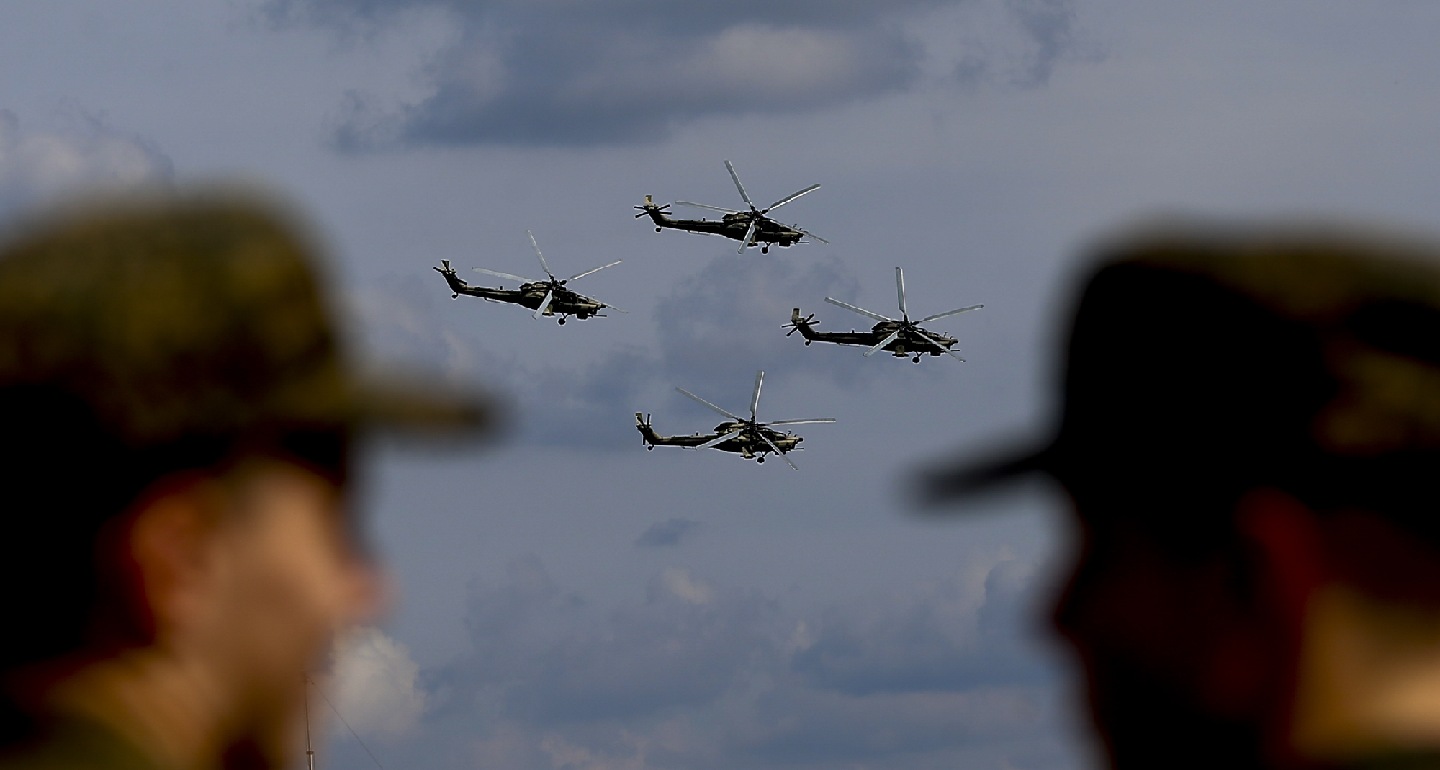
Arms supplies from Russia to Iran will not only continue, but could grow significantly if Russia gets the opportunity.

Nikita Smagin
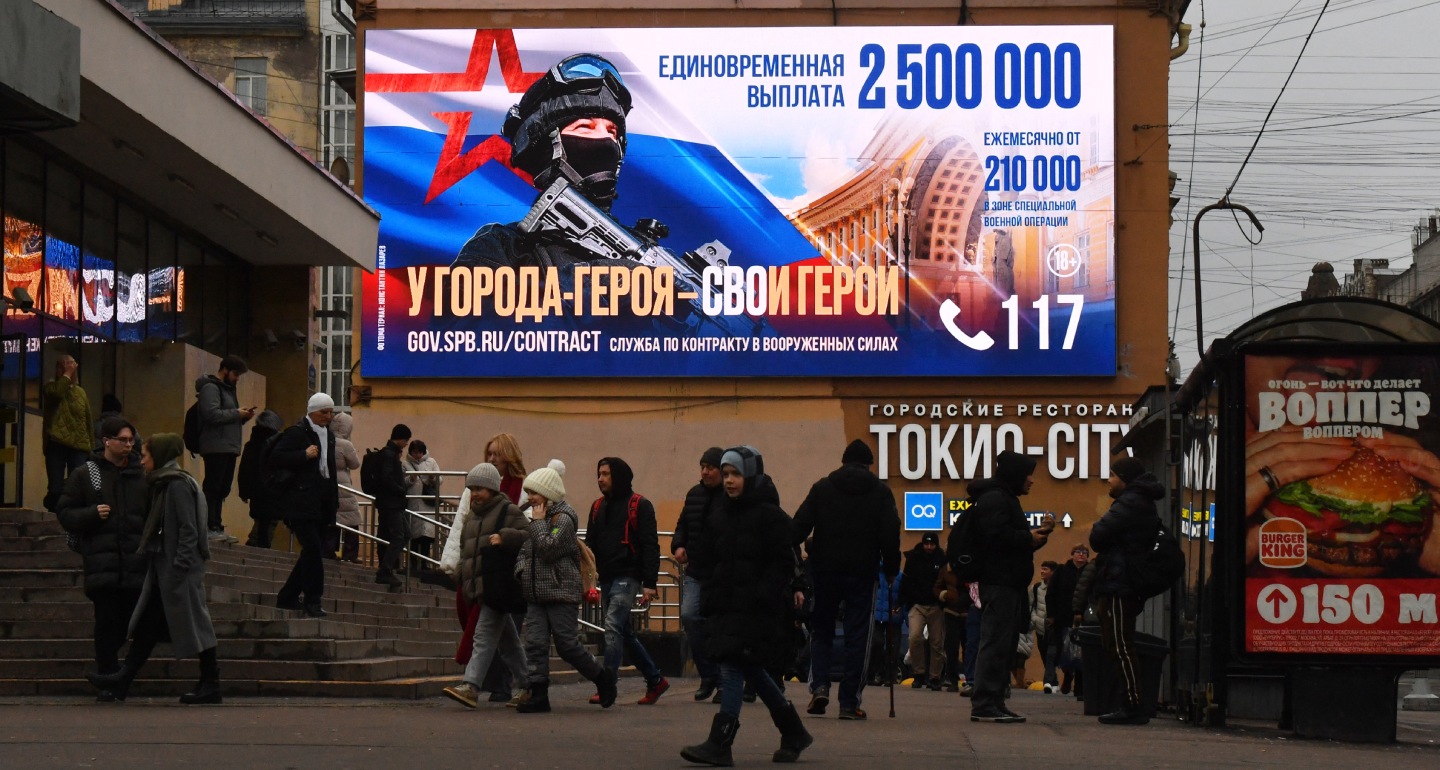
The Russian army is not currently struggling to recruit new contract soldiers, though the number of people willing to go to war for money is dwindling.

Dmitry Kuznets
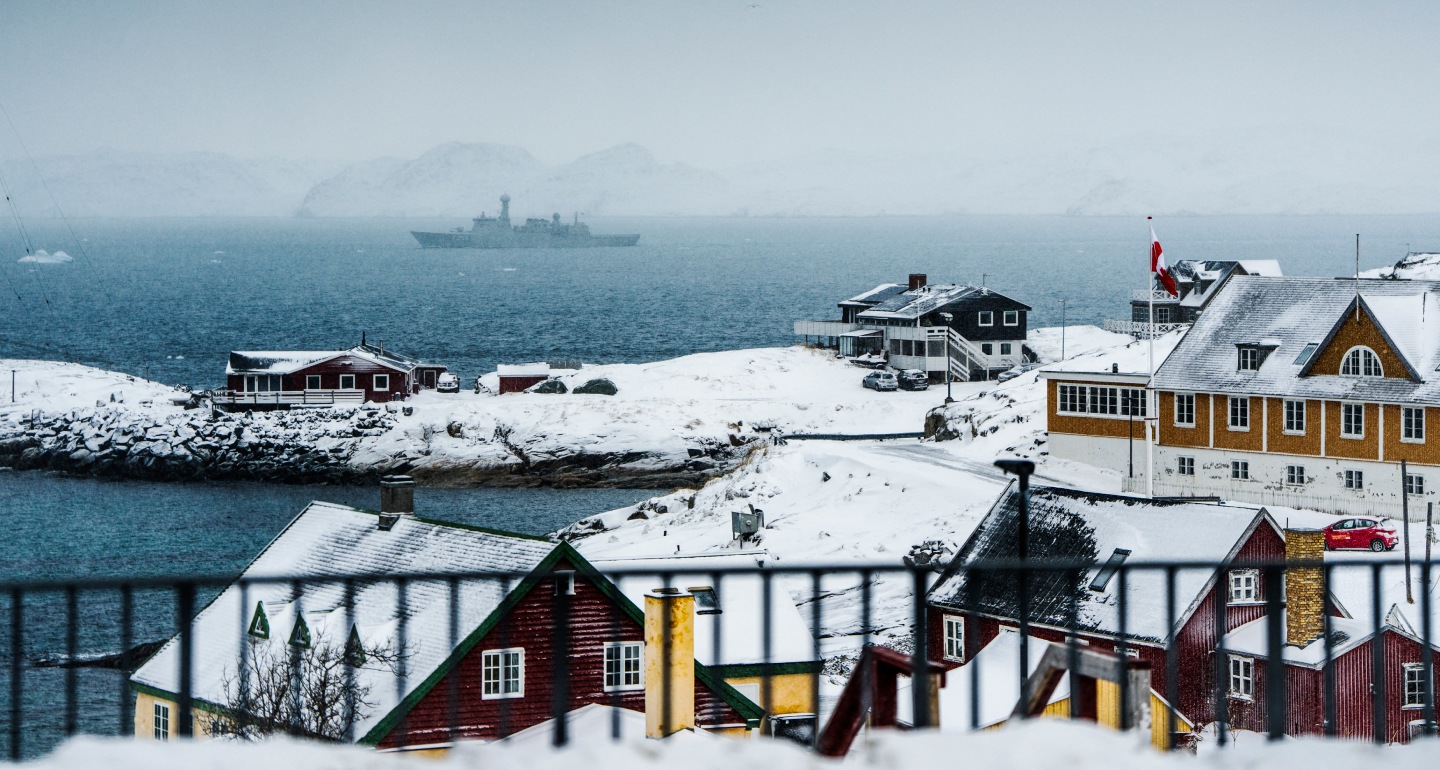
The supposed threats from China and Russia pose far less of a danger to both Greenland and the Arctic than the prospect of an unscrupulous takeover of the island.
Andrei Dagaev
Western negotiators often believe territory is just a bargaining chip when it comes to peace in Ukraine, but Putin is obsessed with empire-building.

Andrey Pertsev
Unexpectedly, Trump’s America appears to have replaced Putin’s Russia’s as the world’s biggest disruptor.

Alexander Baunov