

Commentary
The supposed threats from China and Russia pose far less of a danger to both Greenland and the Arctic than the prospect of an unscrupulous takeover of the island.
Andrei Dagaev
{
  "authors": [
    "Michael D. Swaine"
  ],
  "type": "legacyinthemedia",
  "centerAffiliationAll": "",
  "centers": [
    "Carnegie Endowment for International Peace",
    "Carnegie China"
  ],
  "collections": [
    "China’s Foreign Relations"
  ],
  "englishNewsletterAll": "",
  "nonEnglishNewsletterAll": "",
  "primaryCenter": "Carnegie Endowment for International Peace",
  "programAffiliation": "",
  "programs": [
    "Asia"
  ],
  "projects": [],
  "regions": [
    "East Asia",
    "China"
  ],
  "topics": [
    "Political Reform"
  ]
}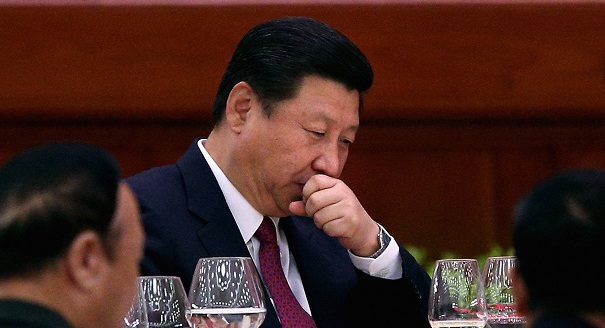
The Chinese Party Congress is mainly about domestic political power and domestic policies, but it can also serve as an important indicator of future policy direction and power structure, including within the foreign policy arena.
Source: China Leadership Monitor

This essay examines the foreign policy aspects of both documents, as presented at the 18th Party Congress. The bulk of the analysis is devoted to the party work report delivered by Hu Jintao, which is compared with past work reports going back to the 14th Party Congress of 1992. The CCP leadership roster is at best only an indirect indicator of the future PRC foreign policy elite, since the government leadership lineup will be selected the following spring, during the National People’s Congress. However, the foreign policy team will almost certainly be selected from the new party leadership. Hence, an examination of the congress can provide a few hints of what is to come.
Carnegie does not take institutional positions on public policy issues; the views represented herein are those of the author(s) and do not necessarily reflect the views of Carnegie, its staff, or its trustees.
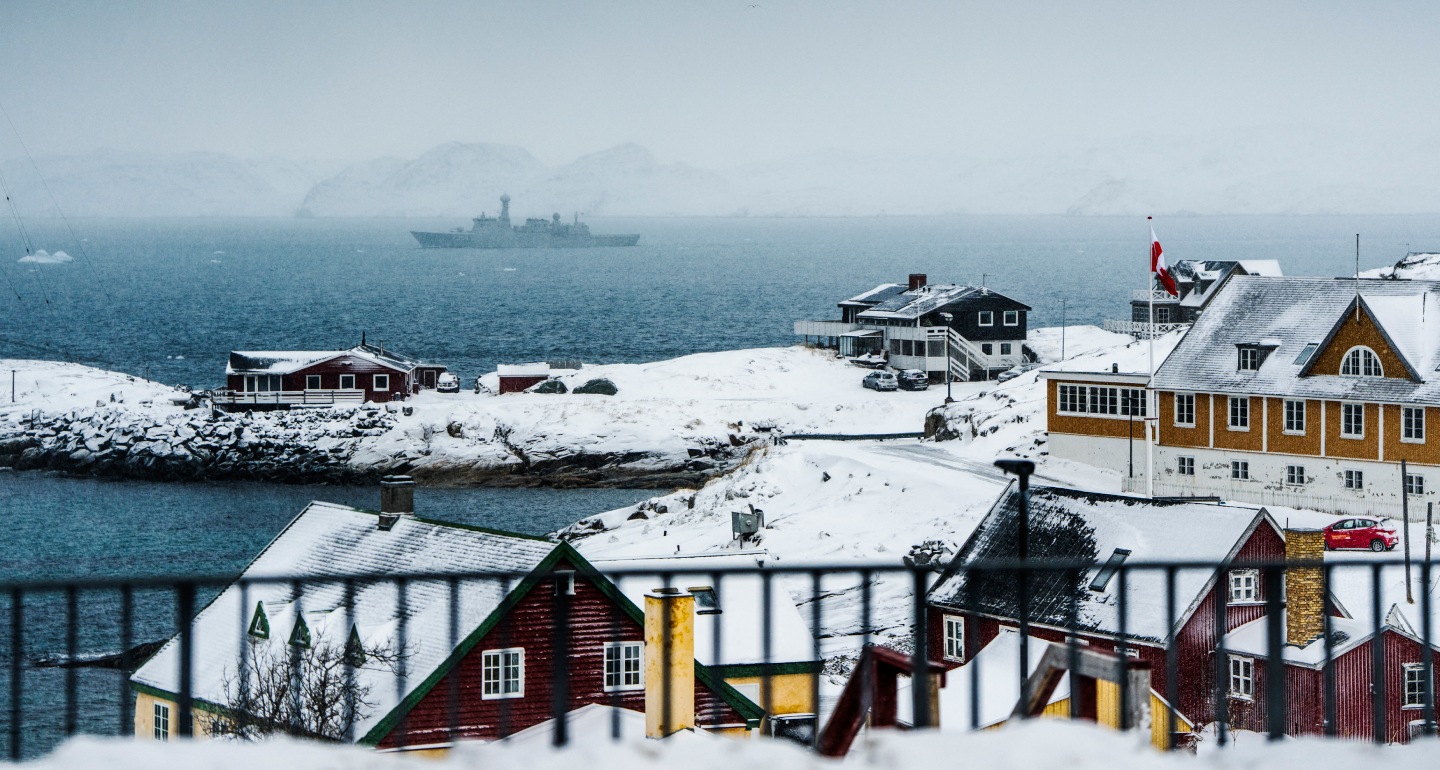
The supposed threats from China and Russia pose far less of a danger to both Greenland and the Arctic than the prospect of an unscrupulous takeover of the island.

Andrei Dagaev
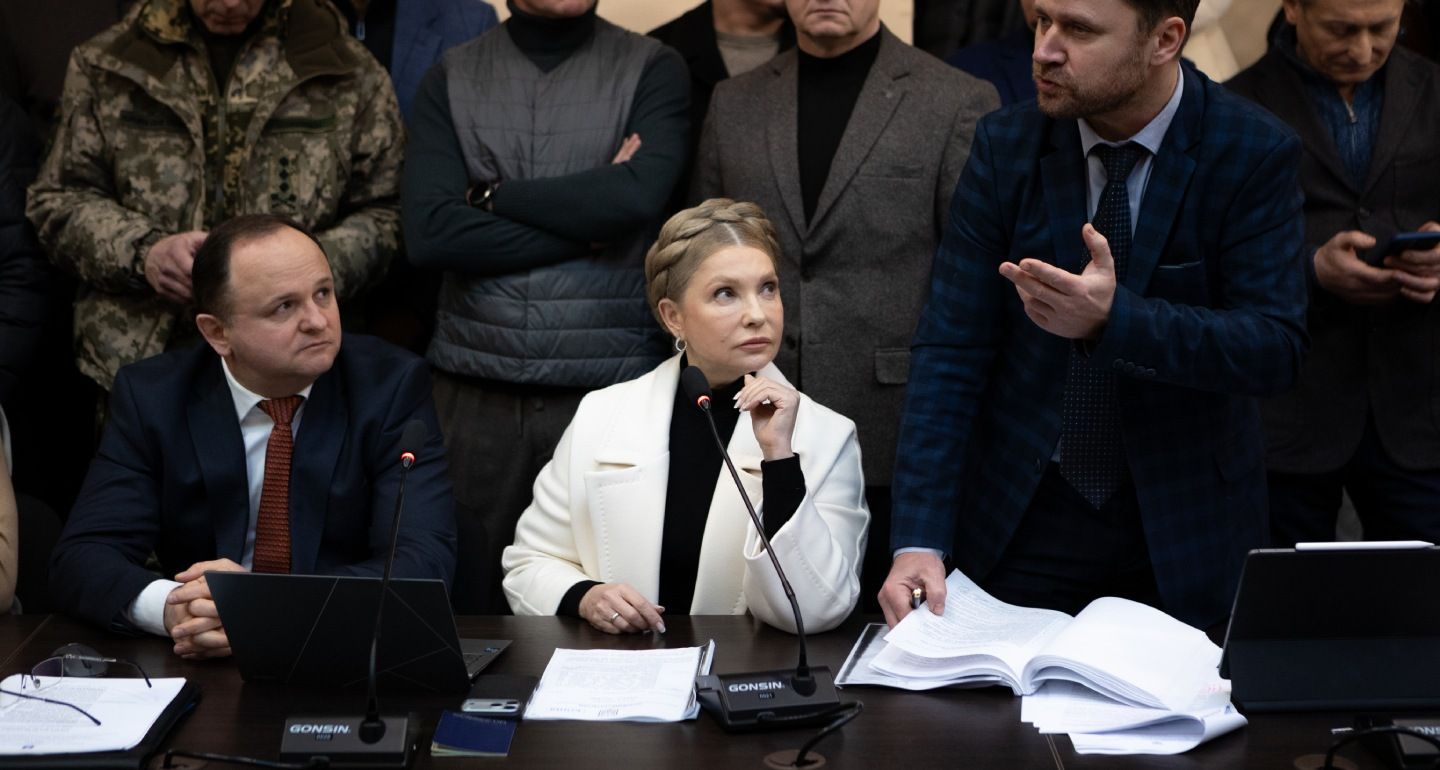
The story of a has-been politician apparently caught red-handed is intersecting with the larger forces at work in the Ukrainian parliament.

Konstantin Skorkin
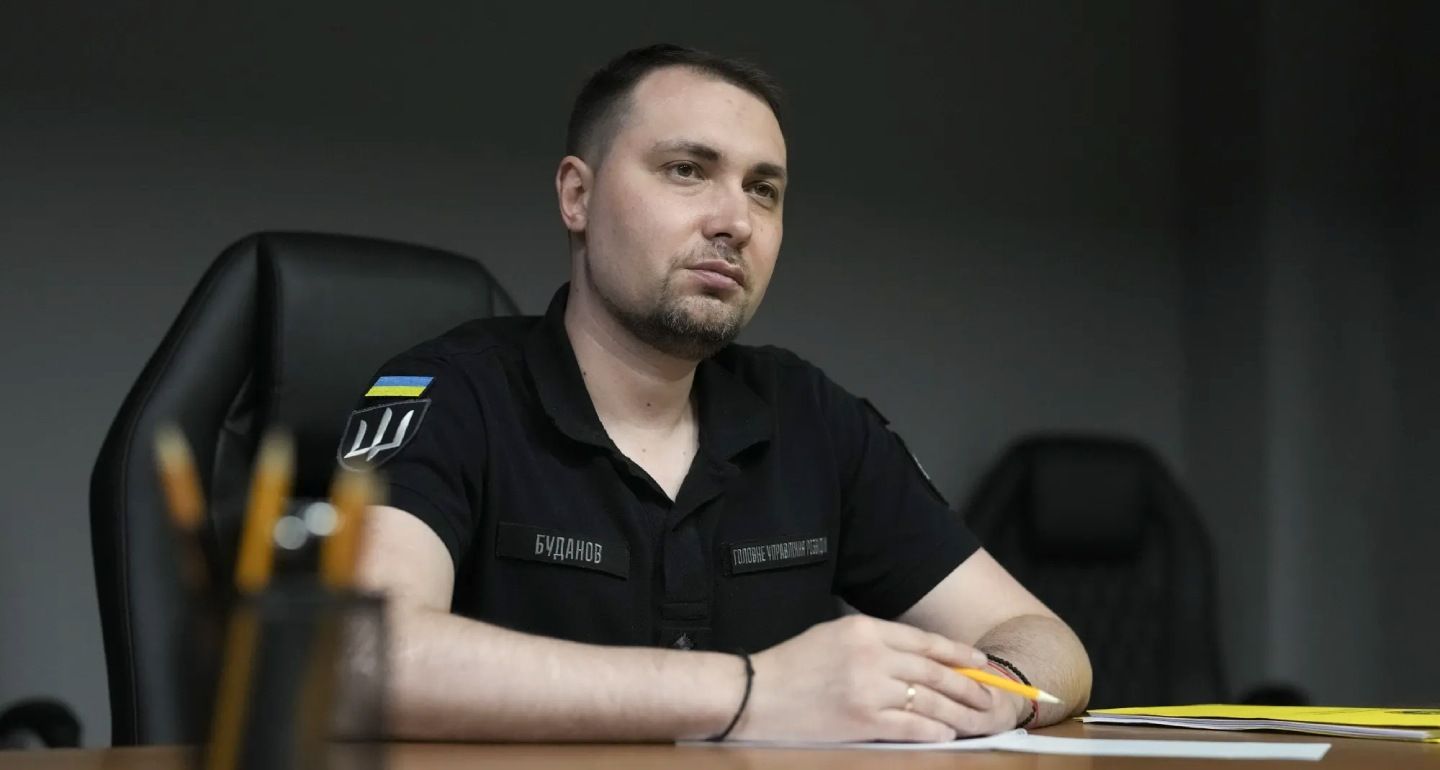
While appointing Kyrylo Budanov will help shore up Zelensky’s political authority and balance the president’s inner circle, the spy chief’s political ambitions mean he could be a threat.
Konstantin Skorkin
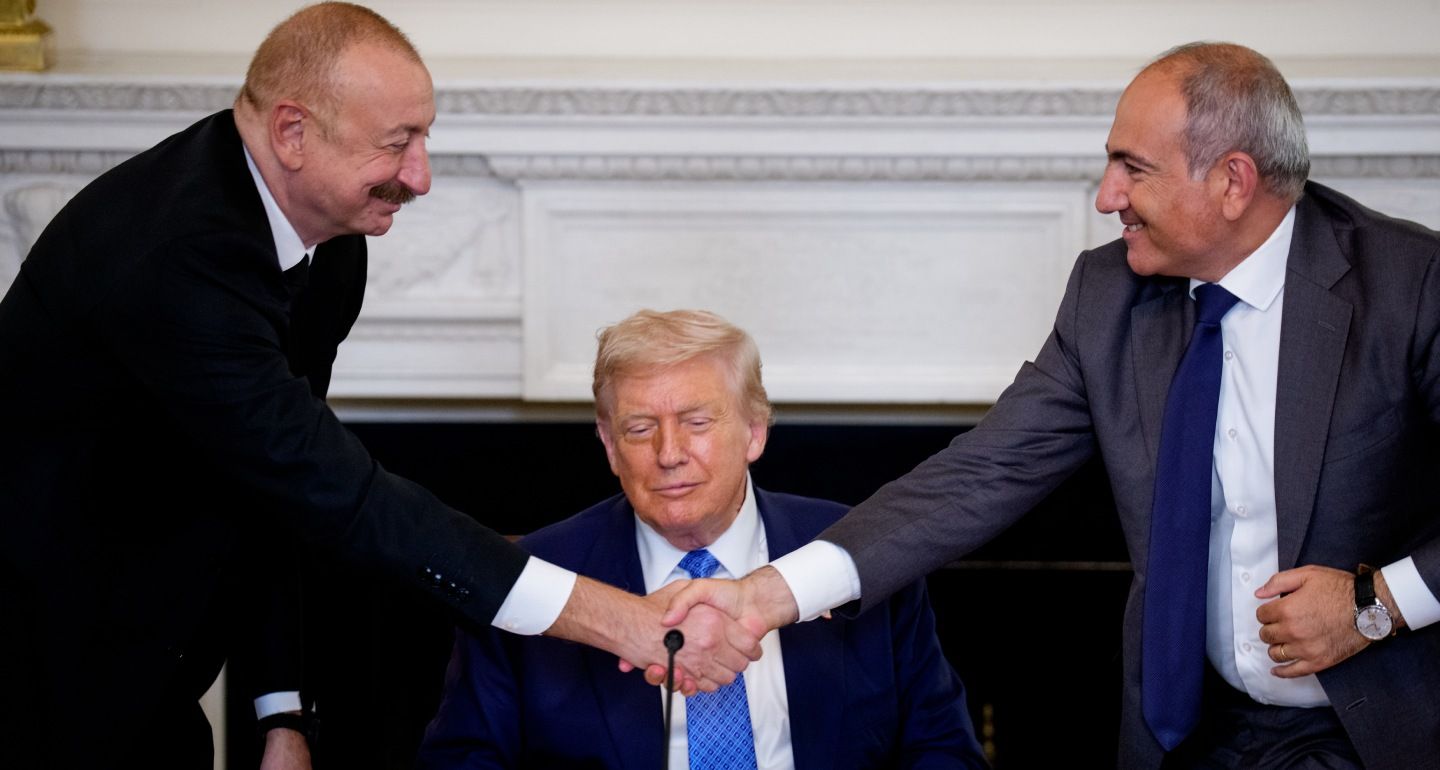
While signaling internationally that it wants peace, the Azerbaijani regime continues to promote anti-Armenian sentiment at home to mobilize domestic support.

Bashir Kitachaev

In an attempt to stop Ukrainian drones from reaching their targets, the Russian authorities have significantly ramped up online repression.

Maria Kolomychenko