

Research
- +11
Frances Z. Brown, Nate Reynolds, Priyal Singh, …
{
  "authors": [
    "Andrew S. Weiss"
  ],
  "type": "legacyinthemedia",
  "centerAffiliationAll": "dc",
  "centers": [
    "Carnegie Endowment for International Peace",
    "Malcolm H. Kerr Carnegie Middle East Center",
    "Carnegie Russia Eurasia Center"
  ],
  "collections": [],
  "englishNewsletterAll": "ctw",
  "nonEnglishNewsletterAll": "",
  "primaryCenter": "Carnegie Endowment for International Peace",
  "programAffiliation": "russia",
  "programs": [
    "Russia and Eurasia"
  ],
  "projects": [
    "Eurasia in Transition"
  ],
  "regions": [
    "North America",
    "United States",
    "Middle East",
    "Syria",
    "Russia",
    "Levant"
  ],
  "topics": [
    "Political Reform",
    "Security",
    "Foreign Policy",
    "Global Governance"
  ]
}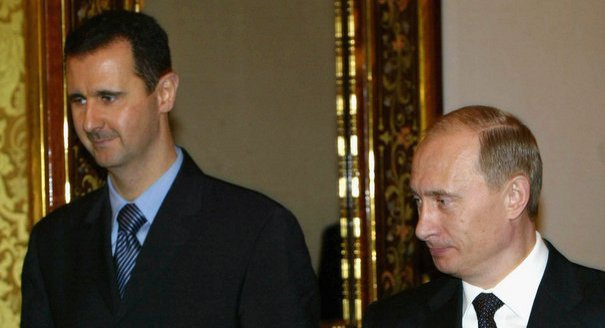
Source: Getty
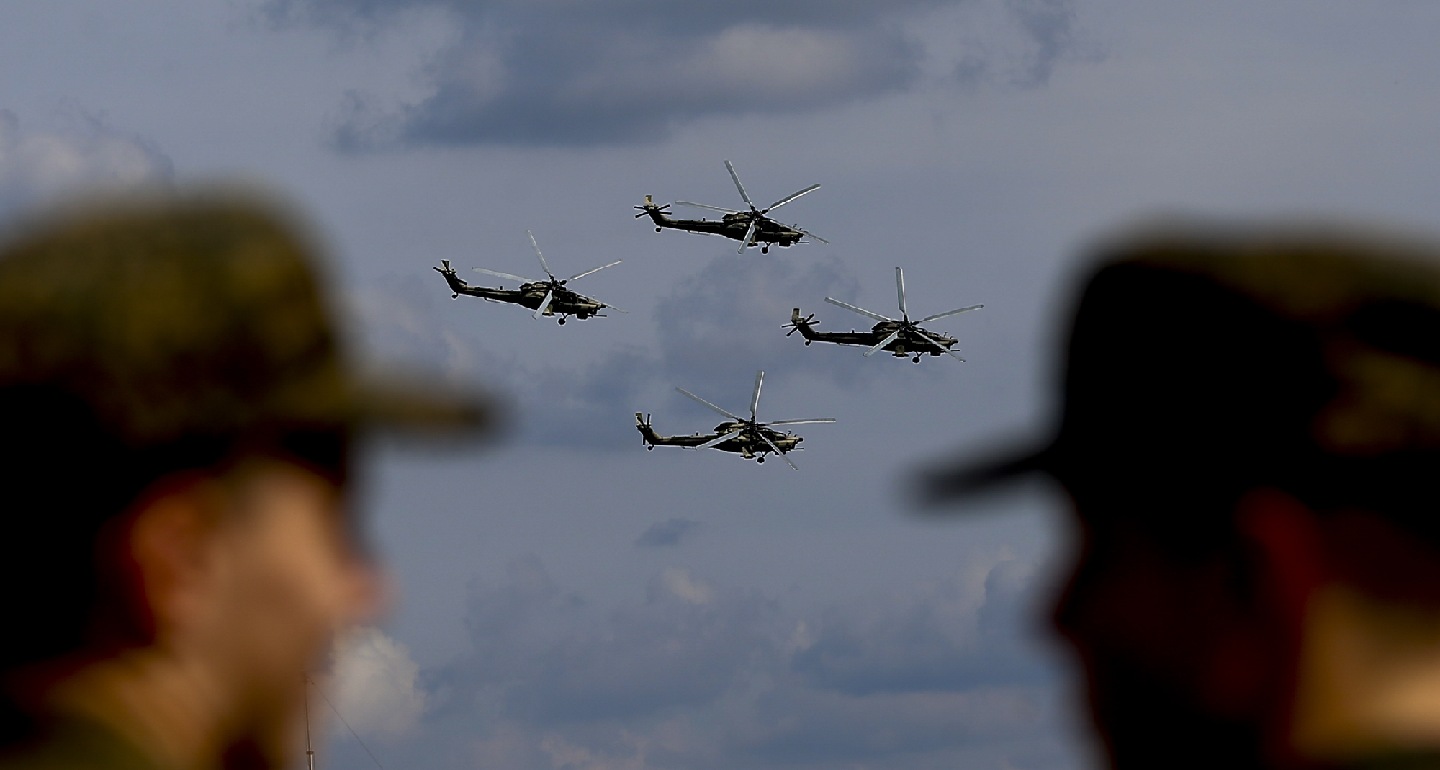
Russia’s position on Syria is based in large part on Moscow’s concerns about the political repercussions of intervention. At the G20 Summit, Vladimir Putin attempted to create a de facto referendum on intervention.
Source: WBEZ’s Worldview
Speaking on WBEZ Worldwide, Carnegie’s Andrew Weiss explained that Russia’s position on Syrian intervention has several origins: worries about the precedent created by a possible U.S. intervention, Russia’s greater sympathy for Shia Muslims, and concerns about Syria’s possible collapse and the shockwaves such an event would create. He explained that Russian President Vladimir Putin’s placing of Syria on the agenda at the G20 Summit was an attempt to create a referendum on Syrian intervention, much like the one carried out in the British parliament. Weiss cast doubt on the idea that the United States’ possible failure to intervene in Syria would be a major win for Putin, noting that foreign policy issues have a low salience in Russian society.

James Family Chair, Vice President for Studies
Andrew S. Weiss is the James Family Chair and vice president for studies at the Carnegie Endowment for International Peace, where he oversees research on Russia, Ukraine, and Eurasia. His graphic novel biography of Vladimir Putin, Accidental Czar: the Life and Lies of Vladimir Putin, was published by First Second/Macmillan in 2022.
Recent Work

Frances Z. Brown, Nate Reynolds, Priyal Singh, …

James M. Acton, Saskia Brechenmacher, Cecily Brewer, …
Carnegie does not take institutional positions on public policy issues; the views represented herein are those of the author(s) and do not necessarily reflect the views of Carnegie, its staff, or its trustees.
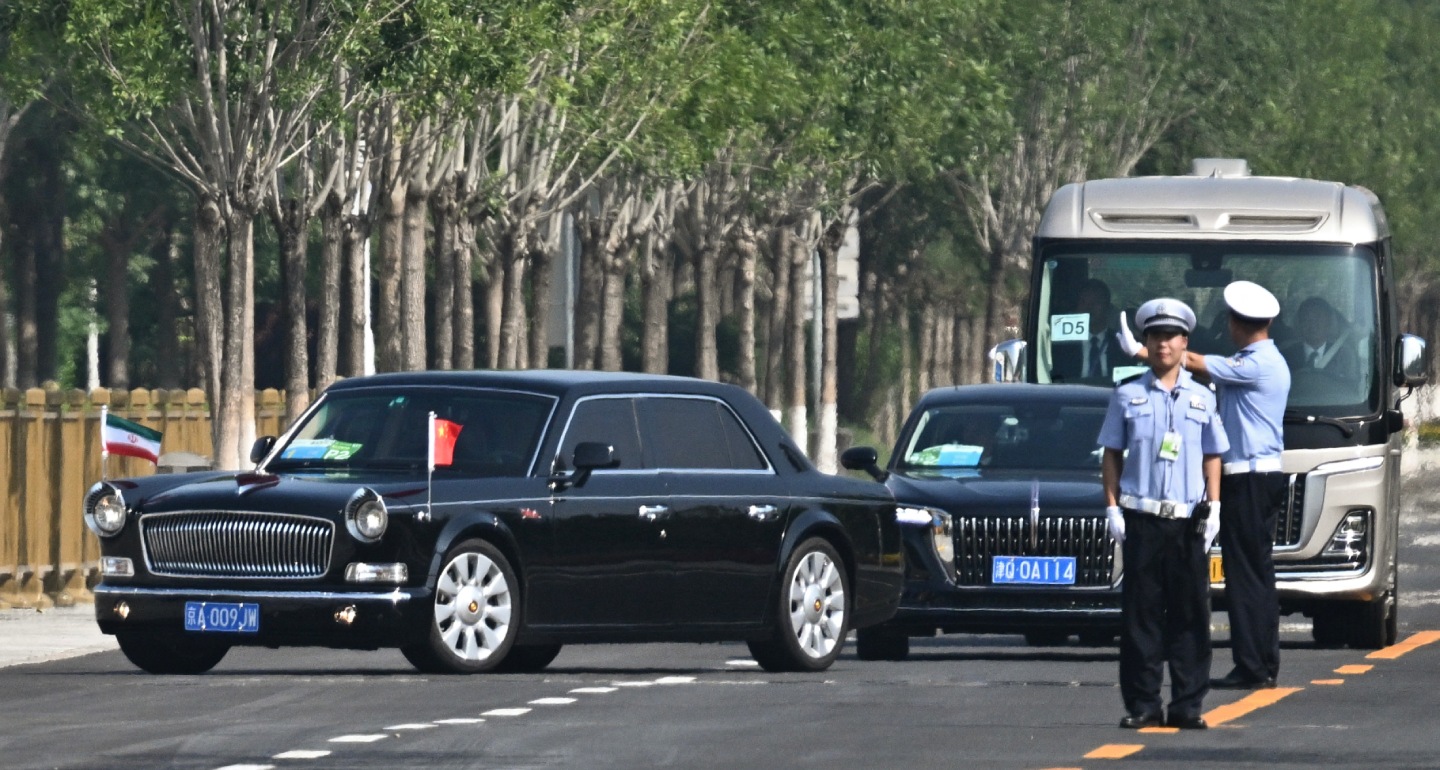
Most of Moscow’s military resources are tied up in Ukraine, while Beijing’s foreign policy prioritizes economic ties and avoids direct conflict.


Alexander Gabuev, Temur Umarov
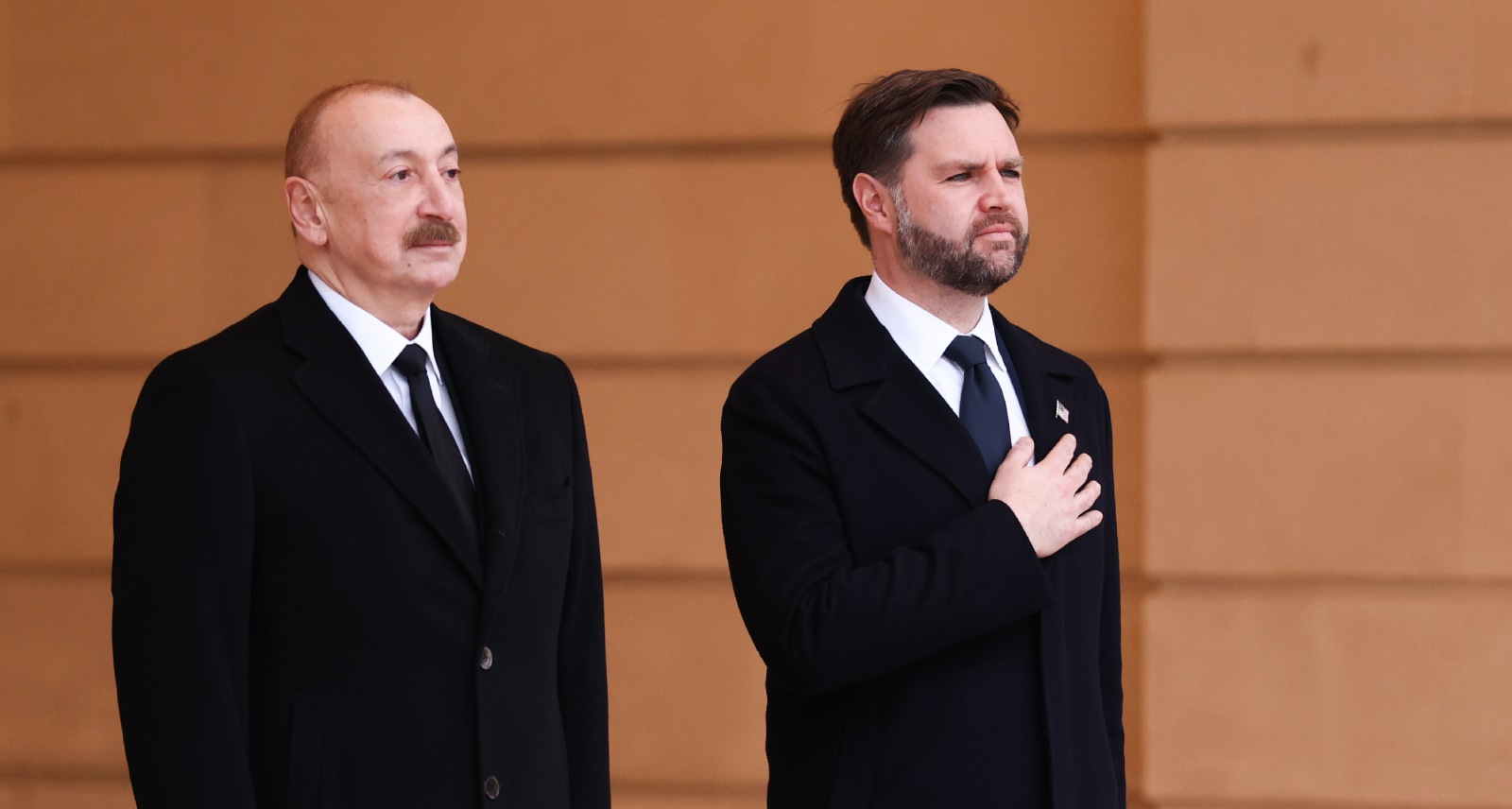
With the White House only interested in economic dealmaking, Georgia finds itself eclipsed by what Armenia and Azerbaijan can offer.

Bashir Kitachaev
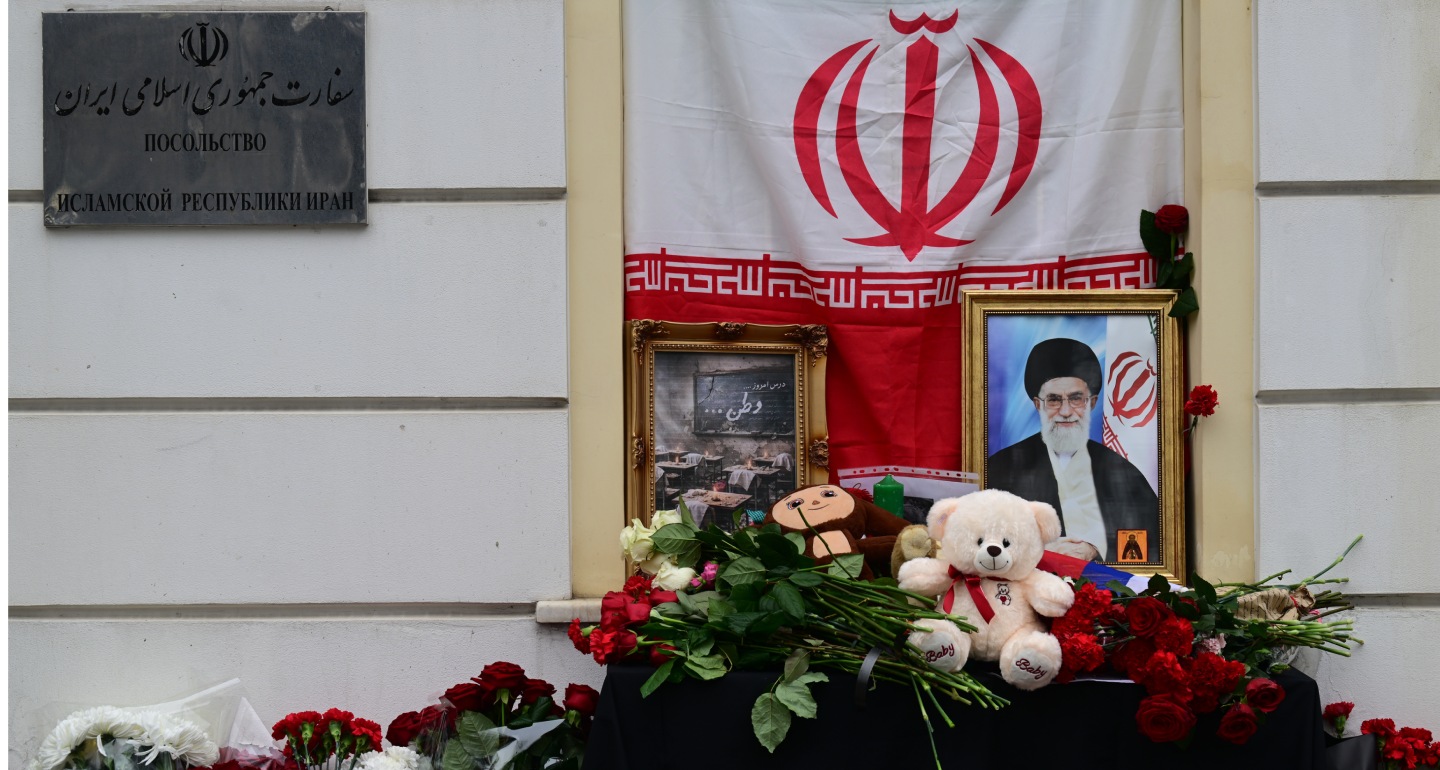
If the regime in Tehran survives, it could be obliged to hand Moscow significant political influence in exchange for supplies of weapons and humanitarian aid.

Nikita Smagin
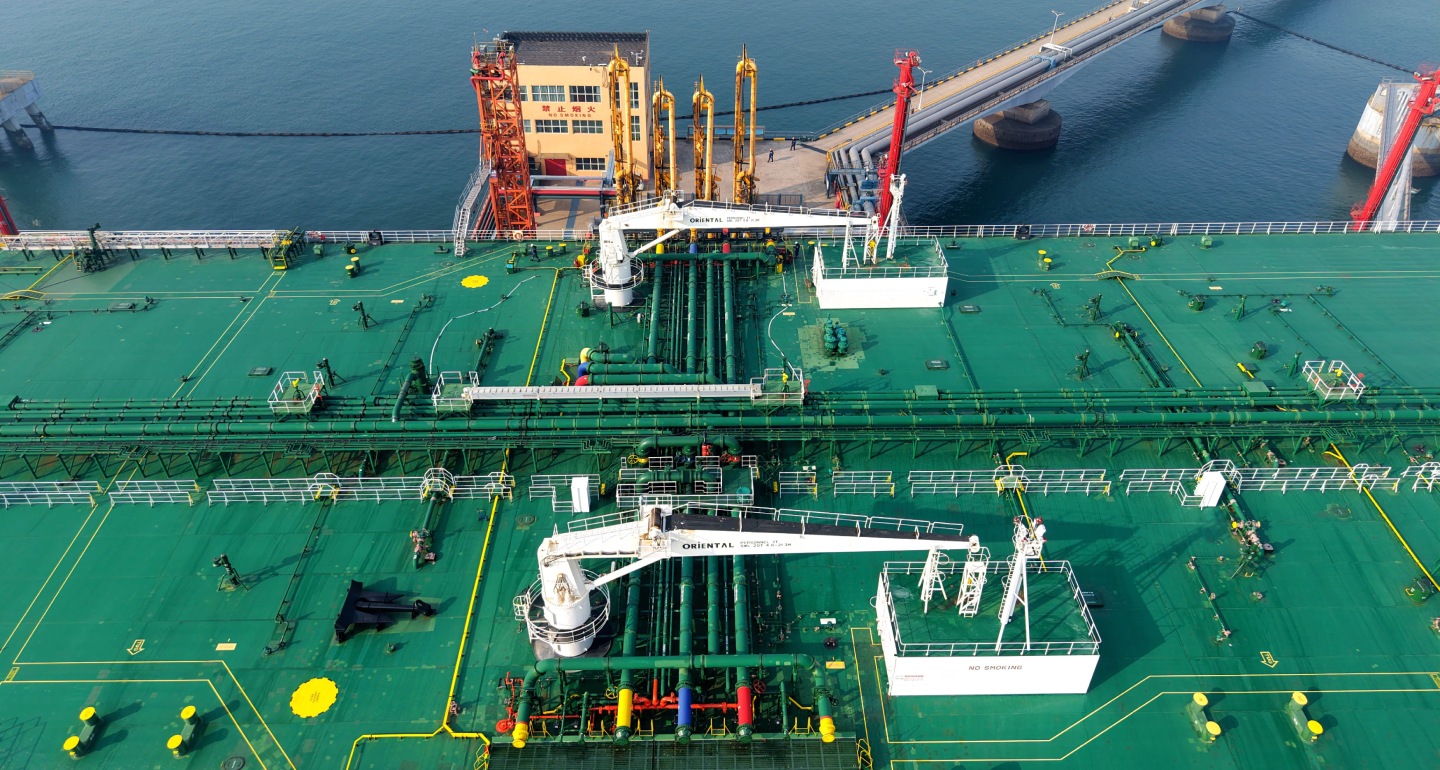
The interventions in Iran and Venezuela are in keeping with Trump’s strategy of containing China, but also strengthen Russia’s position.

Mikhail Korostikov
Arms supplies from Russia to Iran will not only continue, but could grow significantly if Russia gets the opportunity.
Nikita Smagin