

Commentary
The supposed threats from China and Russia pose far less of a danger to both Greenland and the Arctic than the prospect of an unscrupulous takeover of the island.
Andrei Dagaev
{
  "authors": [
    "Matt Ferchen"
  ],
  "type": "legacyinthemedia",
  "centerAffiliationAll": "",
  "centers": [
    "Carnegie Endowment for International Peace",
    "Carnegie China"
  ],
  "collections": [
    "China and the Developing World",
    "China’s Foreign Relations"
  ],
  "englishNewsletterAll": "",
  "nonEnglishNewsletterAll": "",
  "primaryCenter": "Carnegie China",
  "programAffiliation": "",
  "programs": [],
  "projects": [],
  "regions": [
    "Southern, Eastern, and Western Africa",
    "East Asia",
    "China"
  ],
  "topics": [
    "Economy"
  ]
}
Understanding China’s investment in Africa through One Belt, One Road requires a familiarity with the country’s broader foreign policy and trade agendas.
Source: China Africa Project
Four years after the establishment of China’s One Belt, One Road (OBOR) initiative, investment in infrastructure projects on the African continent are beginning to gather steam. Countries in East Africa, including Kenya, Djibouti, and Tanzania, have played host to the first of China’s projects under the broader OBOR investment plan. While the initiative has been viewed by many as a demonstration of President Xi Jinping’s increasingly assertive foreign policy, it is in fact part of China’s “peaceful development” foreign policy agenda.
Carnegie–Tsingua’s Matt Ferchen joins Eric Olander and Cobus van Staden to discuss the strides OBOR investment has made in Africa and the potential for projects on the horizon.
This podcast was originally broadcasted by the China-Africa Project.
Carnegie does not take institutional positions on public policy issues; the views represented herein are those of the author(s) and do not necessarily reflect the views of Carnegie, its staff, or its trustees.
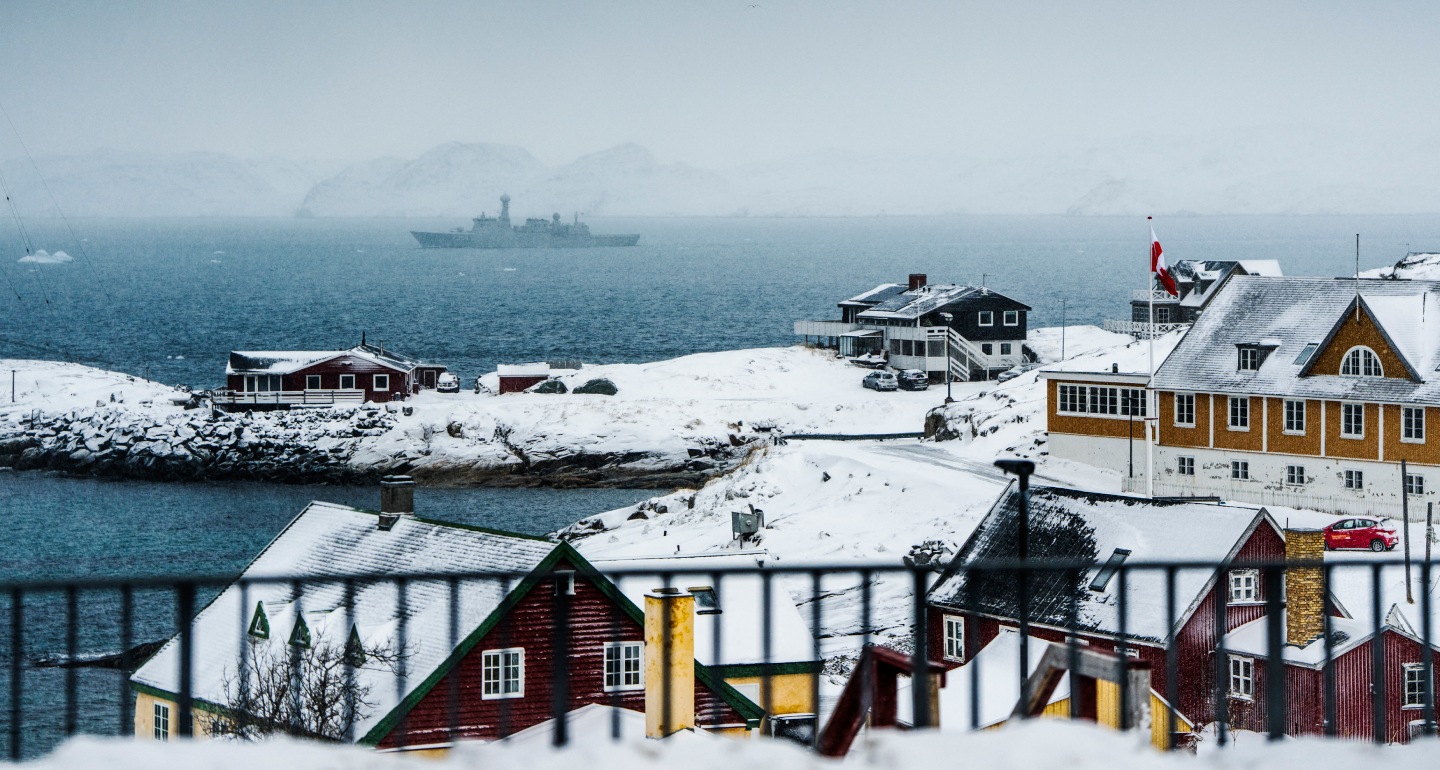
The supposed threats from China and Russia pose far less of a danger to both Greenland and the Arctic than the prospect of an unscrupulous takeover of the island.

Andrei Dagaev
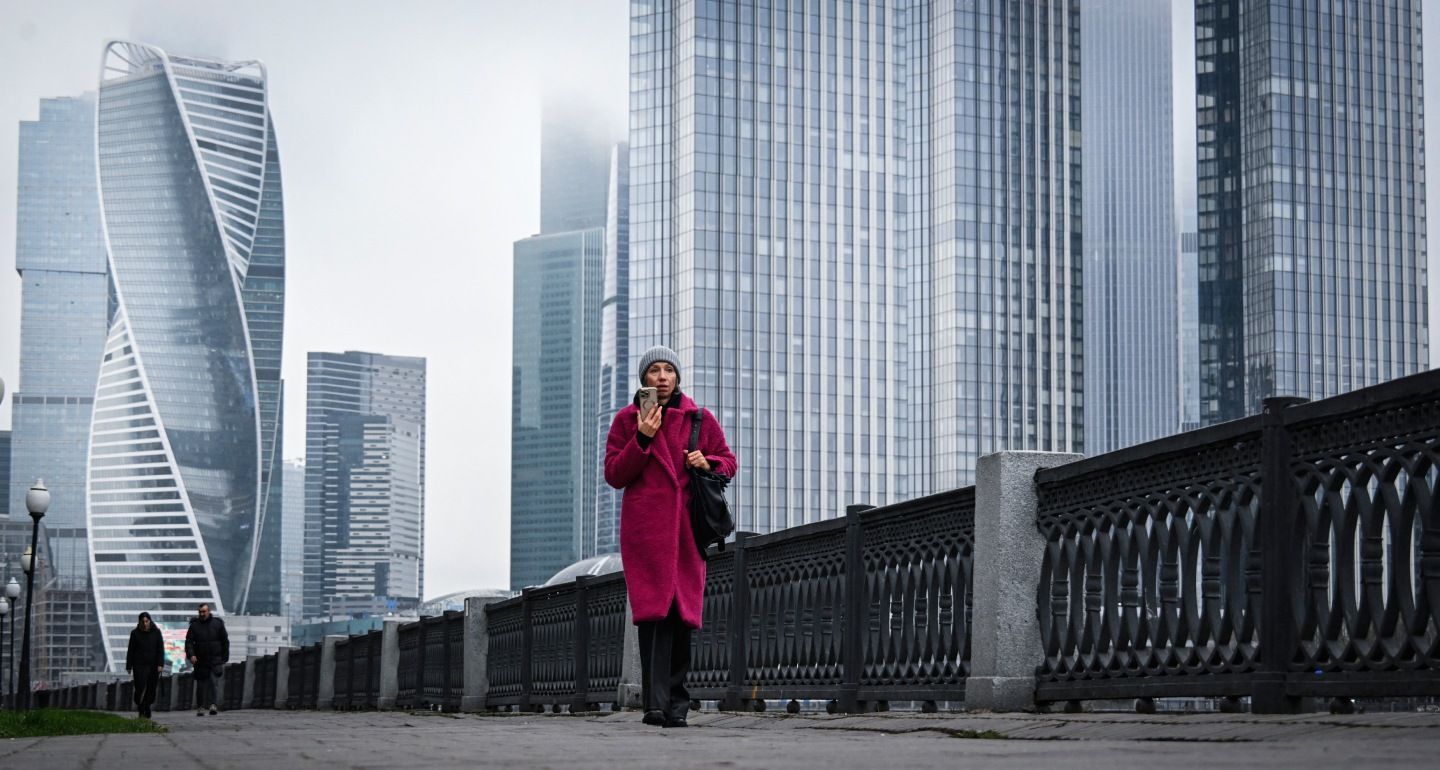
The paradox of the European Commission’s decision is that the main victims will not be those it formally targets. Major Russian businesses associated with the Putin regime have long adapted to sanctions with the help of complex schemes involving third countries, offshore companies, and nonpublic entities.
Alexandra Prokopenko
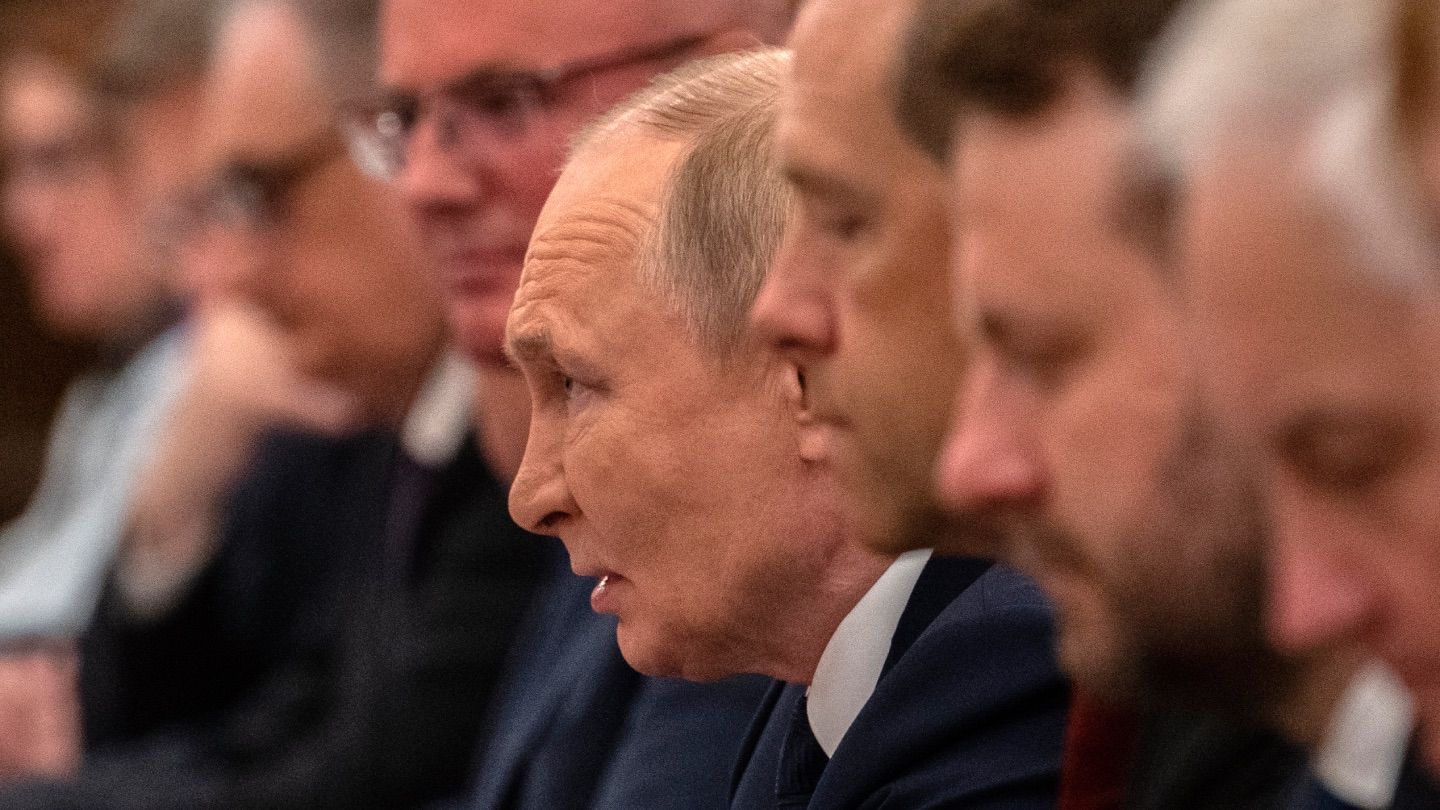
A new book by Alexandra Prokopenko looks at why the Russian ruling class became the regime’s willing servants—and how they might fare in a post-Putin world.
Vladislav Gorin
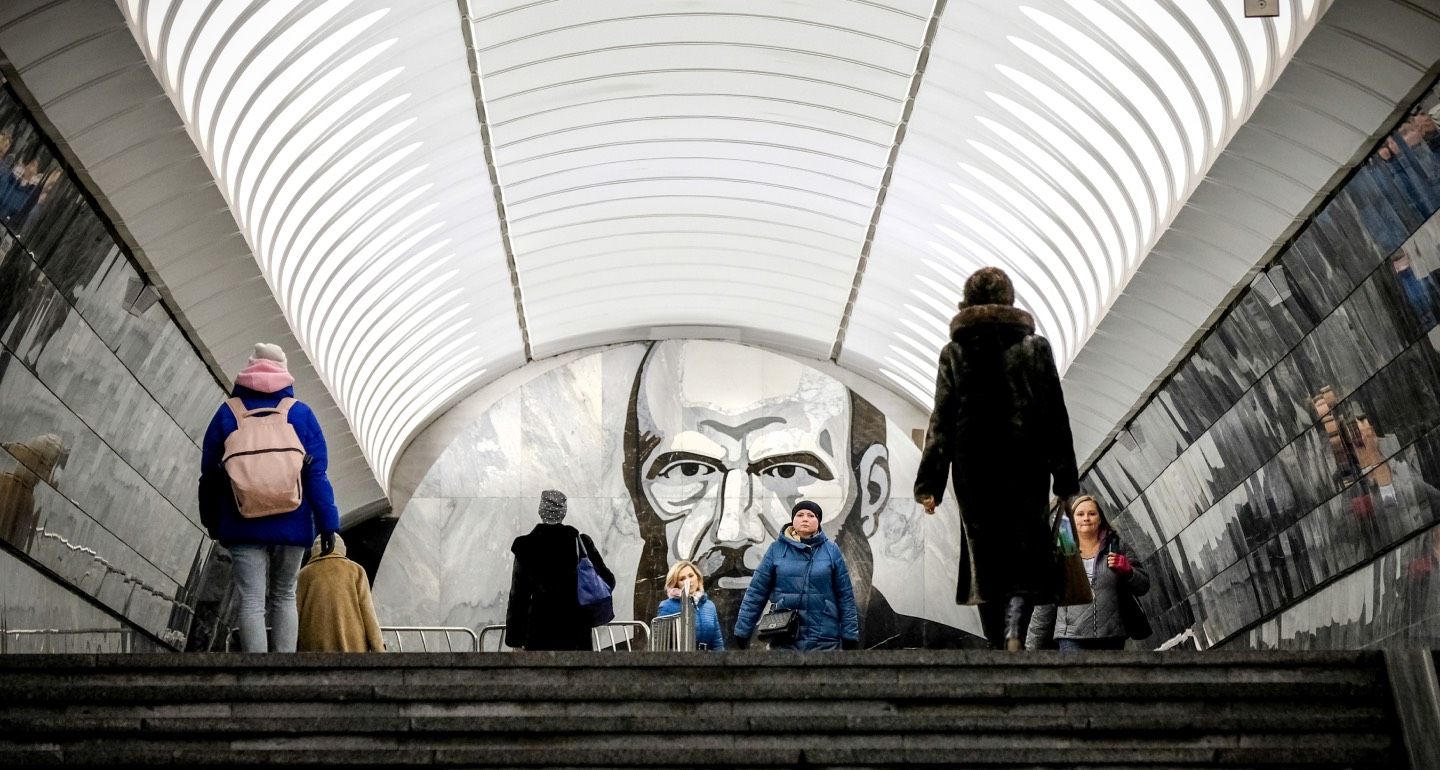
The volume of frozen private assets might seem insignificant compared with Russia’s sovereign reserves, but these are the savings of millions of people who believed that foreign securities were a safe investment and in the institution of private property.
Yulia Starostina
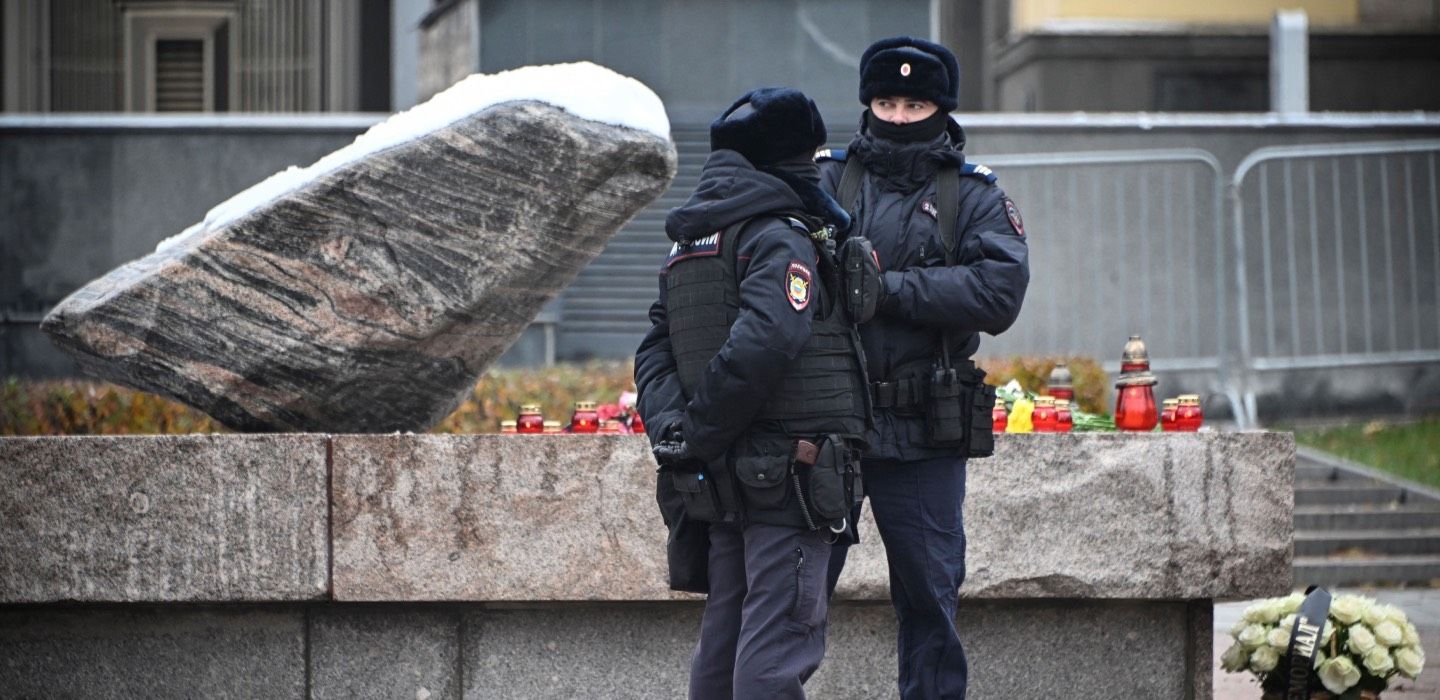
International compliance and anti-money laundering standards are currently formulated in such a way that the Western financial system does not differentiate between Russian political prisoners and ISIS militants.
Alexandra Prokopenko