

Commentary
The supposed threats from China and Russia pose far less of a danger to both Greenland and the Arctic than the prospect of an unscrupulous takeover of the island.
Andrei Dagaev
{
  "authors": [
    "Balázs Jarábik"
  ],
  "type": "legacyinthemedia",
  "centerAffiliationAll": "",
  "centers": [
    "Carnegie Endowment for International Peace"
  ],
  "collections": [],
  "englishNewsletterAll": "",
  "nonEnglishNewsletterAll": "",
  "primaryCenter": "Carnegie Endowment for International Peace",
  "programAffiliation": "",
  "programs": [
    "Russia and Eurasia"
  ],
  "projects": [],
  "regions": [
    "Russia",
    "Eastern Europe",
    "Ukraine"
  ],
  "topics": [
    "Foreign Policy"
  ]
}
Kiev is pursuing a tried and tested approach to the conflict in eastern Ukraine: stalling for time. A political settlement is distant, despite speculation to the contrary.
Source: Moscow Times
The status quo in Donbass is unsustainable. But a political settlement still seems distant — despite renewed speculation to the contrary.
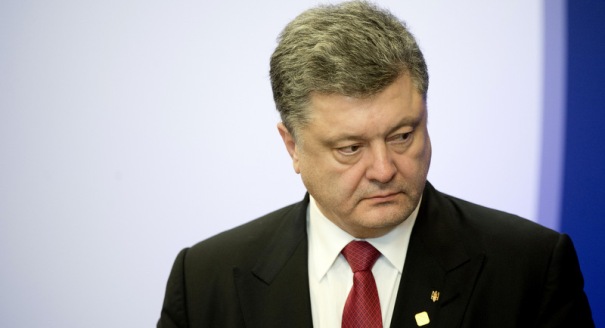
Whatever noise it may make, Kiev is pursuing a tried and tested approach to the conflict: stalling for time. The perverse reality is that Ukraine’s president, Petro Poroshenko, benefits politically from the conflict. Russian aggression and regular flareups are important to marshal international solidarity and crucial financial support. Separatist-generated violence is also the best antidote when Western diplomats try to nudge Kiev toward controversial political settlements.
Kiev is keen to preserve transatlantic unity on sanctions and is no doubt encouraged by signals from the foreign policy establishment in both the EU and the U.S., which suggest there is mounting pressure on the White House to pursue a more sensible policy toward Russia. A bipartisan group of U.S. Senators recently introduced the Russia Sanctions Review Act of 2017, which seeks to tie President Trump’s hands on sanctions relief.
For its part, Moscow has made clear that military force will remain on the table until Kiev engages in genuine dialogue with the separatists. The large, newly-built Russian military bases just over the border make this signal unambiguous.
At the same time, the Kremlin knows that the self-proclaimed People’s Republics do not enjoy the political identity or economic viability that would make them sustainable as separate entities. Leading rebel military commanders continue to be eliminated, presumably at the hands of Russian special services. These changes could be seen as steps towards a political settlement.
But the “no compromises” attitude held by Ukrainian leadership sticks. It may prove to be a misreading of the situation. While the Minsk Agreements are certainly unpopular in Ukraine, peace is not.
The Minsk Agreements do not formally validate Russia’s objectives, such as ensuring Ukraine becomes a neutral buffer against NATO expansion, or an easily manipulable federal entity.
Provisions concerning the autonomy and status of the Russian language in Donbass are also a far cry from earlier goals. But the roots of Kiev’s mistrust are not hard to understand.
What is far less clear is whether the financial costs of reintegrating Donbass into Ukraine proper would be manageable. An audit of the Minsk Agreements by Ukrainian think tanks estimates that $1.5 billion is needed to facilitate an economic recovery of the occupied territories, out of which $1.2 billion would be used for rebuilding infrastructure. Subsidies would also have to increase significantly in the event of reintegration.
The public is divided, and Ukrainian politics are notoriously messy. A new government-authored plan for reintegration faces fierce parliamentary opposition. Veterans of Ukrainian volunteer battalions have initiated a blockade of the occupied territories, which has already led to shortages of anthracite coal coming from Donbass, and sets the stage for more serious energy headaches.
The political incentives are more attractive: preventing Donbass’s reintegration means not having to reckon with four million war-torn voters.
Resisting Russia has become part of post-Maidan Ukraine`s identity, and reintegrating Donbass looks like a Russian Trojan horse for many Ukrainians. No wonder that, as the International Crisis Group wrote in its December 2016 report, Kiev’s main tactic in the confrontation with Russia is procrastination.
President Poroshenko has used the same delaying tactics in reforms and fighting corruption. If Kiev feels vulnerable, the president could hold early elections in 2017. Given that the patriotic-minded electorate is the most organized in Ukraine, a new Rada would almost certainly continue to embrace the same old status quo.
The West’s options in this situation are far from ideal. The best bet is to apply necessary pressure for Kiev to comply with Minsk and engage seriously in the OSCE-led talks in Minsk and the German and French-led Normandy process.
The name of the game is incremental steps — bolstering the fraying ceasefire agreement, heavy weapons withdrawal, implementing the so-called disengagement zones, and prisoner exchanges.
By focusing on “low politics,” not the promise of an unrealistic, dramatic breakthrough, the West can continue to work diligently with Ukraine to stabilize the ceasefire and keep the region moving toward peace. More serious pressure, as both the West and Kiev are aware, may only make Ukraine more fragile.
Carnegie does not take institutional positions on public policy issues; the views represented herein are those of the author(s) and do not necessarily reflect the views of Carnegie, its staff, or its trustees.
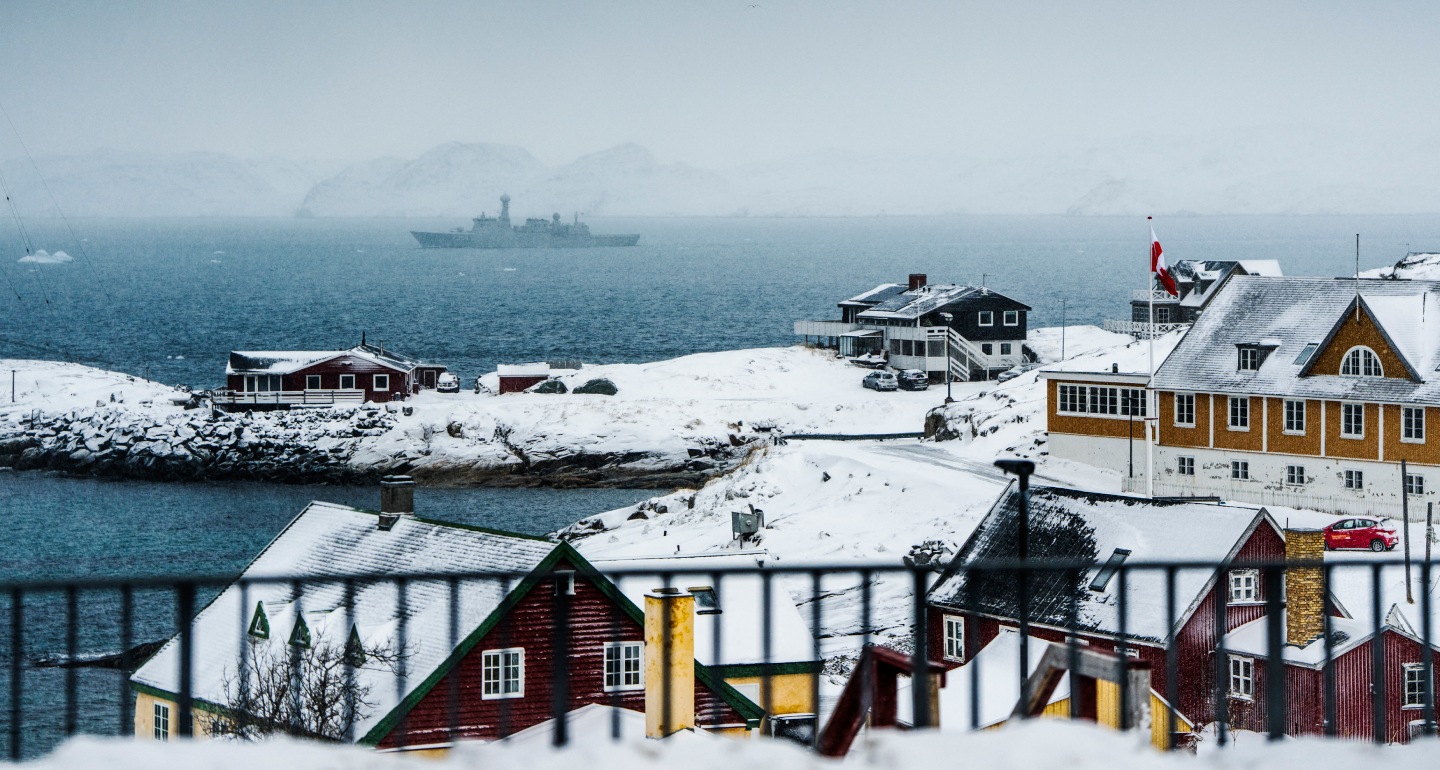
The supposed threats from China and Russia pose far less of a danger to both Greenland and the Arctic than the prospect of an unscrupulous takeover of the island.

Andrei Dagaev
Western negotiators often believe territory is just a bargaining chip when it comes to peace in Ukraine, but Putin is obsessed with empire-building.
Andrey Pertsev
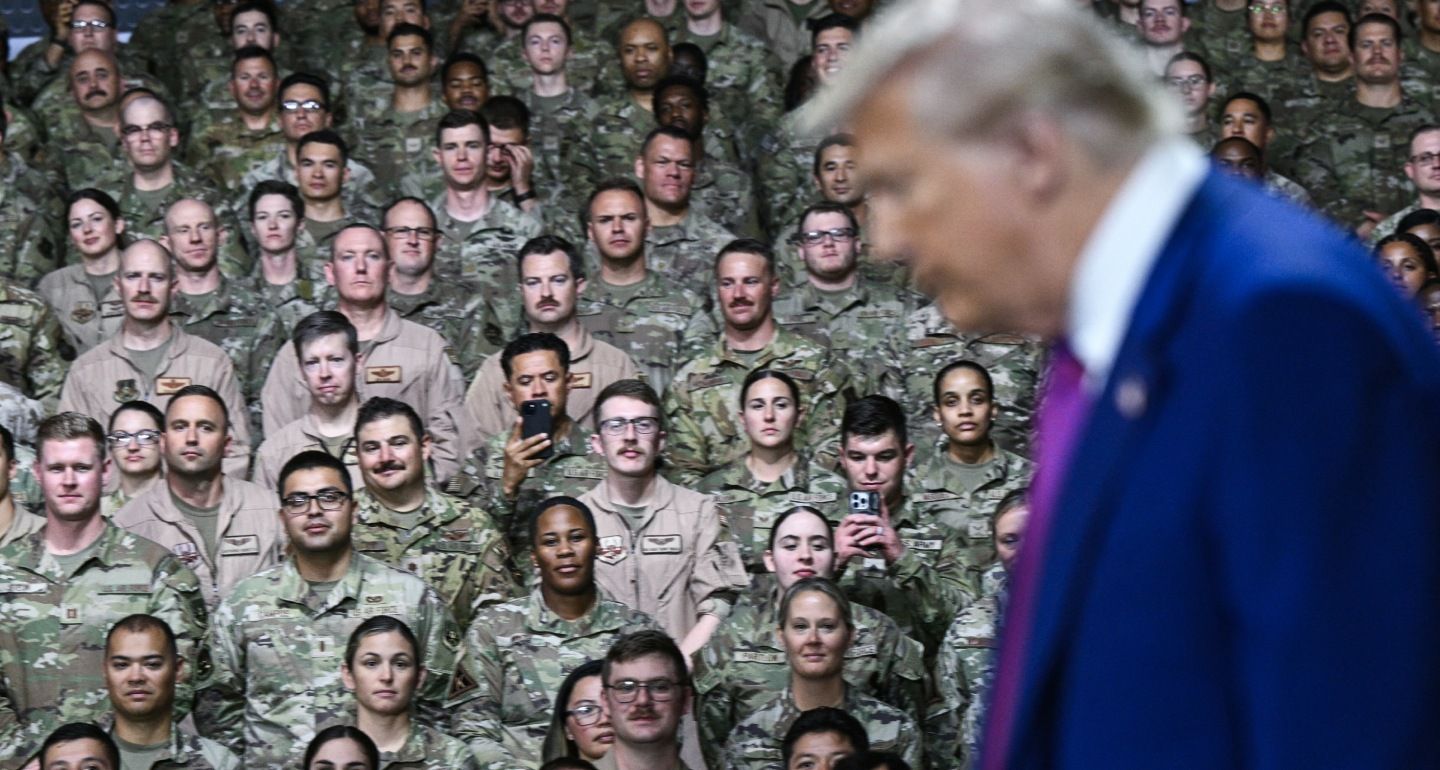
Unexpectedly, Trump’s America appears to have replaced Putin’s Russia’s as the world’s biggest disruptor.
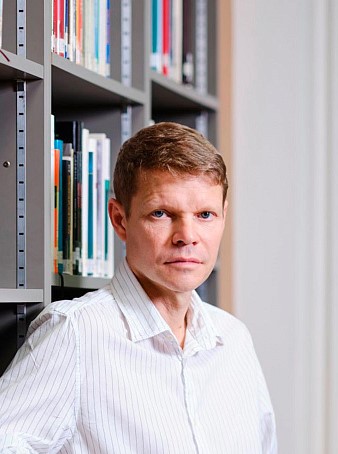
Alexander Baunov
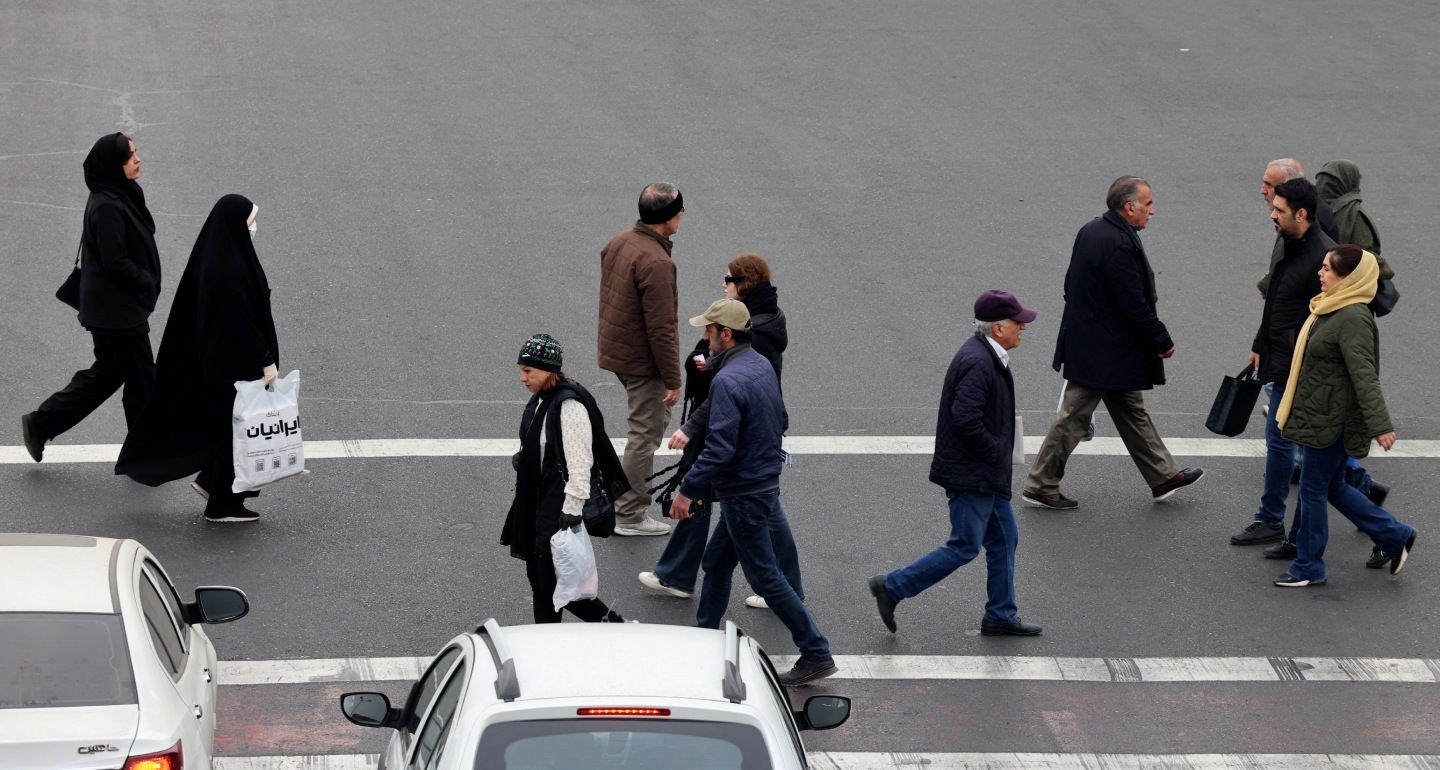
Baku may allow radical nationalists to publicly discuss “reunification” with Azeri Iranians, but the president and key officials prefer not to comment publicly on the protests in Iran.

Bashir Kitachaev
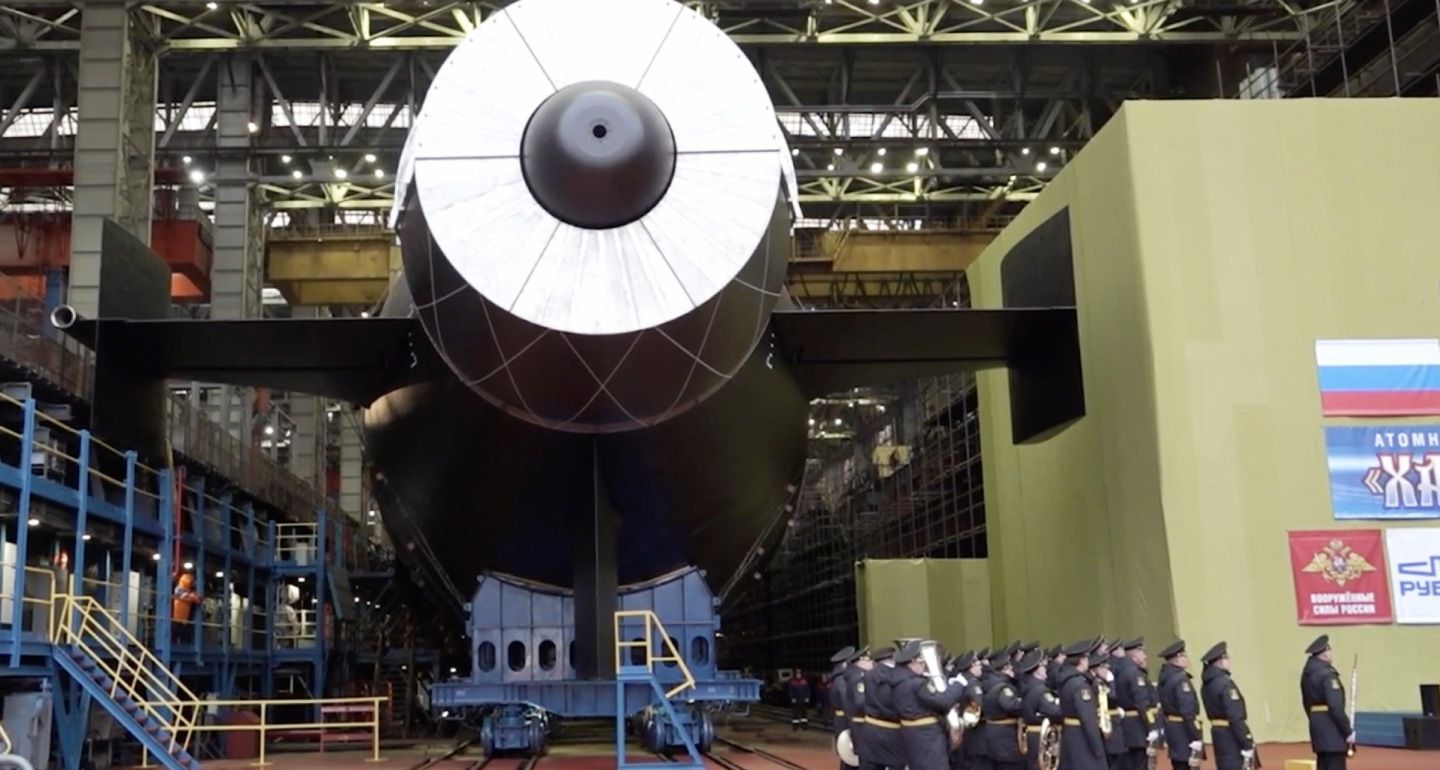
The Kremlin will only be prepared to negotiate strategic arms limitations if it is confident it can secure significant concessions from the United States. Otherwise, meaningful dialogue is unlikely, and the international system of strategic stability will continue to teeter on the brink of total collapse.
Maxim Starchak