
• Research
  • Politika
  • About
Carnegie Russia Eurasia center logoCarnegie lettermark logo
  • Donate
{
  "authors": [
    "Matt Ferchen"
  ],
  "type": "other",
  "centerAffiliationAll": "",
  "centers": [
    "Carnegie Endowment for International Peace",
    "Carnegie China"
  ],
  "collections": [
    "China and the Developing World",
    "China’s Foreign Relations"
  ],
  "englishNewsletterAll": "",
  "nonEnglishNewsletterAll": "",
  "primaryCenter": "Carnegie China",
  "programAffiliation": "",
  "programs": [],
  "projects": [],
  "regions": [],
  "topics": [
    "Economy"
  ]
}

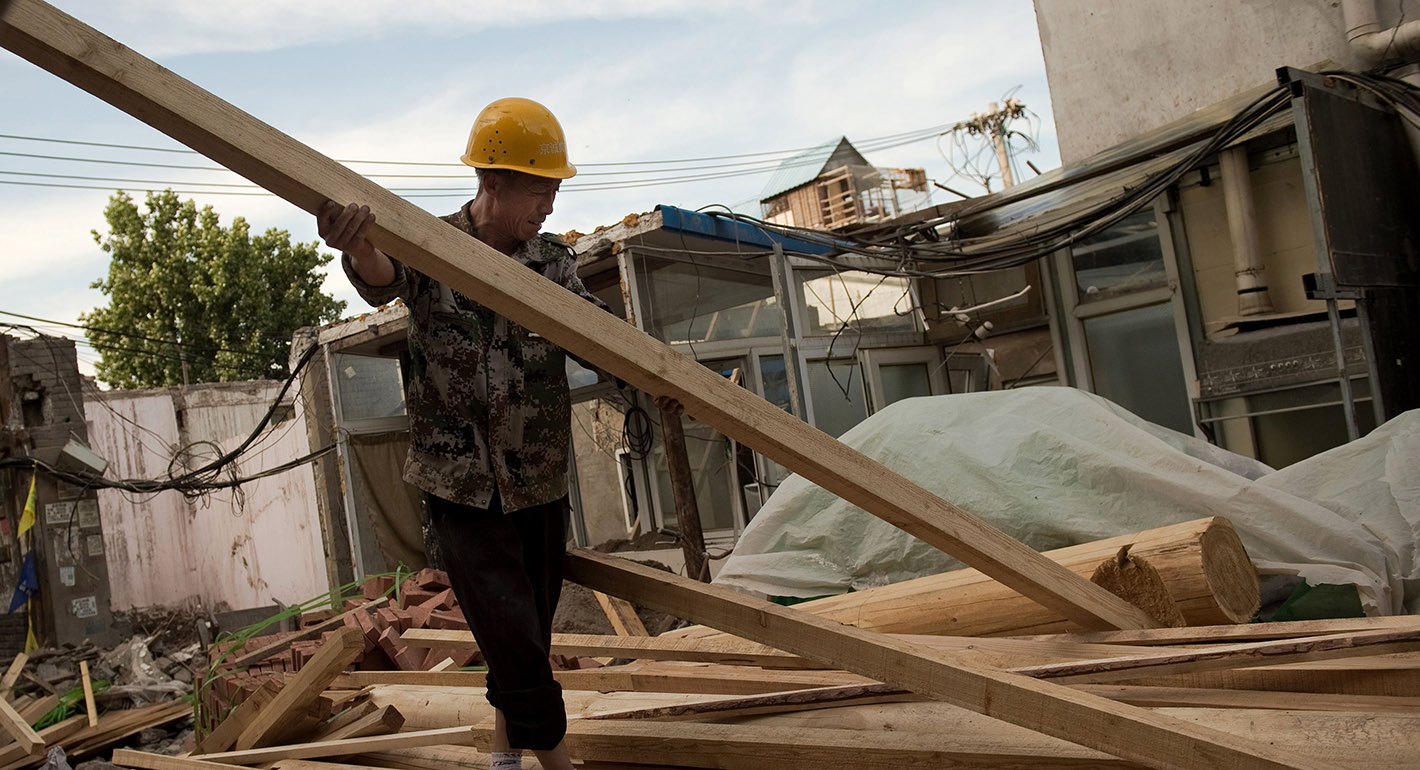
Source: Getty

Other
Carnegie China

China’s Belt and Road Initiative in Latin America and the Caribbean

The recent expansion of China’s Belt and Road Initiative into Latin America and the Caribbean (LAC) is unlikely to bring fundamental change to China–LAC economic relations. It may, however, catalyze a more volatile LAC–China–US geopolitical relationship.

Link Copied
By Matt Ferchen
Published on Dec 20, 2018

Source: International Institute of Strategic Studies

Until quite recently, Chinese officials claimed that Latin America and the Caribbean (LAC) were beyond the central geographic scope of both the continental Eurasian “belt” and the Asian and African maritime “road.” From 2017, however, an increasing number of countries in South and Central America, as well as in the Caribbean, have signed BRI-related memoranda of understanding and announced related business deals, signaling that the BRI has now extended to the Americas. Nevertheless, despite the hype and anxiety surrounding the BRI’s apparent extension to the region, it remains unclear whether its rollout there will change entrenched patterns, challenges and dysfunctions in the China–LAC relationship or merely deepen them. Moreover, at a time of growing U.S.-China strategic rivalry, the expansion of BRI-themed dealmaking in LAC is already playing into growing great power competition and tension.

This article is a publication of Strategic Comments at the International Institute of Strategic Studies and is available here.

Matt Ferchen
Former Nonresident Scholar, Carnegie-Tsinghua Center for Global Policy
Matt Ferchen
Economy

Carnegie does not take institutional positions on public policy issues; the views represented herein are those of the author(s) and do not necessarily reflect the views of Carnegie, its staff, or its trustees.

More Work from Carnegie Russia Eurasia Center

  • Commentary
    Carnegie Politika
    Including Russia on the EU Financial Blacklist Will Hurt Ordinary People, Not the Kremlin

    The paradox of the European Commission’s decision is that the main victims will not be those it formally targets. Major Russian businesses associated with the Putin regime have long adapted to sanctions with the help of complex schemes involving third countries, offshore companies, and nonpublic entities.

      Alexandra Prokopenko
  • Commentary
    Carnegie Politika
    Why Didn’t the Ukraine War Turn Russia’s Ruling Class Against Putin?

    A new book by Alexandra Prokopenko looks at why the Russian ruling class became the regime’s willing servants—and how they might fare in a post-Putin world.

      Vladislav Gorin

  • Commentary
    Carnegie Politika
    Collateral Damage: The Frozen Foreign Assets of Middle-Class Russians

    The volume of frozen private assets might seem insignificant compared with Russia’s sovereign reserves, but these are the savings of millions of people who believed that foreign securities were a safe investment and in the institution of private property.

      Yulia Starostina

  • Commentary
    Carnegie Politika
    The Kremlin Has Weaponized Western Financial Checks to Punish Russian Dissidents

    International compliance and anti-money laundering standards are currently formulated in such a way that the Western financial system does not differentiate between Russian political prisoners and ISIS militants.

      Alexandra Prokopenko

  • Commentary
    Carnegie Politika
    Russia’s Oligarchs Must Walk a Wartime Tightrope to Keep Their Fortunes

    Caught between problems at home and in the West, Forbes list Russians are resorting to a variety of survival strategies. The end result will be the disappearance of oligarchs from Russia once and for all.

      Arnold Khachaturov

Get more news and analysis from
Carnegie Russia Eurasia Center
Carnegie Russia Eurasia logo, white
  • Research
  • Politika
  • About
  • Experts
  • Events
  • Contact
  • Privacy
Get more news and analysis from
Carnegie Russia Eurasia Center
© 2026 Carnegie Endowment for International Peace. All rights reserved.