

Commentary
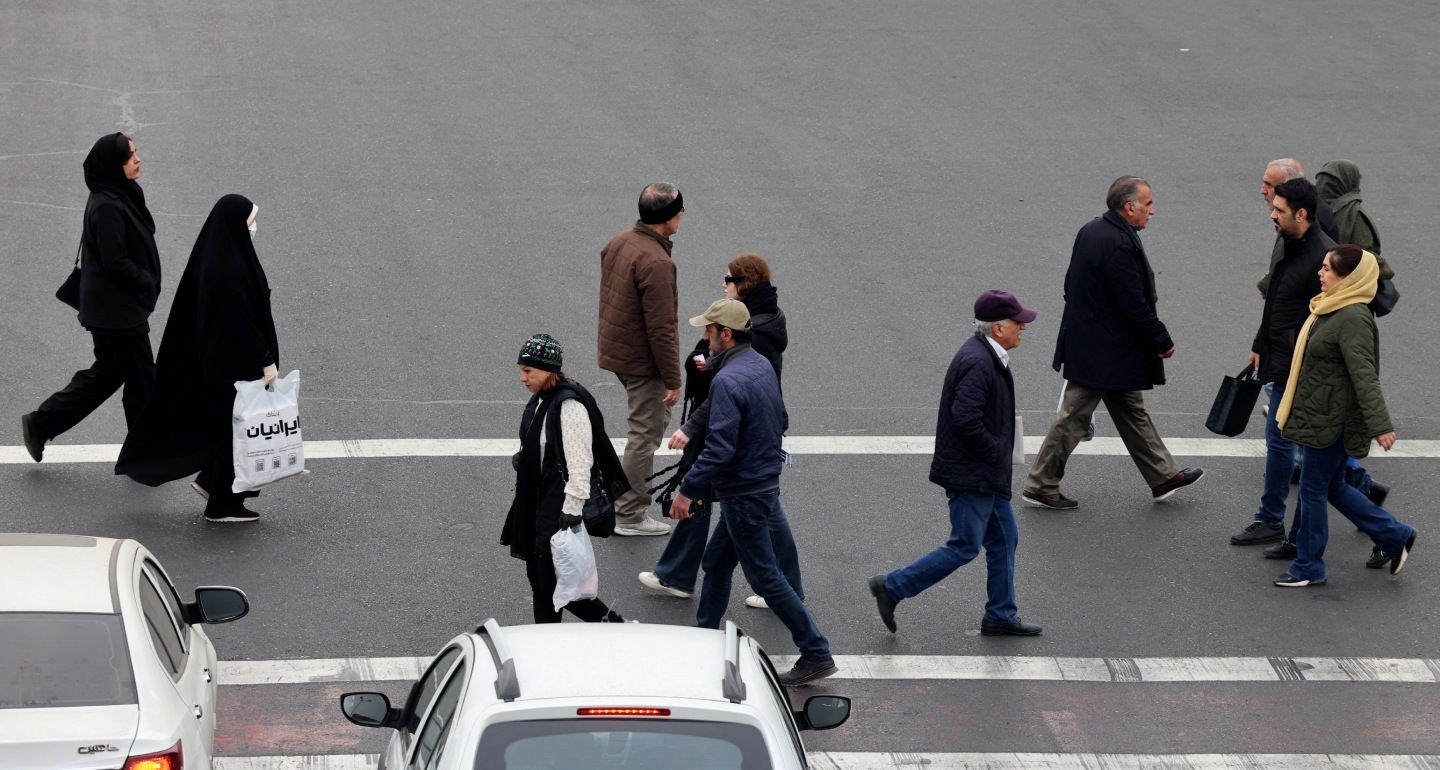
Baku may allow radical nationalists to publicly discuss “reunification” with Azeri Iranians, but the president and key officials prefer not to comment publicly on the protests in Iran.
Bashir Kitachaev
{
  "authors": [
    "Aaron David Miller"
  ],
  "type": "legacyinthemedia",
  "centerAffiliationAll": "",
  "centers": [
    "Carnegie Endowment for International Peace"
  ],
  "collections": [],
  "englishNewsletterAll": "",
  "nonEnglishNewsletterAll": "",
  "primaryCenter": "Carnegie Endowment for International Peace",
  "programAffiliation": "",
  "programs": [],
  "projects": [],
  "regions": [
    "Middle East",
    "Israel"
  ],
  "topics": []
}
Source: Getty
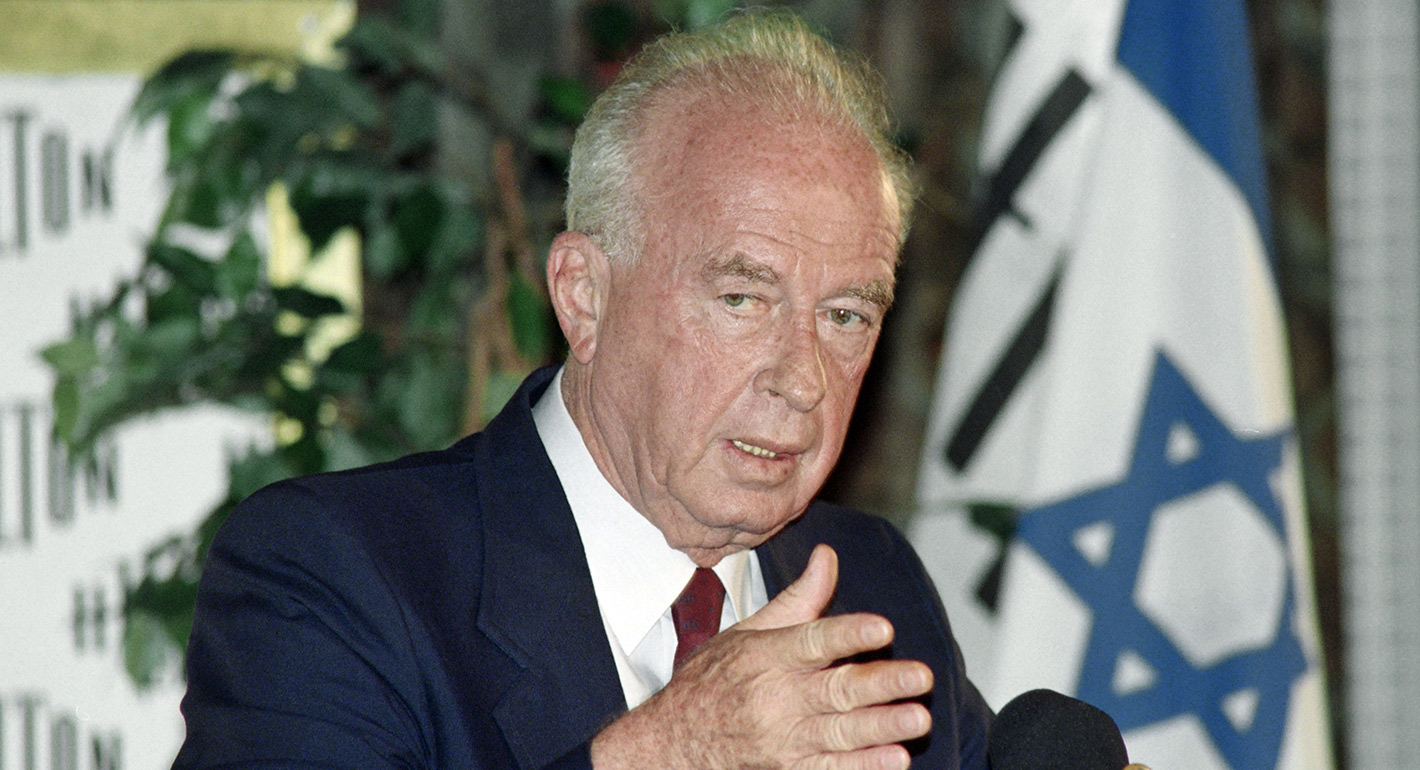
Rabin was only 73 when he was killed. He left the stage far too early and at a moment when his talents, authority and character were badly needed, as they are now by a nation in search of wise, bold and prudent leadership.
Source: Haaretz
Twenty-four years after Yitzhak Rabin’s murder, I still deeply miss and mourn him. He was on the one hand a larger-than-life figure in my professional life. On the other hand, I came to know and interact with him personally in a way that allowed both worlds to seamlessly blend together.
Rabin had his flaws. But nearly a quarter-century after his death, he remains to me the epitome of an Israeli leader - authentic, prudent and wise, tethered to Israel’s past and ever-attentive to securing its future.
I got to know Rabin through my parents’ involvement in Israel and Jewish causes well before I joined the U.S. State Department. My mother, Ruth, became friends with Leah Rabin and with her sister, Aviva, who would later marry one of Israel’s storied generals, Avraham Yoffe. And my father, Sam, whose exterior was as rough as Rabin’s, befriended Yitzhak.
It was my father who said to Rabin, after the Oslo process began, that dealing with the Palestinian leader Yasser Arafat was going to be like dancing with a bear; it would be fine as long as you didn’t let go. Rabin would remind me of that quip many times as the glow of the Oslo Accords signing ceremony on the White House lawn gave way to harsher realities.
I met Rabin for the first time in the spring of 1974, shortly before he became prime minister for the first time. My wife, Lindsay, and I had been in Jerusalem, arriving the summer before the 1973 Yom Kippur War. We had been invited by Leah to Passover seder at the Rabins’ apartment in Tel Aviv.
I had been advised by Aviva Yoffe to listen and not do much talking, a warning of course I proceeded to ignore. It was at my own peril. I was preparing for my doctoral oral exams in Middle Eastern history at the University of Michigan, and Rabin asked me what I thought of Egyptian President Anwar Sadat.
I rambled on about his views on Israel until Rabin cut me off, and with the dismissive wave of the hand I’d come to know well over the years, said bluntly, "You don’t know much about the Middle East."
Rabin’s bluntness, his refusal to engage in gratuitous small talk, would rankle as would his deep conviction that Americans were naive about the region.
Years later, Rabin would describe a document that Daniel Kurtzer, the U.S. ambassador to Israel at the time, and I drafted in the context of the Madrid negotiations as the "worst American text" since the 1978 Camp David Accords establishing peace between Israel and Egypt.
I didn’t like it. But I came to respect and admire Rabin’s brutal honesty, often missing in American statecraft and life in general. Rabin never told you what you wanted to hear - so counterintuitive, even for an Israeli politician.
But Rabin was not all gruffness and rough edges. I saw his tenderness and affection for Leah. I know how much he cared for their daughter Dalia and their son Yuval, and I appreciated his kindness toward me and my parents in later years.
I’ll never forget Secretary of State Warren Christopher’s first trip to Israel in early 1993. Rabin, in his second stint as prime minister, invited the secretary and his staff to his apartment in Tel Aviv for a traditional Shabbat dinner. Leah was out, so the evening was managed by an awkward Rabin, who was as uncomfortable as Warren Christopher.
Shortly before sitting down, Rabin turned to me (why I don’t know) and asked - no, told me - to do the kiddush, the traditional blessing over the wine. I immediately wondered what Christopher must think: the Israeli prime minister was asked a junior U.S. aide, whom he really didn’t know, to recite a Hebrew prayer at dinner. I froze, managed to sing one line to which Danny Yatom, Rabin’s military aide, blurted out that was the shortest kiddush in history.
Rabin understood, looked at me sympathetically as if to say it will be all right, and before we left he said he hoped he hadn’t put me in an awkward position.
One of the qualities I admired most about Rabin was his capacity to change his views if reality demanded it. Rabin was cautious, an incrementalist by nature. But like Winston Churchill, I think he accepted the notion that those who don’t change their minds end up changing nothing.
In the spring of 1993 he was already well on his way to concluding that neither Jordan nor West Bankers and Gazans would be able to replace the PLO as a potential negotiating partner for Israel.
Visiting Washington that March we sat with Rabin and his team for the kind of analytical roundtable that he enjoyed. Chain-smoking and asking penetrating questions, it was evident to all us that Rabin was moving toward the possibility of engaging the PLO.
Within two months, Rabin had turned the informal Oslo channel with the PLO into a still-secret official one.
There’s a tendency to glorify Rabin, either out of nostalgia, a blindness to his flaws or minimizing the challenges he would have faced had he lived.
Indeed, writing in the 19th century, Karl Marx probably had it right when he said that men make their own history, but they do not make it as they please. And Rabin was no man of the left. After his death, the Israeli peace camp, with the best of intentions, tethered him to policies and ideas he may never have accepted. Still, with Rabin, and Shimon Peres by his side, there might have been real possibility - and hope.
Rabin was only 73 when he was killed. He left the stage far too early and at a moment when his talents, authority and character were badly needed, as they are now by a nation in search of wise, bold and prudent leadership.
It’s hard to believe that another decade or two with Rabin would not have made a real difference. I miss and mourn Rabin today, not only because we’ll never know for sure, but because we’ll never see his likes again.
Carnegie does not take institutional positions on public policy issues; the views represented herein are those of the author(s) and do not necessarily reflect the views of Carnegie, its staff, or its trustees.
Baku may allow radical nationalists to publicly discuss “reunification” with Azeri Iranians, but the president and key officials prefer not to comment publicly on the protests in Iran.
Bashir Kitachaev
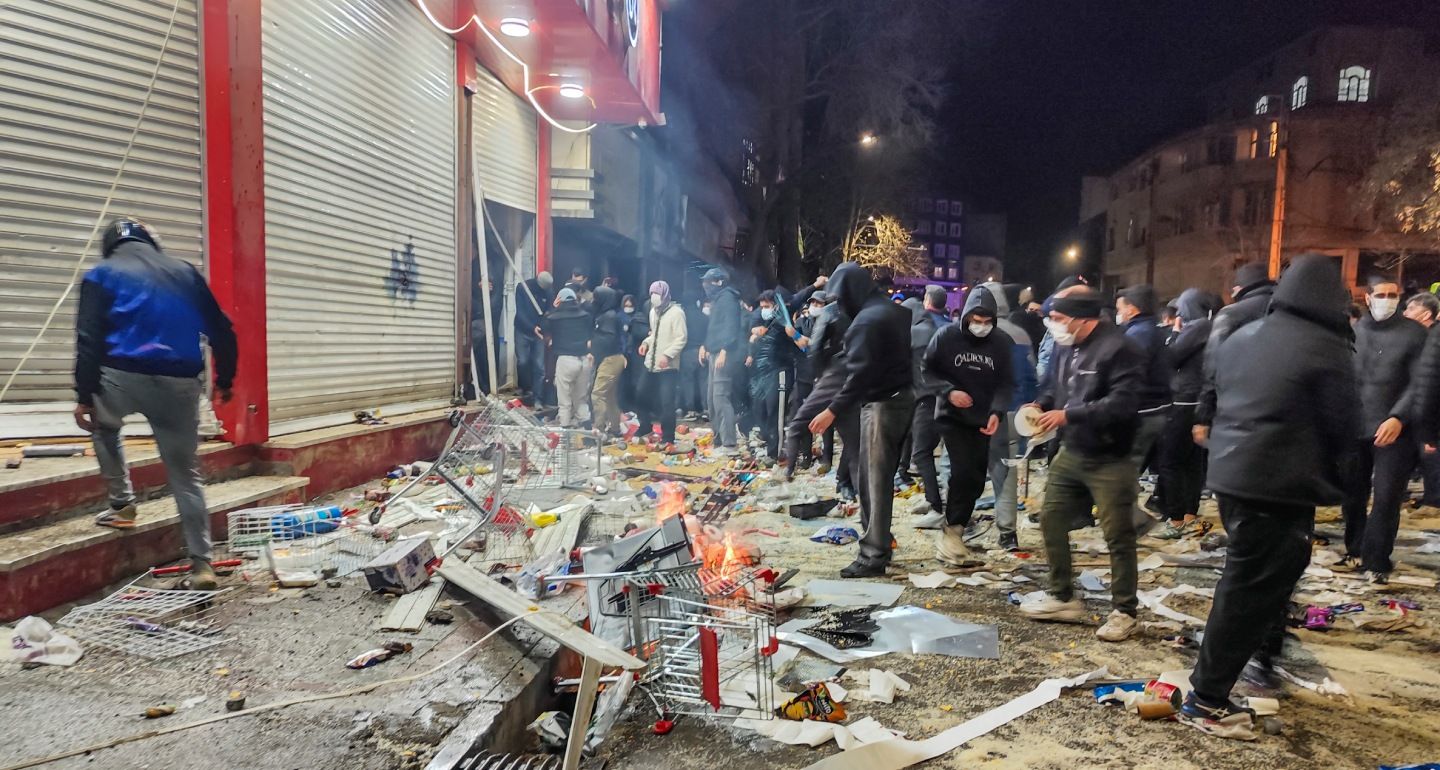
It’s one thing to export Russian helicopters to Iran to fight the insurgency, and it’s easy to imagine Moscow becoming a haven for fleeing Iranian leaders. But it’s very difficult to imagine Russian troops defending the Iranian regime on the ground.
Nikita Smagin

Tehran’s most urgent task is to reduce the risk of further Israeli and U.S. airstrikes. Russia’s role as a deterrent in this respect is more multifaceted than simply supplying weapons, whose real impact will only become apparent many years from now.
Nikita Smagin

The U.S. president’s successful imposition of a ceasefire on notorious sworn enemies who have both agreed to make concessions only highlights Putin’s intransigence and his lack of competence and reason.
Alexander Baunov
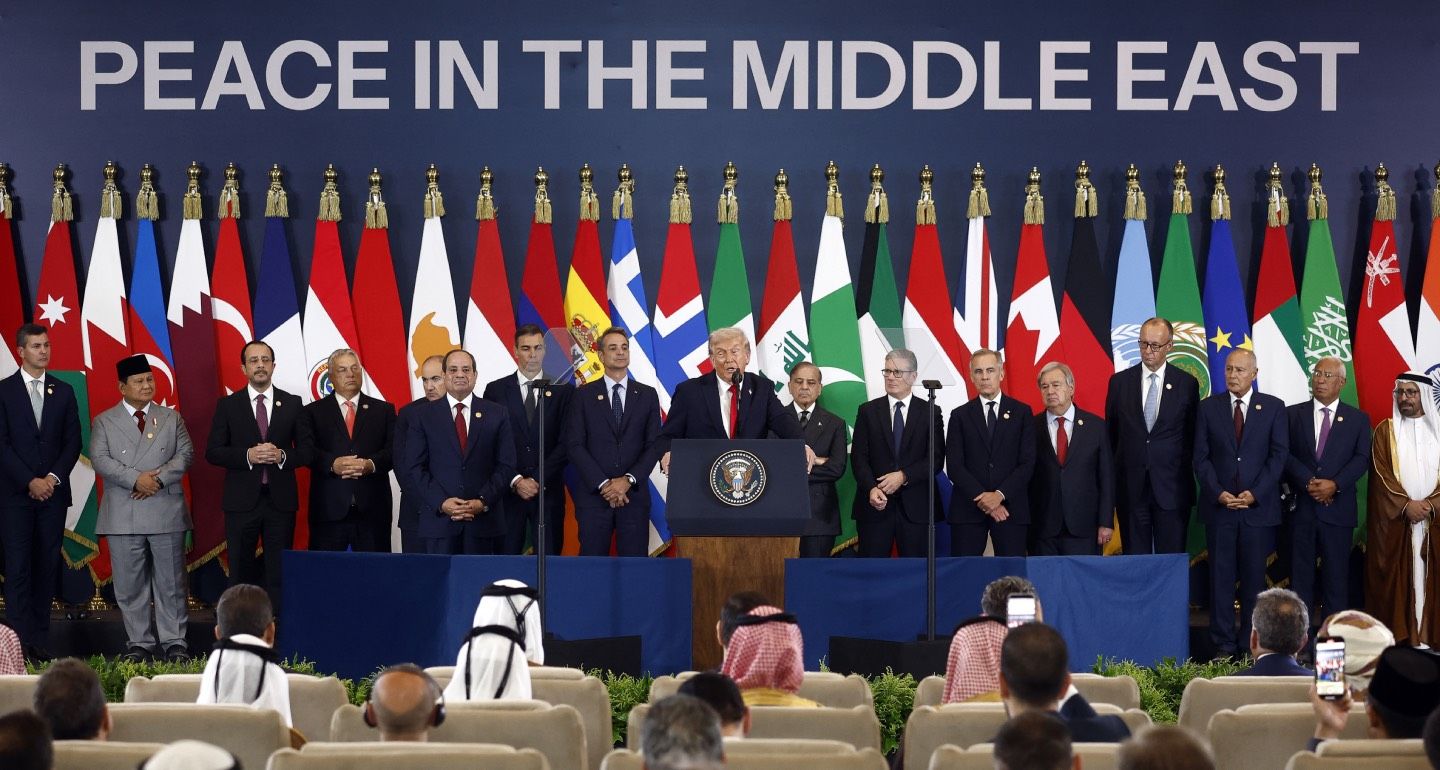
Trump’s Egypt summit may have thwarted the Kremlin’s attempts to get Middle Eastern leaders to congregate in Moscow, but Middle Eastern states are less and less convinced that the West can be relied upon, which is inevitably pushing them toward deals with Russia.
Nikita Smagin