

Commentary
Baku may allow radical nationalists to publicly discuss “reunification” with Azeri Iranians, but the president and key officials prefer not to comment publicly on the protests in Iran.
Bashir Kitachaev
{
  "authors": [
    "Yezid Sayigh"
  ],
  "type": "other",
  "centerAffiliationAll": "",
  "centers": [
    "Carnegie Endowment for International Peace",
    "Malcolm H. Kerr Carnegie Middle East Center",
    "Carnegie Russia Eurasia Center"
  ],
  "collections": [
    "Civil-Military Relations in Arab States"
  ],
  "englishNewsletterAll": "",
  "nonEnglishNewsletterAll": "",
  "primaryCenter": "Malcolm H. Kerr Carnegie Middle East Center",
  "programAffiliation": "",
  "programs": [
    "Middle East"
  ],
  "projects": [],
  "regions": [
    "Levant",
    "Syria",
    "Middle East",
    "Russia"
  ],
  "topics": [
    "Foreign Policy"
  ]
}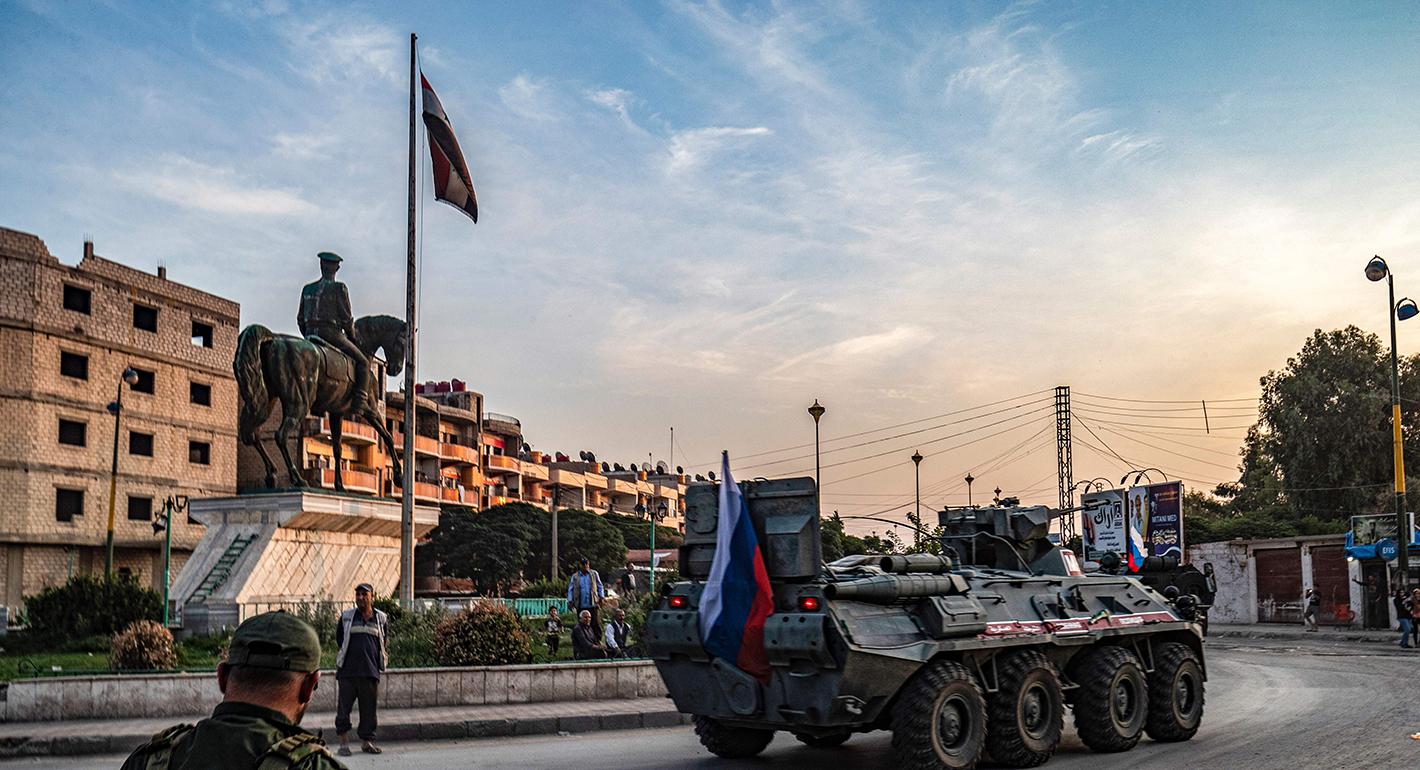
Russia faces opportunities and challenges as it seeks to restructure and reform the Syrian armed forces, which it sees as a key to concluding the civil war on terms favorable to the Assad regime, containing Iranian involvement, and winding down Russia’s combat role.
As many great powers have found when intervening to support the military of a client state, Russian expectations in Syria have not been entirely met. The lessons that Russia has learned, both positive and negative, speak to the complexity of the situation on the ground in Syria, and to the ever-shifting character of modern warfare. Russian officials keep their cards close to their chest, but this dossier explores what is known about the perceptions and perspectives they bring to the task of standing up the Syrian Arab Army.
Syrian Politics Trump Russian Military Reforms, Yezid Sayigh
The Efficiency of the Syrian Armed Forces: An Analysis of Russian Assistance, Anton Lavrov
Russia and Syrian Military Reform: Challenges and Opportunities, Alexey Khlebnikov
Russia’s Role in Reforming Syrian Special Services, Kirill Semenov
Carnegie does not take institutional positions on public policy issues; the views represented herein are those of the author(s) and do not necessarily reflect the views of Carnegie, its staff, or its trustees.
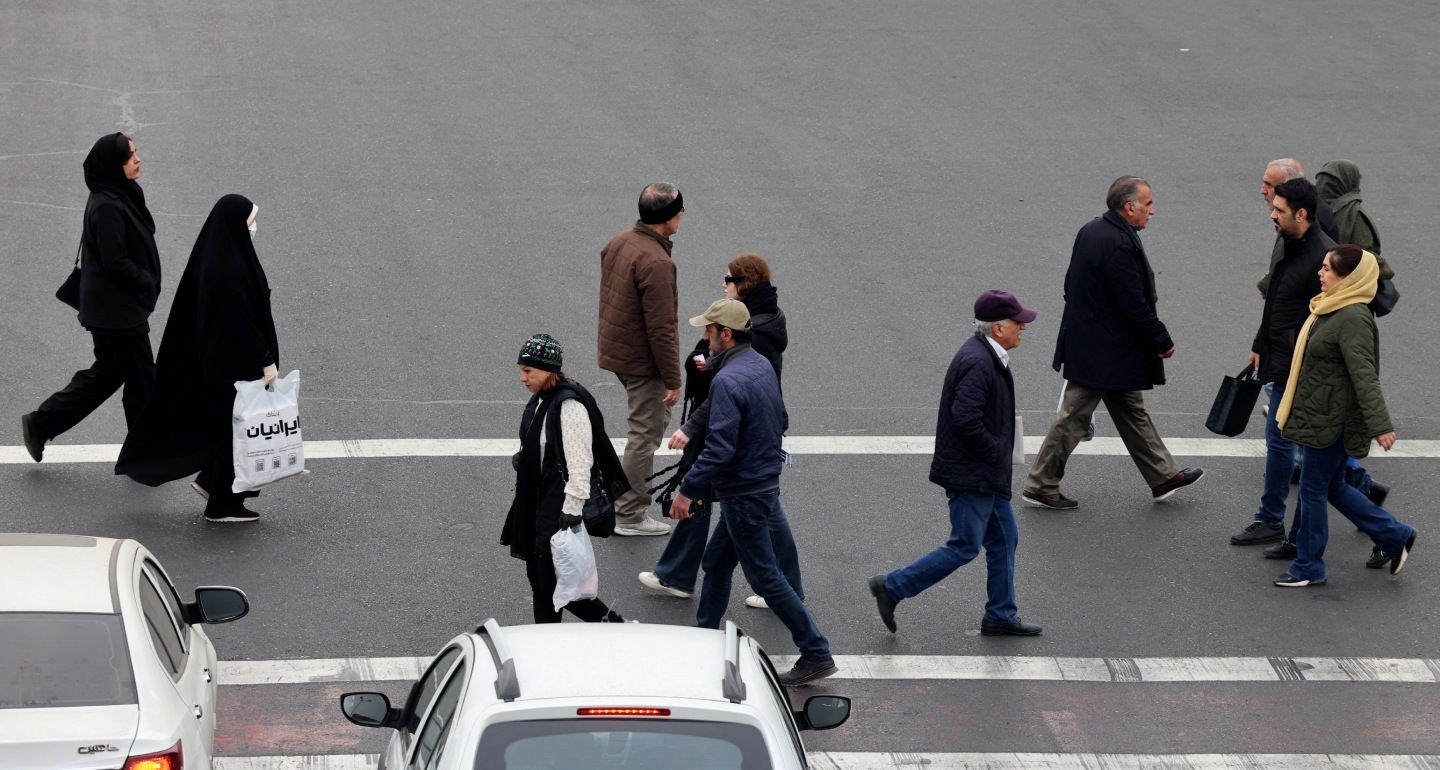
Baku may allow radical nationalists to publicly discuss “reunification” with Azeri Iranians, but the president and key officials prefer not to comment publicly on the protests in Iran.

Bashir Kitachaev
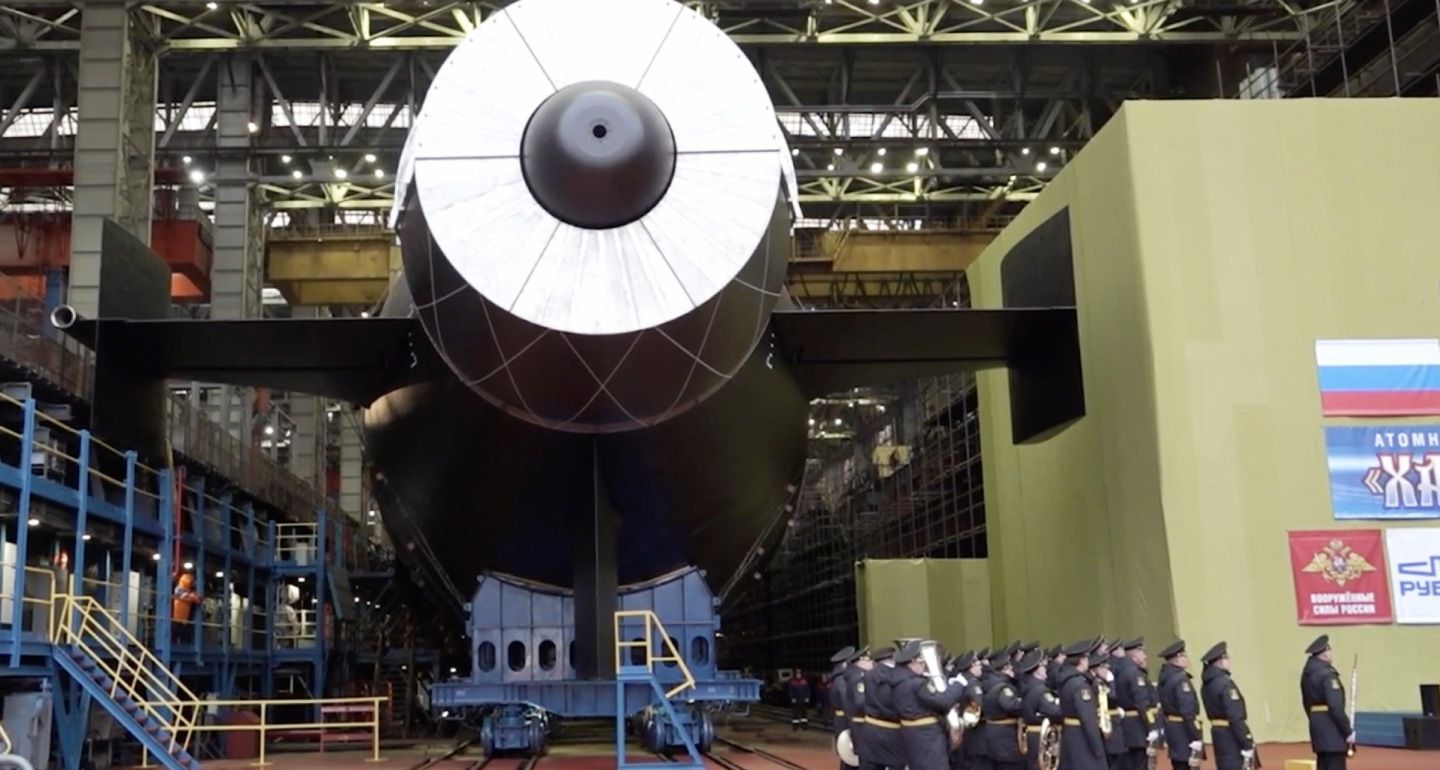
The Kremlin will only be prepared to negotiate strategic arms limitations if it is confident it can secure significant concessions from the United States. Otherwise, meaningful dialogue is unlikely, and the international system of strategic stability will continue to teeter on the brink of total collapse.
Maxim Starchak
For years, the Russian government has promoted “sovereign” digital services as an alternative to Western ones and introduced more and more online restrictions “for security purposes.” In practice, these homegrown solutions leave people vulnerable to data leaks and fraud.

Maria Kolomychenko
Geological complexity and years of mismanagement mean the Venezuelan oil industry is not the big prize officials in Moscow and Washington appear to believe.
Sergey Vakulenko
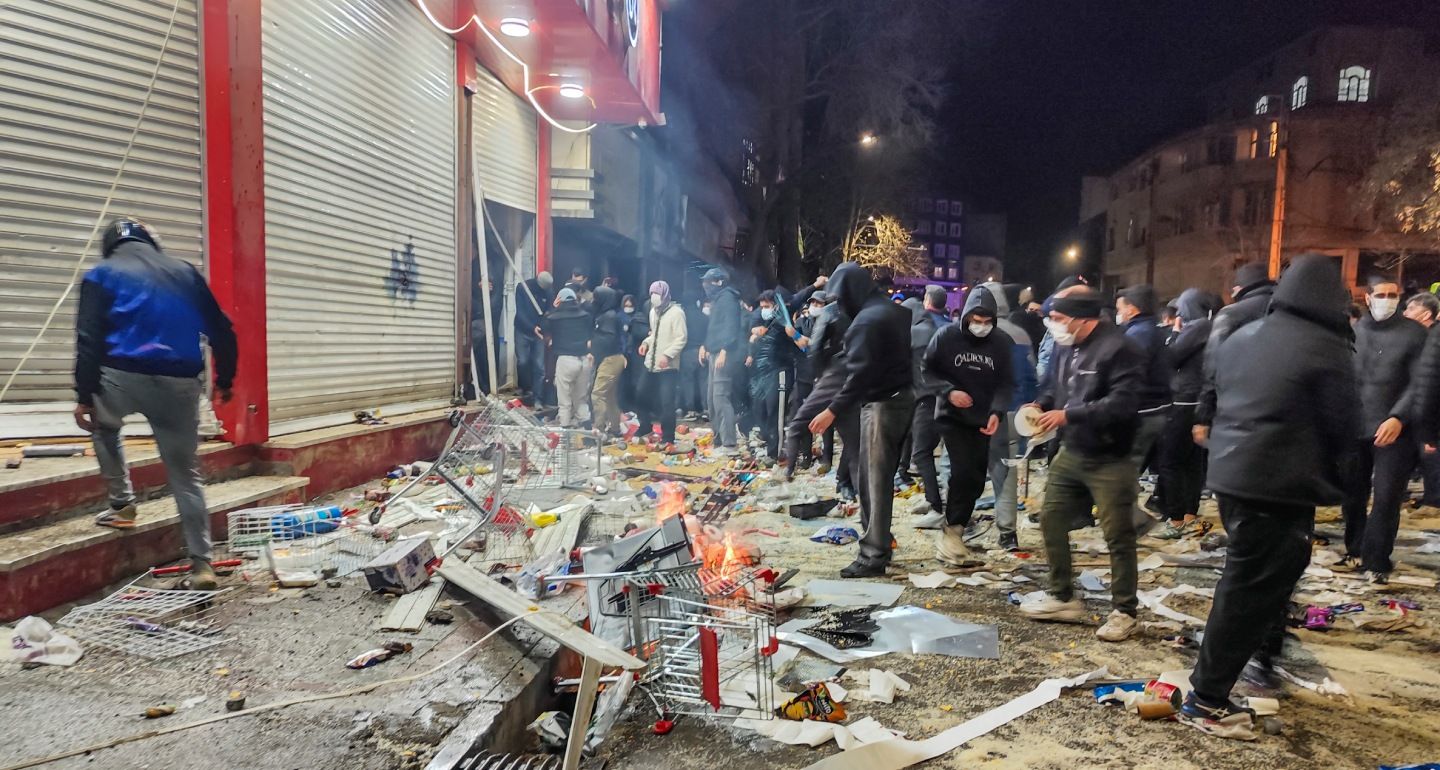
It’s one thing to export Russian helicopters to Iran to fight the insurgency, and it’s easy to imagine Moscow becoming a haven for fleeing Iranian leaders. But it’s very difficult to imagine Russian troops defending the Iranian regime on the ground.
Nikita Smagin