• Research
  • Politika
  • About
Carnegie Russia Eurasia center logoCarnegie lettermark logo
  • Donate
{
  "authors": [
    "Anirudh Burman",
    "Priyadarshini D."
  ],
  "type": "legacyinthemedia",
  "centerAffiliationAll": "",
  "centers": [
    "Carnegie Endowment for International Peace",
    "Carnegie India",
    "Carnegie China"
  ],
  "collections": [],
  "englishNewsletterAll": "",
  "nonEnglishNewsletterAll": "",
  "primaryCenter": "Carnegie India",
  "programAffiliation": "",
  "programs": [
    "South Asia"
  ],
  "projects": [
    "Technology and Society"
  ],
  "regions": [
    "South Asia",
    "India"
  ],
  "topics": [
    "Technology",
    "Economy"
  ]
}
In The Media
Carnegie India

India’s New Crypto Proposals Should Worry Virtual Currency Fans

The government extends the uncertainty with its two new taxes and digital rupee.

Link Copied
By Anirudh Burman and Priyadarshini D.
Published on Feb 10, 2022
Project hero Image

Project

Technology and Society

This program focuses on five sets of imperatives: data, strategic technologies, emerging technologies, digital public infrastructure, and strategic partnerships.

Learn More

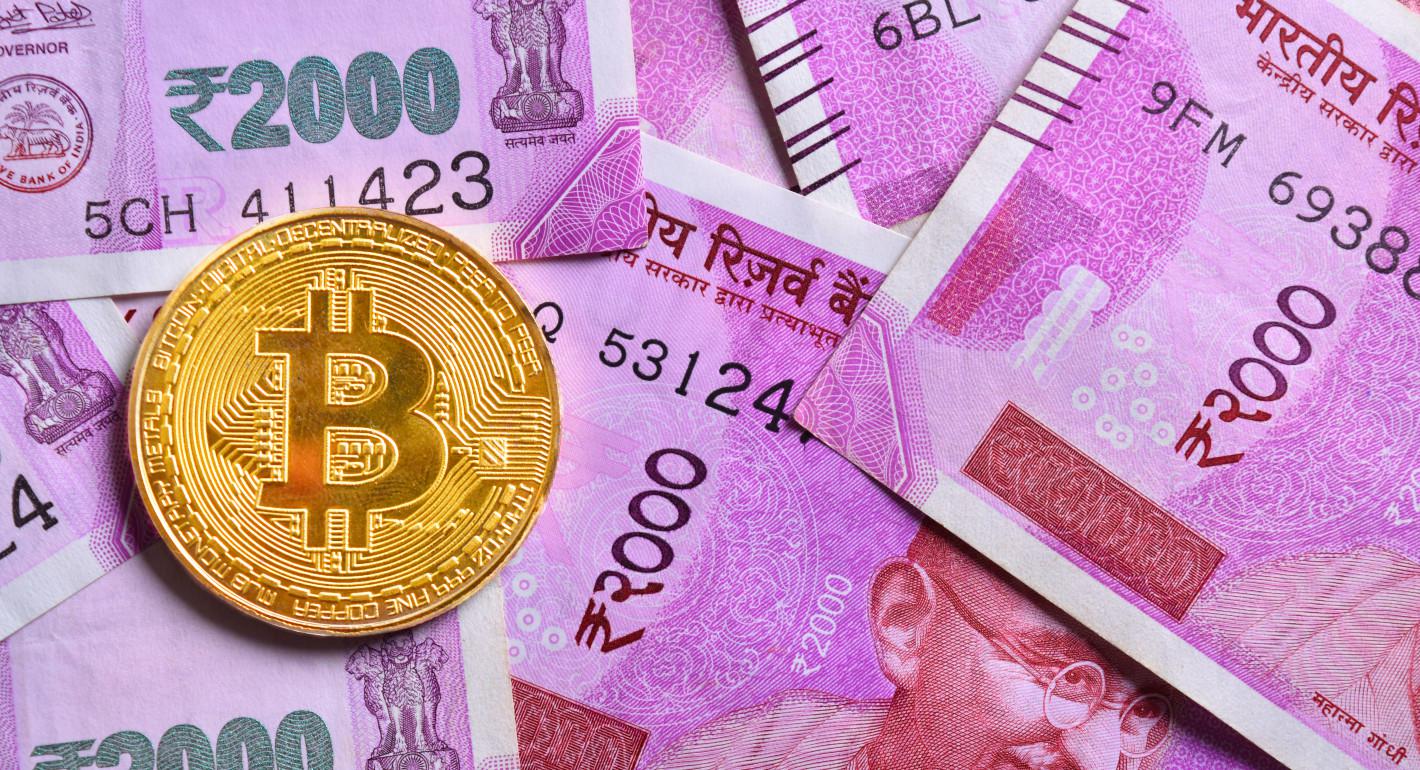
After months of uncertainty around a possible ban on virtual currencies, India’s government has instead opted to develop its own digital currency and tax others in the country’s booming crypto market. Although some have expressed satisfaction with these moves, enthusiasts of virtual currencies in India have reasons to feel worried. 

In her annual budget speech last Tuesday, Finance Minister Nirmala Sitharaman announced that transactions in virtual currencies—defined in the draft as virtual digital assets, or VDAs—will be taxed beginning next April at a flat rate of 30 percent on income earned from their transfer or gift. Additionally, a 1 percent tax will be deducted at the time of the transaction. The government says it plans to use the 1 percent transaction tax on VDAs for better tracking of VDA exchanges, among other purposes. Sitharaman also announced that a “digital rupee” will be issued by the Reserve Bank of India during the upcoming financial year. The minister said the digital rupee will increase efficiency and reduce the costs of currency management.

But crypto enthusiasts shouldn’t assume they’re in the clear, as these proposals do not address whether VDAs will continue to be permitted in India. Income in India is taxable even if earned from illegal activities, so the government could ban VDAs in the future while also continuing to tax any such transactions. One example already in practice: gambling is prohibited in some parts of India, but gambling wins are taxed as income under the Income Tax Act—a statutory provision that courts have upheld.

Another bad sign for crypto users is the proposed tax rate. At 30 percent, the VDA tax is much more substantial than capital gains taxes imposed on other asset classes. (The short- and long-term capital gains taxes currently range from 10 percent to 20.8 percent.) The VDA tax, along with provisions that prohibit deductions, broadly mirrors the tax treatment of activities like gambling, betting, and lotteries.

In addition, by declaring these virtual currencies to be assets and imposing the 1 percent transaction tax on any exchange of VDAs for cash (above a certain threshold), the budget proposals effectively narrow the utility of VDAs and make their use less attractive. This proposal will instead increase friction in conversion between cash and VDAs. In addition, VDAs are currently being used both as an investment asset and as a currency, yet the government is clear that it will never recognize private VDAs as currency (but will do so for the digital rupee). The government’s proposals actually attenuate the market for virtual currencies rather than legitimize it.

Private virtual currencies can instead be regulated as both assets and currencies if the government decides on a proper regulatory framework. The government should be addressing market failures and criminal activities rather than attenuating market possibilities. VDAs are a novel asset class, and there is a need to mandate greater disclosures, create well-tailored entry barriers, and put robust consumer protection regulations in place. Risks to small and unsophisticated consumers in particular are rife in this area, and scams perpetrated on unsuspecting investors point to the need for regulation.

But this is not the route that the government’s proposal has taken. Instead, it has extended regulatory uncertainty while protecting its revenue interests. The government has stated that a consultative process is under way to devise more comprehensive legislation, which will hopefully address the regulatory uncertainty and propose a framework that embraces innovation and remedies market failures.

Authors

Anirudh Burman
Former Associate Research Director and Fellow, Carnegie India
Anirudh Burman
Priyadarshini D.
Former Associate Fellow, Carnegie India
Priyadarshini D.
TechnologyEconomySouth AsiaIndia

Carnegie does not take institutional positions on public policy issues; the views represented herein are those of the author(s) and do not necessarily reflect the views of Carnegie, its staff, or its trustees.

More Work from Carnegie Russia Eurasia Center

  • Commentary
    Carnegie Politika
    Russia’s Cyberfraud Epidemic Is Now a Political Issue

    For years, the Russian government has promoted “sovereign” digital services as an alternative to Western ones and introduced more and more online restrictions “for security purposes.” In practice, these homegrown solutions leave people vulnerable to data leaks and fraud.

      Maria Kolomychenko

  • Commentary
    Carnegie Politika
    How Far Will the Kremlin Take Its Internet Crackdown?

    In an attempt to stop Ukrainian drones from reaching their targets, the Russian authorities have significantly ramped up online repression.

      Maria Kolomychenko

  • Commentary
    Carnegie Politika
    Including Russia on the EU Financial Blacklist Will Hurt Ordinary People, Not the Kremlin

    The paradox of the European Commission’s decision is that the main victims will not be those it formally targets. Major Russian businesses associated with the Putin regime have long adapted to sanctions with the help of complex schemes involving third countries, offshore companies, and nonpublic entities.

      Alexandra Prokopenko

  • Commentary
    Carnegie Politika
    Why Didn’t the Ukraine War Turn Russia’s Ruling Class Against Putin?

    A new book by Alexandra Prokopenko looks at why the Russian ruling class became the regime’s willing servants—and how they might fare in a post-Putin world.

      Vladislav Gorin

  • Commentary
    Carnegie Politika
    Collateral Damage: The Frozen Foreign Assets of Middle-Class Russians

    The volume of frozen private assets might seem insignificant compared with Russia’s sovereign reserves, but these are the savings of millions of people who believed that foreign securities were a safe investment and in the institution of private property.

      Yulia Starostina

Get more news and analysis from
Carnegie Russia Eurasia Center
Carnegie Russia Eurasia logo, white
  • Research
  • Politika
  • About
  • Experts
  • Events
  • Contact
  • Privacy
Get more news and analysis from
Carnegie Russia Eurasia Center
© 2026 Carnegie Endowment for International Peace. All rights reserved.