

Commentary
The supposed threats from China and Russia pose far less of a danger to both Greenland and the Arctic than the prospect of an unscrupulous takeover of the island.
Andrei Dagaev
A groundbreaking report details what the U.S. and international intelligence communities understood about Iraq's weapons programs before the war and outlines policy reforms to improve threat assessments, deter transfer of WMD to terrorists, strengthen the UN weapons inspection process, and avoid politicization of the intelligence process.
Summary
This new study details what the U.S. and international intelligence communities understood about Iraq's weapons programs before the war and outlines policy reforms to improve threat assessments, deter transfer of WMD to terrorists, strengthen the UN weapons inspection process, and avoid politicization of the intelligence process.
The report distills a massive amount of data into side-by-side comparisons of pre-war intelligence, the official presentation of that intelligence, and what is now known about Iraq's programs.
Click on the link above for full text or the links to the right for specific sections of this Carnegie report.
About the Authors
Joseph Cirincione is a senior associate and director of the Non-Proliferation Project. Jessica T. Mathews is president and George Perkovich is vice president for studies of the Carnegie Endowment. Alexis Orton is a Junior Fellow with the Non-Proliferation Project.
This is a web-only publication.
Carnegie does not take institutional positions on public policy issues; the views represented herein are those of the author(s) and do not necessarily reflect the views of Carnegie, its staff, or its trustees.
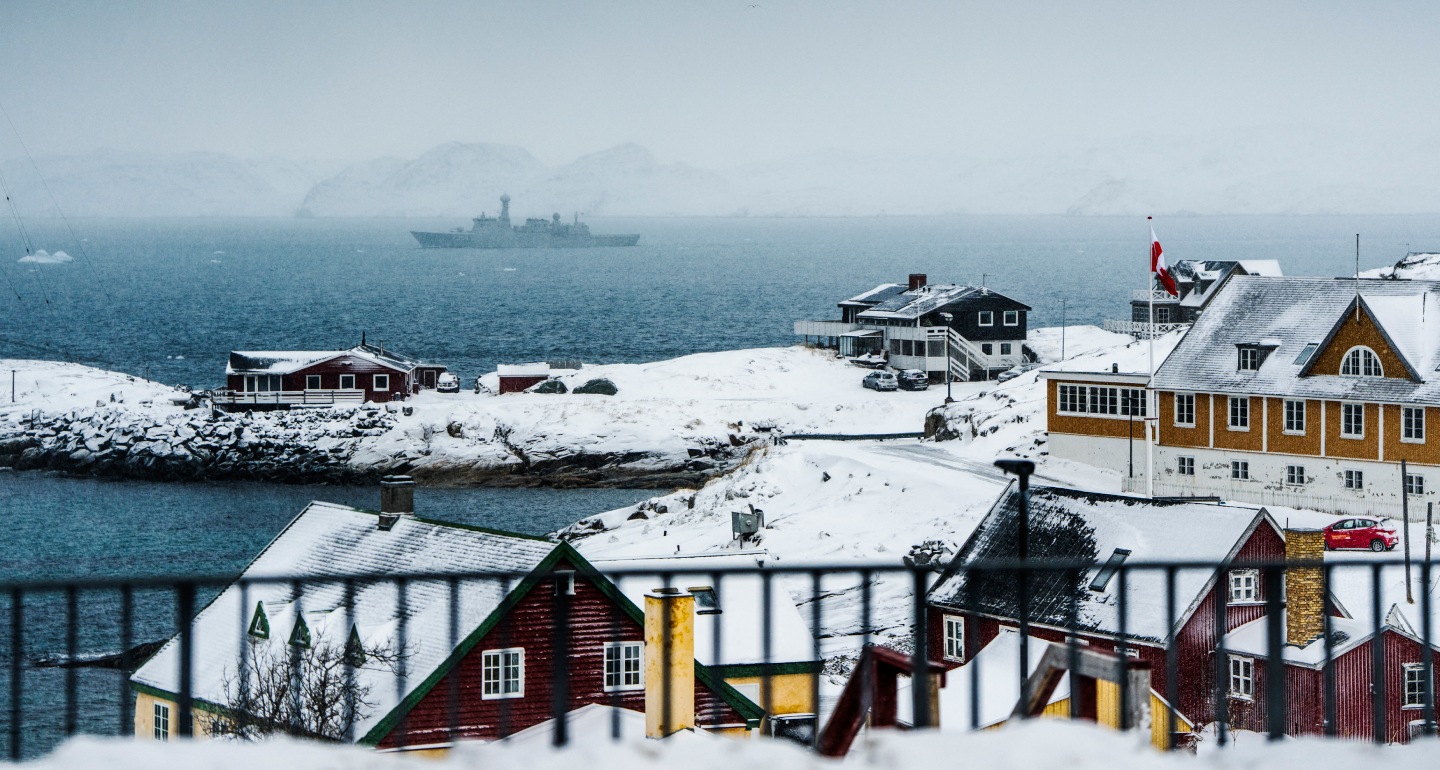
The supposed threats from China and Russia pose far less of a danger to both Greenland and the Arctic than the prospect of an unscrupulous takeover of the island.

Andrei Dagaev
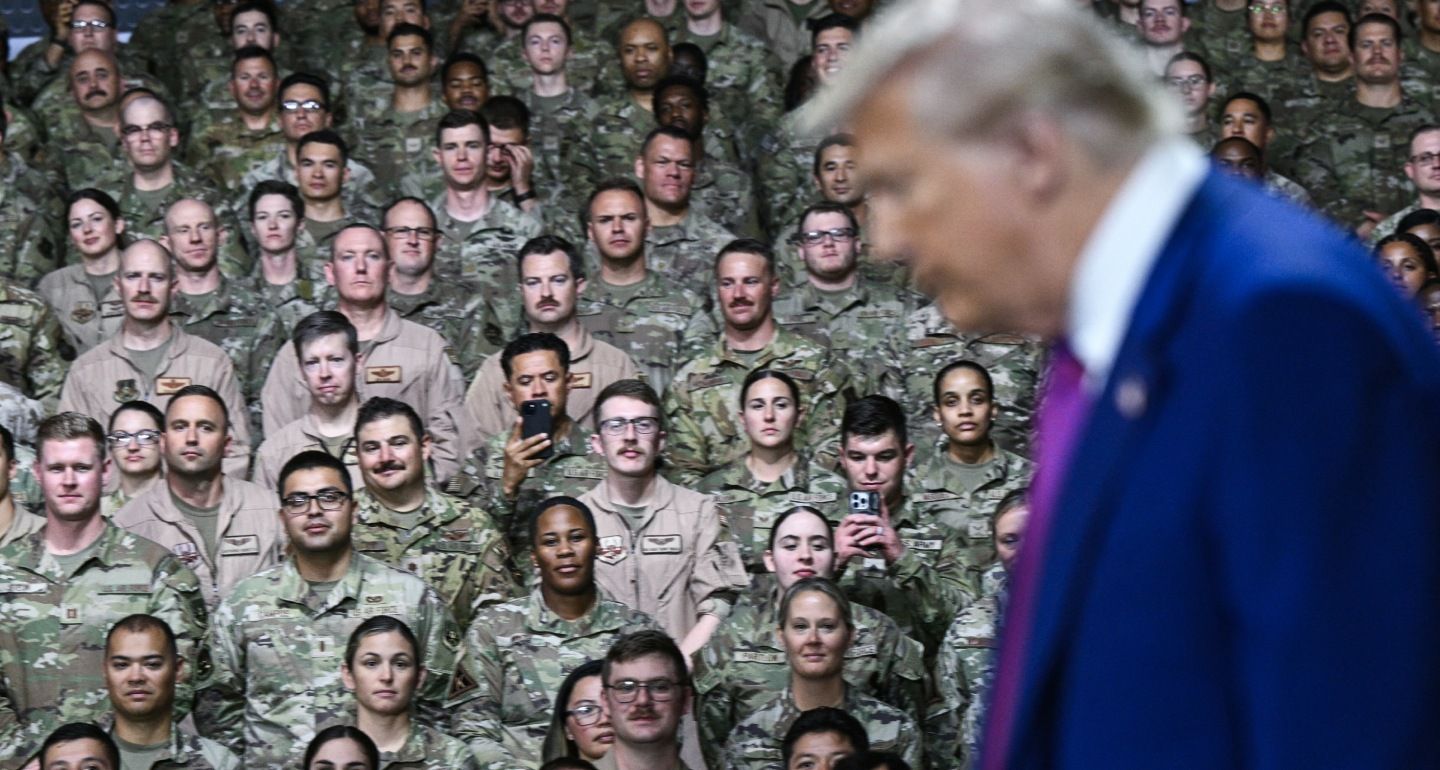
Unexpectedly, Trump’s America appears to have replaced Putin’s Russia’s as the world’s biggest disruptor.

Alexander Baunov
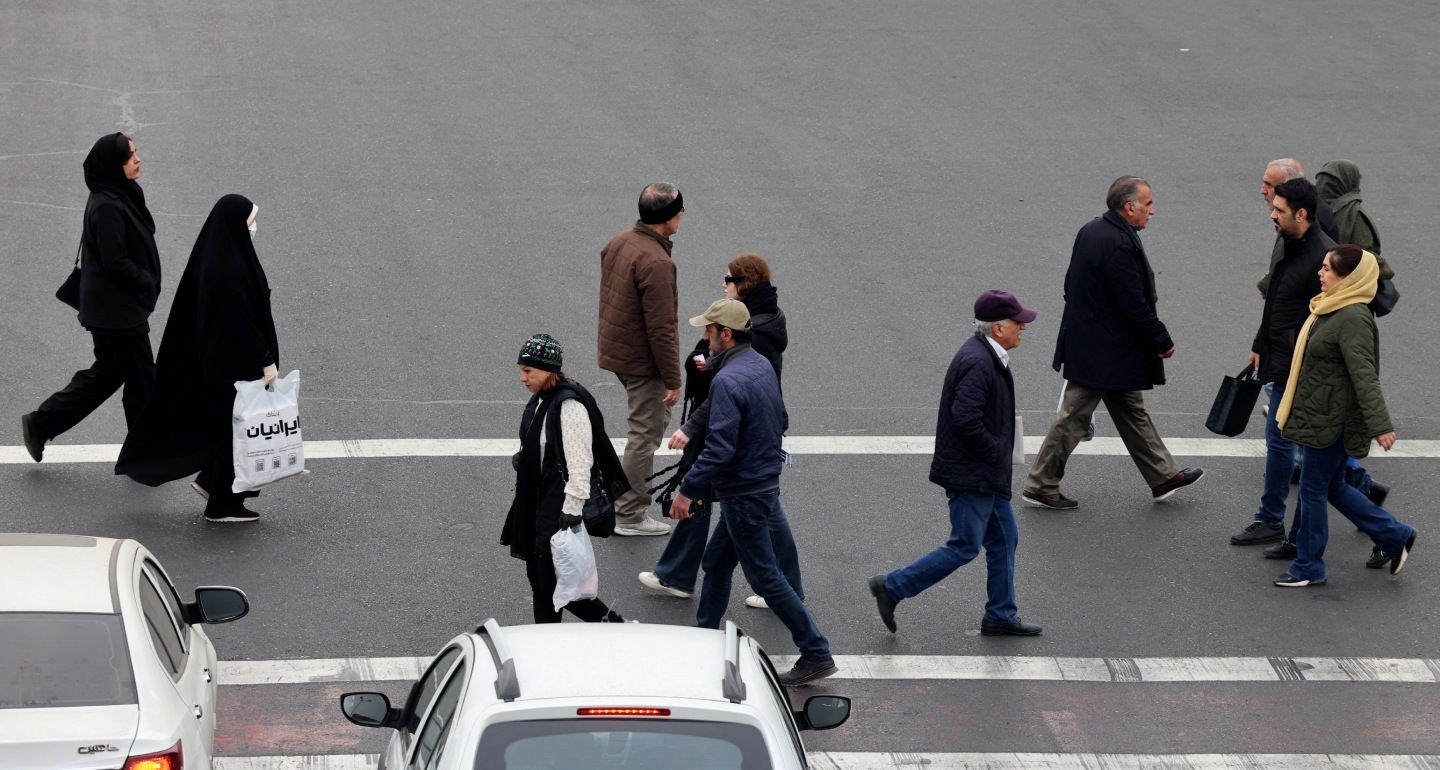
Baku may allow radical nationalists to publicly discuss “reunification” with Azeri Iranians, but the president and key officials prefer not to comment publicly on the protests in Iran.

Bashir Kitachaev
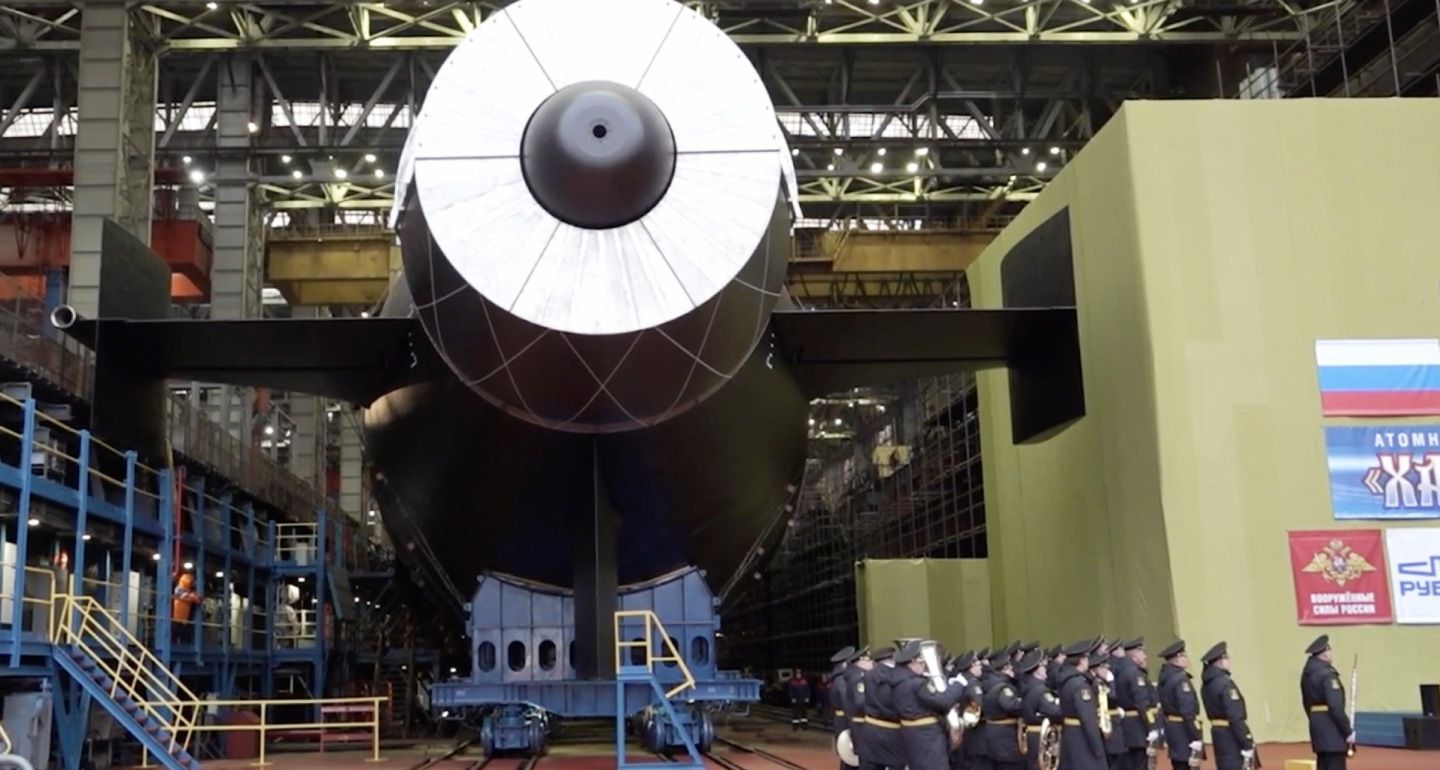
The Kremlin will only be prepared to negotiate strategic arms limitations if it is confident it can secure significant concessions from the United States. Otherwise, meaningful dialogue is unlikely, and the international system of strategic stability will continue to teeter on the brink of total collapse.

Maxim Starchak
For years, the Russian government has promoted “sovereign” digital services as an alternative to Western ones and introduced more and more online restrictions “for security purposes.” In practice, these homegrown solutions leave people vulnerable to data leaks and fraud.

Maria Kolomychenko