• Research
  • Politika
  • About
Carnegie Russia Eurasia center logoCarnegie lettermark logo
  • Donate
Turkey's Perspectives on Nuclear Weapons and Disarmament
Report

Turkey's Perspectives on Nuclear Weapons and Disarmament

Global nuclear disarmament could increase Turkey’s regional and international influence. If Iran achieves its nuclear ambitions and America’s influence is perceived as declining, however, Turkey’s inclination to favor a disarmament agreement may change.

Link Copied
By Henri J. Barkey
Published on Sep 22, 2009

Additional Links

Click here to read the full report

Source: Stimson Center's Nuclear Security Studies

Turkey's Perspectives on Nuclear Weapons and Disar
In principle, Turkey would welcome the global elimination of nuclear weapons. For the
current government, the possession of nuclear weapons by other states is a factor that, indirectly at least, reduces Turkey’s regional (if not global) aspirations and power. However, in the medium term, it remains deeply ambivalent on the future of nuclear weapons and its own plans regarding nuclear energy and weapons development.
Turkey lacks a coherently articulated national policy vis-à-vis nuclear weapons. This is partly due to the fact that as a member of NATO it is a direct beneficiary of the US nuclear umbrella and because the United States maintains a number of nuclear weapons at the Incirlik Air Force base in southern Turkey. The absence of such a policy is also the result of the unclear demarcation of lines of authority between civilian and military leaders on issues of national defense. While this may not have been a problem in the past, civil-military relations have been strained under the current ruling government, led by the Justice and Development Party (AKP). Until recently, when it came to setting national priorities, the military establishment’s role could best be described as primus inter pares. The AKP’s preoccupation with expanding Turkey’s role in the region and its push to reform Turkish state structures, including the military’s prerogatives, are radically challenging the military’s control of the national security agenda.
This report is part of larger series produced by the Stimson Center.
Henri J. Barkey
Former Visiting Scholar, Middle East Program
Henri J. Barkey
TürkiyePolitical ReformForeign PolicyNuclear PolicyNuclear Energy

Carnegie does not take institutional positions on public policy issues; the views represented herein are those of the author(s) and do not necessarily reflect the views of Carnegie, its staff, or its trustees.

More Work from Carnegie Russia Eurasia Center

  • Commentary
    Carnegie Politika
    Has Trump the Destroyer Eclipsed Putin the Destroyer?

    Unexpectedly, Trump’s America appears to have replaced Putin’s Russia’s as the world’s biggest disruptor.

      Alexander Baunov
  • Commentary
    Carnegie Politika
    Baku Proceeds With Caution as Ethnic Azeris Join Protests in Neighboring Iran

    Baku may allow radical nationalists to publicly discuss “reunification” with Azeri Iranians, but the president and key officials prefer not to comment publicly on the protests in Iran.

      Bashir Kitachaev
  • Commentary
    Carnegie Politika
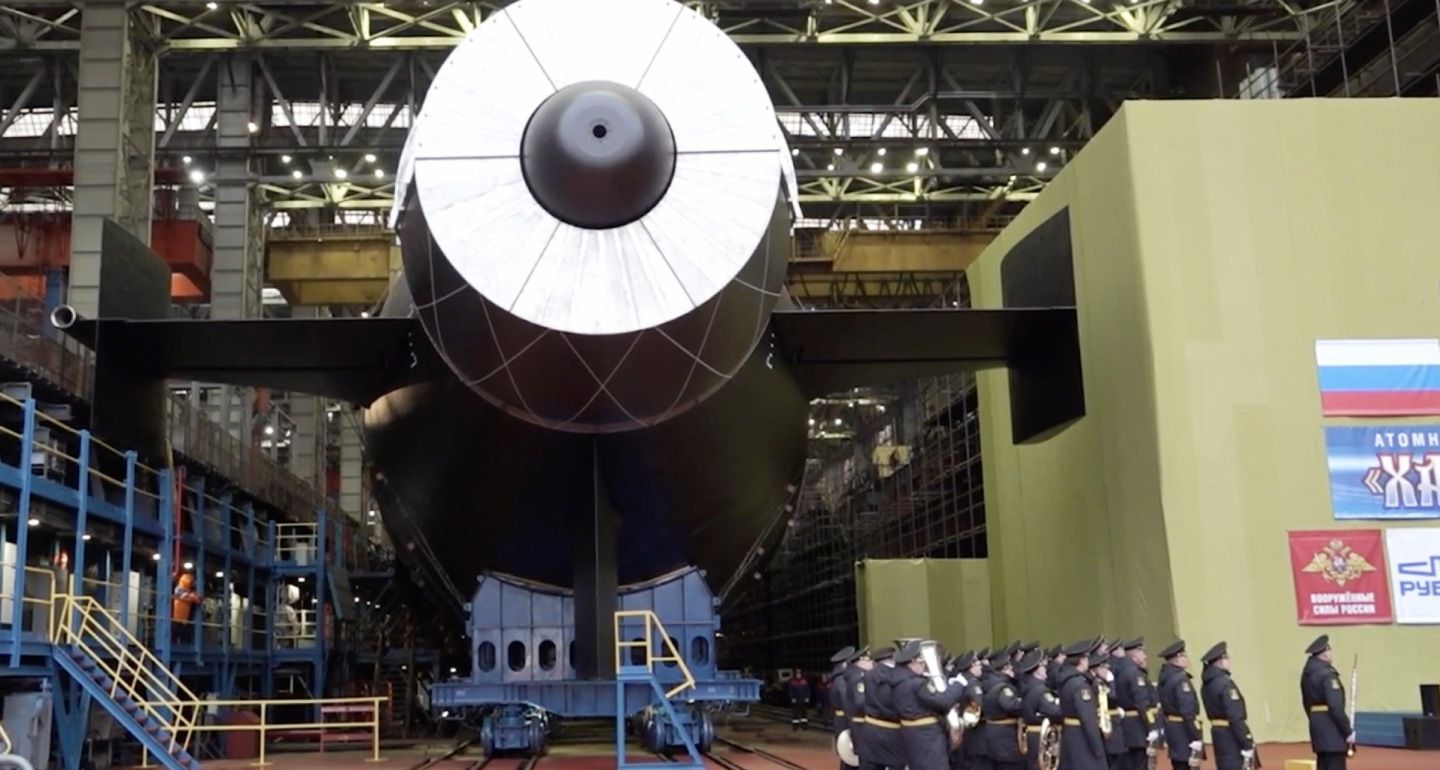
    Russia’s Latest Weapons Have Left Strategic Stability on the Brink of Collapse

    The Kremlin will only be prepared to negotiate strategic arms limitations if it is confident it can secure significant concessions from the United States. Otherwise, meaningful dialogue is unlikely, and the international system of strategic stability will continue to teeter on the brink of total collapse.

      Maxim Starchak
  • Commentary
    Carnegie Politika
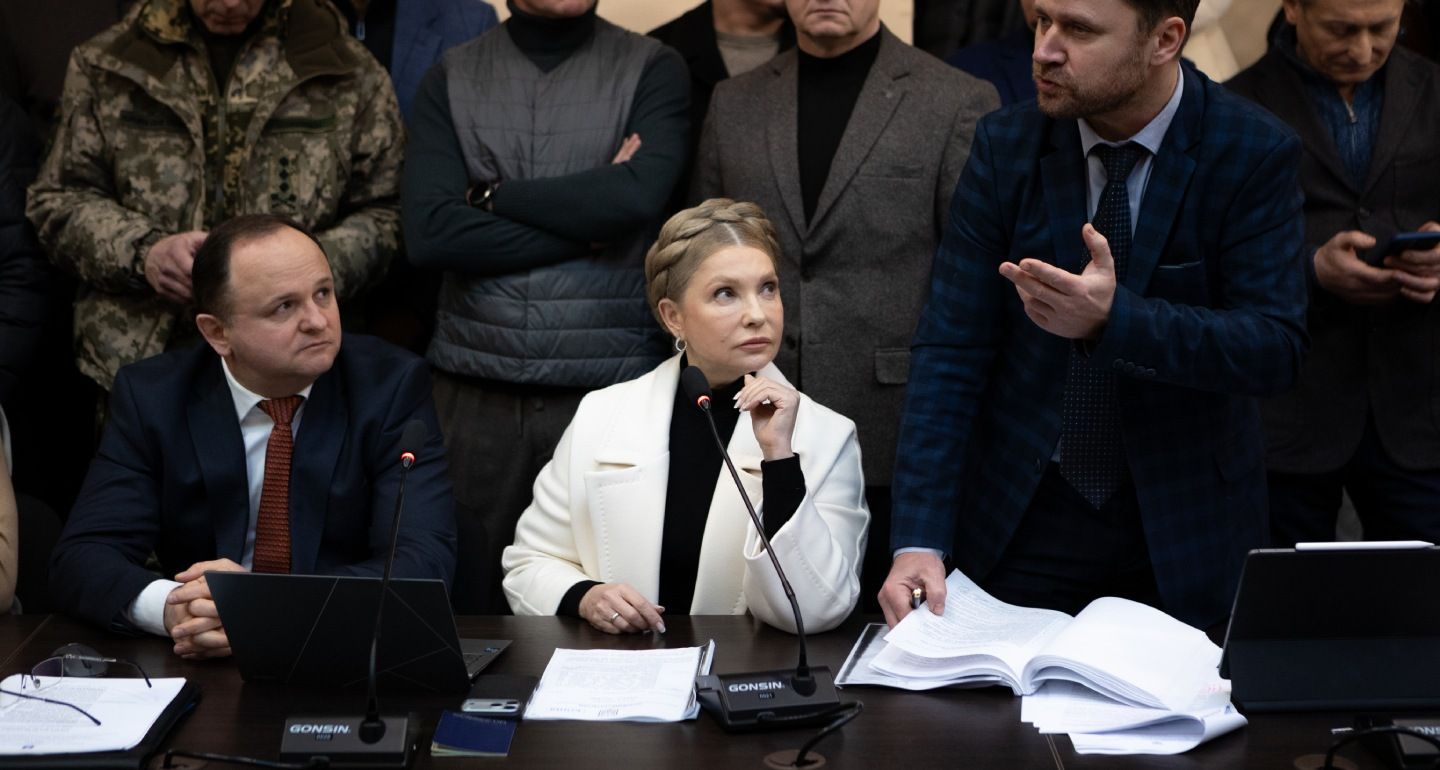
    How Yulia Tymoshenko Returned to the Center of Ukrainian Politics Yet Again

    The story of a has-been politician apparently caught red-handed is intersecting with the larger forces at work in the Ukrainian parliament.

      Konstantin Skorkin
  • Commentary
    Carnegie Politika
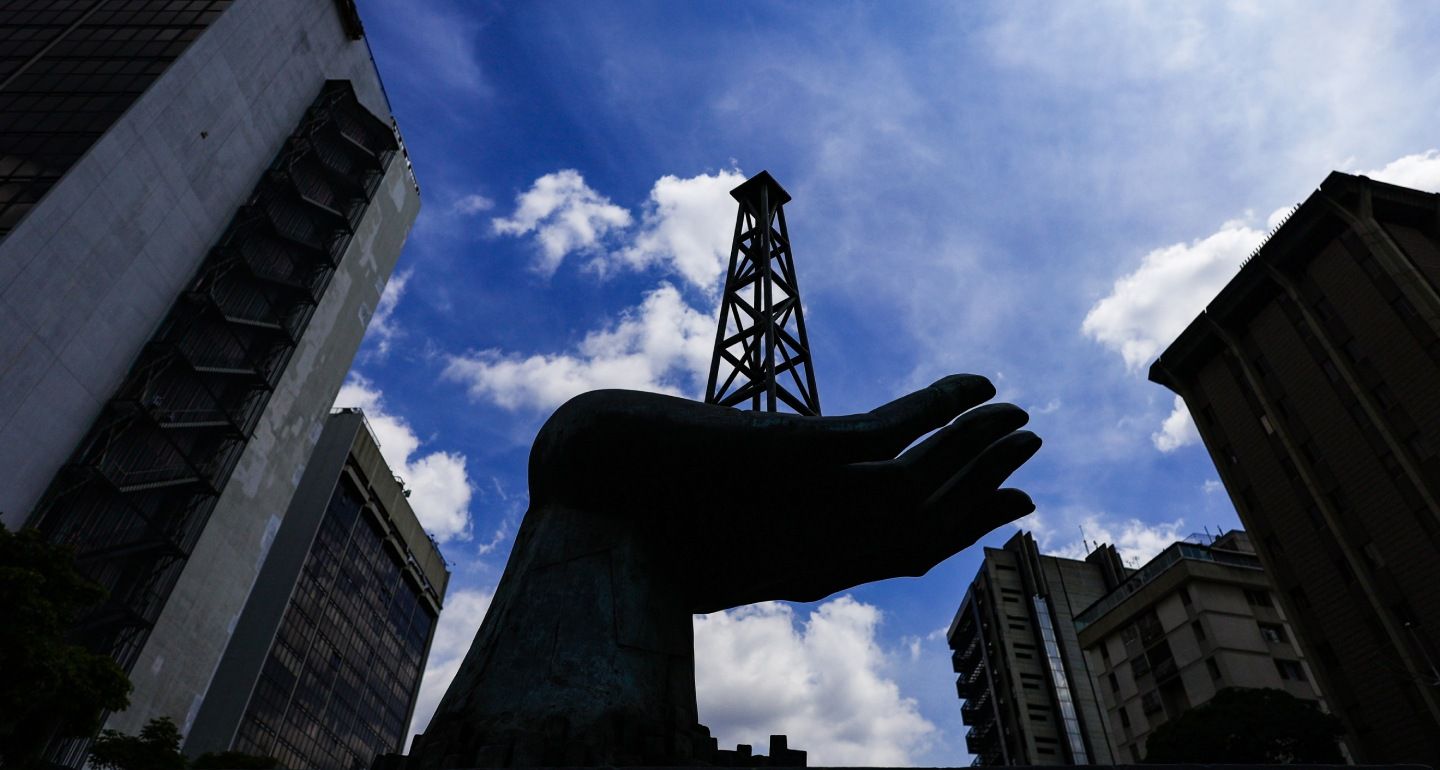
    Venezuela Is No Oil Eldorado, Despite U.S. and Russian Claims

    Geological complexity and years of mismanagement mean the Venezuelan oil industry is not the big prize officials in Moscow and Washington appear to believe.
      • Sergey Vakulenko

      Sergey Vakulenko

Get more news and analysis from
Carnegie Russia Eurasia Center
Carnegie Russia Eurasia logo, white
  • Research
  • Politika
  • About
  • Experts
  • Events
  • Contact
  • Privacy
Get more news and analysis from
Carnegie Russia Eurasia Center
© 2026 Carnegie Endowment for International Peace. All rights reserved.