• Research
  • Politika
  • About
Carnegie Russia Eurasia center logoCarnegie lettermark logo
  • Donate
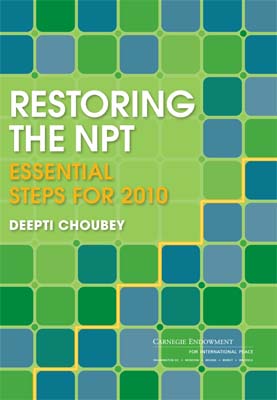
Restoring the NPT: Essential Steps for 2010
Report

Restoring the NPT: Essential Steps for 2010

The upcoming 2010 Non-Proliferation Treaty Review Conference is an opportunity to strengthen the struggling nonproliferation regime, but achieving even modest success will require the political cooperation of nuclear and non-nuclear-weapon states.

Link Copied
By Deepti Choubey
Published on Nov 16, 2009

Additional Links

Full TextSummary

With growing fears about Iran and North Korea’s nuclear programs, conventional wisdom holds that the nonproliferation regime is on the verge of collapse. The upcoming 2010 Non-Proliferation Treaty (NPT) Review Conference is an opportunity to strengthen the regime, but it is in danger of being overloaded by expectations.

Deepti Choubey identifies achievable goals for the Review Conference and outlines steps that nuclear-weapon states—including recommendations tailored for the United States—and non–nuclear-weapon states should take to avert failure.

Recommendations:

  • All states should recognize that restoring the NPT is a joint endeavor—each state’s security is affected by the outcome of nonproliferation efforts, so all states have a stake in fixing problems. States must raise the political profile of the Review Conference and engage NGOs that can provide expertise and create accountability.
     
  • The United States should secure domestic and international support for its agenda to reduce and eliminate nuclear dangers by demonstrating how all of the elements of that agenda are mutually reinforcing and imperative. The United States must reconcile its Nuclear Posture Review with its NPT commitments.
     
  • Non–nuclear-weapon states should seize the window of opportunity opened by President Obama’s forward-leaning leadership. These states must reconcile policy inconsistencies, choose friends wisely, and plan for the future by anticipating what progress on disarmament will mean for them. 


“Averting failure and achieving some modest success at the 2010 NPT Review Conference will require action by all states—nuclear-weapon states and non-nuclear-weapon states alike,” says Choubey. “Although ambitious steps are welcome, small steps will do.”

About the Author

Deepti Choubey

Former Deputy Director, Nuclear Policy Program

Choubey was previously the director of the Peace and Security Initiative for the Ploughshares Fund. She also worked for Ambassador Nancy Soderberg in the New York office of the International Crisis Group.

    Recent Work

  • Q&A
    Understanding the 2010 NPT Review Conference

      Deepti Choubey

  • Article
    Defining Success for the NPT Review Conference

      Deepti Choubey

Deepti Choubey
Former Deputy Director, Nuclear Policy Program
Deepti Choubey
North AmericaUnited StatesMiddle EastEast AsiaChinaCaucasusRussiaWestern EuropeNuclear PolicyNuclear Energy

Carnegie does not take institutional positions on public policy issues; the views represented herein are those of the author(s) and do not necessarily reflect the views of Carnegie, its staff, or its trustees.
More Work from Carnegie Russia Eurasia Center

  • Commentary
    Carnegie Politika
    Why Are China and Russia Not Rushing to Help Iran?

    Most of Moscow’s military resources are tied up in Ukraine, while Beijing’s foreign policy prioritizes economic ties and avoids direct conflict.   

      • Alexander Gabuev

      Alexander Gabuev, Temur Umarov

  • Commentary
    Carnegie Politika
    Georgia’s Fall From U.S. Favor Heralds South Caucasus Realignment

    With the White House only interested in economic dealmaking, Georgia finds itself eclipsed by what Armenia and Azerbaijan can offer.

      Bashir Kitachaev
  • Commentary
    Carnegie Politika
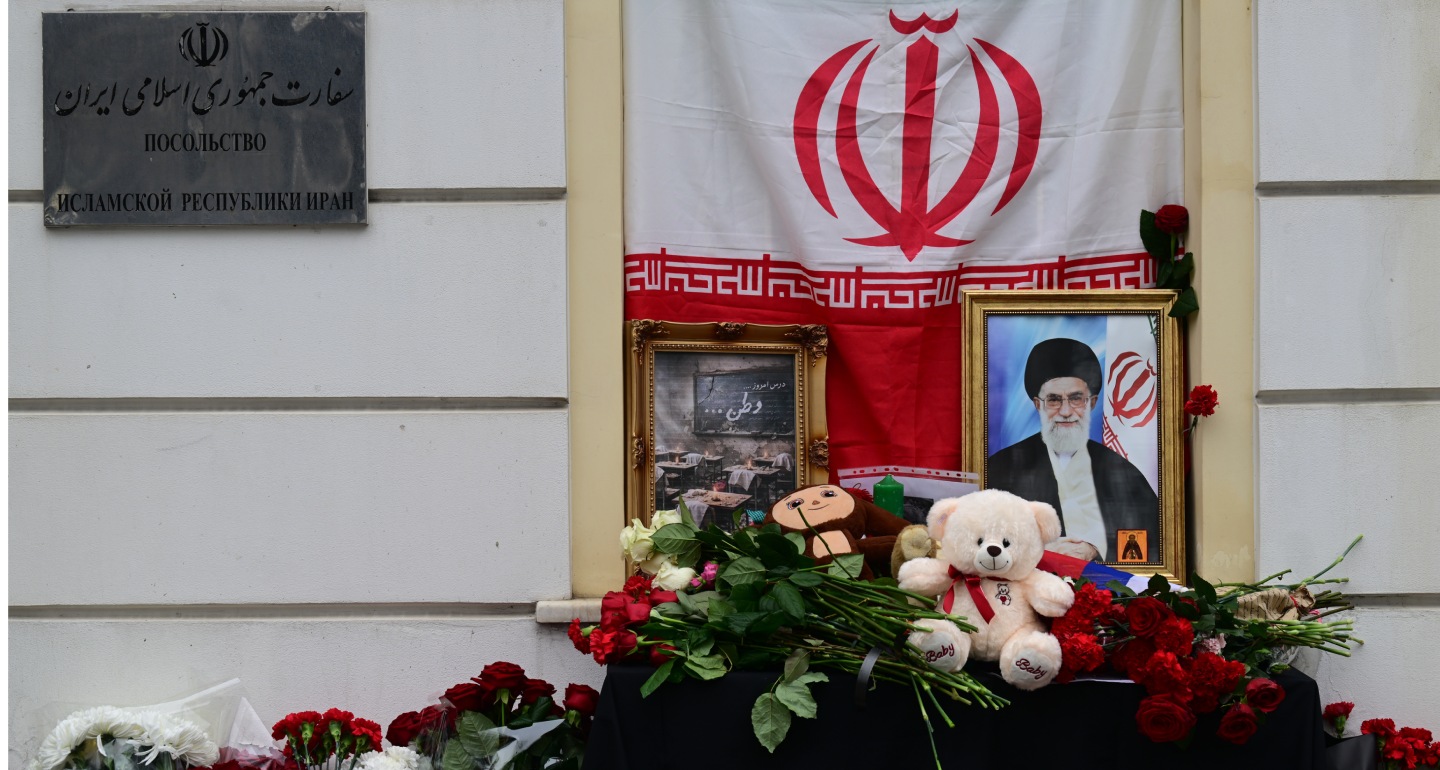
    What Does War in the Middle East Mean for Russia–Iran Ties?

    If the regime in Tehran survives, it could be obliged to hand Moscow significant political influence in exchange for supplies of weapons and humanitarian aid.

      Nikita Smagin
  • Commentary
    Carnegie Politika
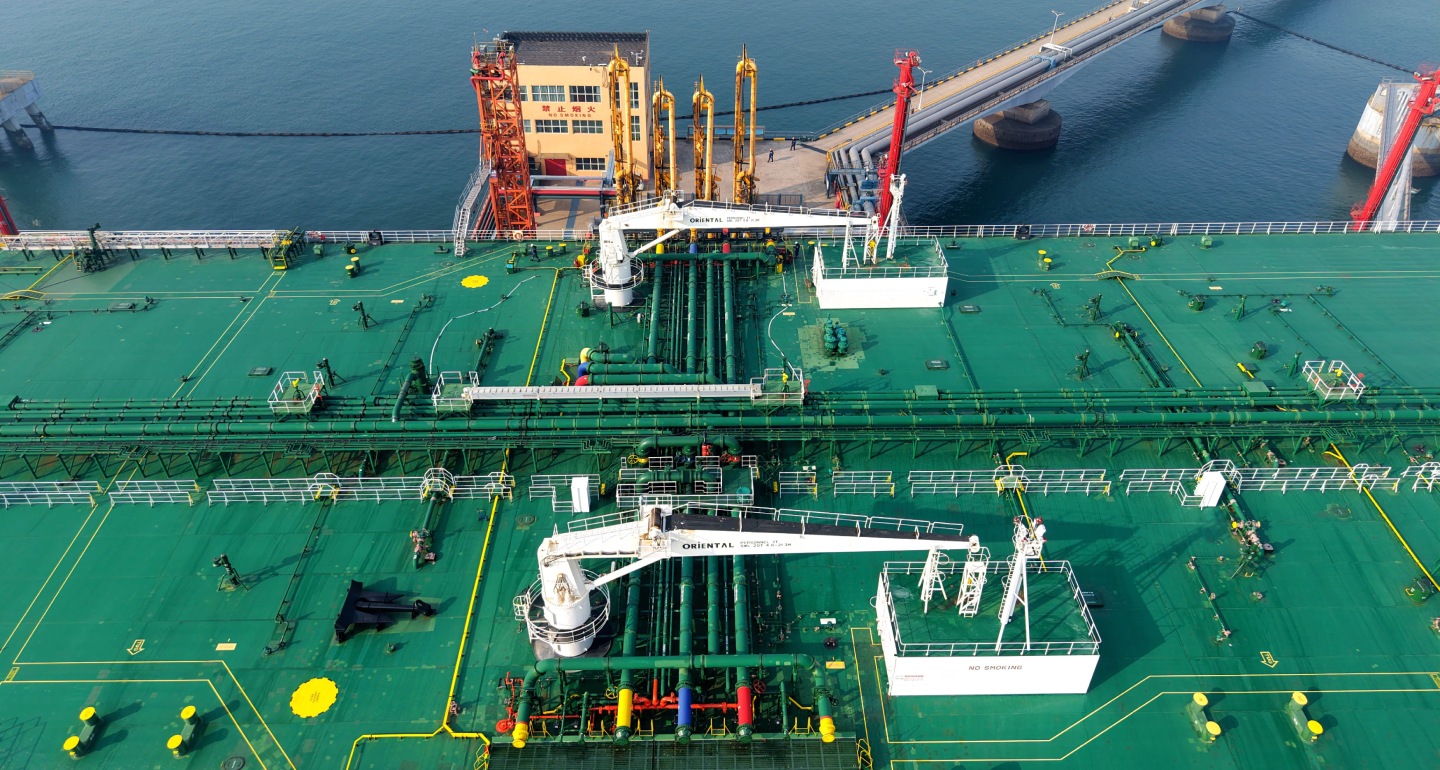
    How Trump’s Wars Are Boosting Russian Oil Exports

    The interventions in Iran and Venezuela are in keeping with Trump’s strategy of containing China, but also strengthen Russia’s position.

      • Mikhail Korostikov

      Mikhail Korostikov

  • Commentary
    Carnegie Politika
    How Far Can Russian Arms Help Iran?

    Arms supplies from Russia to Iran will not only continue, but could grow significantly if Russia gets the opportunity.

      Nikita Smagin

Get more news and analysis from
Carnegie Russia Eurasia Center
Carnegie Russia Eurasia logo, white
  • Research
  • Politika
  • About
  • Experts
  • Events
  • Contact
  • Privacy
Get more news and analysis from
Carnegie Russia Eurasia Center
© 2026 Carnegie Endowment for International Peace. All rights reserved.