

Commentary
Western negotiators often believe territory is just a bargaining chip when it comes to peace in Ukraine, but Putin is obsessed with empire-building.
Andrey Pertsev

As the melting Arctic ice cap opens new shipping lanes and makes it easier to access strategic energy reserves, countries are racing to gain control over the Arctic’s abundant natural resources.
The Arctic is emerging as the world’s next hot spot for oil and gas development. As the melting ice cap opens new shipping lanes and makes it easier to access strategic energy reserves, countries are racing to gain control over the Arctic’s abundant natural resources.
In a report, Dmitri Trenin and Pavel Baev offer a view from Moscow on what the opening of the Arctic means. While there is a strong desire to compete over the resources in order to meet increasing energy demands, Trenin and Baev argue that all countries—with Russia in a leading role—can benefit more through cooperation.
“As countries around the globe continue to rely on a dwindling number of oil and gas reserves to serve their energy needs, the Arctic territory—parts of which remain unclaimed—will continue to be an area of intense geopolitical interest,” Trenin and Baev write. “Russia’s role in fostering either goodwill or rivalry will have implications for countries far from the Arctic’s icy waters.”
Carnegie does not take institutional positions on public policy issues; the views represented herein are those of the author(s) and do not necessarily reflect the views of Carnegie, its staff, or its trustees.
Western negotiators often believe territory is just a bargaining chip when it comes to peace in Ukraine, but Putin is obsessed with empire-building.

Andrey Pertsev
Unexpectedly, Trump’s America appears to have replaced Putin’s Russia’s as the world’s biggest disruptor.
Alexander Baunov
Baku may allow radical nationalists to publicly discuss “reunification” with Azeri Iranians, but the president and key officials prefer not to comment publicly on the protests in Iran.

Bashir Kitachaev
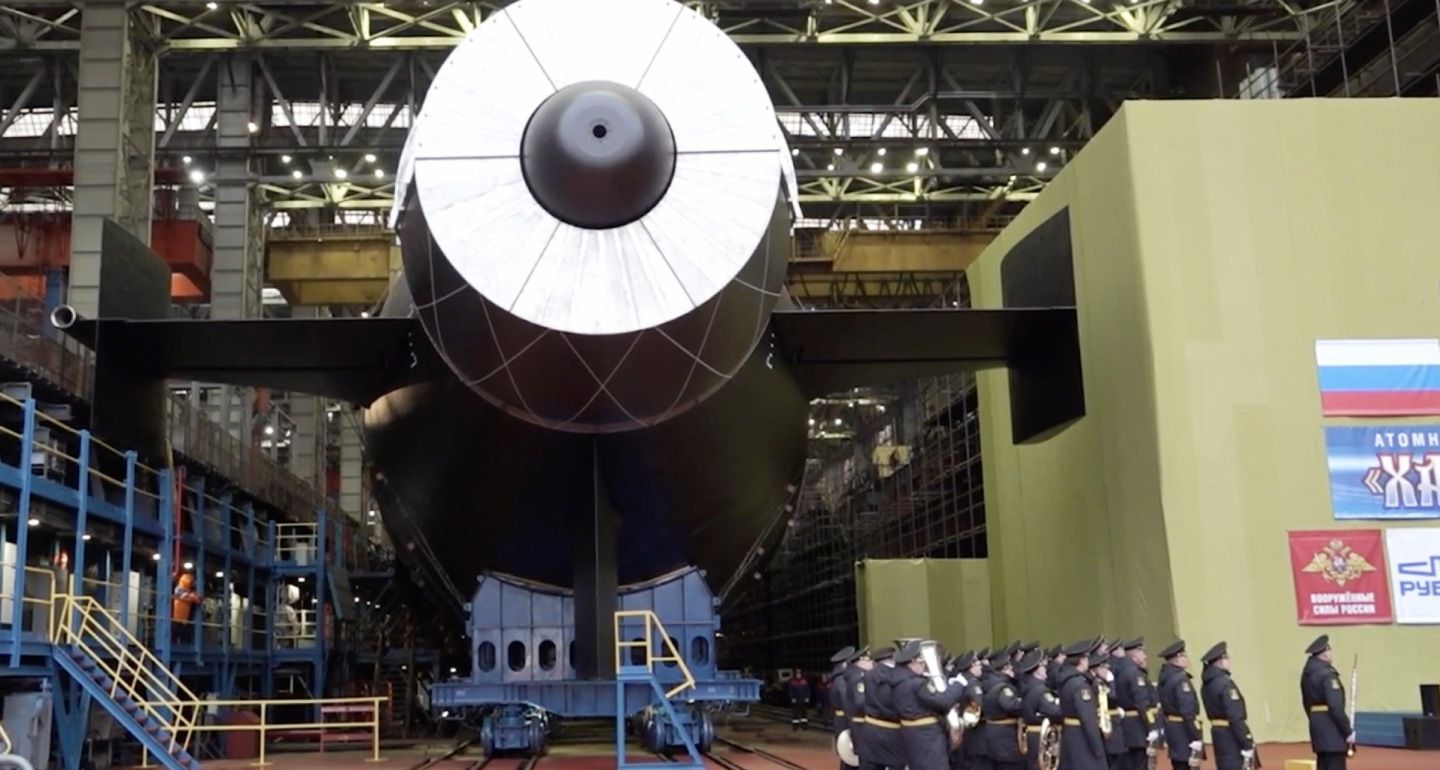
The Kremlin will only be prepared to negotiate strategic arms limitations if it is confident it can secure significant concessions from the United States. Otherwise, meaningful dialogue is unlikely, and the international system of strategic stability will continue to teeter on the brink of total collapse.

Maxim Starchak
For years, the Russian government has promoted “sovereign” digital services as an alternative to Western ones and introduced more and more online restrictions “for security purposes.” In practice, these homegrown solutions leave people vulnerable to data leaks and fraud.

Maria Kolomychenko