

{
  "authors": [
    "Heba Aly",
    "Charles  Kenny",
    "Sarah E. Mendelson",
    "Stewart Patrick"
  ],
  "type": "event",
  "centerAffiliationAll": "dc",
  "centers": [
    "Carnegie Endowment for International Peace"
  ],
  "collections": [
    "The United Nations Without the United States",
    "The Post-American World"
  ],
  "englishNewsletterAll": "",
  "nonEnglishNewsletterAll": "",
  "primaryCenter": "Carnegie Endowment for International Peace",
  "programAffiliation": "GOI",
  "programs": [
    "Global Order and Institutions"
  ],
  "topics": [
    "United Nations",
    "Global Governance"
  ]
}
The UN Without the United States: The Future of Sustainable Development
Mon, February 23rd, 2026
Live Online
Invalid video URL
“A global development emergency” is how the UN Secretary-General António Guterres described the state of progress towards the Sustainable Development Goals (SDGs) in July 2025. Five years from the 2030 deadline, none of the 17 goals are on track to be achieved. The goals have been criticized for being too broad, too numerous, and too aspirational and, no doubt, have been set back by the COVID-19 pandemic, climate change, and conflict. Financing remains a perennial question. At the same time, the SDGs remain the organizing principle for global social and economic progress.
The United States publicly renounced the SDGs in March 2025 as a “globalist endeavor,” one “inconsistent with U.S. sovereignty and the rights and interests of Americans.” More concretely, it closed its major development assistance agency, USAID, and significantly cut foreign aid. Geopolitics and fiscal shocks will also make the road ahead difficult, but many countries remain focused on food systems, energy, digital connectivity, education, jobs and social protection, and climate and biodiversity—six areas that the UN has deemed could have the greatest impact on development.
What implications, if any, does the U.S. renunciation of the SDGs have for global development and for the United States? Will other countries reinvest and continue apace? More broadly, can and should the SDGs retain their relevance, and can progress on them be accelerated, in the final five years of their timeline?
To shed light on these and other questions, please join Carnegie’s Global Order and Institution Program Director and Senior Fellow Stewart Patrick for a conversation with Heba Aly, director at Article 109, Charles Kenney, senior fellow at Center for Global Development, and Sarah Mendelson, distinguished service professor of public policy and director of Sustainable Futures at Carnegie Mellon University.
Carnegie does not take institutional positions on public policy issues; the views represented herein are those of the author(s) and do not necessarily reflect the views of Carnegie, its staff, or its trustees.
Event Speakers
Heba Aly
Director, Article 109
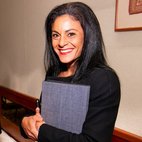
Heba Aly the director of Article 109, which mobilizes UN Member States to update the United Nations Charter such that it more equitably distributes power and better addresses today’s crises. Heba is also the facilitator of ODI Global's Donors in a Post-Aid World dialogue series, which convenes government donors to reimagine development cooperation in the 21st century. Previously, Heba was the CEO of the world’s leading source of journalism about humanitarian crises around the world, The New Humanitarian.
Charles Kenny
Senior Fellow, Center for Global Development
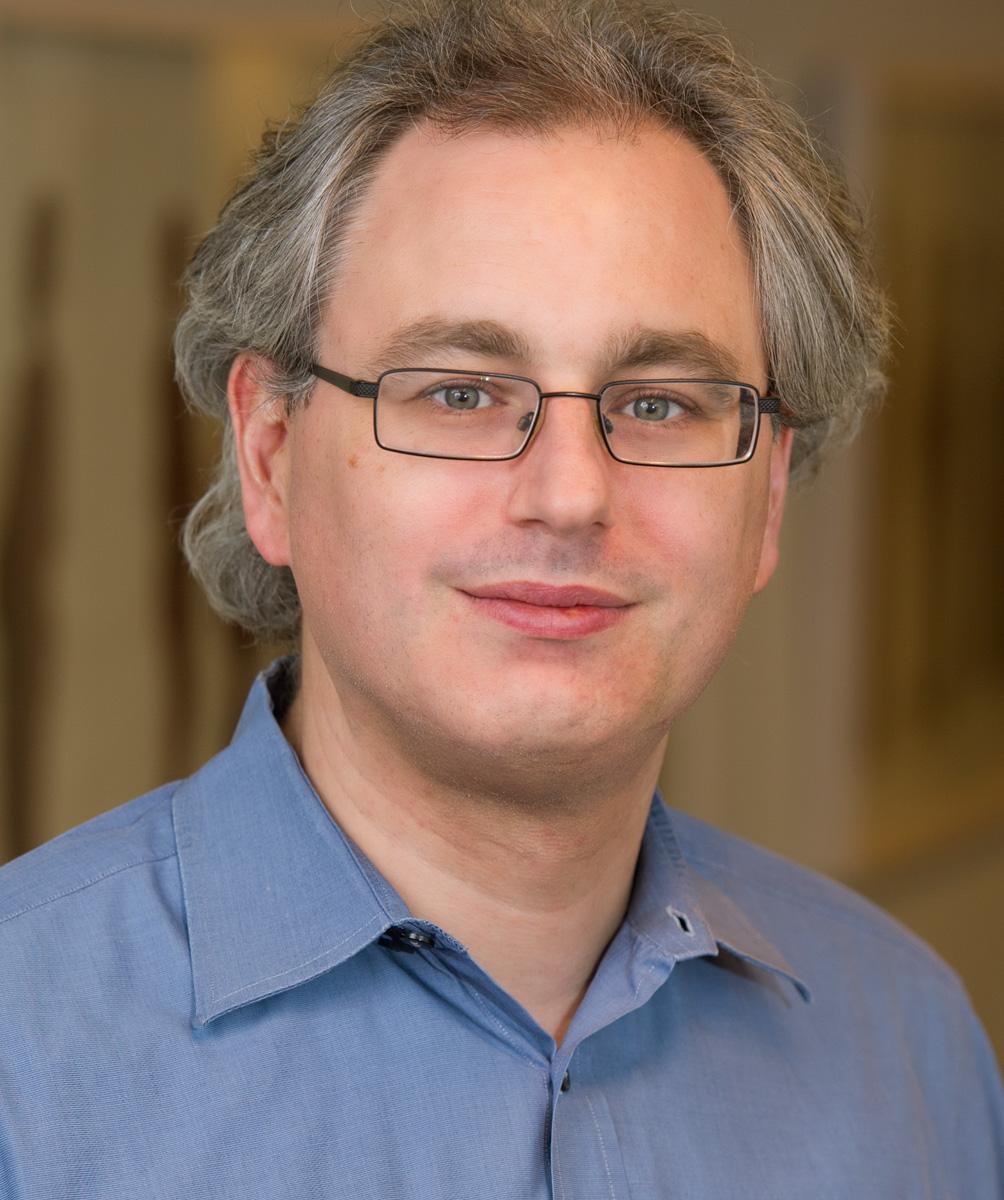
Charles Kenny is a senior fellow at the Center for Global Development. His current work focuses on global economic prospects, gender and development, and development finance. Kenny was previously at the World Bank, where his assignments included coordinating work on governance and anticorruption in infrastructure and natural resources, and managing a number of investment and technical assistance projects covering telecommunications and the Internet.
Sarah E. Mendelson
Distinguished Service Professor of Public Policy, Director, Sustainable Futures, Carnegie Mellon University
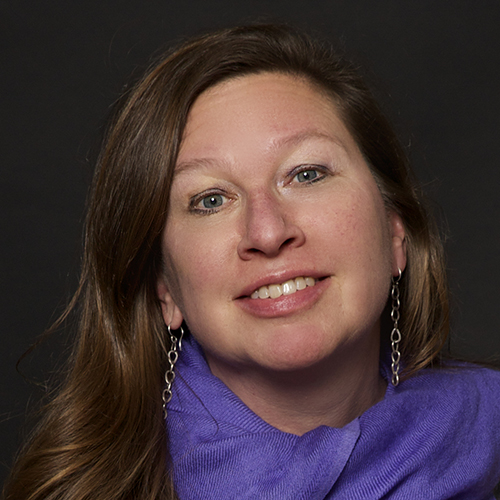
Ambassador Sarah E. Mendelson has served as a distinguished service professor of public policy at Carnegie Mellon University since 2018. Prior to that, she was the US Ambassador to the UN’s ECOSOC, and a senior official at USAID in the Obama administration. She currently leads a community of practice composed of senior rights experts and data scientists from a number of universities reframing human rights, elevating socioeconomic issues, and aligning with the Sustainable Development Goals (SDGs) as a framework.
Stewart Patrick
Senior Fellow and Director, Global Order and Institutions Program

Stewart Patrick is a senior fellow and director of the Global Order and Institutions Program at the Carnegie Endowment for International Peace. His primary areas of research focus are the shifting foundations of world order, the future of American internationalism, and the requirements for effective multilateral cooperation on transnational challenges.