

Q&A
- +2
Judy Dempsey, Alexander Gabuev, Rose Gottemoeller, …
{
  "authors": [
    "Rose Gottemoeller"
  ],
  "type": "legacyinthemedia",
  "centerAffiliationAll": "dc",
  "centers": [
    "Carnegie Endowment for International Peace"
  ],
  "collections": [],
  "englishNewsletterAll": "ctw",
  "nonEnglishNewsletterAll": "",
  "primaryCenter": "Carnegie Endowment for International Peace",
  "programAffiliation": "russia",
  "programs": [
    "Russia and Eurasia",
    "Nuclear Policy"
  ],
  "projects": [],
  "regions": [],
  "topics": [
    "Nuclear Policy"
  ]
}
REQUIRED IMAGE
Source: Carnegie
From the outset of his administration, President George W. Bush has used two principles to change dramatically the United States' conduct of its arms control policy: first, emphasize unilateral action, conducted-if possible, but not necessarily-in concert with former U.S. adversaries at the negotiating table; and second, be willing to discard arms control mechanisms that might be considered outdated or harmful to U.S. interests.
By the end of 2001, the administration had implemented both principles in U.S. policy. The president announced reductions in U.S. strategic offensive forces to a level of 1,700-2,200 deployed warheads. A short time later, Russian President Vladimir Putin announced that Russia would reduce its strategic offensive forces to 1,500-2,200 deployed warheads. Then, on December 13, 2001, Bush declared the U.S. intent to withdraw from the 1972 Anti-Ballistic Missile (ABM) Treaty within six months, stressing that the treaty is a relic of the Cold War and hampers the ability of the United States to defend itself. These cataclysmic events took place in a policy arena that has remained fairly stable during the past 30 years.
“Arms control” throughout this period has usually meant carefully negotiated agreements, whether bilateral or multilateral, with legally binding measures to implement them. To discard that approach, and the treaties themselves, in favor of more informal, unilateral arms control measures gives rise to several questions. Will the change be good for the United States, and does it help the country achieve its strategic goals? Or will pitfalls and problems undo many of the advances that have been achieved in arms reduction and control? Will the policy shift prevent the emergence of a new and more positive relationship with Russia?
Download the full article from Washington Quarterly, in Adobe Acrobat [.pdf] format.

Nonresident Senior Fellow, Nuclear Policy Program
Rose Gottemoeller is a nonresident senior fellow in Carnegie’s Nuclear Policy Program. She also serves as lecturer at Stanford University’s Freeman Spogli Institute for International Studies and is a research fellow at the Hoover Institution. Ambassador Gottemoeller served as the deputy secretary general of NATO from 2016 to 2019.
Recent Work


Judy Dempsey, Alexander Gabuev, Rose Gottemoeller, …
Carnegie does not take institutional positions on public policy issues; the views represented herein are those of the author(s) and do not necessarily reflect the views of Carnegie, its staff, or its trustees.
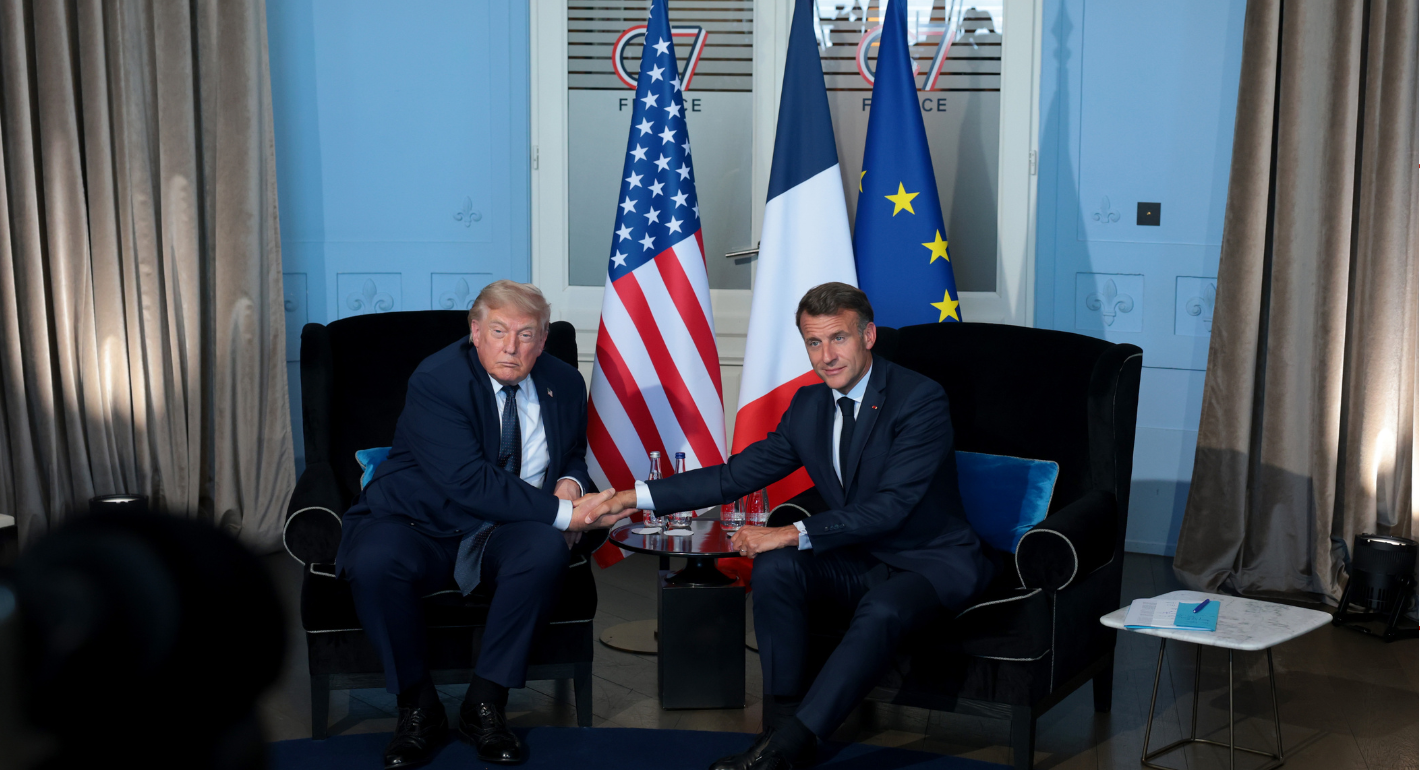
When the U.S.-Iran memorandum of understanding was announced, the UK, France, Germany, and Italy declared their readiness to help demine the Strait of Hormuz and lift nuclear sanctions on Tehran. But does Europe need new tools to recover a diplomatic role?

Rym Momtaz, ed.
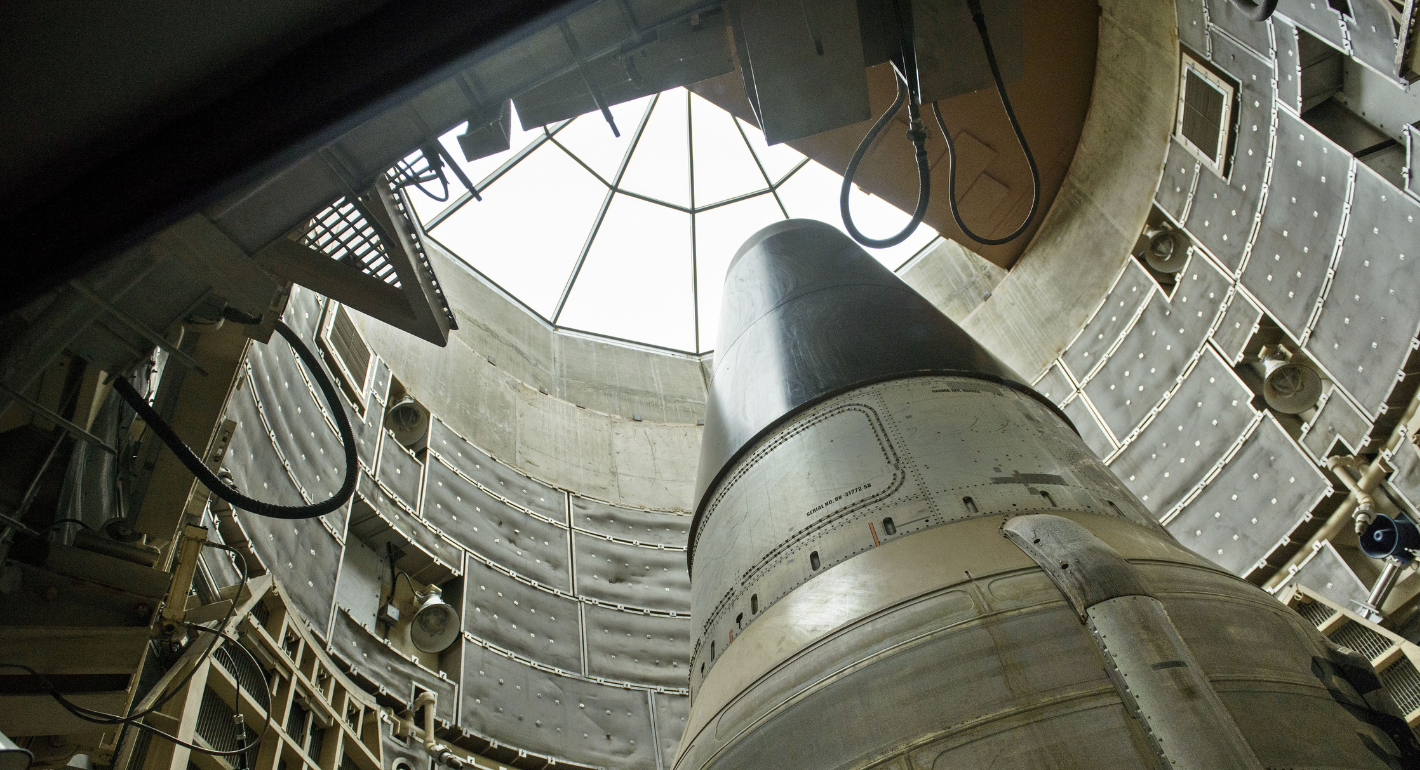
Amid uncertainty caused by the Iran war, the global drive for nonproliferation has stalled. With Europe diplomatically marginalized and countries reassessing their nuclear options, efforts to curb the spread of nuclear weapons risk becoming irrelevant.

Jane Darby Menton
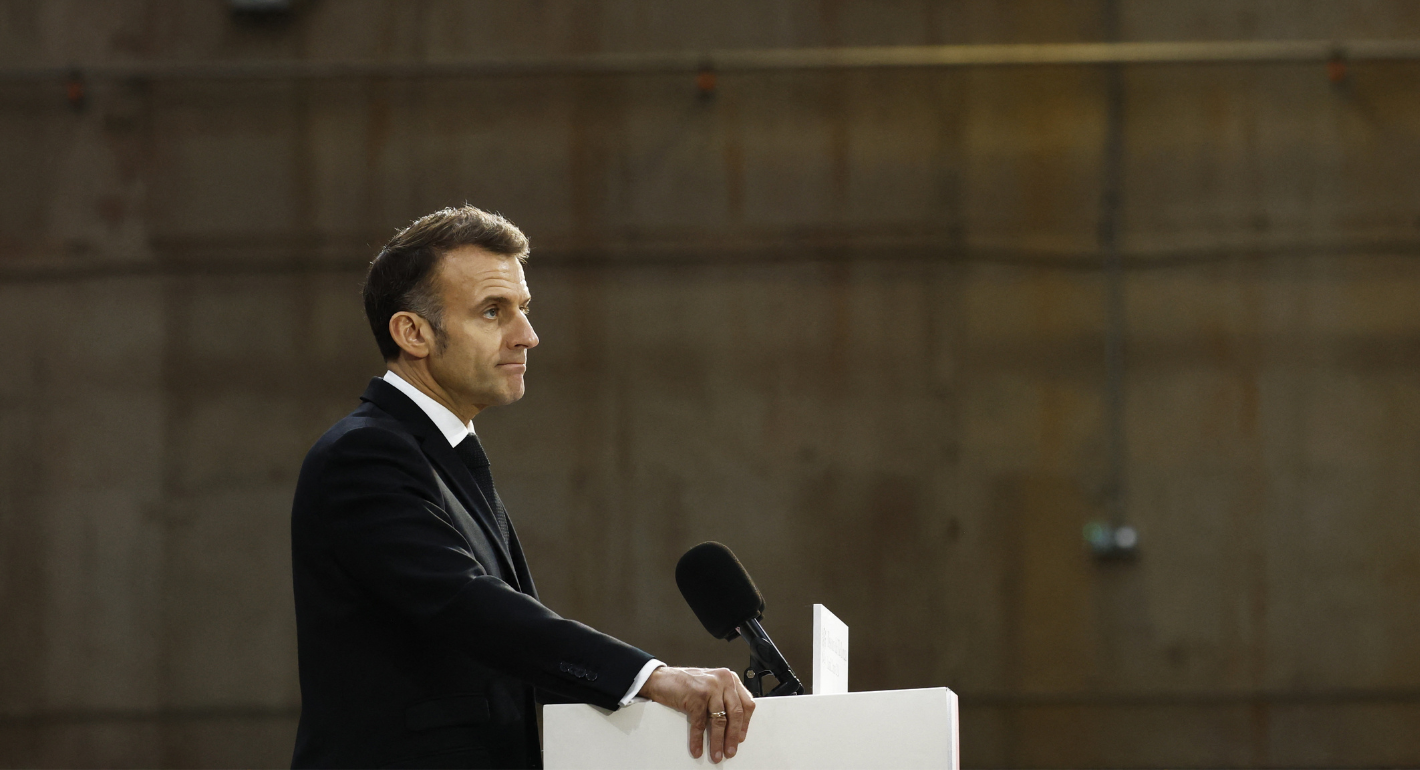
French President Emmanuel Macron has unveiled his country’s new nuclear doctrine. Are the changes he has made enough to reassure France’s European partners in the current geopolitical context?
Rym Momtaz, ed.
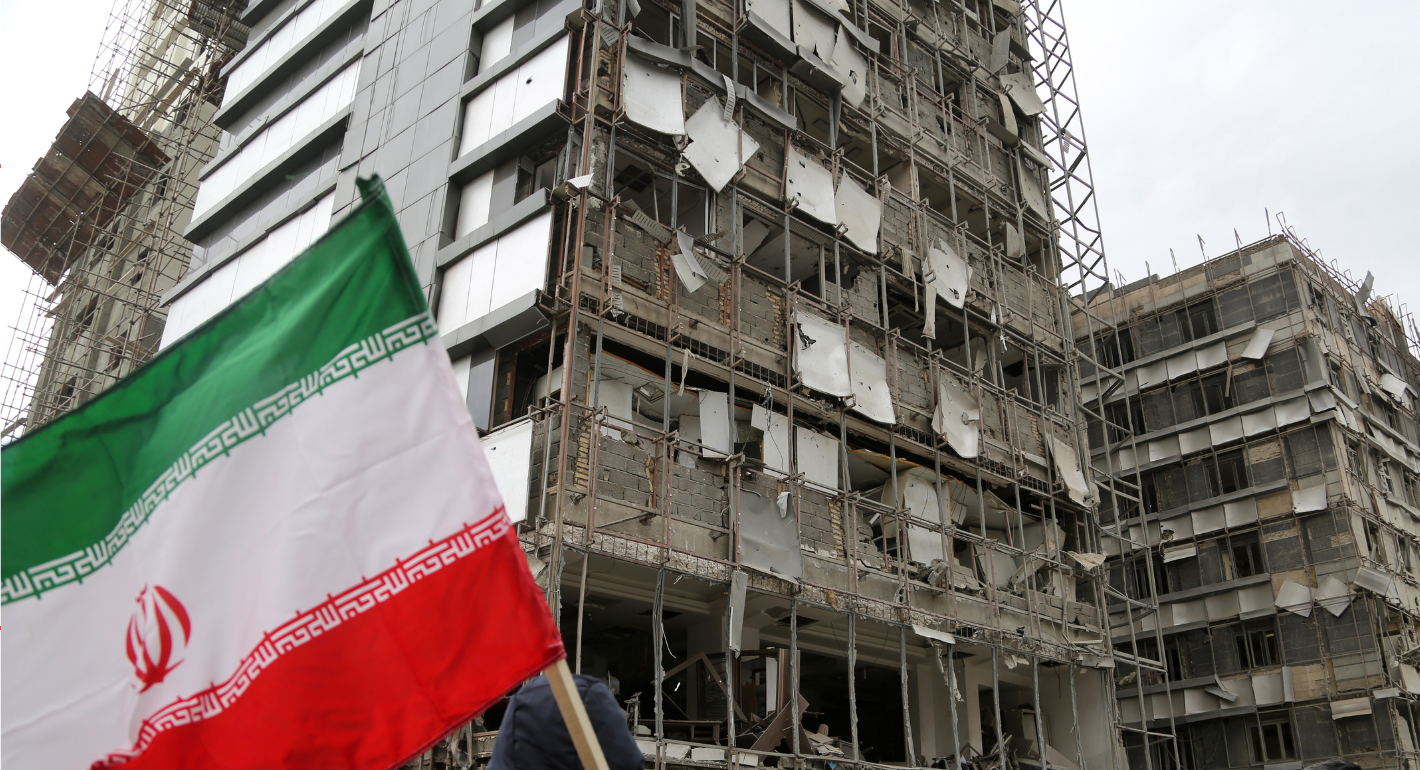
Europe’s reaction to the war in Iran has been disunited and meek, a far cry from its previously leading role in diplomacy with Tehran. To avoid being condemned to the sidelines while escalation continues, Brussels needs to stand up for international law.

Pierre Vimont
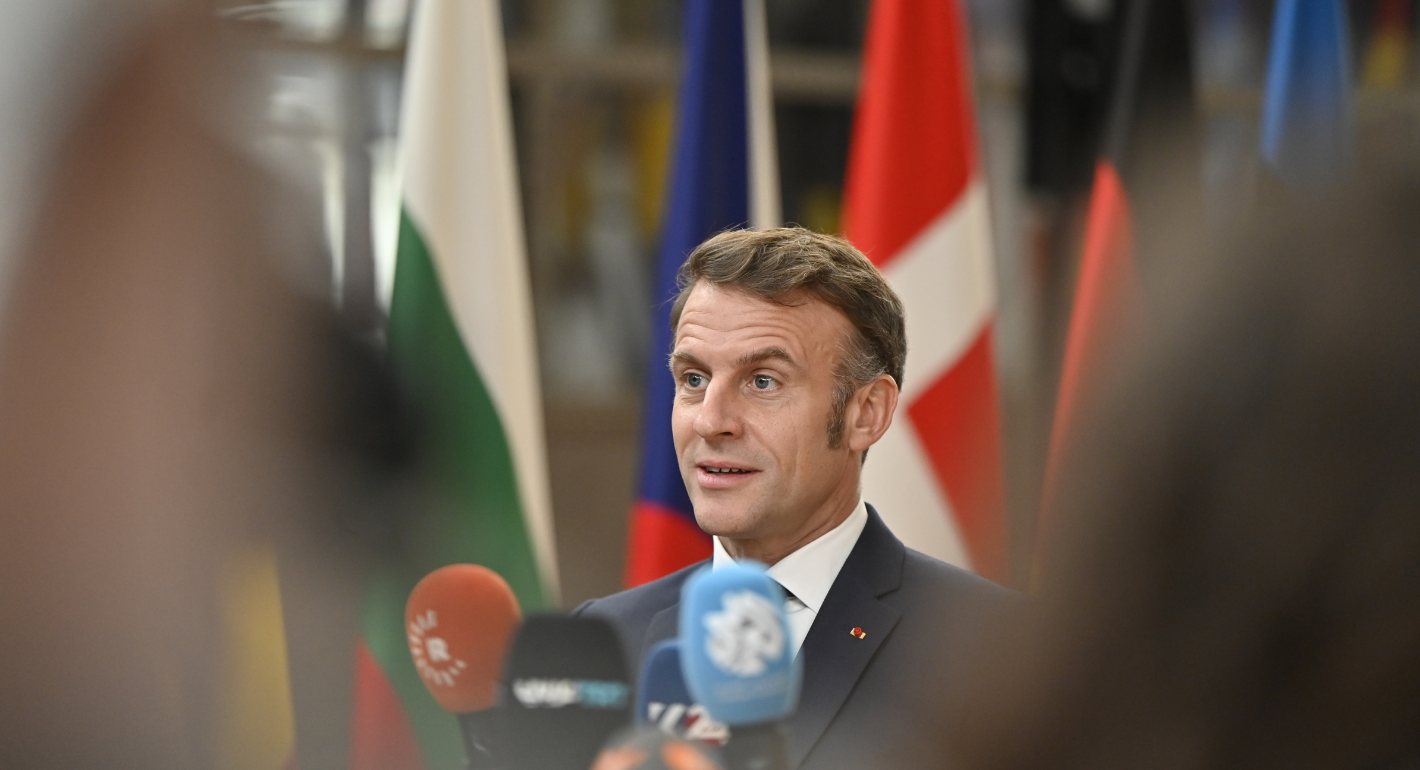
France has stopped clinging to notions of being a great power and is embracing the middle power moment. But Emmanuel Macron has his work cut out if he is to secure his country’s global standing before his term in office ends.
Rym Momtaz