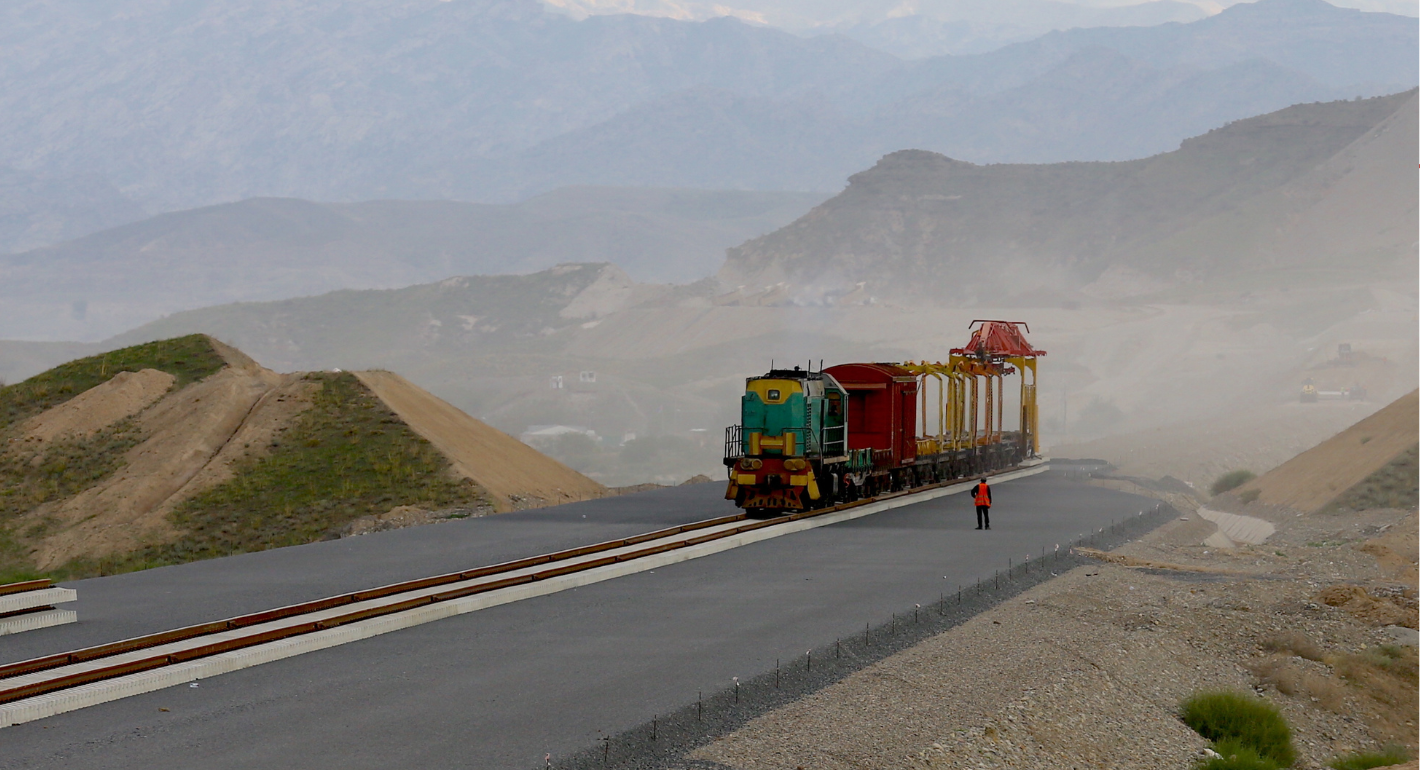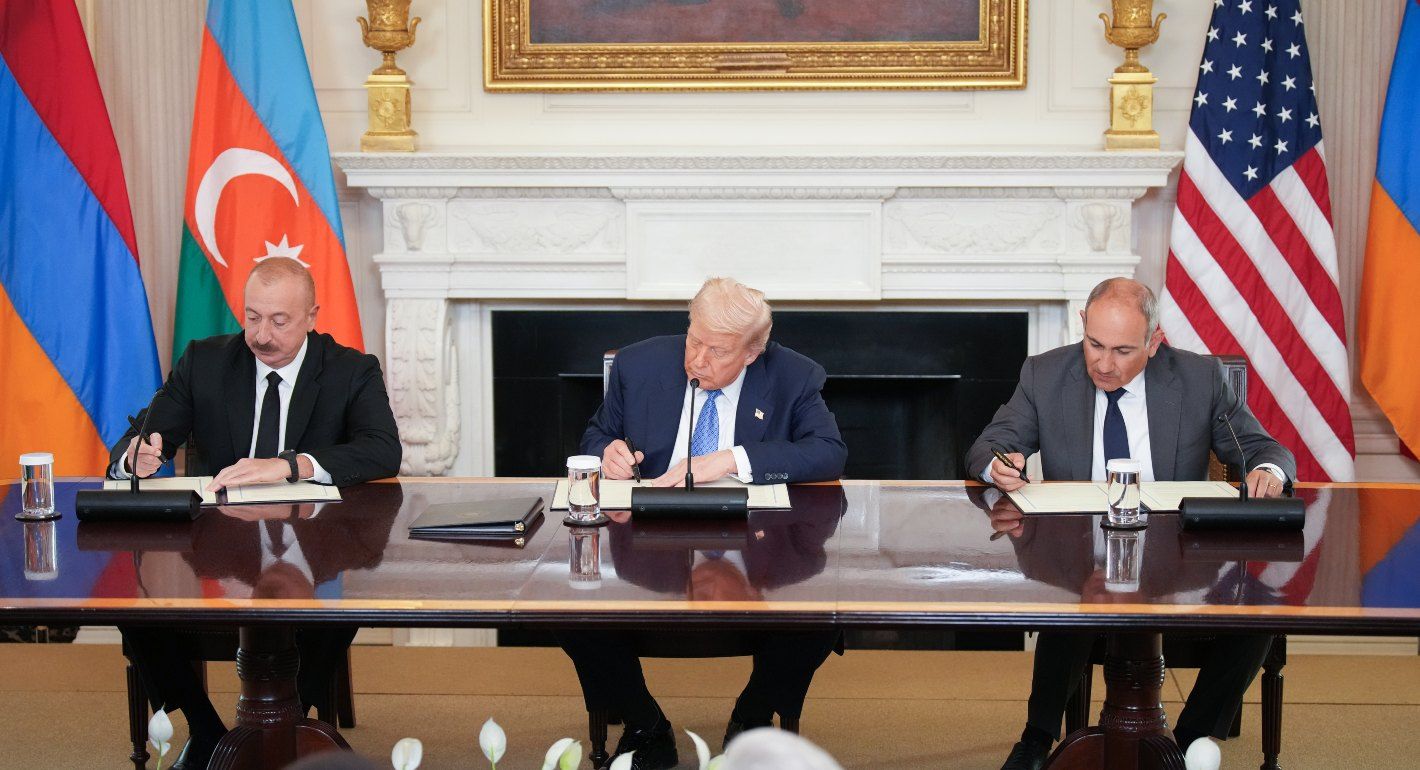
The EU lacks leadership and strategic planning in the South Caucasus, while the United States is leading the charge. To secure its geopolitical interests, Brussels must invest in new connectivity for the region.
Zaur Shiriyev
{
"authors": [],
"type": "other",
"centerAffiliationAll": "dc",
"centers": [
"Carnegie Endowment for International Peace"
],
"collections": [],
"englishNewsletterAll": "",
"nonEnglishNewsletterAll": "",
"primaryCenter": "Carnegie Endowment for International Peace",
"programAffiliation": "russia",
"programs": [
"Russia and Eurasia"
],
"projects": [],
"regions": [
"Caucasus"
],
"topics": []
}Source: Getty
A monthly update of Carnegie content on Russia and Eurasia.
Russia and Eurasia Program Newsletter offers a monthly update of the R&E Program and the Carnegie Moscow Center's recent reports, publication, and events. Click here to subscribe.

2007
2006
Carnegie does not take institutional positions on public policy issues; the views represented herein are those of the author(s) and do not necessarily reflect the views of Carnegie, its staff, or its trustees.
The EU lacks leadership and strategic planning in the South Caucasus, while the United States is leading the charge. To secure its geopolitical interests, Brussels must invest in new connectivity for the region.
Zaur Shiriyev
2026 has started in crisis, as the actions of unpredictable leaders shape an increasingly volatile global environment. To shift from crisis response to strategic foresight, what under-the-radar issues should the EU prepare for in the coming year?
Thomas de Waal
U.S. President Donald Trump’s claims to have ended eight wars may be debatable, but his peace efforts raise valid questions. Europe can learn lessons from Washington on how to break the deadlock in protracted conflicts.
Thomas de Waal
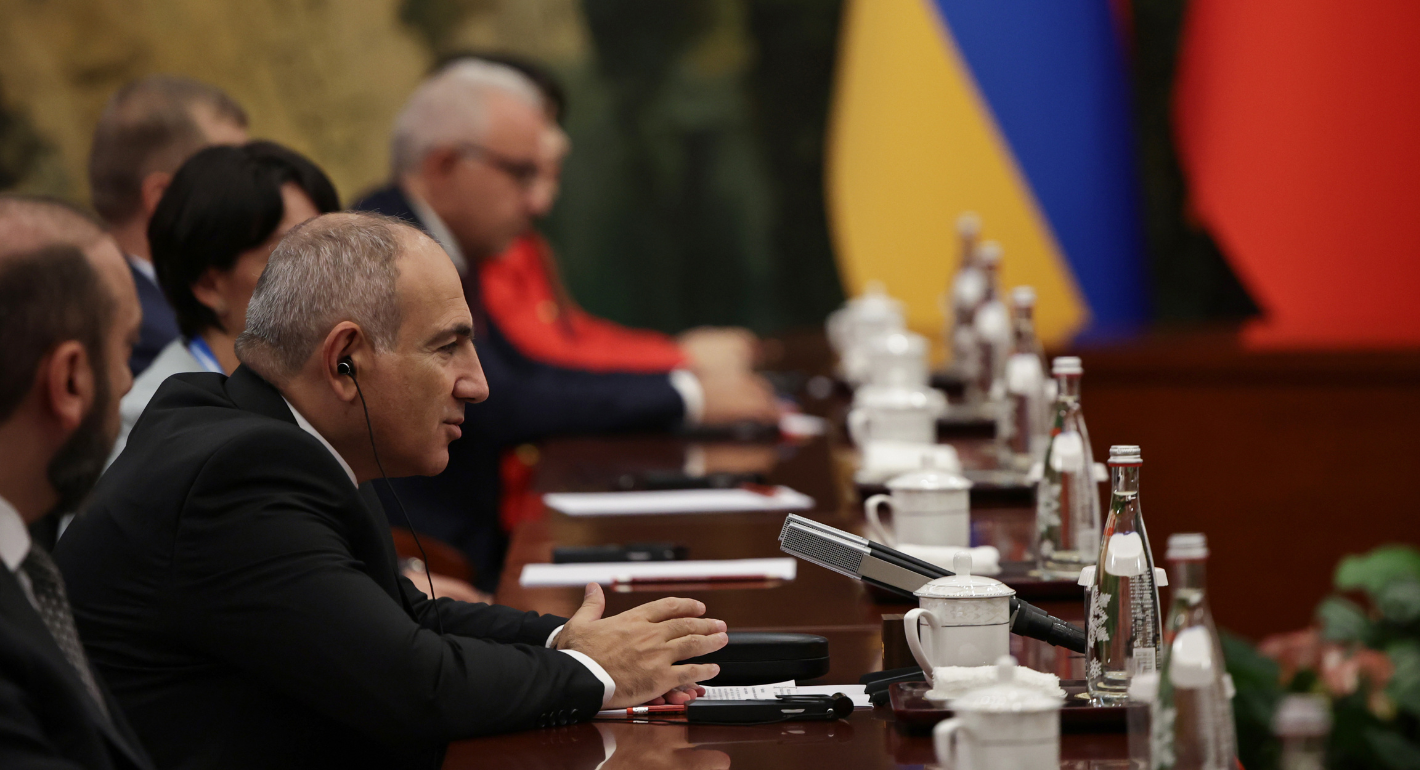
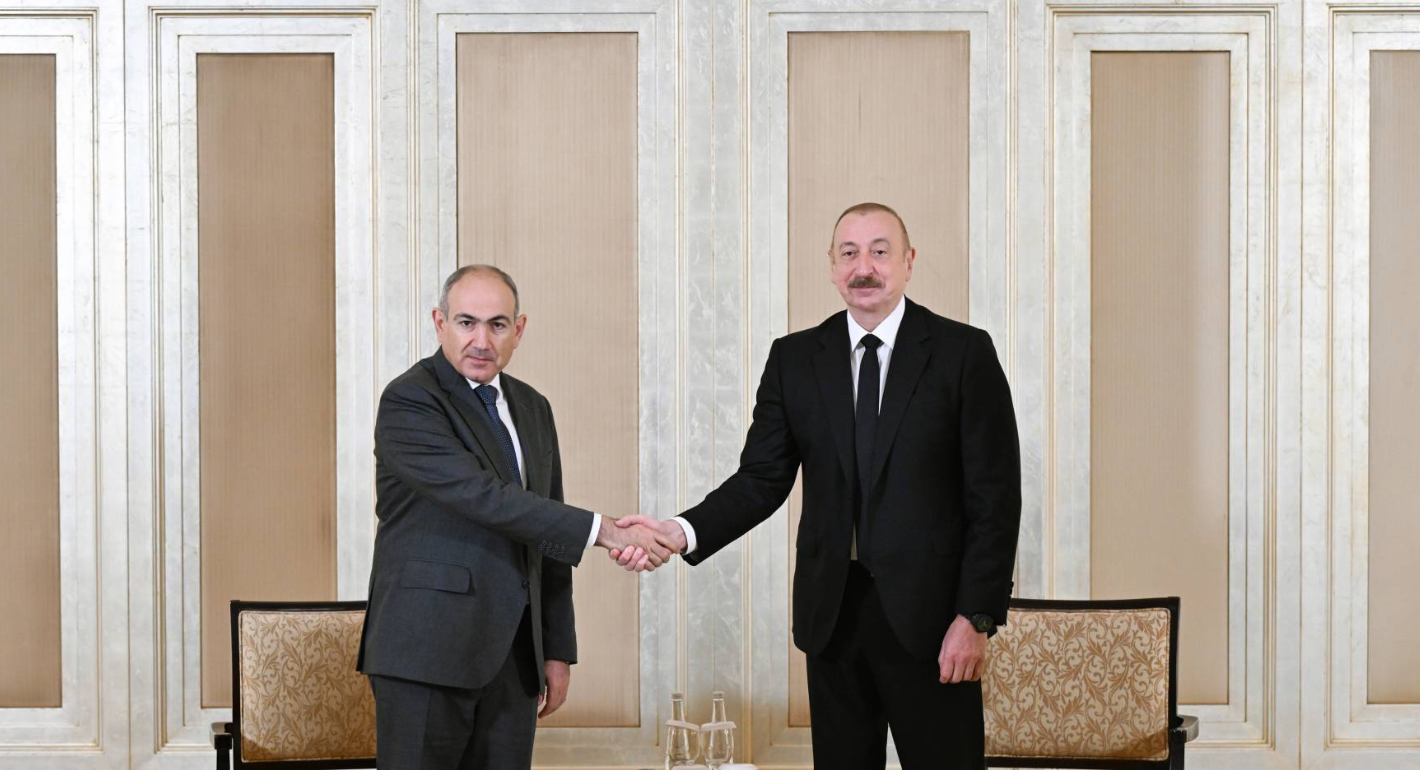
As the 2026 Armenian election approaches, Prime Minister Nikol Pashinyan is facing fierce opposition from both Russia and the diaspora. He will need the help of Europe, the United States, and regional neighbours to advance his ambitious foreign policy.
Thomas de Waal
Turkey seeks to position itself as a key peacemaker and regional hub in the South Caucasus. To achieve this, Ankara should move beyond nationalist rhetoric toward a more pragmatic, strategic approach rooted in the international legal order.
Anna Ohanyan