• Research
  • Strategic Europe
  • About
  • Experts
Carnegie Europe logoCarnegie lettermark logo
EUUkraine
  • Donate
{
  "authors": [],
  "type": "pressRelease",
  "centerAffiliationAll": "dc",
  "centers": [
    "Carnegie Endowment for International Peace"
  ],
  "collections": [],
  "englishNewsletterAll": "",
  "nonEnglishNewsletterAll": "",
  "primaryCenter": "Carnegie Endowment for International Peace",
  "programAffiliation": "NPP",
  "programs": [
    "Nuclear Policy"
  ],
  "projects": [],
  "regions": [],
  "topics": [
    "Nuclear Policy"
  ]
}
REQUIRED IMAGE

REQUIRED IMAGE

Press Release

Press Release: Vital UN Nonproliferation Resolution Lacks Proper Support, Says New Carnegie Paper

Link Copied
Published on Jun 21, 2007

FOR IMMEDIATE RELEASE: June 21, 2007

- NEWS RELEASE -


WASHINGTON, June 21— United Nations Resolution 1540 would make proliferation more difficult and less attractive, facilitate the dismantlement of proliferation networks, and create momentum to strengthen other aspects of the nonproliferation regime—but major challenges preventing actual implementation need to be comprehensively addressed, says a new paper from the Carnegie Endowment.

Resolution 1540, introduced in 2004, is the most comprehensive response by the UN Security Council following the exposure of the transnational nuclear smuggling network set up by Pakistani scientist A. Q. Khan. The resolution is exceptional in that it compels every UN member state to criminalize the proliferation of weapons of mass destruction (WMD) to non-state actors in its national legislation and to establish effective domestic controls to prevent proliferation.

In Implementing UN Security Council Resolution 1540: A Division of Labor Strategy, Monika Heupel, a former visiting scholar in the Carnegie Endowment’s Nonproliferation Program, argues that in light of the huge challenges it faces, implementation depends upon applying a division of labor strategy.   In this strategy, international organizations, individual states, and NGOs would all utilize their comparative advantages to address the various implementation challenges.

Heupel urges policy makers to consider the following recommendations:

  • The Security Council should strengthen the structural foundation of the 1540 Committee—responsible for promoting the implementation of the Resolution—by turning it into a permanent body and by adding additional personnel and experts. International organizations, individual states, and NGOs should cooperate fully with the Committee to make more legislative, technical and financial assistance available to the 1540 Committee. 
  • Assisting high-risk states should continue to be a priority for the Committee, but should be extended beyond Russia and the former Soviet Union successor states. 
  • The nuclear weapons states should build political will to strengthen the nonproliferation regime by taking more credible steps toward disarmament and refrain from modernizing their nuclear weapon arsenal. 
  • NGOs and regional organizations should put pressure on advanced states who have sufficient capacities and expertise to implement Resolution 1540 but who have been slow to do so.

Notes:

  1. To read this Carnegie Paper, go to www.carnegieendowment.org/publications
    Direct link to the PDF:
    http://www.carnegieendowment.org/files/cp87_heupel_final.pdf
  2. Monika Heupel was a visiting scholar in the Carnegie Endowment’s Nonproliferation Program, assessing the United Nations Security Council’s approach toward terrorism and WMD proliferation.  She is currently a visiting scholar at German Institute for International and Security Affairs. 
  3. For Press Inquiries, please contact Trent Perrotto, Communications Manager, 202-939-2372, tperrotto@ceip.org
  4. The Carnegie Endowment for International Peace is a private, nonprofit organization dedicated to advancing cooperation between nations and promoting active international engagement by the United States. Founded in 1910, its work is nonpartisan and dedicated to achieving practical results.  The Endowment has added operations in Beijing, Beirut, and Brussels to join its longstanding offices in Washington and Moscow as part of its transformation into the first global think tank.

### 

Nuclear Policy

Carnegie does not take institutional positions on public policy issues; the views represented herein are those of the author(s) and do not necessarily reflect the views of Carnegie, its staff, or its trustees.

More Work from Carnegie Europe

  • Commentary
    Strategic Europe
    Europe on Iran: Gone with the Wind

    Europe’s reaction to the war in Iran has been disunited and meek, a far cry from its previously leading role in diplomacy with Tehran. To avoid being condemned to the sidelines while escalation continues, Brussels needs to stand up for international law.

      Pierre Vimont

  • Commentary
    Strategic Europe
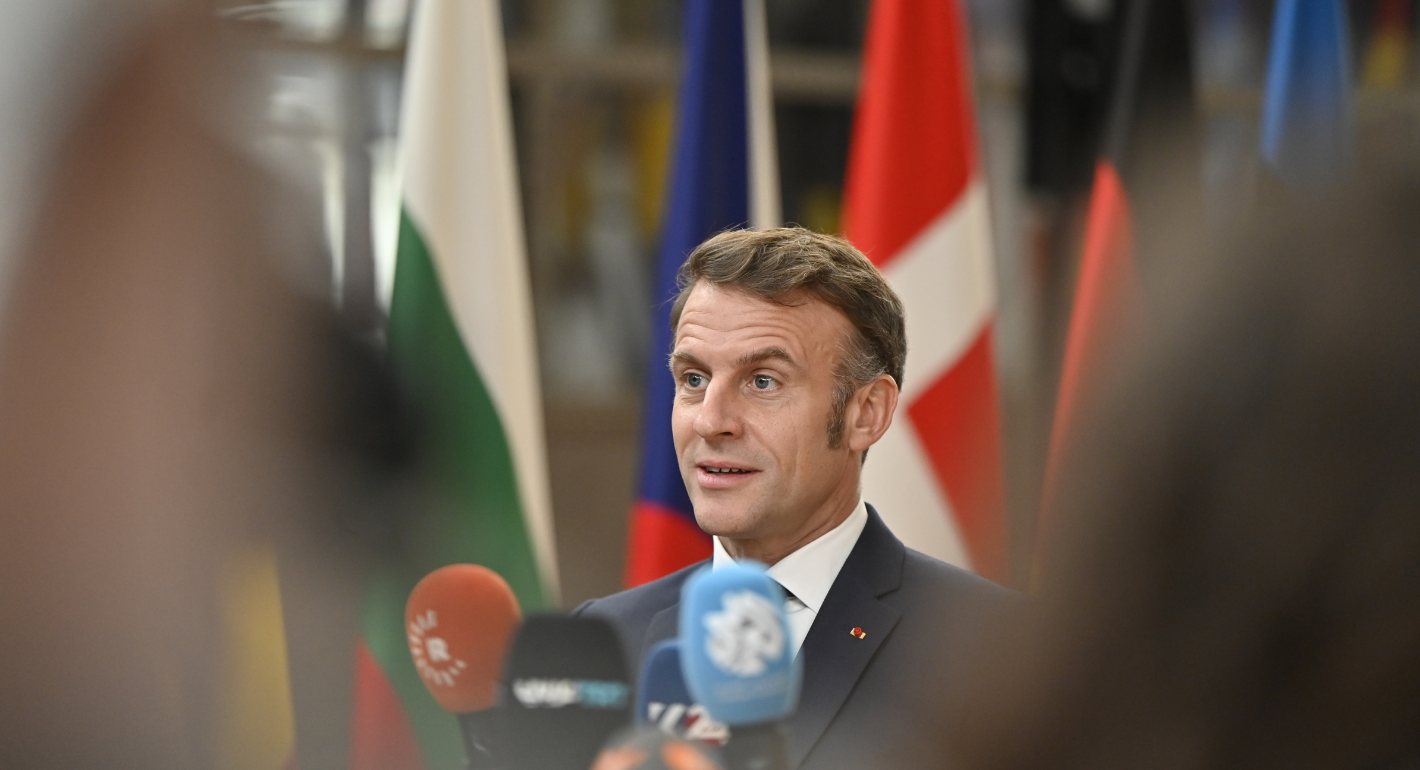
    Macron Makes France a Great Middle Power

    France has stopped clinging to notions of being a great power and is embracing the middle power moment. But Emmanuel Macron has his work cut out if he is to secure his country’s global standing before his term in office ends.

      • Rym Momtaz

      Rym Momtaz

  • Commentary
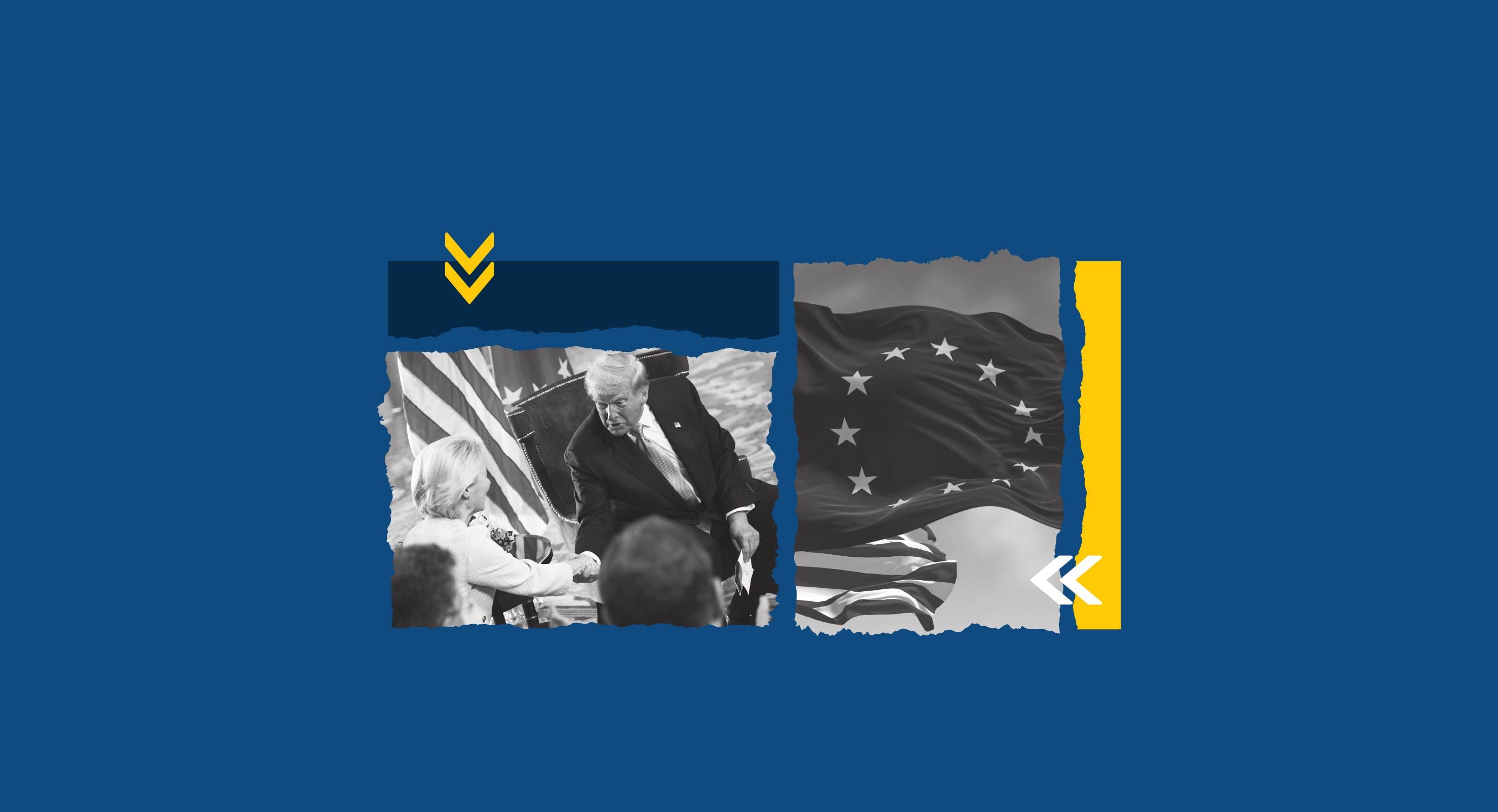
    Can Europe Trust the United States Again?

    In Donald Trump’s second term in office, the transatlantic relationship that helped define the postwar European project and global order appears broken. Is it time for Brussels to chart its own path?

      Nathalie Tocci, Jan Techau

  • Commentary
    Strategic Europe
    Unpacking Europe’s Deterrence Dilemmas

    The debate on the future of European deterrence has intensified, as NATO allies seek to balance three key aims. Going forward, they will need to cooperate more deeply to craft a coherent strategy for confronting new threats.

      Sophia Besch, Jamie Kwong

  • Europe Iran nuclear talks
    Commentary
    Strategic Europe
    The Small Window for an EU-U.S. Diplomatic Push on Iran

    To turn U.S. strikes on Iran’s nuclear program into a long-term resolution, Washington should seize the moment and cooperate with France, Germany, and the UK on diplomatic talks.

      • Rym Momtaz

      Rym Momtaz

Get more news and analysis from
Carnegie Europe
Carnegie Europe logo, white
Rue du Congrès, 151000 Brussels, Belgium
  • Research
  • Strategic Europe
  • About
  • Experts
  • Projects
  • Events
  • Contact
  • Careers
  • Privacy
  • For Media
  • Gender Equality Plan
Get more news and analysis from
Carnegie Europe
© 2026 Carnegie Endowment for International Peace. All rights reserved.