• Research
  • Strategic Europe
  • About
  • Experts
Carnegie Europe logoCarnegie lettermark logo
EUUkraine
  • Donate
{
  "authors": [],
  "type": "pressRelease",
  "centerAffiliationAll": "dc",
  "centers": [
    "Carnegie Endowment for International Peace"
  ],
  "collections": [],
  "englishNewsletterAll": "menaTransitions",
  "nonEnglishNewsletterAll": "",
  "primaryCenter": "Carnegie Endowment for International Peace",
  "programAffiliation": "MEP",
  "programs": [
    "Middle East"
  ],
  "projects": [],
  "regions": [
    "Bahrain",
    "Kuwait",
    "Qatar",
    "Saudi Arabia",
    "United Arab Emirates"
  ],
  "topics": []
}
REQUIRED IMAGE

REQUIRED IMAGE

Press Release

Gulf Economies Must Diversify to Weather Crisis

To meet long-term domestic challenges, oil-producing Gulf States should focus on improving economic governance to better manage diminishing oil revenues and attract foreign investment.

Link Copied
Published on Mar 19, 2009

BEIRUT, Mar 18—Oil-producing Gulf states squandered the opportunity to make much needed economic reforms when high oil revenues would have made the task easier. Now, reduced oil revenues and global economic uncertainty make it imperative that they develop competitive, diversified economies, concludes a new paper from the Carnegie Middle East Center.

Ibrahim Saif explains that the top priority for the Gulf Council Cooperation (GCC) countries—Saudi Arabia, Bahrain, Kuwait, Oman, Qatar, and the UAE—should be improving economic governance to better manage existing oil revenues and attract foreign direct investment (FDI). With a comfortable cushion of foreign reserves, the risk for short-term instability is low; however, the current system of low taxes and generous public spending is unsustainable.

Recommendations for GCC countries:

  • Improve minimum wage standards and working conditions to attract more domestic employment and reduce dependence on immigrant labor.
  • Regionally concentrate on growth in non-oil sectors to avoid duplication in areas like finance and tourism.
  • Encourage foreign direct investment through better economic and corporate regulation, including greater transparency in public spending and easier access to credit.

Saif concludes:

“Despite nearly six years in which high oil revenues created favorable macroeconomic conditions in the GCC countries, they were still not able to tackle their long-term economic challenges. The oil windfall actually pushed back attempts to address these challenges, and the global financial crisis has reminded GCC policymakers that structural challenges must be addressed at a time when macroeconomic conditions are favorable and not when the economies are slowing down.”

###


NOTES

  • Direct link to the PDF: www.carnegieendowment.org/files/cmec15_saif_final.pdf
  • Direct link to the Arabic PDF: www.carnegieendowment.org/files/cmec15_saif_final_arabic.pdf
  • Ibrahim Saif is a resident scholar in economic policy at the Carnegie Middle East Center in Beirut, Lebanon. He specializes in the political economy of the Middle East. He has served as a consultant to international organizations such as the World Bank, the International Monetary Fund, and the International Labor Organization. He is a fellow with the Economic Research Forum and a member of the Global Development Network. Before joining Carnegie, Saif was the director of the Center for Strategic Studies at the University of Jordan.
  • The Carnegie Middle East Center based in Beirut, Lebanon, aims to better inform the process of political change in the Middle East.
  • The Carnegie Middle East Program provides analysis and recommendations in both English and Arabic that are deeply informed by knowledge and views from the region.
  • Carnegie's Arab Reform Bulletin has been transformed into a full featured website that offers greatly enhanced search functionality, the option for readers to comment on articles, and frequent news updates.
  • Press Contact: Trent Perrotto, 202/939-2372, tperrotto@ceip.org
BahrainKuwaitQatarSaudi ArabiaUnited Arab Emirates

Carnegie does not take institutional positions on public policy issues; the views represented herein are those of the author(s) and do not necessarily reflect the views of Carnegie, its staff, or its trustees.

More Work from Carnegie Europe

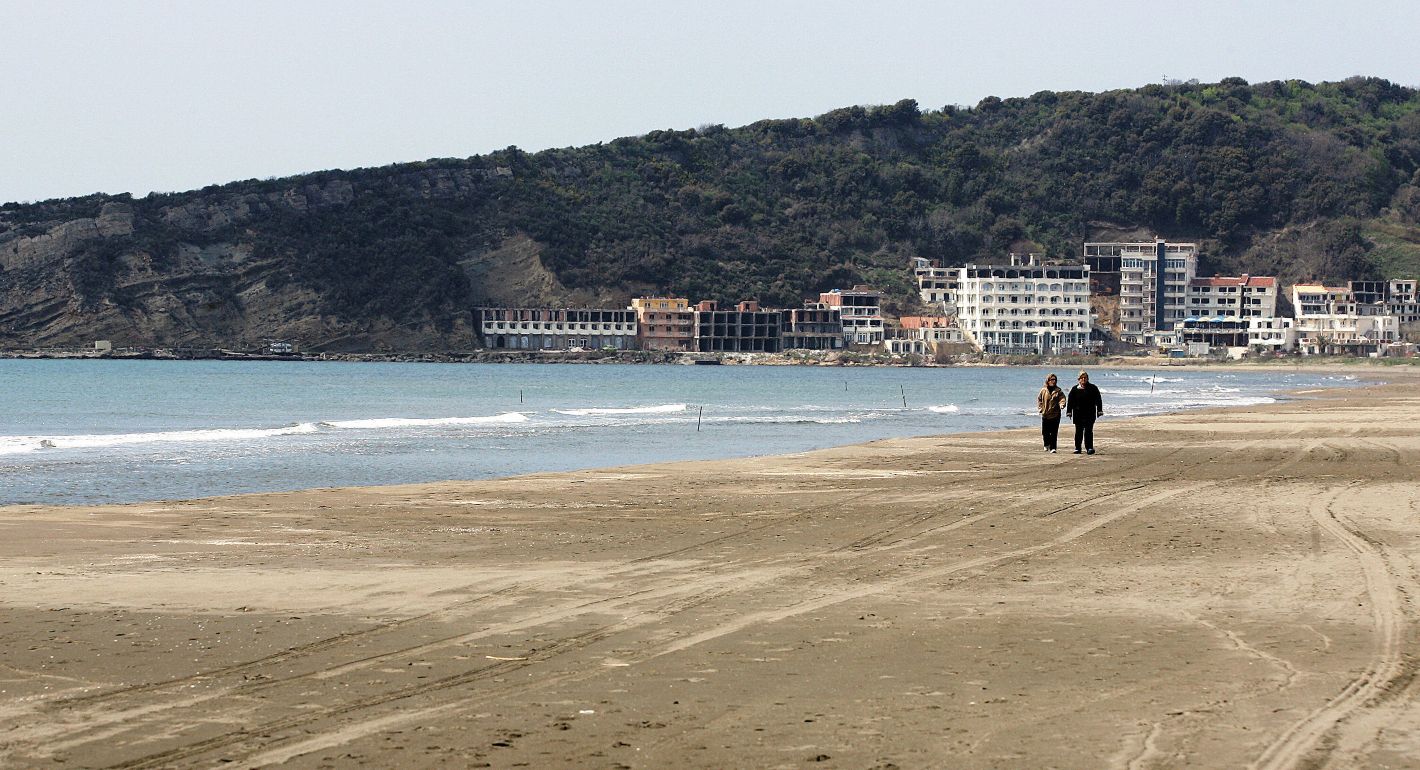
  • Ulcinj Montenegro UAE investments
    Paper
    Rules or Deals? The EU’s Challenge in Regulating Corrosive Capital in the Western Balkans

    The United Arab Emirates has become a major investor in the Western Balkans. With enlargement back on the agenda, the EU must ensure that foreign capital meets rather than undermines its governance standards.

      • Alba Çela
      • +1

      Iliriana Gjoni, Iva Čukić, Alba Çela, …

  • Commentary
    Strategic Europe
    Montenegro’s Gulf Deal: A Strategic Lesson for the EU

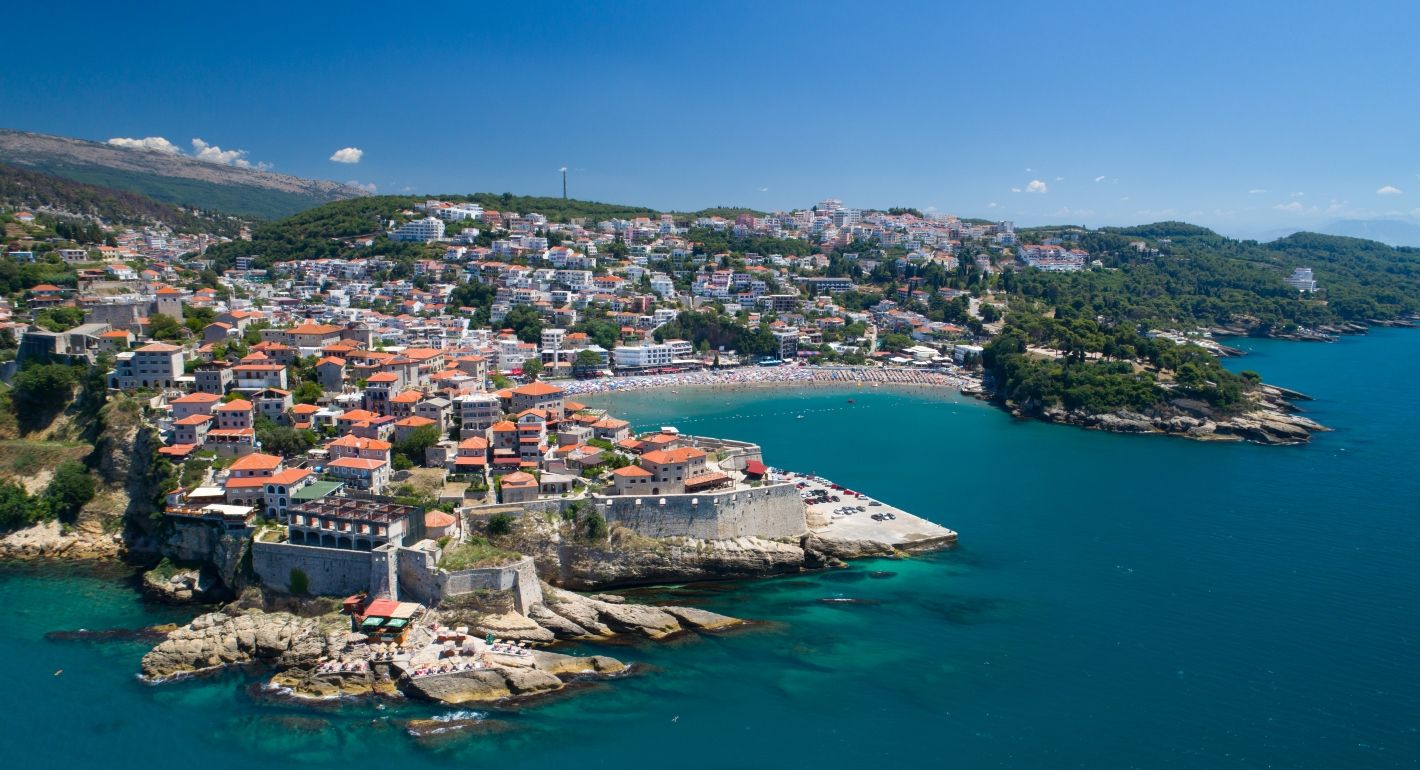
    The agreement allowing the UAE to invest in Montenegro’s coastline has triggered local protests. The EU must rethink how it engages with enlargement, and step in with alternative investments that promote EU values.

      Iliriana Gjoni

  • Article
    Learning to Do No Harm to Democracy in Engagement With Authoritarian States

    The ways in which democracies interact with autocracies can also play a role in sustaining repressive regimes. Democratic governments must adopt more holistic approaches that offset the negative implications of international engagement.

      Nic Cheeseman, Marie-Eve Desrosiers

  • Commentary
    Diwan
    How Qatar Has Scored Political Goals

    The Gulf emirate has succeeded in using football as one dimension of its national security strategy.

      • Francesco Siccardi

      Francesco Siccardi

  • Commentary
    Has the World Cup Changed Qatar?

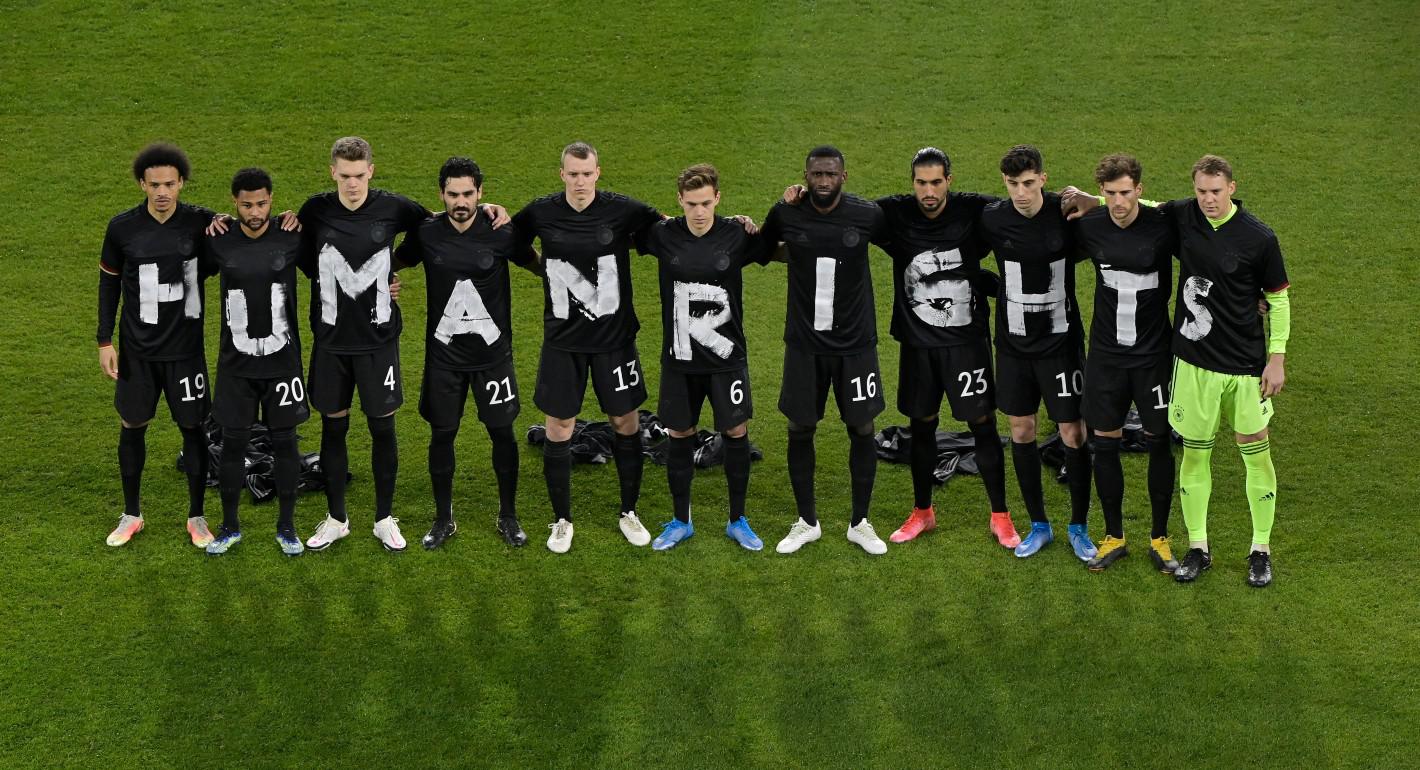
    FIFA’s decision to give Qatar hosting rights for the 2022 World Cup brought criticism—and opportunities for change. With fans’ chants for the protection of human rights getting louder, will the country and FIFA answer with long-term reforms?

      • Francesco Siccardi

      Francesco Siccardi

Get more news and analysis from
Carnegie Europe
Carnegie Europe logo, white
Rue du Congrès, 151000 Brussels, Belgium
  • Research
  • Strategic Europe
  • About
  • Experts
  • Projects
  • Events
  • Contact
  • Careers
  • Privacy
  • For Media
  • Gender Equality Plan
Get more news and analysis from
Carnegie Europe
© 2026 Carnegie Endowment for International Peace. All rights reserved.