

Commentary
Hard-line approaches to asylum policy are increasingly common, with crackdowns proposed even by parties that traditionally hold liberal views on migration. Does this shift represent a break with Europe’s fundamental values?
Thomas de Waal
{
  "authors": [],
  "type": "pressRelease",
  "centerAffiliationAll": "dc",
  "centers": [
    "Carnegie Endowment for International Peace"
  ],
  "collections": [],
  "englishNewsletterAll": "ctw",
  "nonEnglishNewsletterAll": "",
  "primaryCenter": "Carnegie Endowment for International Peace",
  "programAffiliation": "SAP",
  "programs": [
    "South Asia"
  ],
  "projects": [],
  "regions": [
    "Afghanistan"
  ],
  "topics": []
}
REQUIRED IMAGE
Afghanistan’s weak central government and limited resources make the informal networks employed by local warlords a viable option for governance. The country’s former warlords, made powerful governors by President Hamid Karzai, use both formal and informal powers to achieve security objectives and deliver development in their provinces.
WASHINGTON, Sept 23—Afghanistan’s weak central government and limited resources make the informal networks employed by local warlords a viable option for governance, concludes a new paper from the Carnegie Endowment. The country’s former warlords, made powerful governors by President Hamid Karzai, use both formal and informal powers to achieve security objectives and deliver development in their provinces.
Based on substantial in-country research and interviews, Dipali Mukhopadhyay examines the performance of two such governors, Atta Mohammed Noor and Gul Agha Sherzai, who govern the northern province of Balkh and the eastern province of Nangarhar, respectively.
Key points:
“A ‘good enough’ governor, who can demonstrate success in counternarcotics, security, and economic and infrastructural development, becomes a valuable asset in the absence of unlimited resources, troops, and political will,” writes Mukhopadhyay. “Acknowledgment of hybrid governance need not mean the abandonment of formal institutional capacity building on the part of international, intervening organizations. Rather, they must adopt more realistic expectations of formal institutions.”
###
NOTES
Carnegie does not take institutional positions on public policy issues; the views represented herein are those of the author(s) and do not necessarily reflect the views of Carnegie, its staff, or its trustees.

Hard-line approaches to asylum policy are increasingly common, with crackdowns proposed even by parties that traditionally hold liberal views on migration. Does this shift represent a break with Europe’s fundamental values?

Thomas de Waal

The EU’s fragmented approaches to the crises of climate change, conflict, and democracy fall short by not addressing the mutually reinforcing links between them. Brussels needs an integrated strategy to tackle the emerging three-way nexus and mitigate the vulnerabilities it creates.


Richard Youngs, Ricardo Farinha, Jasper Linke, …
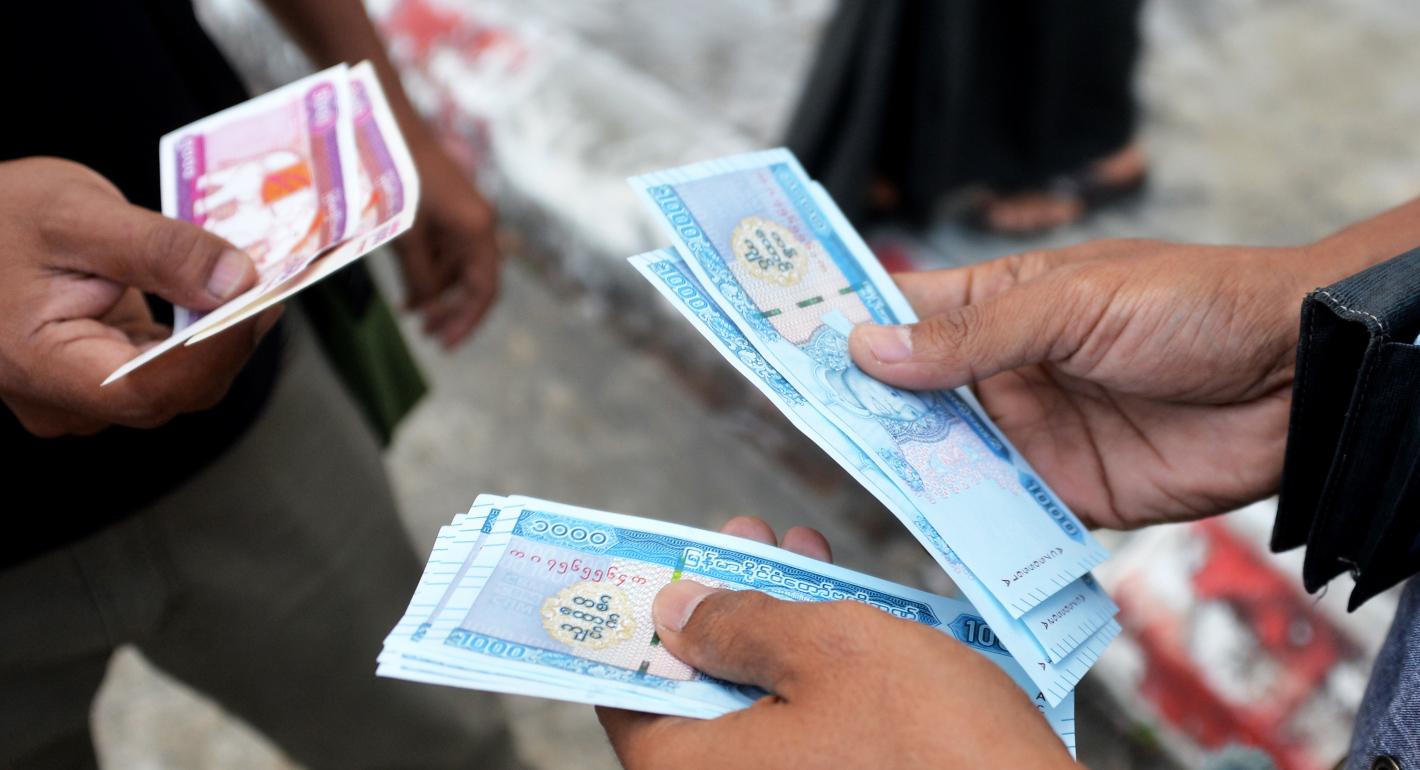
In the last decade, nondemocratic regimes have received more development assistance than democratic countries. This reveals how donors struggle with autocratization despite a rhetorical commitment to democracy.

Marc de Tollenaere
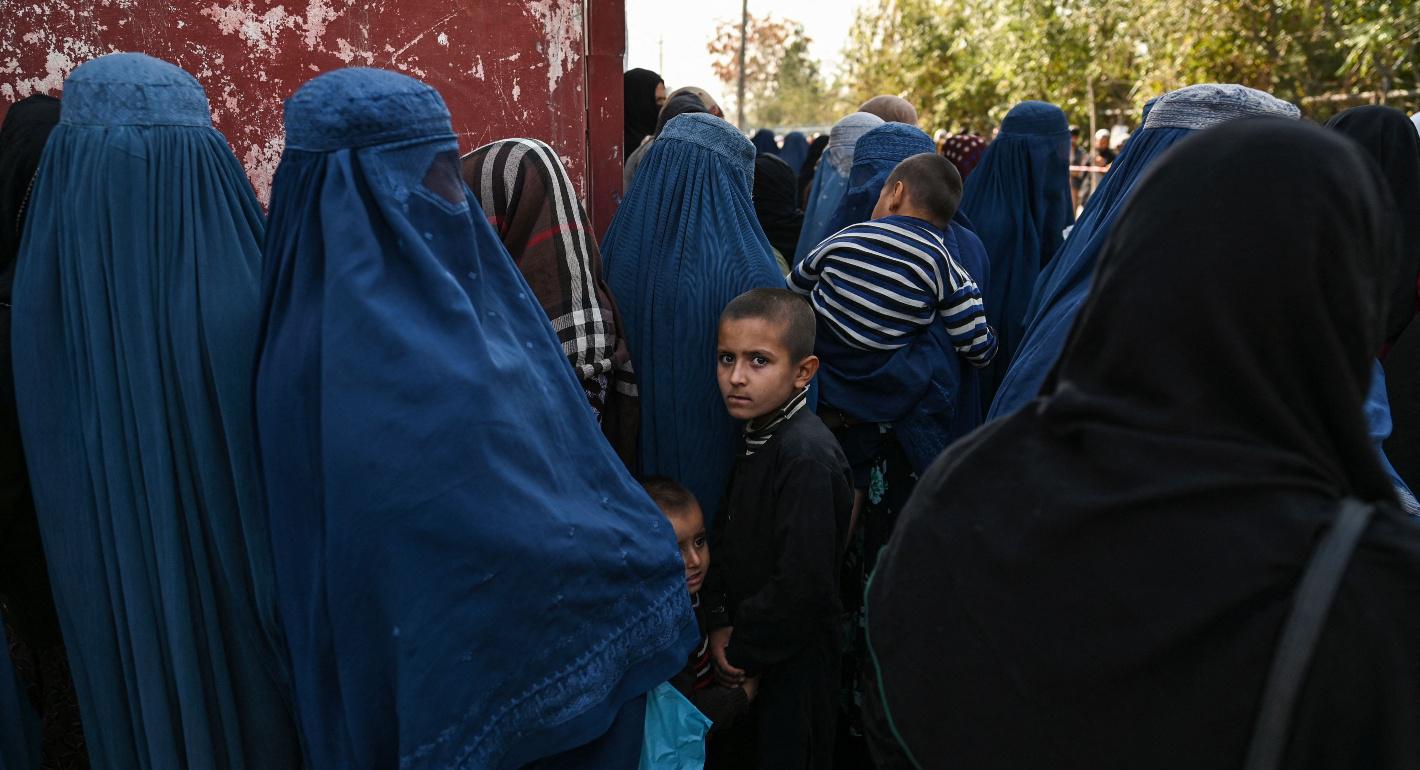
The United States bears a great deal of the responsibility for the situation in Afghanistan, but the EU should also reflect on how its overly narrow conception of democracy contributed to the shortcomings of Afghan reconstruction efforts.
Oz Hassan

The chaotic U.S. withdrawal from Afghanistan has left European capitals skeptical about such missions and critical of American leadership. The debacle should lead to frank discussions about NATO’s role and the EU’s defense ambitions.

Judy Dempsey