• Research
  • Strategic Europe
  • About
  • Experts
Carnegie Europe logoCarnegie lettermark logo
EUUkraine
  • Donate
{
  "authors": [
    "Michael D. Swaine"
  ],
  "type": "legacyinthemedia",
  "centerAffiliationAll": "dc",
  "centers": [
    "Carnegie Endowment for International Peace"
  ],
  "collections": [],
  "englishNewsletterAll": "asia",
  "nonEnglishNewsletterAll": "",
  "primaryCenter": "Carnegie Endowment for International Peace",
  "programAffiliation": "AP",
  "programs": [
    "Asia"
  ],
  "projects": [],
  "regions": [
    "East Asia",
    "China",
    "North Korea"
  ],
  "topics": [
    "Nuclear Policy",
    "Nuclear Energy"
  ]
}
Source: Getty

In The Media

China's North Korea Dilemma

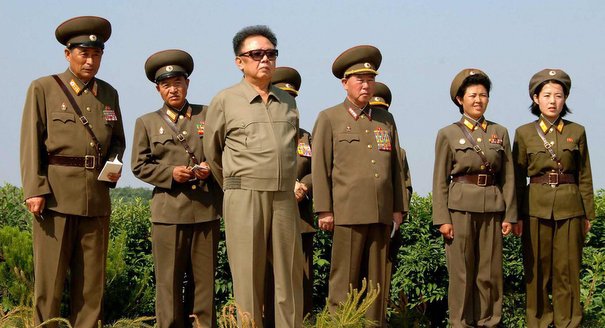
Since China’s core interests regarding North Korea have not changed, its highly risk-averse approach, which focuses on mediation and limited pressure, will probably continue.

Link Copied
By Michael D. Swaine
Published on Nov 24, 2009

Source: China Leadership Monitor

China's North Korea DilemmaEver since North Korea began to acquire the elements of a nuclear weapons program in the late ’80s—but especially since Beijing became mediator of the ill-fated Six Party talks in 2003—China's leadership has been faced with an exquisite dilemma: how to encourage or prod its strong-willed, highly volatile Stalinist neighbor to give up the bomb and open up to politically threatening reforms while sustaining the cooperation and support of a seemingly impatient, often internally divided and potentially threatening United States.  Judging by public PRC statements and commentary, Beijing has grown increasingly frustrated over its inability to persuade, cajole, or pressure its erstwhile North Korean friend and ally.  As a result, China's leaders have become more supportive of tougher international actions toward Pyongyang and less willing to silently endure, downplay, or excuse the North's vitriol and provocative behavior.  They appear more tolerant of harsh domestic criticisms of North Korea (and even of elements of Beijing's own approach), far less inclined to present themselves as the North's ally, and more willing to coordinate their approach openly with Washington, Japan, and South Korea.  Nevertheless, Beijing's core strategic interests, beliefs, and objectives, along with its suspicions and uncertainties with regard to Washington, almost certainly remain largely unchanged, and hence its highly risk-averse approach to maintaining stability remains paramount.  This article identifies the most salient elements of change and continuity in China's approach to North Korea in order to gain a more precise understanding of the range of interests, assumptions, fears, and hopes that will most likely influence the PRC leadership's future behavior.

About the Author

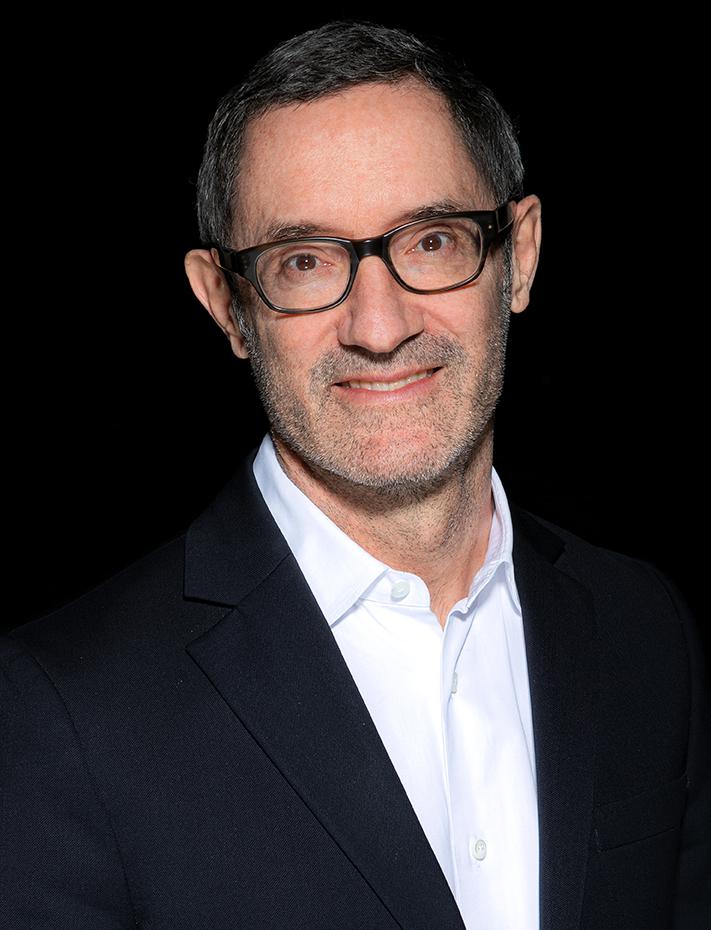
Michael D. Swaine

Former Senior Fellow, Asia Program

Swaine was a senior fellow at the Carnegie Endowment for International Peace and one of the most prominent American analysts in Chinese security studies.

    Recent Work

  • Other
    What Kind of Global Order Should Washington and Beijing Strive For?

      Michael D. Swaine

  • Commentary
    A Smarter U.S. Strategy for China in Four Steps

      Michael D. Swaine

Michael D. Swaine
Former Senior Fellow, Asia Program
Michael D. Swaine
Nuclear PolicyNuclear EnergyEast AsiaChinaNorth Korea

Carnegie does not take institutional positions on public policy issues; the views represented herein are those of the author(s) and do not necessarily reflect the views of Carnegie, its staff, or its trustees.

More Work from Carnegie Europe

  • Commentary
    Strategic Europe
    Taking the Pulse: Is France’s New Nuclear Doctrine Ambitious Enough?

    French President Emmanuel Macron has unveiled his country’s new nuclear doctrine. Are the changes he has made enough to reassure France’s European partners in the current geopolitical context?

      • Rym Momtaz

      Rym Momtaz, ed.

  • Trump United Nations multilateralism institutions 2236462680
    Article
    Resetting Cyber Relations with the United States

    For years, the United States anchored global cyber diplomacy. As Washington rethinks its leadership role, the launch of the UN’s Cyber Global Mechanism may test how allies adjust their engagement.

      • Christopher Painter

      Patryk Pawlak, Chris Painter

  • Commentary
    Strategic Europe
    Europe on Iran: Gone with the Wind

    Europe’s reaction to the war in Iran has been disunited and meek, a far cry from its previously leading role in diplomacy with Tehran. To avoid being condemned to the sidelines while escalation continues, Brussels needs to stand up for international law.

      Pierre Vimont

  • Commentary
    Strategic Europe
    Macron Makes France a Great Middle Power

    France has stopped clinging to notions of being a great power and is embracing the middle power moment. But Emmanuel Macron has his work cut out if he is to secure his country’s global standing before his term in office ends.

      • Rym Momtaz

      Rym Momtaz

  • Commentary
    Strategic Europe
    Taking the Pulse: Can the EU Attract Foreign Investment and Reduce Dependencies?

    EU member states clash over how to boost the union’s competitiveness: Some want to favor European industries in public procurement, while others worry this could deter foreign investment. So, can the EU simultaneously attract global capital and reduce dependencies?

      • Rym Momtaz

      Rym Momtaz, ed.

Get more news and analysis from
Carnegie Europe
Carnegie Europe logo, white
Rue du Congrès, 151000 Brussels, Belgium
  • Research
  • Strategic Europe
  • About
  • Experts
  • Projects
  • Events
  • Contact
  • Careers
  • Privacy
  • For Media
  • Gender Equality Plan
Get more news and analysis from
Carnegie Europe
© 2026 Carnegie Endowment for International Peace. All rights reserved.