

Commentary
The EU’s new migration policy is not suited to today’s realities. With climate change increasingly becoming a driver of displacement, Europe needs to rethink its deterrence-focused approach.
Shana Tabak
{
  "authors": [
    "Scott Williamson"
  ],
  "type": "other",
  "centerAffiliationAll": "",
  "centers": [
    "Carnegie Endowment for International Peace"
  ],
  "collections": [],
  "englishNewsletterAll": "",
  "nonEnglishNewsletterAll": "",
  "primaryCenter": "Carnegie Endowment for International Peace",
  "programAffiliation": "",
  "programs": [],
  "projects": [],
  "regions": [
    "North Africa",
    "Egypt"
  ],
  "topics": []
}
Source: Getty
A summary of comments by Abdel Fattah el-Sisi in his first election interview as a presidential candidate.
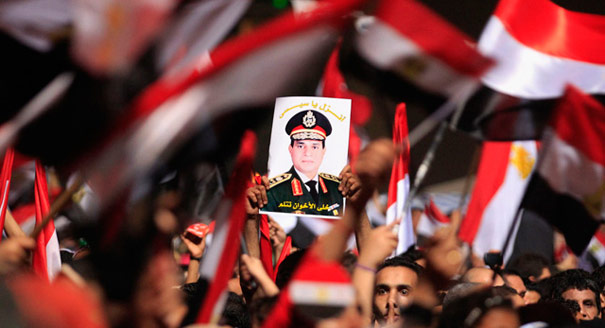
Egyptian presidential candidate Abdel Fattah el-Sisi promised during his first campaign interview to restore security by any means necessary and revitalize the Egyptian economy.
The interview was conducted jointly by prominent Egyptian media personalities Ibrahim Eissa and Lamis el-Hadidi, and it aired in two parts on May 5 and May 6.
Sisi has maintained a relatively obscure public profile since removing Muslim Brotherhood–backed former president Mohamed Morsi from office on July 3, speaking to the press only occasionally. His presidential campaign has committed to releasing a campaign platform soon but has not yet done so. As a result, his recent interview provided one of the first opportunities to get a look at how Sisi might operate as president and where he would try to lead the country.
Although Sisi signaled an interest in private enterprise during the interview, his rhetoric suggested that he would primarily tackle Egypt’s economic challenges through a state-centric approach and appeals to Egyptian volunteerism.
Sisi acknowledged the challenges of debt, poverty, housing, and unemployment plaguing Egypt. He discussed what he referred to as a “development corridor” plan to address these issues. This plan would include reorganizing Egypt’s governorates; reclaiming agricultural land; and constructing 26 cities and tourism centers, 22 industrial cities, and eight airports. Sisi would seek funding from Egyptian expatriates, foreign investment, and foreign aid to cover the costs of both these programs and the country’s mounting debts.
While hinting at austerity measures and encouraging Egyptians to reduce consumption of goods such as energy and bread, Sisi also spoke of controlling prices and other state-driven mechanisms to help the poor. He said that Egyptians’ lives would improve within two years of his presidency.
Sisi’s statements on foreign policy suggest that he intends to maintain Egypt’s close relationships with the Gulf countries and the West, in particular the United States.
When provided with an opportunity to do so, Sisi refrained from linking the United States to the Muslim Brotherhood, which many Egyptians believe to be the recipient of unfair U.S. support. He claimed to understand why the United States and Europe reacted to Morsi’s ouster by suspending aid, even if he disagreed with their understanding of events. He also implied that Western leaders are keen on protecting their key interests in Egypt and are coming around to the Egyptian view on the importance of fighting terrorism in the country.
In addition, Sisi praised King Abdullah of Saudi Arabia, calling him a great and wise Arab and thanking the Saudis for their generous aid, which he said has exceeded $20 billion.
On Russia, he stated that Egypt’s military relationship with Moscow has been ongoing since the 1970s and implied that Russia is “no alternative” to the United States. Sisi also said that Egypt is committed to maintaining its treaties—including the one with Israel—and that Israel should make concessions to the Palestinians.
Sisi’s comments on demonstrations suggest that he views persistent protests as politically and economically debilitating and as something to be controlled. He stated that the protest law, a controversial edict issued in November 2013 that gave officials the right to fine or jail demonstrators, was meant to regulate protests, not ban them.
Sisi said demonstrating is a right open to all Egyptians. However, he also asserted that irresponsible protests would not be permitted to destroy the state, and he refused to answer whether he would pardon prominent youth activists currently in prison.
Later in the interview, Sisi claimed not to understand protests, citing their economic costs. He also criticized ongoing labor protests.
Sisi implied that reconciliation with the Muslim Brotherhood would not be on the table during his presidency. When asked if the Brotherhood would cease to exist during his time in office, Sisi answered in the affirmative, asserting that Egyptians reject reconciliation with the movement.
Sisi claimed to have told a U.S. official in March 2013 that he knew Morsi’s regime was finished, although he denied conspiring to oust Morsi before July 3. He also claimed that the Muslim Brotherhood’s deputy supreme guide, Khairat el-Shatir, had threatened Sisi in June 2013, warning that foreign fighters would enter Egypt if Morsi were deposed.
The candidate’s comments on religion suggest that a Sisi presidency would rely on an officially sanctioned version of Islam to help legitimize the regime, much as former Egyptian president Hosni Mubarak did previously.
Sisi claimed that “the religious discourse in the Islamic World has lost the values of humanity in Islam” and rejected the idea of an Islamic state. However, he presented himself as a pious Muslim and suggested that the state would continue to play a role in promoting religious values, arguing that the state should help correct Egyptians’ ethics through media, family life, and religious institutions.
Sisi implied that the regime’s war on terror would be ramped up under his presidency, promising to increase support for the police in their fight against terrorism. He linked his entire campaign to the issue of terrorism, saying he decided to run for president to save the state from an effort to destroy it and would do “whatever it takes to restore security.”
He also noted that the Sinai Peninsula would have been cleared of terrorists in a few hours if the military were not so concerned with minimizing civilian casualties.
Sisi’s comments on the military suggest that the institution would maintain significant autonomy under his presidency. He responded crossly to questions about military oversight and his relationship to the military’s new commander in chief, telling the presenters to “leave the military alone.” He also demanded that the presenters refrain from using the term askar, a word that means military but has acquired negative connotations.
Sisi denied that the military had been involved in politics in the past thirty years and clarified that it would not run the country under his government, but he said the military would continue to play an economic role. He also praised the military as an exemplary institution for all state institutions to emulate.
Scott Williamson
Former Junior Fellow, Middle East Program
Carnegie does not take institutional positions on public policy issues; the views represented herein are those of the author(s) and do not necessarily reflect the views of Carnegie, its staff, or its trustees.
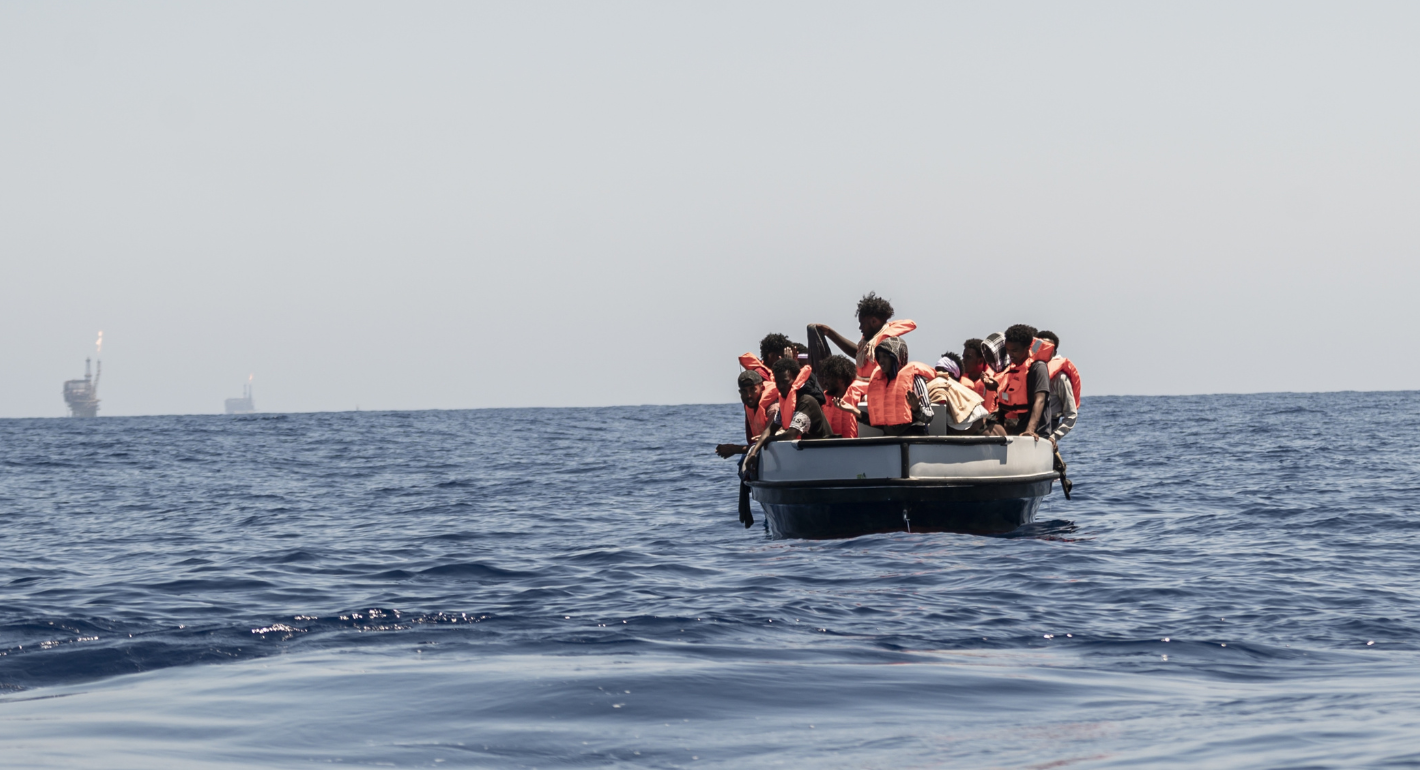
The EU’s new migration policy is not suited to today’s realities. With climate change increasingly becoming a driver of displacement, Europe needs to rethink its deterrence-focused approach.

Shana Tabak
2026 has started in crisis, as the actions of unpredictable leaders shape an increasingly volatile global environment. To shift from crisis response to strategic foresight, what under-the-radar issues should the EU prepare for in the coming year?

Thomas de Waal
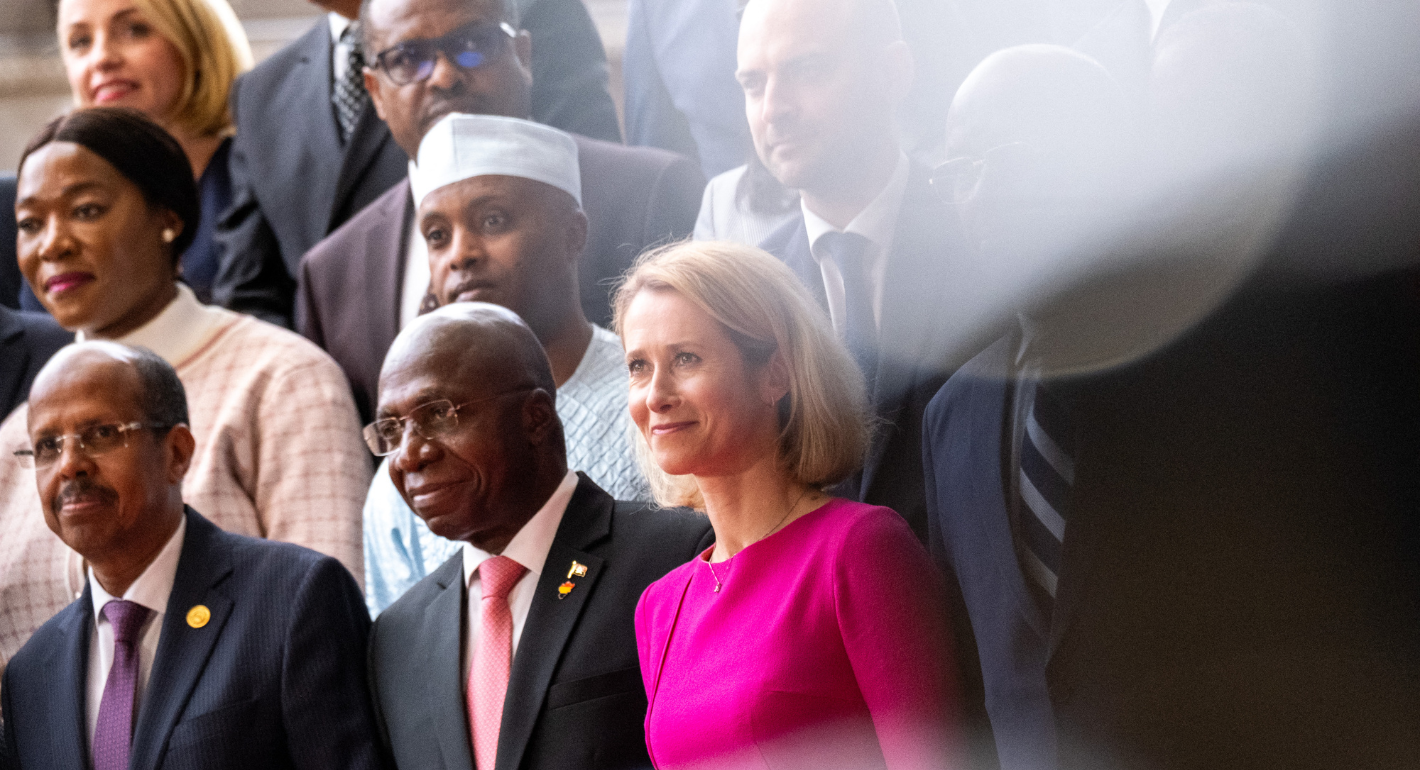
Despite the strategic importance of relations between the EU and the African Union, deep divisions remain between the blocs. At their upcoming summit, both partners should strive to build a mutually beneficial cooperation.
Marta Martinelli
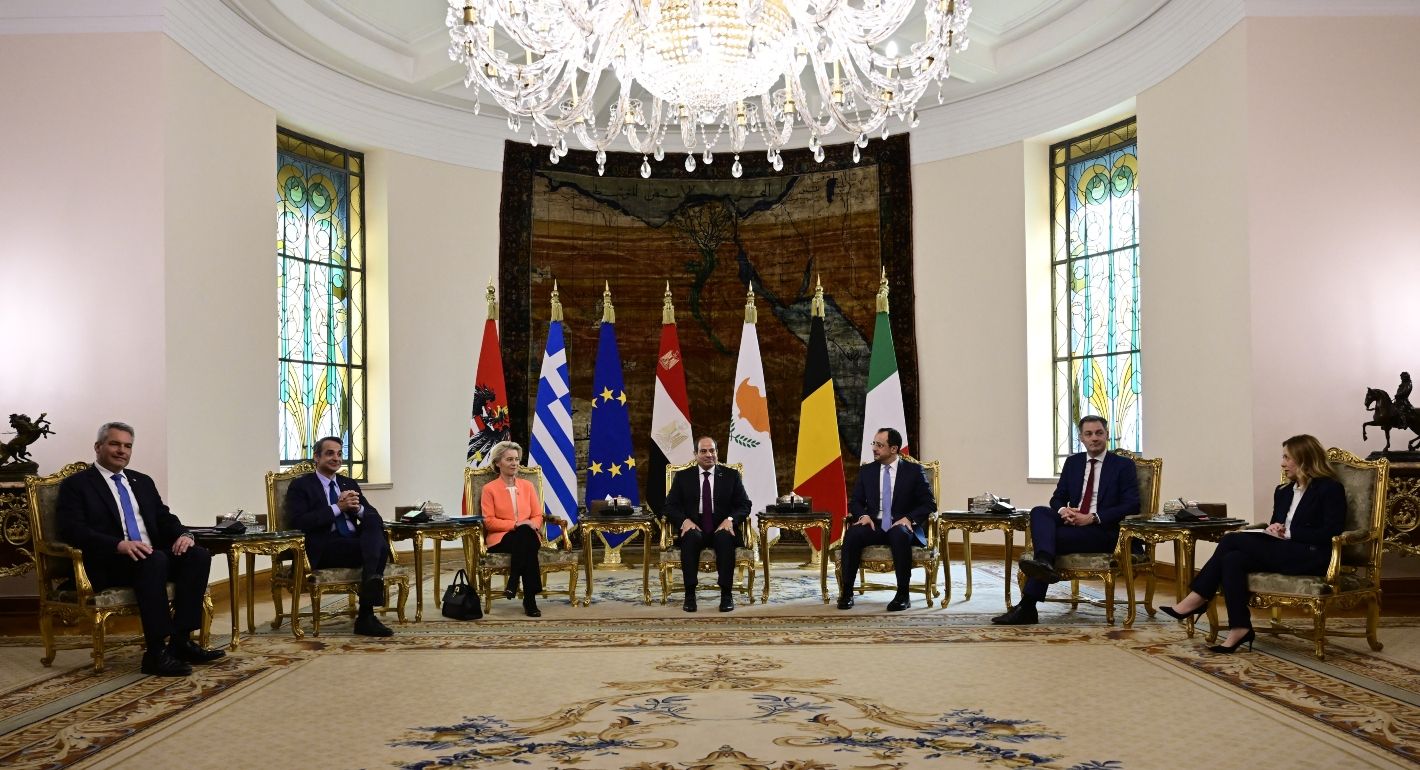
The EU’s new Pact for the Mediterranean aims to reshape the bloc’s relations with its Southern neighborhood. But the initiative lacks concrete measures to address societal divides and the region’s pressing challenges.

Richard Youngs
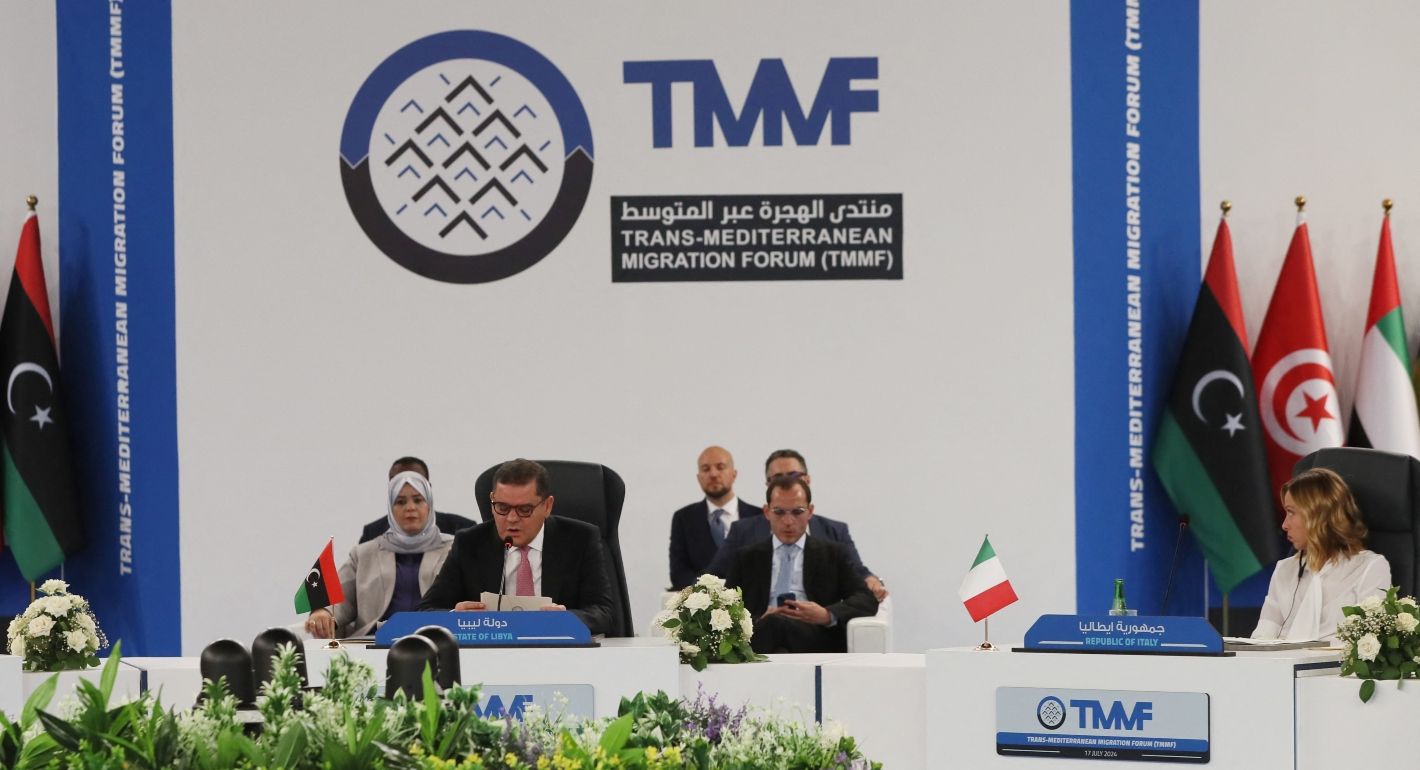
As the EU prepares a new pact for its Southern neighborhood, the union should balance economic and security interests with support for civil society, political reforms, and inclusive governance.
Hussein Baoumi