

Commentary
As European leadership prepares for the sixteenth EU-India Summit, both sides must reckon with trade-offs in order to secure a mutually beneficial Free Trade Agreement.
Dinakar Peri
{
  "authors": [
    "Ashley J. Tellis",
    "Julie McCarthy"
  ],
  "type": "legacyinthemedia",
  "centerAffiliationAll": "dc",
  "centers": [
    "Carnegie Endowment for International Peace"
  ],
  "collections": [],
  "englishNewsletterAll": "ctw",
  "nonEnglishNewsletterAll": "",
  "primaryCenter": "Carnegie Endowment for International Peace",
  "programAffiliation": "SAP",
  "programs": [
    "South Asia"
  ],
  "projects": [],
  "regions": [
    "South Asia",
    "India"
  ],
  "topics": []
}
Source: Getty
Narendra Modi aims to deepen India’s strategic footprint. Meanwhile, China has been investing in the islands, raising concern in New Delhi that India is being challenged in its own backyard.
Source: NPR
RENEE MONTAGNE, HOST: The prime minister of India is in Sri Lanka today. It's the first time an Indian head of state has been to its island neighbor in decades. And it's all meant to push back against China. From the Sri Lankan capital Colombo, NPR's Julie McCarthy has this report on why that matters.
JULIE MCCARTHY, BYLINE: Narendra Modi perceives India's periphery as the key to the country's security. Shoring up alliances, he took his charm offensive south this week to the Indian Ocean, where retired Commodore Ranjit Rai, a former head of naval intelligence and operations, says the prime minister is in the hunt for new defense and economic tie-ups with the island states.RANJIT RAI: We want to train them, we want friendship with them and we begin to have a pro-India attitude. And the businessmen would like to do trade.
MCCARTHY: Modi's outreach is a bid to reaffirm India's preeminence in the Indian Ocean at a time when China has been lavishly investing in the region.
ASHLEY TELLIS: That's exactly what it is. This is India making a comeback.
MCCARTHY: That's Ashley Tellis of the Carnegie Endowment for International Peace.
TELLIS: And making a comeback not simply in strategic terms, but in economic terms as well. Now, obviously, India does not have deep pockets of the kind that the Chinese do. But, you know, from a Sri Lankan point of view, it's not in their interest to be entirely in bed with the Chinese either.
MCCARTHY: China's concerted effort to increase access to ports and airfields is visible from the Maldives to the Sri Lankan coast. Chinese banks have lent an estimated 5 and a half billion dollars for Sri Lanka's roads, airports and power plants.
(SOUNDBITE OF WAVES CRASHING)
MCCARTHY: Then there's the $1.5 billion Chinese-backed property development that sprawls along the shoreline of the Sri Lankan capital Colombo, its hulking beams outlining the casinos and high-rise hotels yet to come in the now-stalled venture. The project has been suspended, but not stopped as the Sri Lankan government reviews its foreign policy options. Sri Lankan government spokesman Rajitha Senaratna says the Chinese waterfront project is halted for an environmental assessment. But Senaratna hastens to add the Chinese loans are favorable for developing countries like his.
RAJITHA SENARATNA: China - it's very quick and no conditions. That's why most of the countries - they go to China.
MCCARTHY: The new government elected in January appears to be alive to the sensitivities China's presence raises, including the docking last year of Chinese submarines. Spokesman Senaratna says the old government had gravitated too much towards China. But Colombo-based economist Rohan Samarajiva expects Sri Lanka's government will quietly lift the suspension on the Chinese casino project. And he advises India to get a glitzy project of its own.
ROHAN SAMARAJIVA: Do something that people can talk about. But they don't do glitzy. They're nice, practical people. You know, they try to look good, not glitzy.
MCCARTHY: As the new government of tiny Sri Lanka attempts to rebalance its foreign policy, it takes pains not to antagonize either of the two giants of Asia. This week, the island nation hosts India's Narendra Modi. In two weeks, Sri Lanka's president leads a delegation to China. Julie McCarthy, NPR News, Colombo.
Former Senior Fellow
Ashley J. Tellis was a senior fellow at the Carnegie Endowment for International Peace.
Julie McCarthy
NPR
Carnegie does not take institutional positions on public policy issues; the views represented herein are those of the author(s) and do not necessarily reflect the views of Carnegie, its staff, or its trustees.
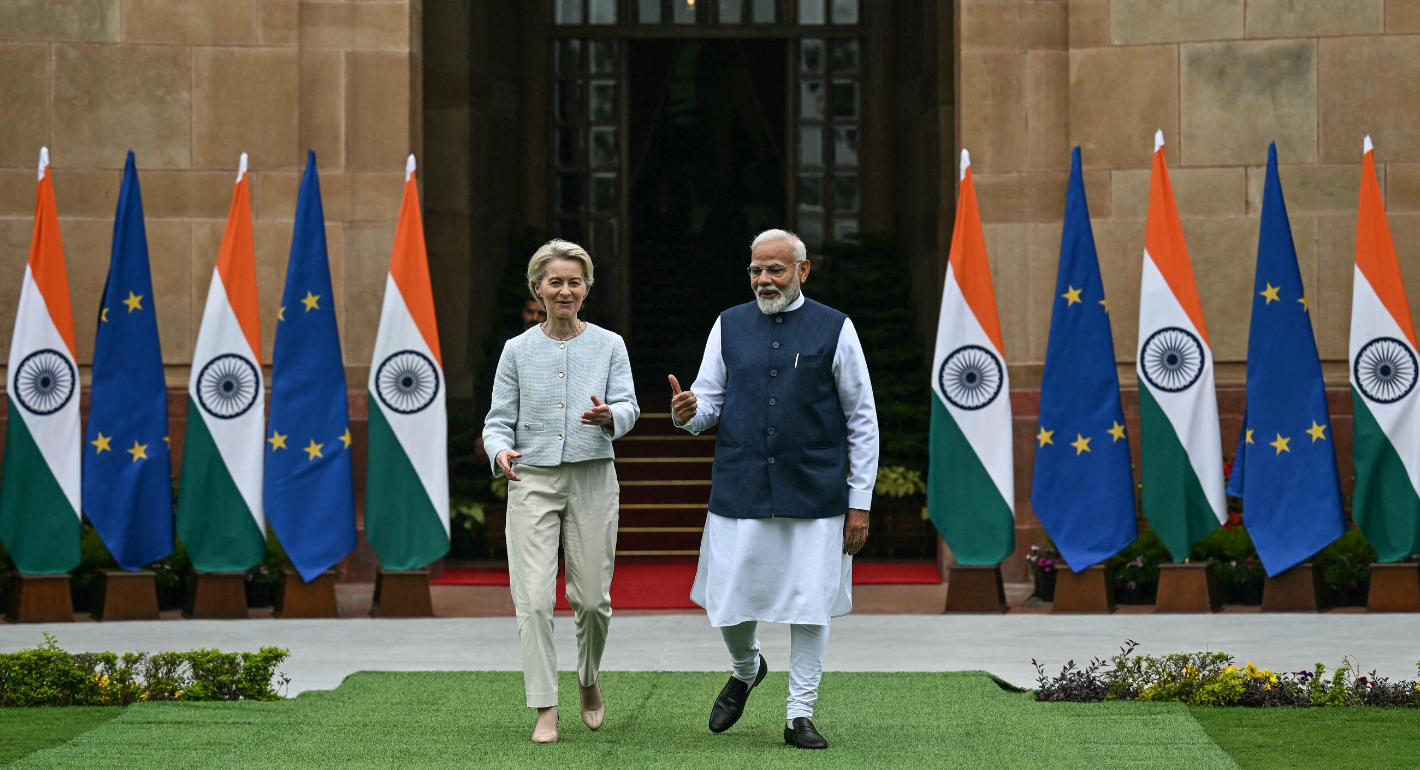
As European leadership prepares for the sixteenth EU-India Summit, both sides must reckon with trade-offs in order to secure a mutually beneficial Free Trade Agreement.

Dinakar Peri
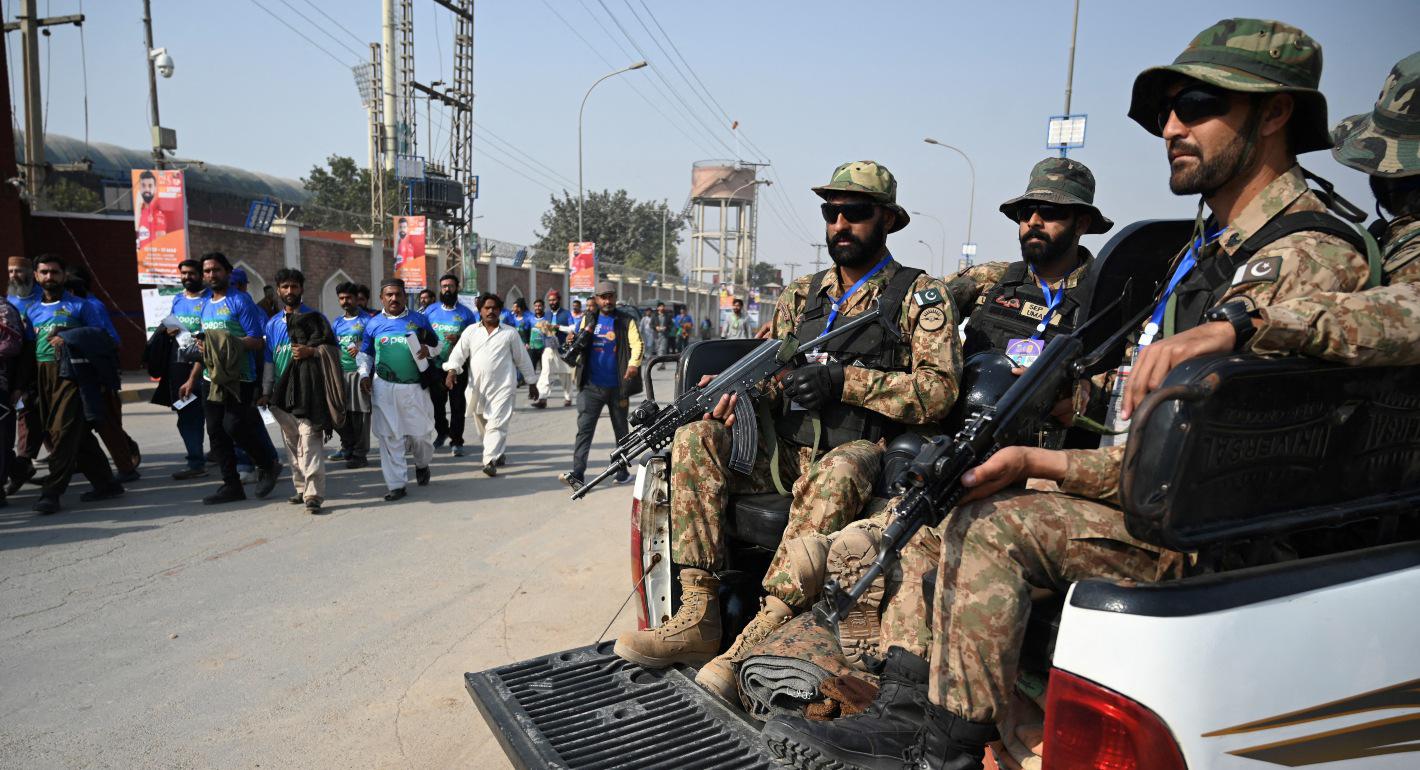
The ways in which democracies interact with autocracies can also play a role in sustaining repressive regimes. Democratic governments must adopt more holistic approaches that offset the negative implications of international engagement.


Nic Cheeseman, Marie-Eve Desrosiers
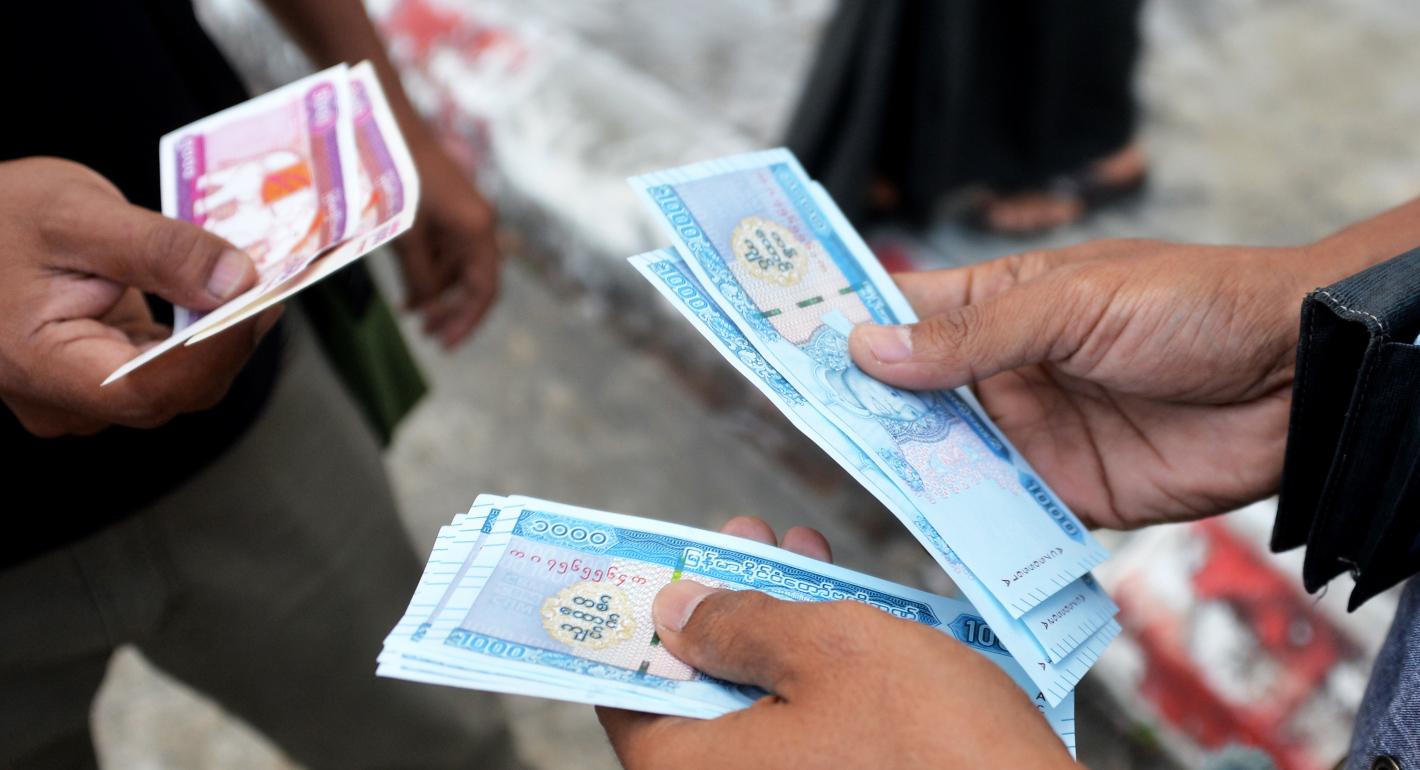
In the last decade, nondemocratic regimes have received more development assistance than democratic countries. This reveals how donors struggle with autocratization despite a rhetorical commitment to democracy.

Marc de Tollenaere
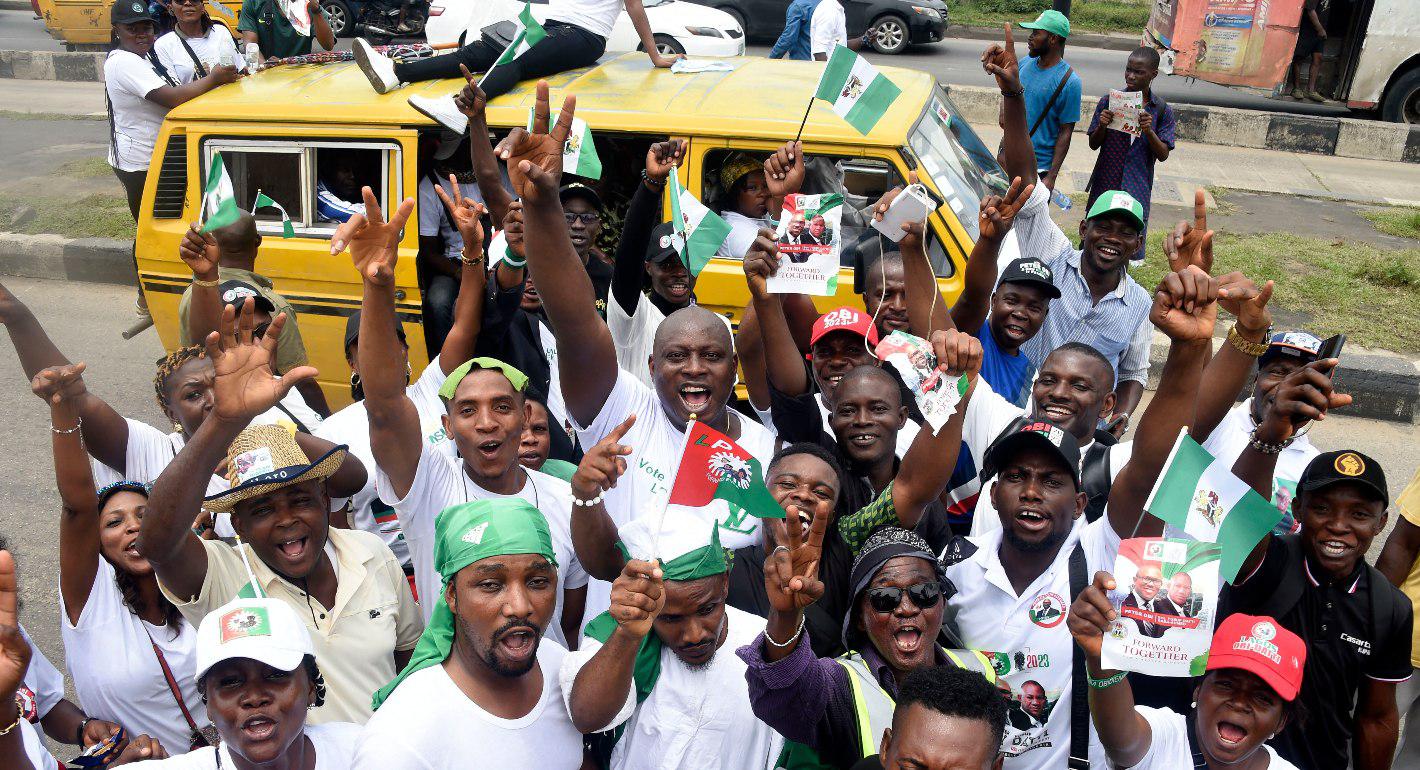
Countries around the world are struggling to bridge the gap between citizens and political elites. Innovative practices outside the West, while far from ideal, should be considered in debates about democratic renewal in Europe.


Richard Youngs, Ken Godfrey
Dissatisfaction with globalization has turned into a powerful force, with unchecked globalism increasingly seen as a threat to the integrity of democratic rule. Policymakers must reframe globalization to mitigate its negative consequences while keeping its core growth-enhancing dynamics intact.

Sinan Ülgen