
• Research
  • Strategic Europe
  • About
  • Experts
Carnegie Europe logoCarnegie lettermark logo
EUUkraine
  • Donate
{
  "authors": [
    "Se Young Jang"
  ],
  "type": "legacyinthemedia",
  "centerAffiliationAll": "dc",
  "centers": [
    "Carnegie Endowment for International Peace"
  ],
  "collections": [
    "Korean Peninsula"
  ],
  "englishNewsletterAll": "ctw",
  "nonEnglishNewsletterAll": "",
  "primaryCenter": "Carnegie Endowment for International Peace",
  "programAffiliation": "NPP",
  "programs": [
    "Nuclear Policy"
  ],
  "projects": [],
  "regions": [
    "East Asia",
    "South Korea",
    "North Korea",
    "China",
    "Japan"
  ],
  "topics": [
    "Nuclear Policy"
  ]
}

Source: Getty

In The Media

Do South Koreans Really Want U.S. Tactical Nukes Back on the Korean Peninsula?

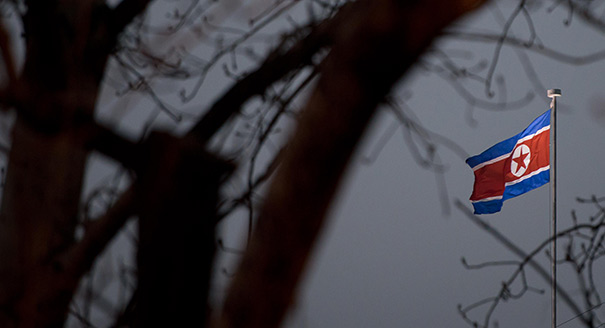
Amid escalating tensions, South Koreans have begun voicing their concerns about a nuclear-armed North Korea-and debating bringing U.S. tactical nuclear weapons back to the Korean peninsula.

Link Copied
By Se Young Jang
Published on Sep 19, 2017

Source: National Interest

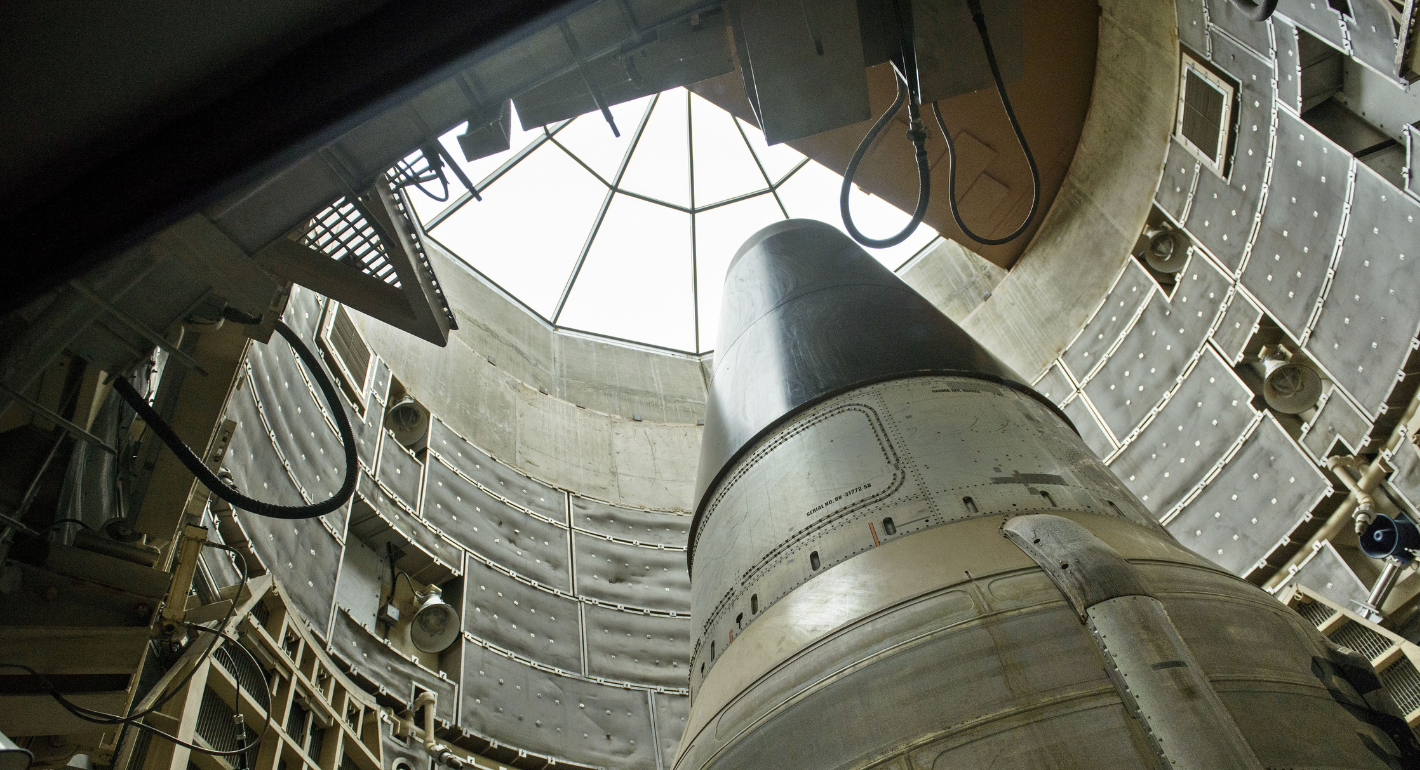
North Korea increasingly poses a grave threat to its southern neighbor and the world by conducting a series of nuclear and missile tests. Amid this escalating tension on and around the Korean Peninsula, South Koreans have started voicing their concerns about a nuclear-armed North Korea.

A Korea Society Opinion Institute (KSOI) poll conducted September 8–9 shows that 68.2 percent of those surveyed believe that U.S. tactical nuclear weapons, which were withdrawn in 1991, should be redeployed to South Korea to protect the country from Pyongyang’s growing nuclear threat. A Gallup poll conducted September 5–7 also found that 60 percent of the respondents said that South Korea should arm itself with nuclear weapons. Extrapolating from the polls, some people could believe that an absolute majority of the South Koreans favors nuclear rearmament in response to a nuclear-armed North Korea.

Indeed, backed by the results of these latest polls, the right-wing Liberty Korea Party (LKP)—the main opposition party in South Korea—is further stepping up its demands for the redeployment of tactical nukes, not only to the South Korean government but also to the Trump administration. Having already adopted bringing back U.S. tactical nuclear weapons to South Korea as its party platform last month, the LKP argues that a “nuclear balance” is the best way to guarantee South Korea’s security in this dire situation. The LKP’s push for nuclear rearmament is in stark contrast with President Moon Jae-in’s policy of upholding a long-lasting principle of denuclearization of the Korean Peninsula, which he reconfirmed during his latest interview with CNN.

This article was originally published in National Interest

Read the article

About the Author

Se Young Jang

Former Nonresident Scholar, Nuclear Policy Program

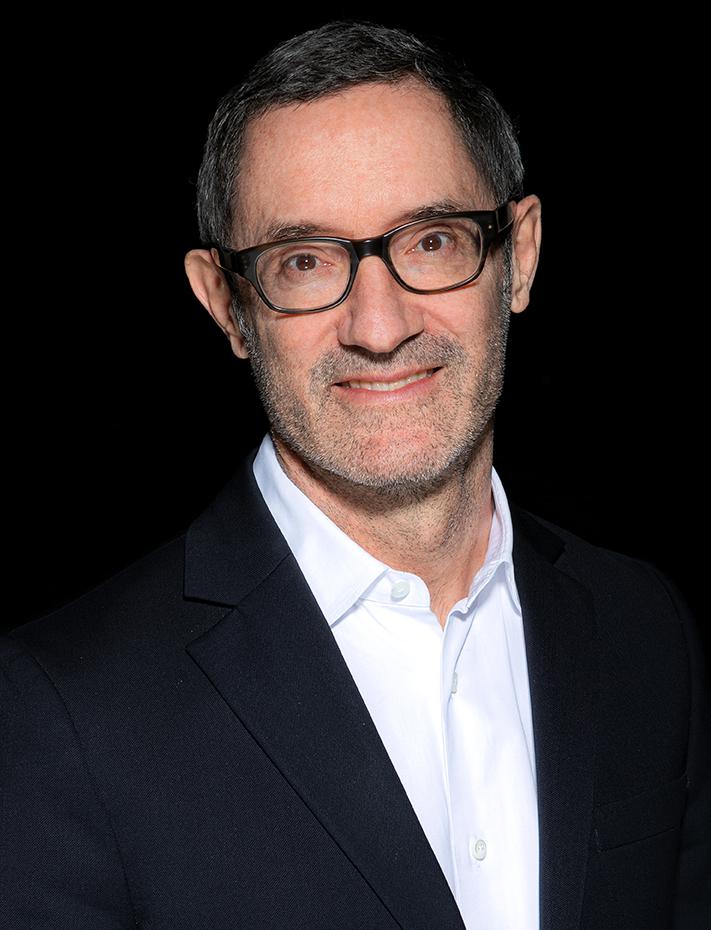
Se Young Jang was a nonresident scholar in the Nuclear Policy Program at the Carnegie Endowment for International Peace.

Se Young Jang
Former Nonresident Scholar, Nuclear Policy Program
Nuclear PolicyEast AsiaSouth KoreaNorth KoreaChinaJapan

Carnegie does not take institutional positions on public policy issues; the views represented herein are those of the author(s) and do not necessarily reflect the views of Carnegie, its staff, or its trustees.

More Work from Carnegie Europe

  • Commentary
    Strategic Europe
    Taking the Pulse: Is France’s New Nuclear Doctrine Ambitious Enough?

    French President Emmanuel Macron has unveiled his country’s new nuclear doctrine. Are the changes he has made enough to reassure France’s European partners in the current geopolitical context?

      • Rym Momtaz

      Rym Momtaz, ed.

  • Trump United Nations multilateralism institutions 2236462680
    Article
    Resetting Cyber Relations with the United States

    For years, the United States anchored global cyber diplomacy. As Washington rethinks its leadership role, the launch of the UN’s Cyber Global Mechanism may test how allies adjust their engagement.

      • Christopher Painter

      Patryk Pawlak, Chris Painter

  • Commentary
    Strategic Europe
    Europe on Iran: Gone with the Wind

    Europe’s reaction to the war in Iran has been disunited and meek, a far cry from its previously leading role in diplomacy with Tehran. To avoid being condemned to the sidelines while escalation continues, Brussels needs to stand up for international law.

      Pierre Vimont

  • Commentary
    Strategic Europe
    Macron Makes France a Great Middle Power

    France has stopped clinging to notions of being a great power and is embracing the middle power moment. But Emmanuel Macron has his work cut out if he is to secure his country’s global standing before his term in office ends.

      • Rym Momtaz

      Rym Momtaz

  • Commentary
    Strategic Europe
    Taking the Pulse: Can the EU Attract Foreign Investment and Reduce Dependencies?

    EU member states clash over how to boost the union’s competitiveness: Some want to favor European industries in public procurement, while others worry this could deter foreign investment. So, can the EU simultaneously attract global capital and reduce dependencies?

      • Rym Momtaz

      Rym Momtaz, ed.

Get more news and analysis from
Carnegie Europe
Carnegie Europe logo, white
Rue du Congrès, 151000 Brussels, Belgium
  • Research
  • Strategic Europe
  • About
  • Experts
  • Projects
  • Events
  • Contact
  • Careers
  • Privacy
  • For Media
  • Gender Equality Plan
Get more news and analysis from
Carnegie Europe
© 2026 Carnegie Endowment for International Peace. All rights reserved.