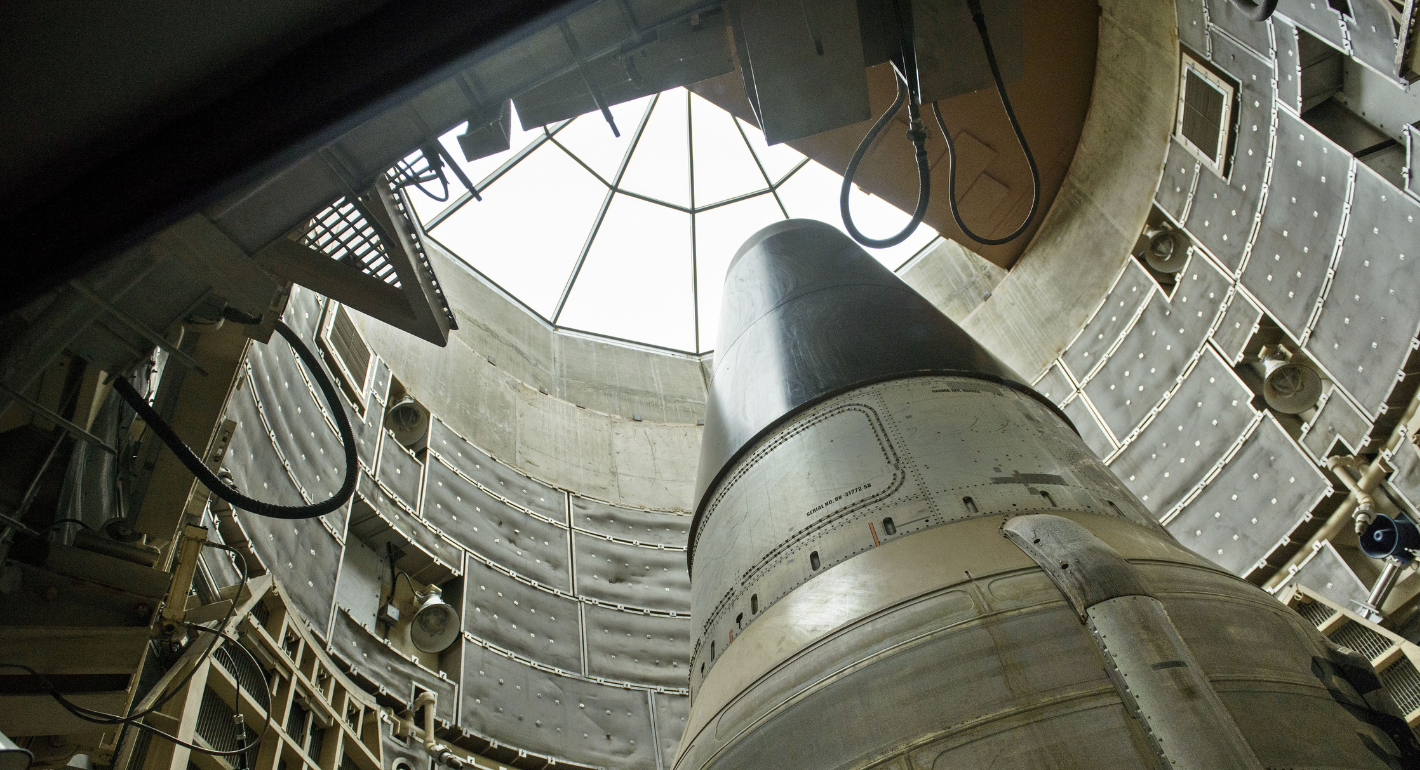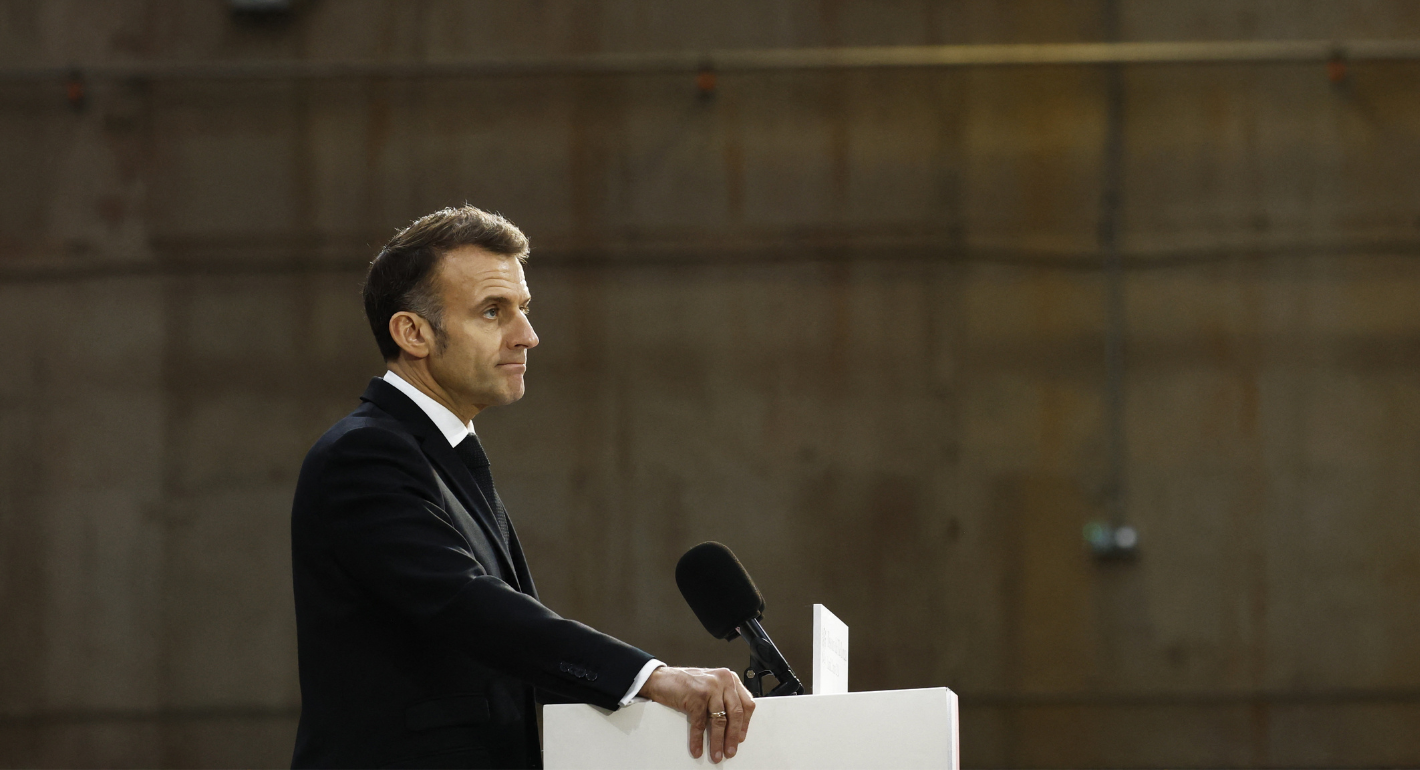
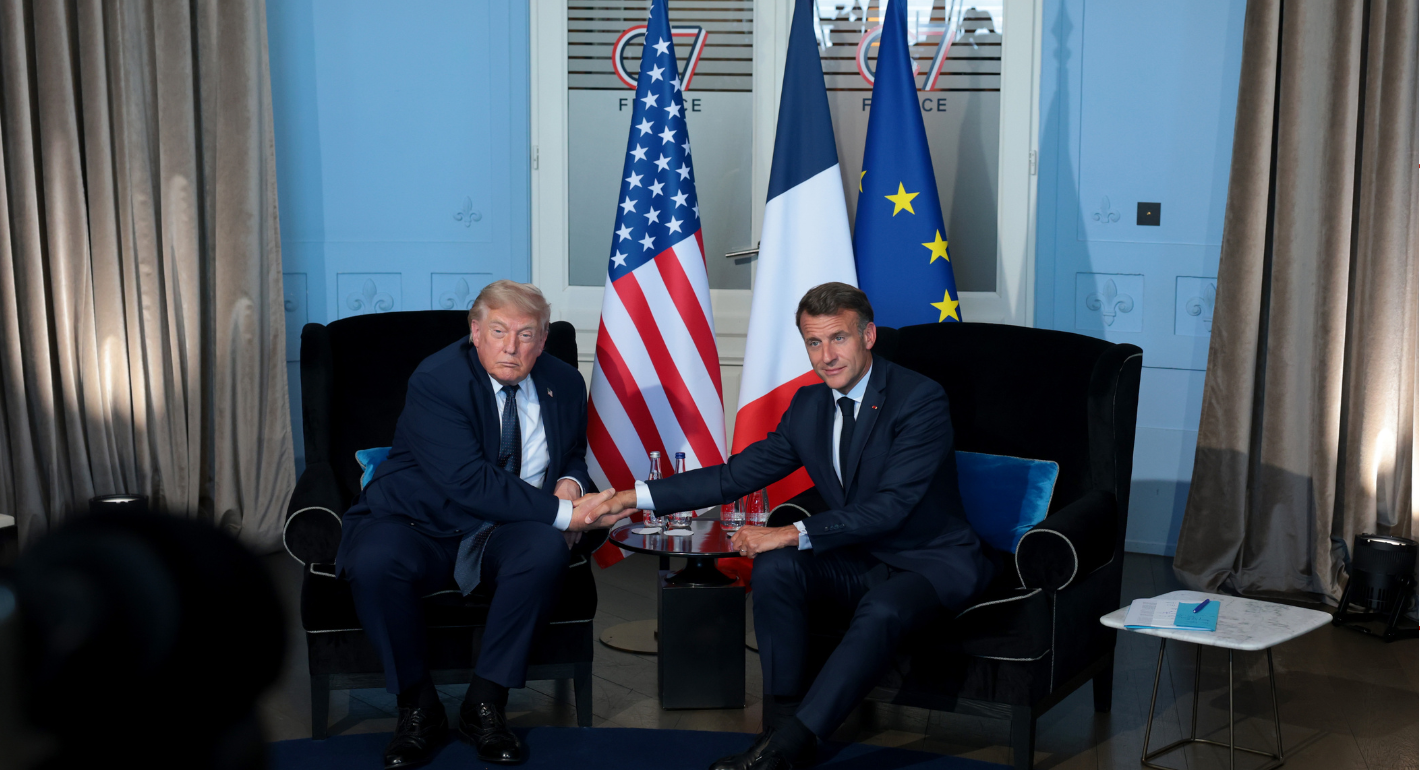
French President Emmanuel Macron has unveiled his country’s new nuclear doctrine. Are the changes he has made enough to reassure France’s European partners in the current geopolitical context?
Rym Momtaz, ed.
{
"authors": [
"Ankit Panda",
"Tristan Volpe"
],
"type": "legacyinthemedia",
"centerAffiliationAll": "dc",
"centers": [
"Carnegie Endowment for International Peace"
],
"collections": [],
"englishNewsletterAll": "ctw",
"nonEnglishNewsletterAll": "",
"primaryCenter": "Carnegie Endowment for International Peace",
"programAffiliation": "NPP",
"programs": [
"Nuclear Policy"
],
"projects": [],
"regions": [
"East Asia",
"South Korea"
],
"topics": [
"Nuclear Policy"
]
}Source: Getty
After President Yoon’s January 2023 public, not-so-veiled proliferation threat, the April 2023 Washington Declaration was a two-way exchange of assurances: South Korea reaffirmed its commitment to abstain from developing nuclear weapons, while the US agreed to augment its security reassurances in return.
Stanton Senior Fellow in the Nuclear Policy Program at the Carnegie Endowment for International Peace
Ankit Panda is the Stanton Senior Fellow in the Nuclear Policy Program at the Carnegie Endowment for International Peace.
Nonresident Fellow, Nuclear Policy Program
Tristan Volpe is a nonresident fellow at the Carnegie Endowment for International Peace and assistant professor of defense analysis at the Naval Postgraduate School.
Carnegie does not take institutional positions on public policy issues; the views represented herein are those of the author(s) and do not necessarily reflect the views of Carnegie, its staff, or its trustees.
French President Emmanuel Macron has unveiled his country’s new nuclear doctrine. Are the changes he has made enough to reassure France’s European partners in the current geopolitical context?
Rym Momtaz, ed.
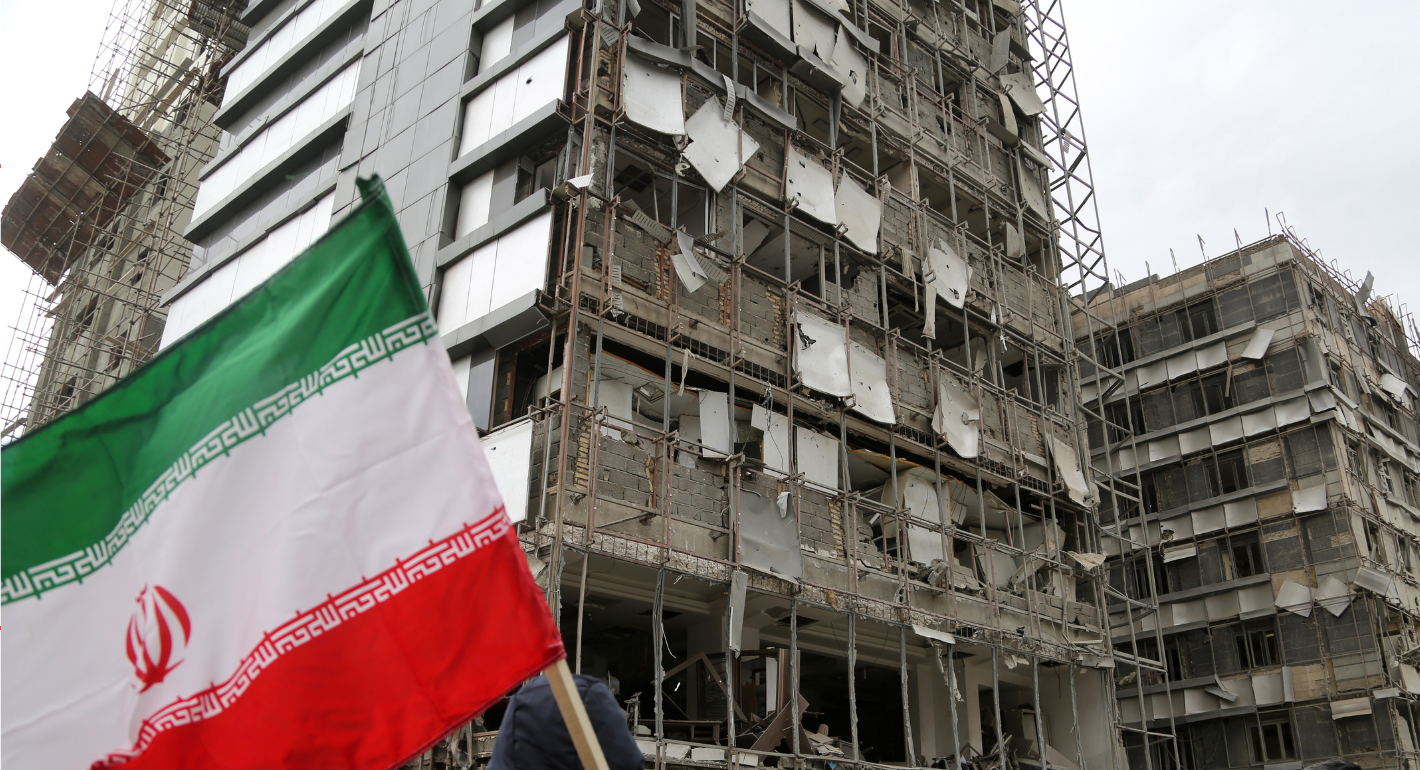
Europe’s reaction to the war in Iran has been disunited and meek, a far cry from its previously leading role in diplomacy with Tehran. To avoid being condemned to the sidelines while escalation continues, Brussels needs to stand up for international law.
Pierre Vimont
France has stopped clinging to notions of being a great power and is embracing the middle power moment. But Emmanuel Macron has his work cut out if he is to secure his country’s global standing before his term in office ends.
Rym Momtaz
In Donald Trump’s second term in office, the transatlantic relationship that helped define the postwar European project and global order appears broken. Is it time for Brussels to chart its own path?
Nathalie Tocci, Jan Techau
The debate on the future of European deterrence has intensified, as NATO allies seek to balance three key aims. Going forward, they will need to cooperate more deeply to craft a coherent strategy for confronting new threats.
Sophia Besch, Jamie Kwong