

Paper
The U.S.-Iran war has crossed a dangerous threshold: water infrastructure in the Gulf is now a target. Ecological statecraft is no longer peripheral to security, it's part of its foundations.
Olivia Lazard, Ali Bin Shahid

REQUIRED IMAGE
The lack of a Russian consensus on its interests in Iraq does not imply ready Russian support for U.S. military action. On the contrary, Russian experts stress both that the United States will have to go it alone and that U.S. forces should not expect a repeat of the easy time that they had in toppling the Taliban from power in Afghanistan. As Alexei Arbatov commented in an interview in May, "Using aerial bombardment alone in Iraq will not do the trick; the United States will need a ground operation. In Afghanistan, the ground operation was carried forward by the Northern Alliance, under the leadership of Russia and the USA. But in Iraq, no one will want to do this dirty work for the Americans."
The following is taken from Rose Gottemoeller's paper, "The Russian Elite and Iraq: An Unexpected Picture," in the Carnegie Endowment for International Peace's August 2002 report, "Iraq: A New Approach." This excerpt is particularly relevant in light of the talks held today at the White House between the Bush administration and the Russian Foreign and Defense Ministers on the situation in Iraq.
The lack of a Russian consensus on its interests in Iraq does not imply ready
Russian support for U.S. military action. On the contrary, Russian experts stress
both that the United States will have to go it alone and that U.S. forces should
not expect a repeat of the easy time that they had in toppling the Taliban from
power in Afghanistan. As Alexei Arbatov commented in an interview in May, "Using
aerial bombardment alone in Iraq will not do the trick; the United States will
need a ground operation. In Afghanistan, the ground operation was carried forward
by the Northern Alliance, under the leadership of Russia and the USA. But in
Iraq, no one will want to do this dirty work for the Americans."
One commentator went so far as to say that Iraq for the United States will be
as Carthage was for Rome: an eventual victory but won only after a long war
that significantly taxed the Roman Empire. This image of an imperial power about
to enter a quagmire is one that a number of Russians seem to relish, perhaps
based on their own experience in Chechnya. However, they do not specifically
compare Iraq to Chechnya. Instead, they warn against "naïve"
hopes, such as counting on "marionette-style fighters from the ranks of
(Iraqi) dissidents."
Thus, the answer to the question of whether Russia would support a U.S. invasion
of Iraq with its own military forces is a clear no: As far as Russia is concerned,
the United States will have to go it alone. The more general question of whether
Russia would go along with such an invasion has a more nuanced answer, however.
Russian elites seem ready to stand aside and let the Americans go forward if
they are determined to do so. As Georgy Mirsky put it, "Russia will not
hinder the Americans."
In some sense, Russian commentators may be preparing their public for what they
believe will be the likely response from the Kremlin: Putin's acquiescence to
a U.S. invasion of Iraq, similar to the case of the Anti-Ballistic Missile Treaty.
A number of Russian commentators maintain the view that political tools for
addressing the crisis have not been exhausted. They note that Iraq has not so
far refused dialogue with the United Nations. They also note that as soon as
others walk away from diplomatic efforts, the Iraqi leader will be tempted to
preempt the situation. This attitude indicates that Russia, if it should acquiesce
to U.S. military action, will continue to press on the diplomatic front as well.
Even more naturally, the Russian elites would be positively disposed to a reasonable
alternative to a full-scale U.S. invasion. The scope and definition of that
alternative is not clear from the Russian media, except to emphasize a strong
commitment to continued engagement at the negotiating table. However, the current
Russian stance at the United Nations suggests that a use of force to support
inspections might not be out of the question, if only to maintain the continued
viability and legitimacy of the UN system.
Moreover, although they do not occupy the first rank of argument, the interests
of Russian companies would not be disregarded. Russian media commentators convey
the sense that they are simply waiting for the giant to falter. This would not
be because they expect to gain in the old Cold War zero-sum sense, but because
they believe it will create the conditions for a new political process. In this,
Russian experts would hope to take a decisive role, especially to support the
interests of Russian companies.
To sum up, Russian elites will not be tied fast by Russian oil companies in
regard to defining Russian national interests in Iraq. Likewise, they will not
be driven to precipitate steps against the United States, in the United Nations
or elsewhere. At the same time, they will likely urge, and strongly so, the
continuation of a diplomatic-political process to resolve the crisis. This could
include the option of armed support to inspections.
For Rose Gottemoeller's complete paper,"The Russian Elite and Iraq:
An Unexpected Picture," Click
here
Additional Resource:
Click here to return to Proliferation News
Carnegie does not take institutional positions on public policy issues; the views represented herein are those of the author(s) and do not necessarily reflect the views of Carnegie, its staff, or its trustees.
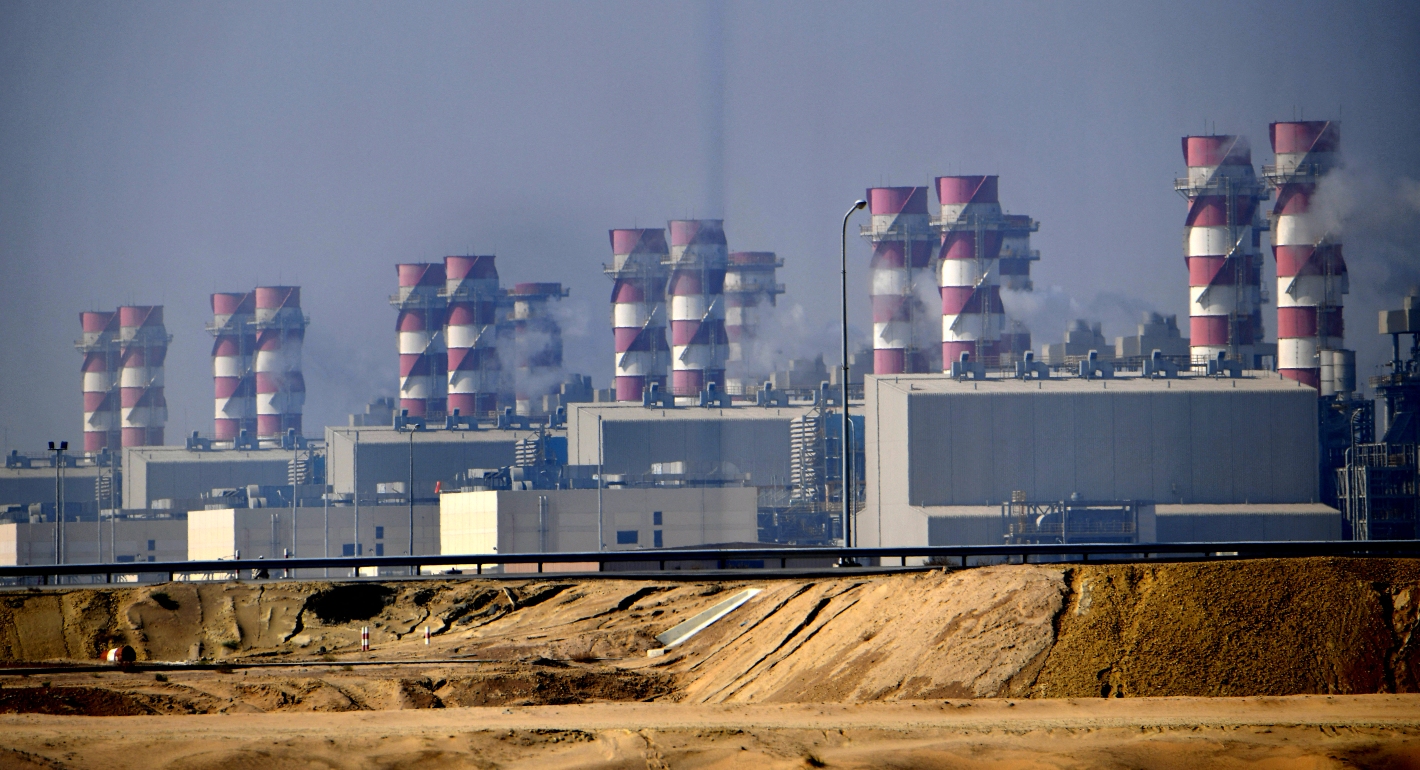
The U.S.-Iran war has crossed a dangerous threshold: water infrastructure in the Gulf is now a target. Ecological statecraft is no longer peripheral to security, it's part of its foundations.


Olivia Lazard, Ali Bin Shahid
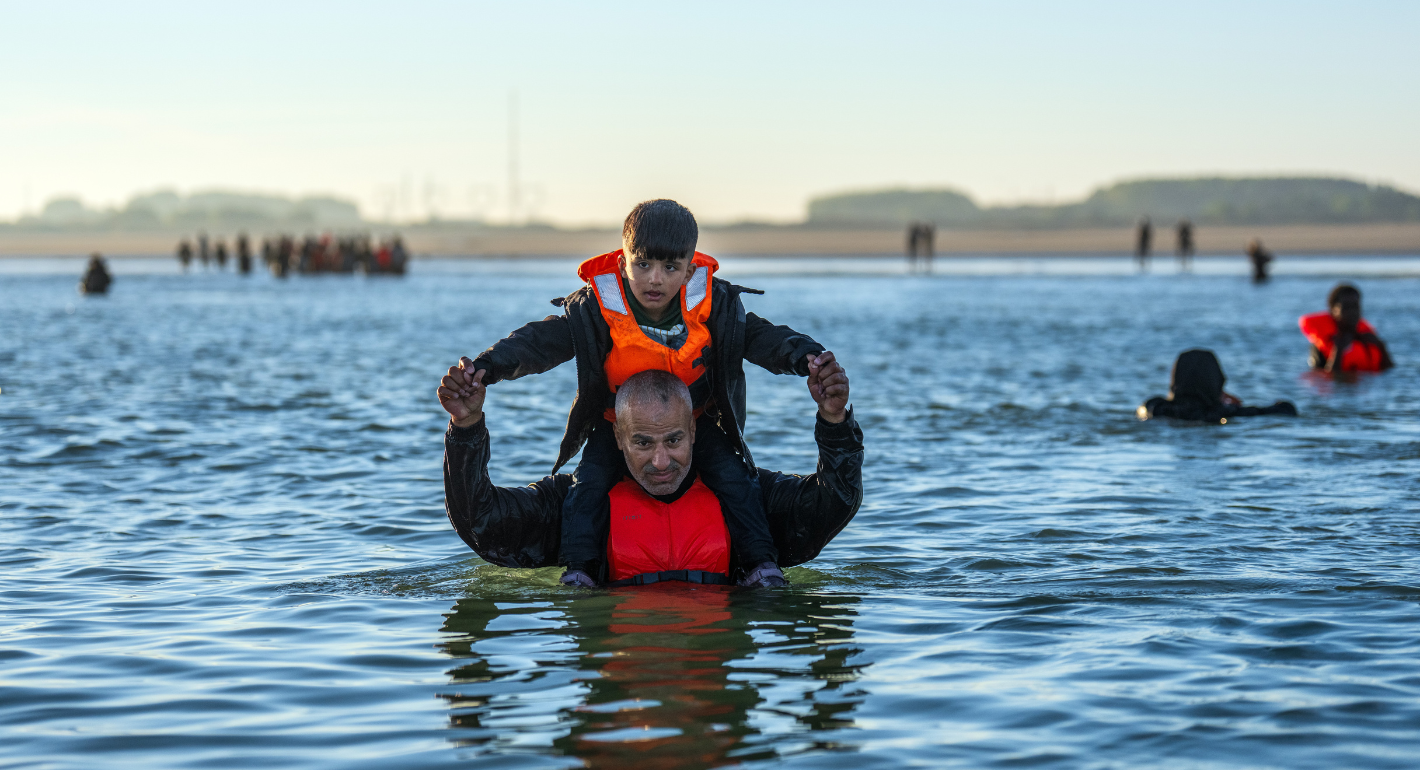
Hard-line approaches to asylum policy are increasingly common, with crackdowns proposed even by parties that traditionally hold liberal views on migration. Does this shift represent a break with Europe’s fundamental values?

Thomas de Waal
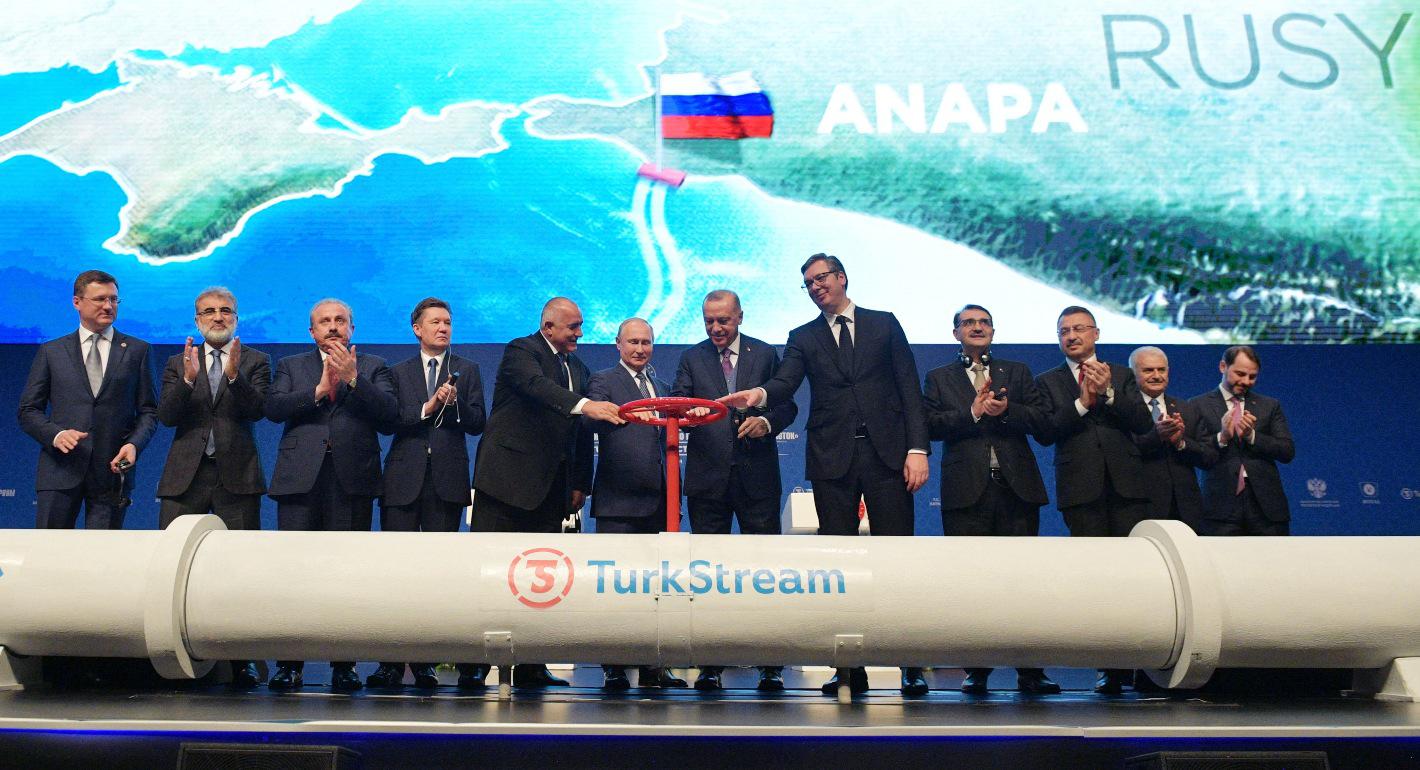
Turkey’s dependence on energy imports has an impact on the country’s economic and geopolitical orientation. Turkish leaders should devise energy policies that respond to domestic priorities, regional ambitions, and the challenges posed by climate change.
Francesco Siccardi
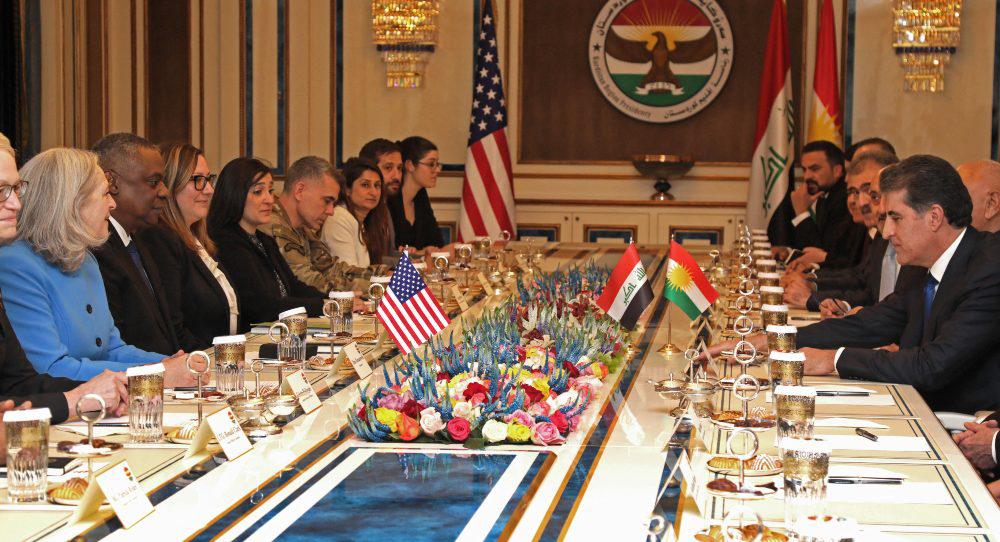
The United States and its European allies are still grappling with the consequences of their invasion of Iraq. As Russia continues its invasion of Ukraine, it is time to understand the lessons from 2003.

Rosa Balfour
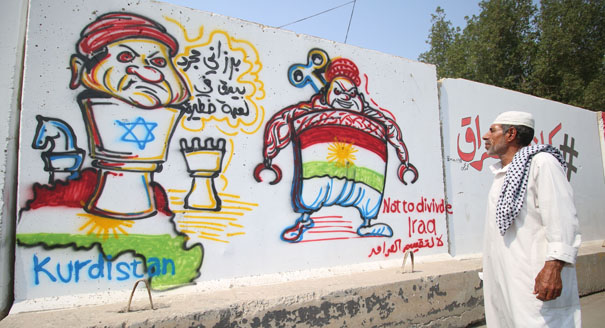
Iraqi Kurdistan, like Catalonia, must move on to peaceful negotiations over the modalities of equitable coexistence.

Marc Pierini