

Paper
The U.S.-Iran war has crossed a dangerous threshold: water infrastructure in the Gulf is now a target. Ecological statecraft is no longer peripheral to security, it's part of its foundations.
Olivia Lazard, Ali Bin Shahid

REQUIRED IMAGE
Drawing useful lessons from experience begins with an accurate record of what happened. It is not too soon to begin this inquiry into the Iraq experience, because public confusion is widespread and revisionism has already begun. Some pundits now claim that the war was never about WMD but was undertaken to bring democracy to Iraq or the entire Middle East. Others say it was a response to 9/11 or was the necessary answer to a composite threat posed by Saddam Hussein's domestic evils, past aggressions, defiance of the United Nations, and desire for WMD. The administration has adjusted its public expectation of what Iraq will be found to have had from actual weapons and massive stockpiles of agent, to weapons programs, to "capabilities," and even to the "capability that Iraq sought" for weapons of mass destruction. Deputy Secretary of Defense Paul Wolfowitz has called WMD merely "the one reason everyone could agree on," chosen for "bureaucratic reasons."
The following is taken from a new Carnegie study, WMD in Iraq: Evidence and Implications. This report attempts to summarize and clarify the complex story of WMD and the Iraq war. It examines the unclassified record of prewar intelligence, administration statements of Iraq's capabilities to produce nuclear, chemical, and biological weapons and long-range missiles, and the evidence found to date in Iraq.
Drawing useful lessons from experience begins with an accurate record of what
happened. It is not too soon to begin this inquiry into the Iraq experience,
because public confusion is widespread and revisionism has already begun. Some
pundits now claim that the war was never about WMD but was undertaken to bring
democracy to Iraq or the entire Middle East. Others say it was a response to
9/11 or was the necessary answer to a composite threat posed by Saddam Hussein's
domestic evils, past aggressions, defiance of the United Nations, and desire
for WMD. The administration has adjusted its public expectation of what Iraq
will be found to have had from actual weapons and massive stockpiles of agent,
to weapons programs, to "capabilities," and even to the "capability
that Iraq sought" for weapons of mass destruction. Deputy Secretary of
Defense Paul Wolfowitz has called WMD merely "the one reason everyone could
agree on," chosen for "bureaucratic reasons."
Notwithstanding these varied views, the definitive voice of U.S. policy-the
president's-was unequivocal that the reason for going to war was the present
threat to U.S. security posed by Iraq's WMD. From Mr. Bush's first detailed
case for the war on October 7, 2002, to the declaration of war on March 17,
2003, the purpose is always clear: "Saddam Hussein must disarm himself-or
for the sake of peace, we will lead a coalition to disarm him." Other than
warnings addressed to the Iraqi military and reassurances to the American people
regarding homeland security, the declaration of war address was only about WMD
until the closing paragraphs, which touched on human liberty and a better future
for the Iraqi people.
The reasons for war made to the rest of the world through months of negotiations
at the United Nations, before and after the dispatch to Iraq of a greatly strengthened
WMD inspection team, were the same. The basis for international action is stated
in UN Security Council Resolution 1441, paragraph 2, as "bringing to full
and verified completion the disarmament process." U.S. Secretary of State
Powell's detailed case to the Security Council on February 5, 2003, mirrored
the President's speeches: at issue was the threat from Saddam's WMD. All other
matters were at most, a minor afterthought.
Because the WMD threat was the reason Americans and citizens of most other countries
were given for invading Iraq, the large divergence between prewar descriptions
of the threat and what has been discovered in the nine months since the war,
is a matter of some consequence. The discrepancies raise questions whose answers
should inform a full understanding of the war itself, the handling of pending
proliferation crises in Iran and North Korea, and an urgently needed, broad
rethinking of U.S. nonproliferation policy. These questions include:
Although the complete story can not yet be told, a massive amount of information is available from declassified U.S. intelligence, reports from the UN Special Commission on Iraq (UNSCOM), the UN Monitoring, Verification, and Inspection Commission (UNMOVIC) and the International Atomic Energy Agency (IAEA), administration statements, corroborated press reports, and postwar findings. This study sorts through this mass of material, disentangles many of its complexities, and lays out a much clearer, if still incomplete, picture of what was known, uncertain, and unknown at each stage. From this we offer partial answers to these questions and point to issues that need fuller attention by bodies with access to the full classified record and to others that need further analysis and public debate. The aim is to clarify the record of the central reason for the Iraq war and to suggest changes in U.S. and international policies and practice that could help prevent the spread and use of weapons of mass destruction.
Additional Resources:
Carnegie does not take institutional positions on public policy issues; the views represented herein are those of the author(s) and do not necessarily reflect the views of Carnegie, its staff, or its trustees.
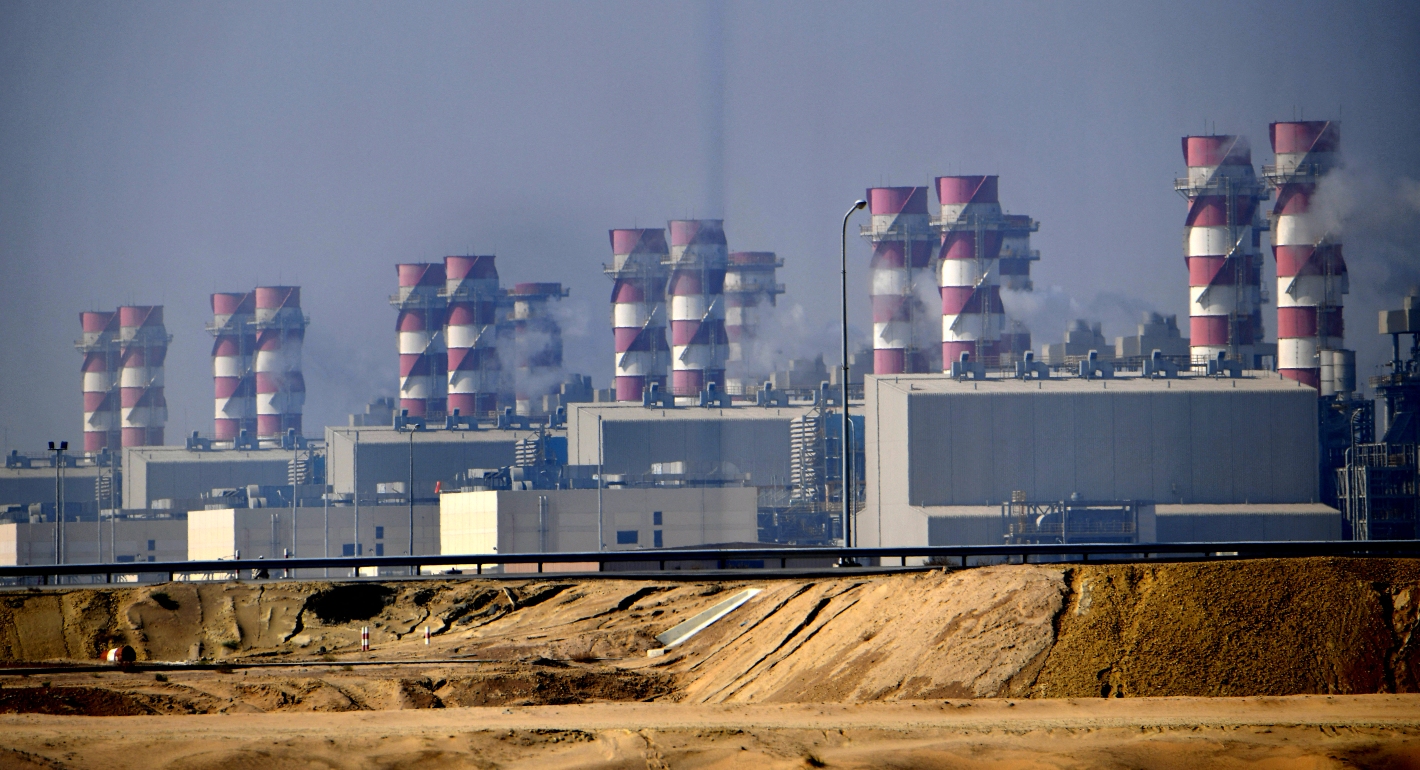
The U.S.-Iran war has crossed a dangerous threshold: water infrastructure in the Gulf is now a target. Ecological statecraft is no longer peripheral to security, it's part of its foundations.


Olivia Lazard, Ali Bin Shahid
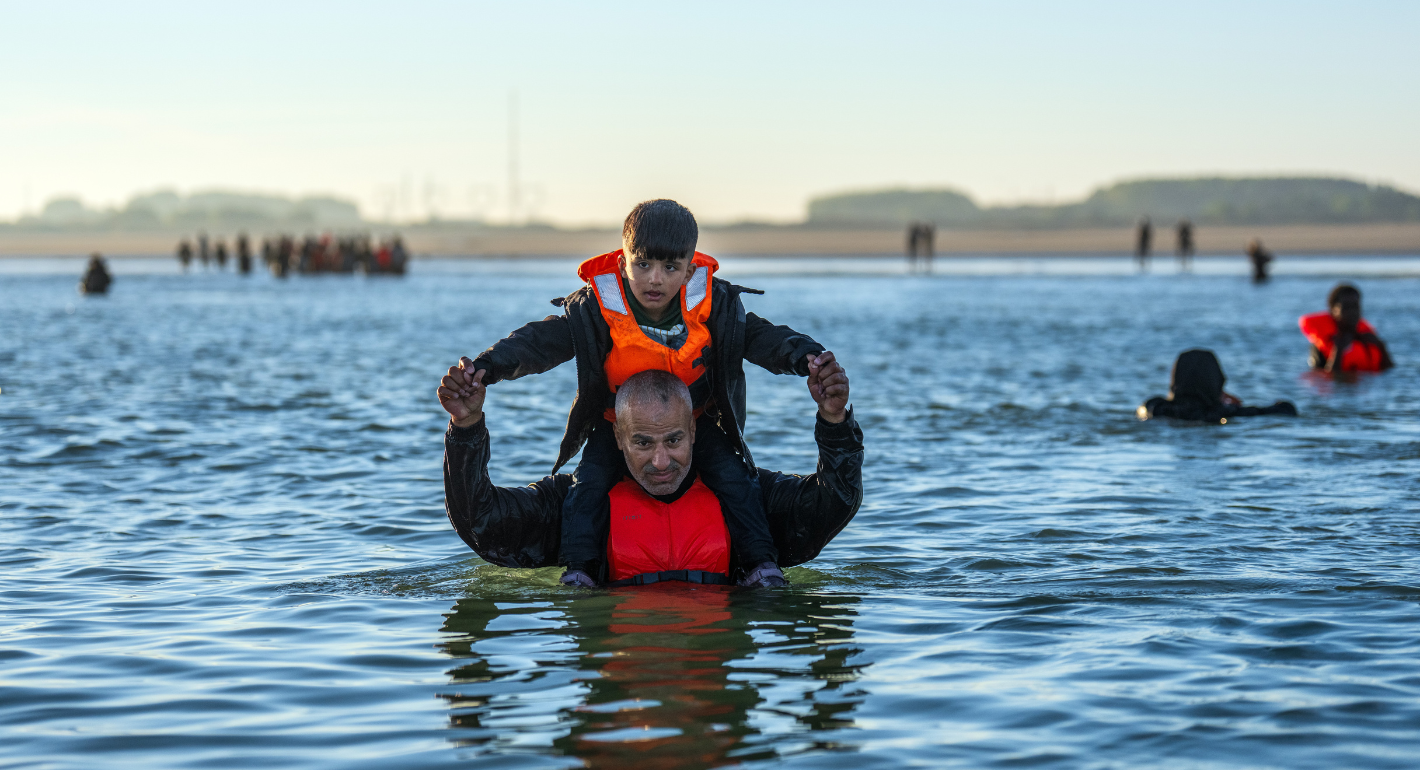
Hard-line approaches to asylum policy are increasingly common, with crackdowns proposed even by parties that traditionally hold liberal views on migration. Does this shift represent a break with Europe’s fundamental values?

Thomas de Waal
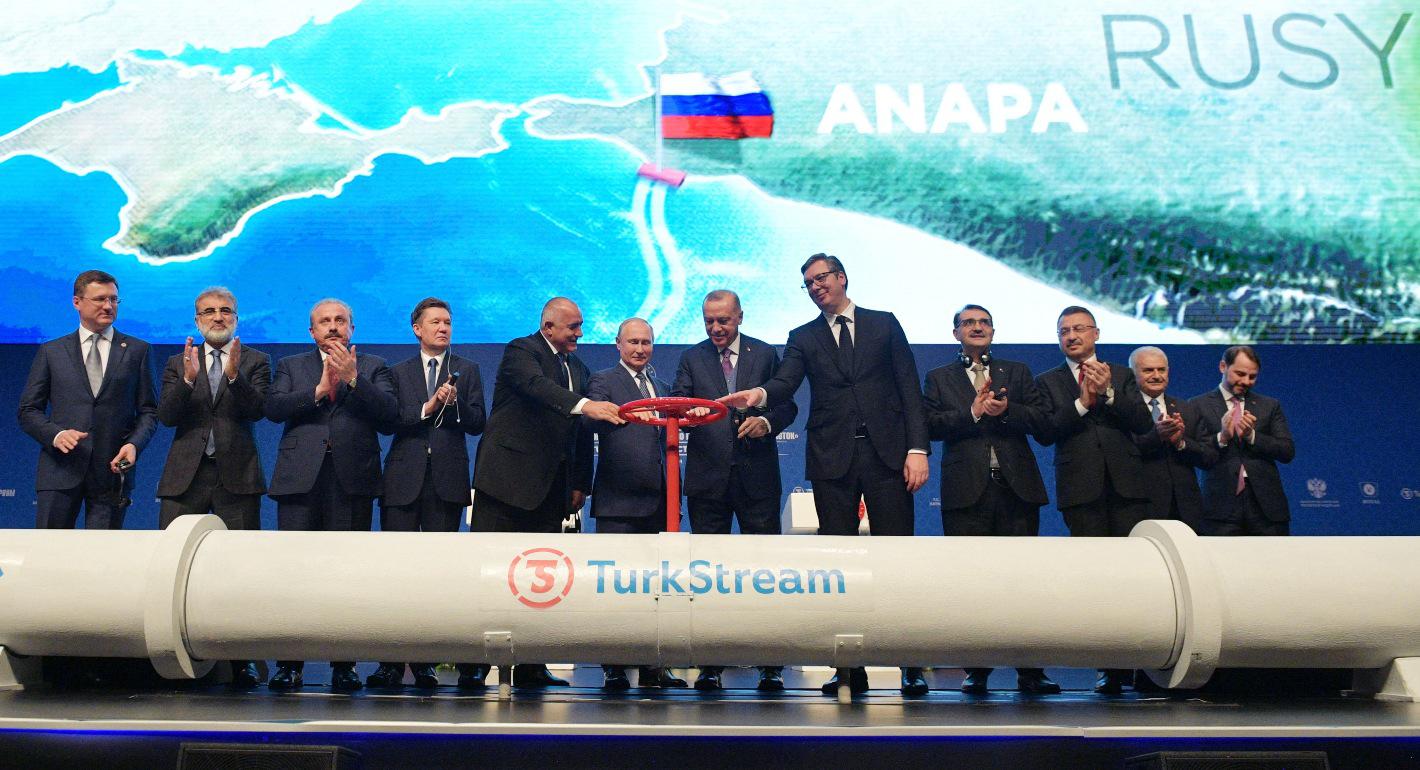
Turkey’s dependence on energy imports has an impact on the country’s economic and geopolitical orientation. Turkish leaders should devise energy policies that respond to domestic priorities, regional ambitions, and the challenges posed by climate change.
Francesco Siccardi
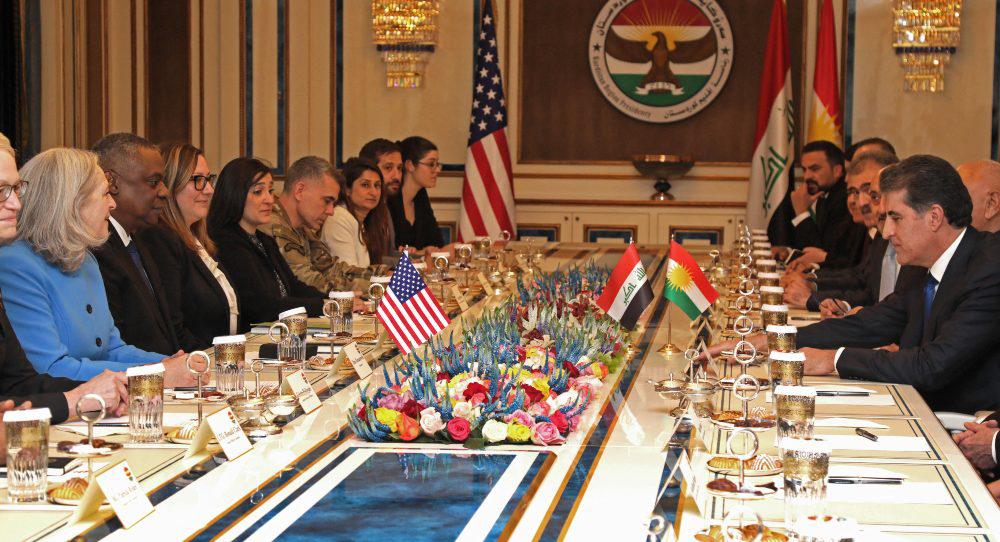
The United States and its European allies are still grappling with the consequences of their invasion of Iraq. As Russia continues its invasion of Ukraine, it is time to understand the lessons from 2003.

Rosa Balfour
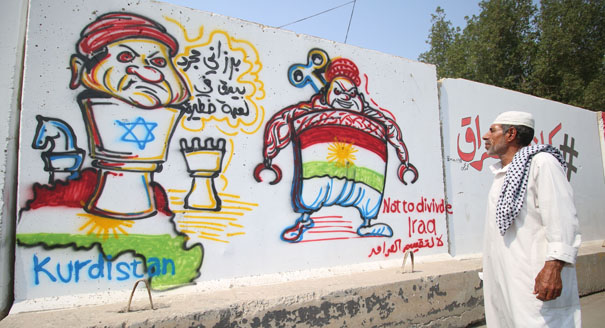
Iraqi Kurdistan, like Catalonia, must move on to peaceful negotiations over the modalities of equitable coexistence.

Marc Pierini