

Research
The EU and ASEAN have diverging priorities in climate, security, technology, trade, and democracy. Stronger cooperation in these fields would enable the two blocs to tackle shared challenges and pursue common interests.
Lizza Bomassi

REQUIRED IMAGE
North Korea has an active nuclear weapons program and may now possess several nuclear weapons. U.S. troops, allies in the region, and strategic interests are directly threatened by North Korea's growing nuclear capability, which has been pursued in violation of Pyongyang's commitments under the Non-Proliferation Treaty and other agreements. Given North Korea's economic strains, it is conceivable that for a high price Pyongyang might sell nuclear materials or weapons to other states or even terrorist groups, taking a regional threat to a global level. Such a scenario is so grave that U.S. policy makers could soon face a truly appalling choice between acquiescing in North Korea's transfer of its weapons technology and fighting a full-fledged war on the Korean peninsula.
The following is taken from a new Carnegie study, Universal Compliance: A Strategy for Nuclear Security. This draft report offers a blueprint strategy for strengthening efforts to prevent nuclear terrorism and proliferation.
North Korea has an active nuclear weapons program and may now possess several nuclear weapons. U.S. troops, allies in the region, and strategic interests are directly threatened by North Korea's growing nuclear capability, which has been pursued in violation of Pyongyang's commitments under the Non-Proliferation Treaty and other agreements. Given North Korea's economic strains, it is conceivable that for a high price Pyongyang might sell nuclear materials or weapons to other states or even terrorist groups, taking a regional threat to a global level. Such a scenario is so grave that U.S. policy makers could soon face a truly appalling choice between acquiescing in North Korea's transfer of its weapons technology and fighting a full-fledged war on the Korean peninsula.
Short of war, a failure to resolve the North Korean nuclear threat would badly undermine the cause of nuclear nonproliferation and would increase incentives for regional states, including South Korea and Japan, to consider their own nuclear options. It would pose an unprecedented regional and global security risk.
The United States and its partners in dialogue with North Korea must determine whether and under what conditions North Korea is willing to relinquish its nuclear capabilities. Finding Pyongyang's bottom line will either allow the United States and its allies to negotiate a verifiable end to North Korea's nuclear program or improve the prospects for building a consensus to respond to the threat posed by North Korea's suspected nuclear weapons.
The creation of a regional six-party negotiating mechanism has enabled the United States to more closely tie China to the issue of North Korea's nuclear future, but it remains unclear how far Beijing can or is willing to go in pressuring North Korea to abandon its program. China may not have an interest in a nuclear North Korea on its border, but it is also averse to regime collapse or a war between the United States and North Korea that could result in U.S. troops being placed on the Chinese border. All in all, China may find the status quo tolerable, and the United States cannot assume that China will be able or willing to deliver North Korea's consent or compliance with a denuclearization agreement.
North Korea's apparent willingness to create crises in order to extract maximum negotiating leverage cannot be discounted. In comparison to military con?ict or unchecked proliferation, many negotiated settlements become attractive.
If a negotiated solution that eliminates North Korea's nuclear program is possible, now is the time for a determined, comprehensive effort. At the same time, the United States and its allies must prepare for the possibility that Pyongyang will not abandon its nuclear program, forcing them to take appropriate steps to reinforce deterrence and the norm of nonproliferation in the region.
To test whether North Korea is prepared to eliminate its program under effective verifcation, the United States needs to:
The regional security consequences of an ongoing North Korean nuclear weapon
capability are dire. So too are the implications of allowing North Korea's violations
of the international treaty regime to go unpunished. By violating and then attempting
to withdraw from the NPT, North Korea has undermined the fundamental premise
of the regime-that the international community is prepared to hold countries
to their commitments. The Security Council presidential statement of January
1992 found the proliferation of nuclear weapons a threat to international peace
and security. Thus, Security Council members have a responsibility to respond
to North Korea's actions. Yet even now, the Security Council has yet to respond
to North Korea's violations and withdrawal. If, after a determined good-faith
effort, the United States and the other partners fail to achieve a negotiated
agreement, then the United States must convince the Security Council that North
Korea's violations are a threat to international peace and security and that
its withdrawal from the NPT was invalid. The United States must then prepare
for the consequences.
Carnegie does not take institutional positions on public policy issues; the views represented herein are those of the author(s) and do not necessarily reflect the views of Carnegie, its staff, or its trustees.
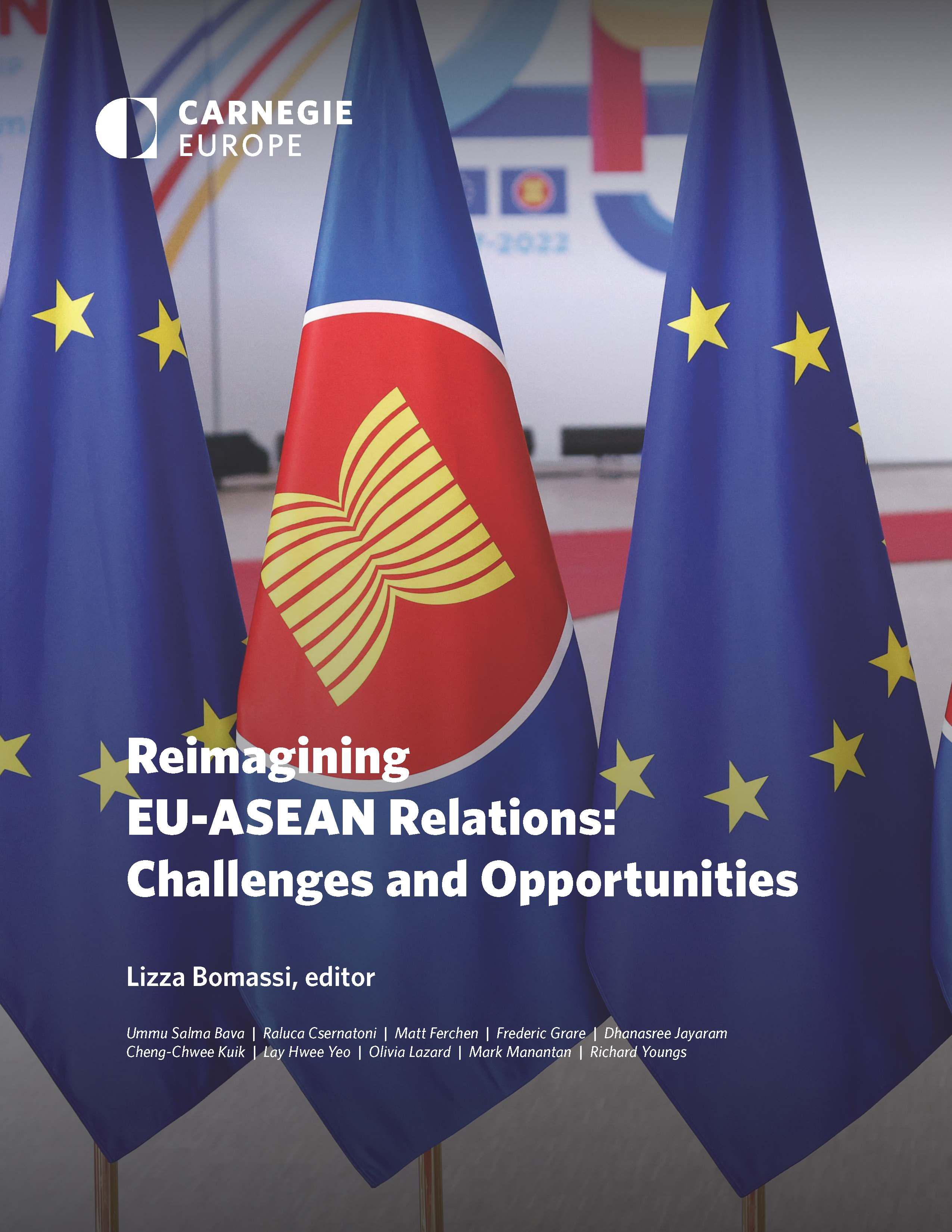
The EU and ASEAN have diverging priorities in climate, security, technology, trade, and democracy. Stronger cooperation in these fields would enable the two blocs to tackle shared challenges and pursue common interests.

Lizza Bomassi
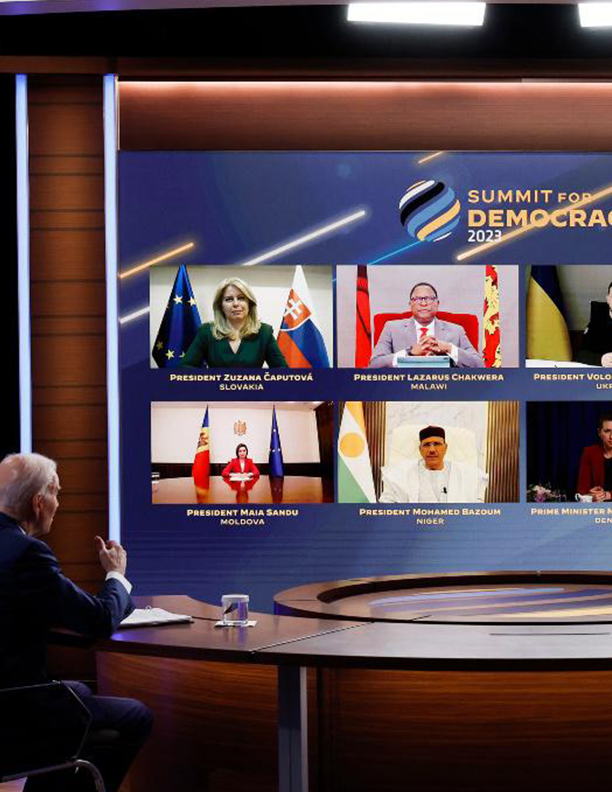
Leaders agreed that the Summit for Democracy process will continue to improve coordination among democracies. If the EU is to prove its credibility and effectiveness, concrete actions are needed in the months ahead.



Richard Youngs, Ken Godfrey, Thomas Carothers, …

Countries around the world are struggling to bridge the gap between citizens and political elites. Innovative practices outside the West, while far from ideal, should be considered in debates about democratic renewal in Europe.
Richard Youngs, Ken Godfrey
Innovative forms of deliberative and participatory democracy from outside the West can inspire reform in European states.
Richard Youngs, Ken Godfrey
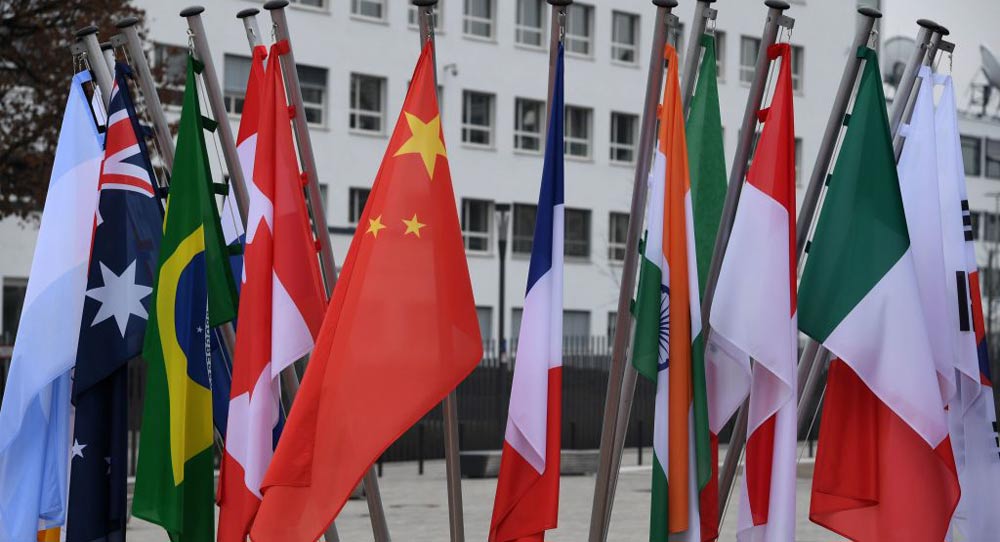
Many non-European countries are reassessing their views of the EU against a background of Trumpism, populism, and globalization.

Judy Dempsey