

{
  "authors": [
    "Pan Zhenqiang",
    "Fan Jishe",
    "Li Bin"
  ],
  "type": "event",
  "centerAffiliationAll": "dc",
  "centers": [
    "Carnegie Endowment for International Peace"
  ],
  "collections": [],
  "englishNewsletterAll": "ctw",
  "nonEnglishNewsletterAll": "",
  "primaryCenter": "Carnegie Endowment for International Peace",
  "programAffiliation": "NPP",
  "programs": [
    "Nuclear Policy"
  ],
  "projects": [],
  "regions": [
    "East Asia",
    "China"
  ],
  "topics": [
    "Nuclear Policy"
  ]
}
Chinese Thinking on Nuclear Weapons
Tue, October 6th, 2015
Washington, DC
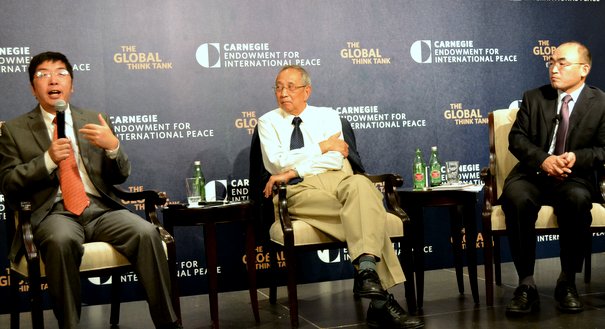
Chinese thinking on nuclear weapons issues can be difficult to discern. What are Chinese views on the role of nuclear weapons? Is there a specific security paradigm through which Chinese thinkers understand nuclear policy? How does China make decisions about nuclear weapon development and operation, as well as nuclear arms control and nonproliferation?
Carnegie hosted the second discussion in our series on Chinese nuclear thinking, where Pan Zhenqiang and Fan Jishe explained their research findings on these questions and more. Carnegie’s Li Bin moderated.
Pan Zhenqiang
Pan Zhenqiang is the director of the Research Institute for Strategy and Management at the Central University of Finance and Economics in China, as well as an executive member of the council of the China Reform Forum.
Fan Jishe
Fan Jishe is the division director of strategic studies and deputy director of the Center for Arms Control and Nonproliferation Studies at the Chinese Academy of Social Sciences.
Li Bin
Li Bin is a senior associate at the Carnegie Endowment for International Peace and a professor of international relations at Tsinghua University.
Carnegie does not take institutional positions on public policy issues; the views represented herein are those of the author(s) and do not necessarily reflect the views of Carnegie, its staff, or its trustees.
Event Speakers
Pan Zhenqiang
Pan Zhenqiang is the director of the Research Institute for Strategy and Management at the Central University of Finance and Economics in China, as well as an executive member of the council of the China Reform Forum.
Fan Jishe
Fan Jishe is the division director of strategic studies and deputy director of the Center for Arms Control and Nonproliferation Studies at the Chinese Academy of Social Sciences.
Former Senior Fellow, Nuclear Policy Program and Asia Program
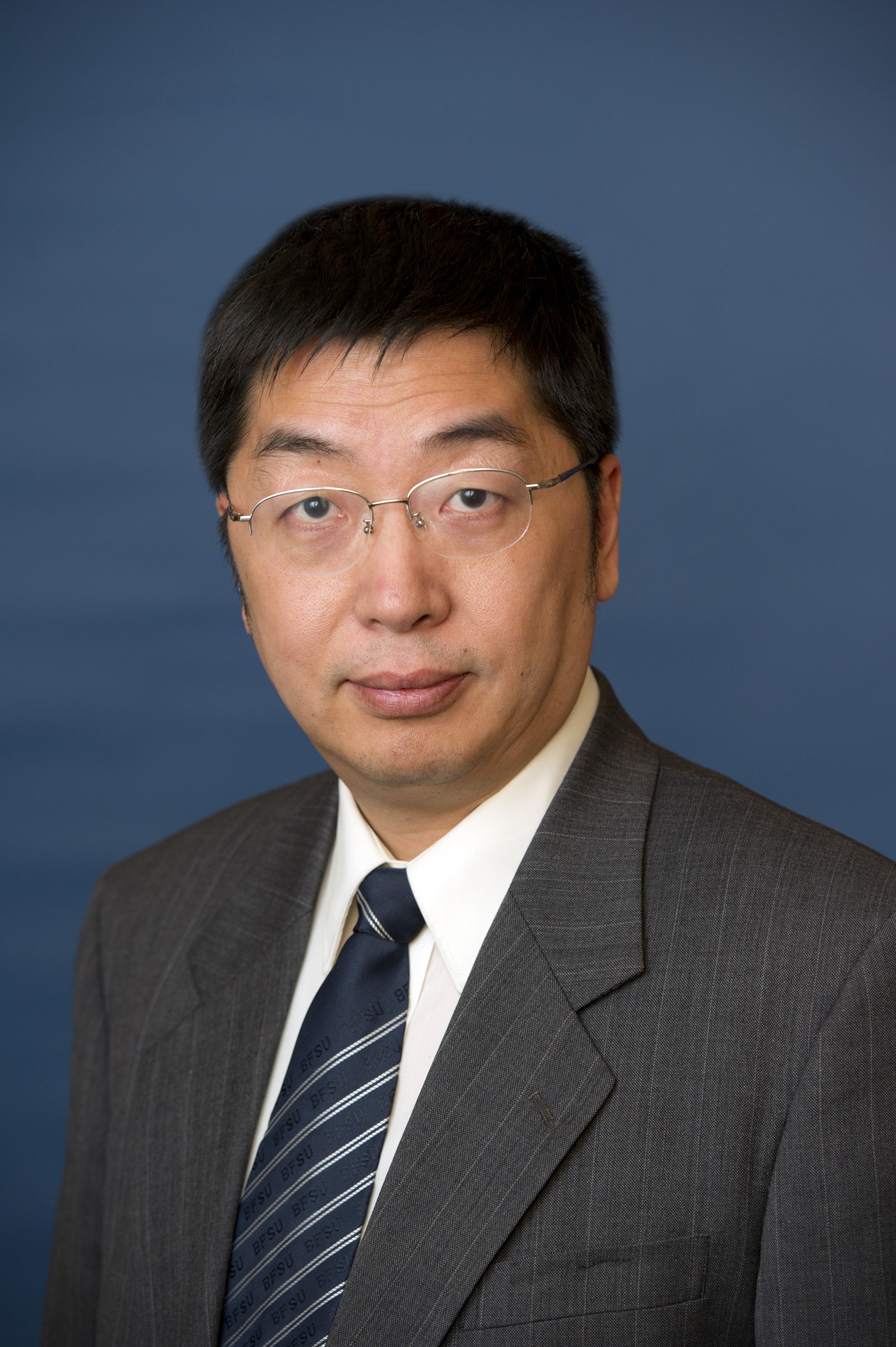
Li was a senior fellow working jointly in the Nuclear Policy Program and Asia Program at the Carnegie Endowment for International Peace.