

{
  "authors": [
    "Ambassador Gene Cretz",
    "Marina Ottaway",
    "Christopher Boucek"
  ],
  "type": "event",
  "centerAffiliationAll": "dc",
  "centers": [
    "Carnegie Endowment for International Peace"
  ],
  "collections": [],
  "englishNewsletterAll": "menaTransitions",
  "nonEnglishNewsletterAll": "",
  "primaryCenter": "Carnegie Endowment for International Peace",
  "programAffiliation": "MEP",
  "programs": [
    "Middle East"
  ],
  "projects": [],
  "regions": [
    "North Africa",
    "Libya"
  ],
  "topics": [
    "Political Reform",
    "Foreign Policy"
  ]
}
Libya: The Second Year of Normalization
Fri, June 4th, 2010
Washington, D.C.
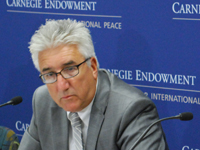
IMGXYZ2559IMGZYXDuring the latter half of the twentieth century, relations between the United States and Libya were severely strained. It is only in the past few years that diplomatic relations have begun to normalize. U.S. Ambassador to Libya Gene Cretz spoke at the Carnegie Endowment for International Peace about Libya in the second year of full normalizations of its relations with the United States. Carnegie’s Christopher Boucek provided comments and Marina Ottaway moderated.
Diplomatic Ties
- A U.S. ally: Cretz suggested that Libya is now a strategic ally and a model for global nuclear nonproliferation since it declared that it would cease development of weapons of mass destruction in 2003.
- Cooperation: Cretz pointed out that there has been significant cooperation between the two countries on non-proliferation, scientific and technological development, military, security, and counterterrorism. Examples of such cooperation include the new security assistance relationship as well as a thriving political-military dialogue, evidenced by an increase in the number of bilateral exchanges and visits.
- Potential differences: Cretz acknowledged that there have been some diplomatic differences between the two countries, citing the welcome received by the Lockerbie bomber when he was released from prison as an example of political strain.
Domestic Concerns
- Privatization: Cretz lauded Libya’s privatization efforts, coming on the heels of forty years of economic stagnation. He noted that U.S. trade missions to Libya have been met with great receptivity, as the Libyans seem keenly interested in expanding economic ties.
- Human rights: In response to questions by some Libyan human rights activists, the ambassador stated that there is an open and frank human rights dialogue taking place between the United State and Libya. Cretz acknowledged that democracy promotion is a delicate issue that must be approached carefully. He expressed approval of the work of Saif el-Islam Qaddhafi, the son of the Libyan president, who is, according to Cretz, engaged in promoting human rights issues.
- Role of the embassy: Cretz said that the United States is trying to find areas in which the embassy can make a concrete difference on issues of development and human rights, including training Libyan judges, programs on human trafficking and women’s abuse, and aiding progress in the medical field.
Carnegie India does not take institutional positions on public policy issues; the views represented herein are those of the author(s) and do not necessarily reflect the views of Carnegie, its staff, or its trustees.
Event Speakers
Ambassador Gene Cretz
Former Senior Associate, Middle East Program
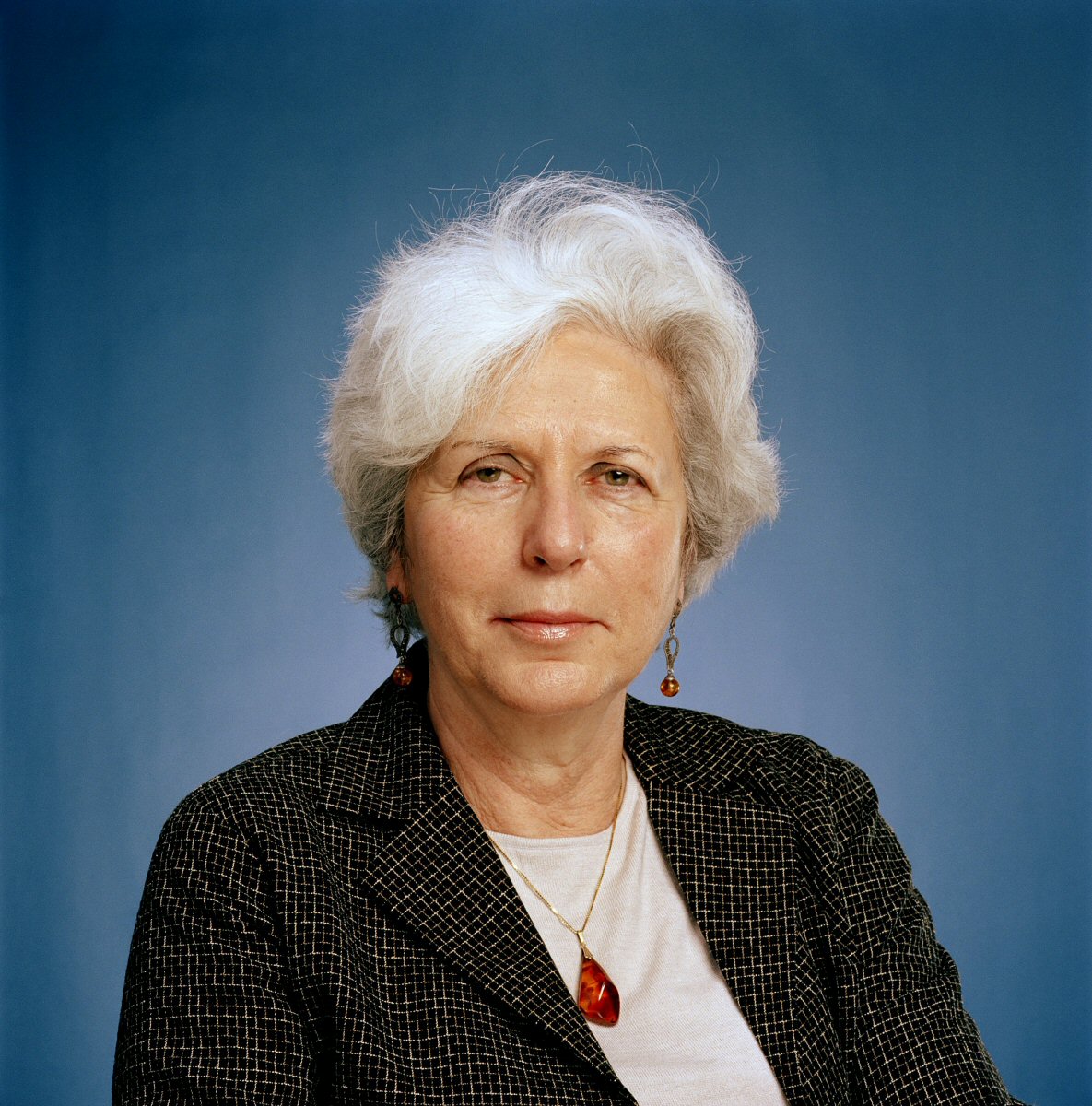
Before joining the Endowment, Ottaway carried out research in Africa and in the Middle East for many years and taught at the University of Addis Ababa, the University of Zambia, the American University in Cairo, and the University of the Witwatersrand in South Africa.
Former Associate, Middle East Program
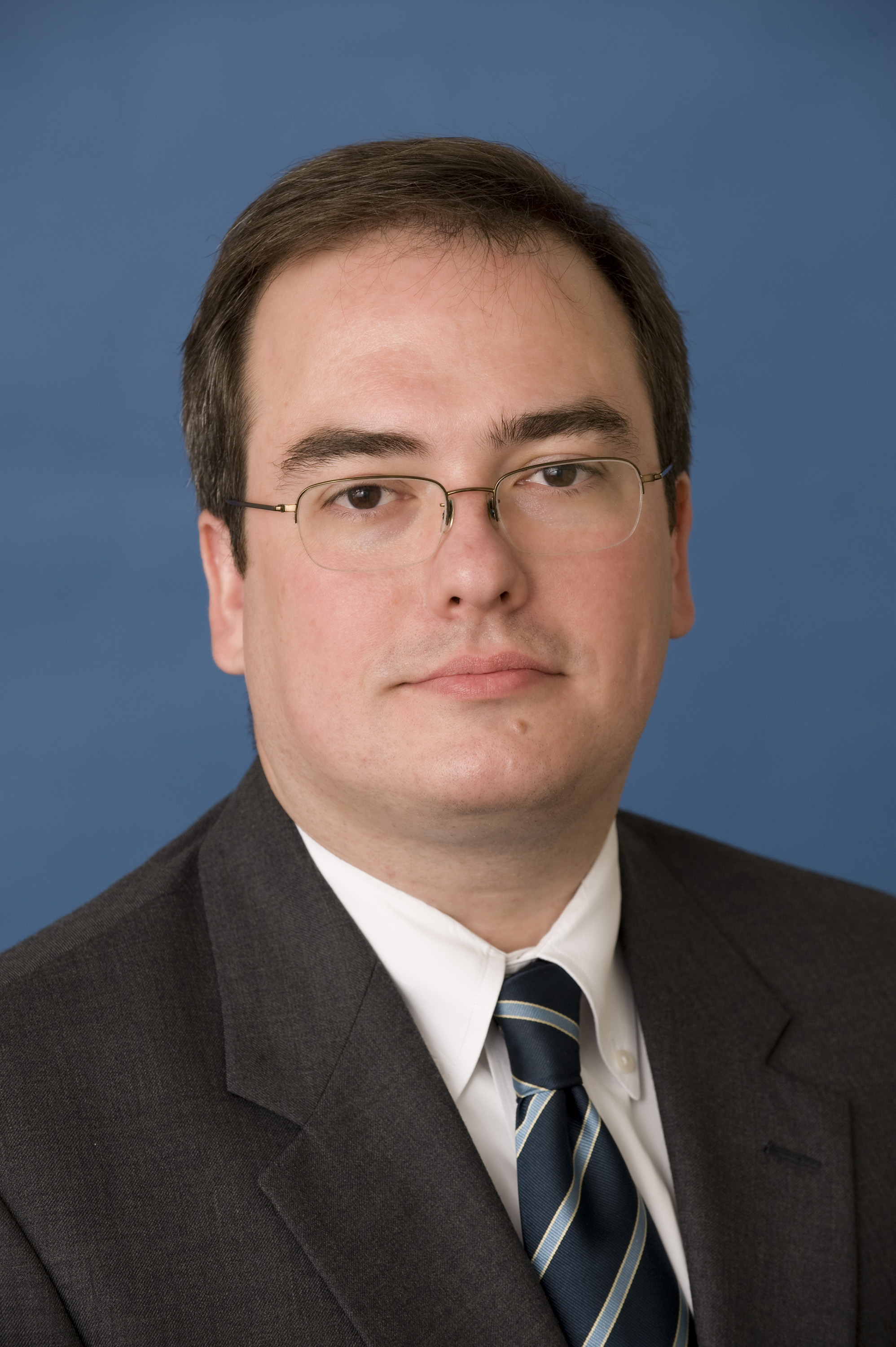
Boucek was an associate in the Carnegie Middle East Program where his research focused on security challenges in the Arabian Peninsula and Northern Africa.