

{
  "authors": [
    "William Maley",
    "Frederic Grare"
  ],
  "type": "event",
  "centerAffiliationAll": "dc",
  "centers": [
    "Carnegie Endowment for International Peace"
  ],
  "collections": [],
  "englishNewsletterAll": "ctw",
  "nonEnglishNewsletterAll": "",
  "primaryCenter": "Carnegie Endowment for International Peace",
  "programAffiliation": "SAP",
  "programs": [
    "South Asia"
  ],
  "projects": [],
  "regions": [
    "South Asia",
    "Afghanistan"
  ],
  "topics": [
    "Political Reform",
    "Security",
    "Foreign Policy"
  ]
}
Prospects for the Coalition Government in Afghanistan
Thu, November 13th, 2014
Washington, DC
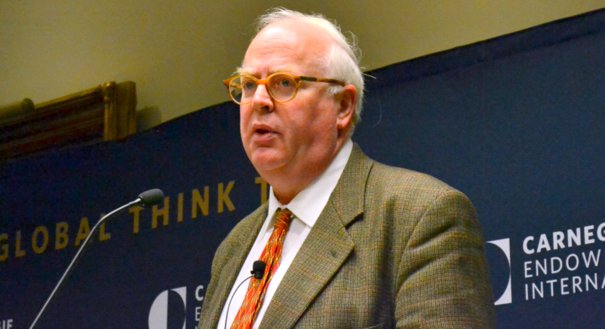
While Afghanistan may be emerging from the period of great uncertainty that followed the fraud-ridden presidential run-off of June 2014, it is far from out of the woods. William Maley identified some of the key problems that Afghanistan needs to overcome in order to achieve even a modicum of stability under the new coalition government of President Ashraf Ghani Ahmadzai and CEO Abdullah Abdullah. Carnegie’s Frederic Grare moderated.
William Maley
William Maley is the foundation director of the Asia-Pacific College of Diplomacy in Canberra. He is a barrister of the High Court of Australia and vice president of the Refugee Council of Australia.His latest publications include The Afghanistan Wars (2009) and Fundamentalism Reborn: Afghanistan under the Taliban (1998). His next book, Reconstructing Afghanistan: Civil-Military Experiences in Comparative Perspectives, will be released in December 2014.
Frederic Grare
Frederic Grare is senior associate and director of Carnegie’s South Asia Program. He works on India’s Look East policy, on Afghanistan and Pakistan’s regional policies, and on the tension between stability and democratization, including civil-military relations, in Pakistan.
Carnegie India does not take institutional positions on public policy issues; the views represented herein are those of the author(s) and do not necessarily reflect the views of Carnegie, its staff, or its trustees.
Event Speakers
William Maley
Former Nonresident Senior Fellow, South Asia Program
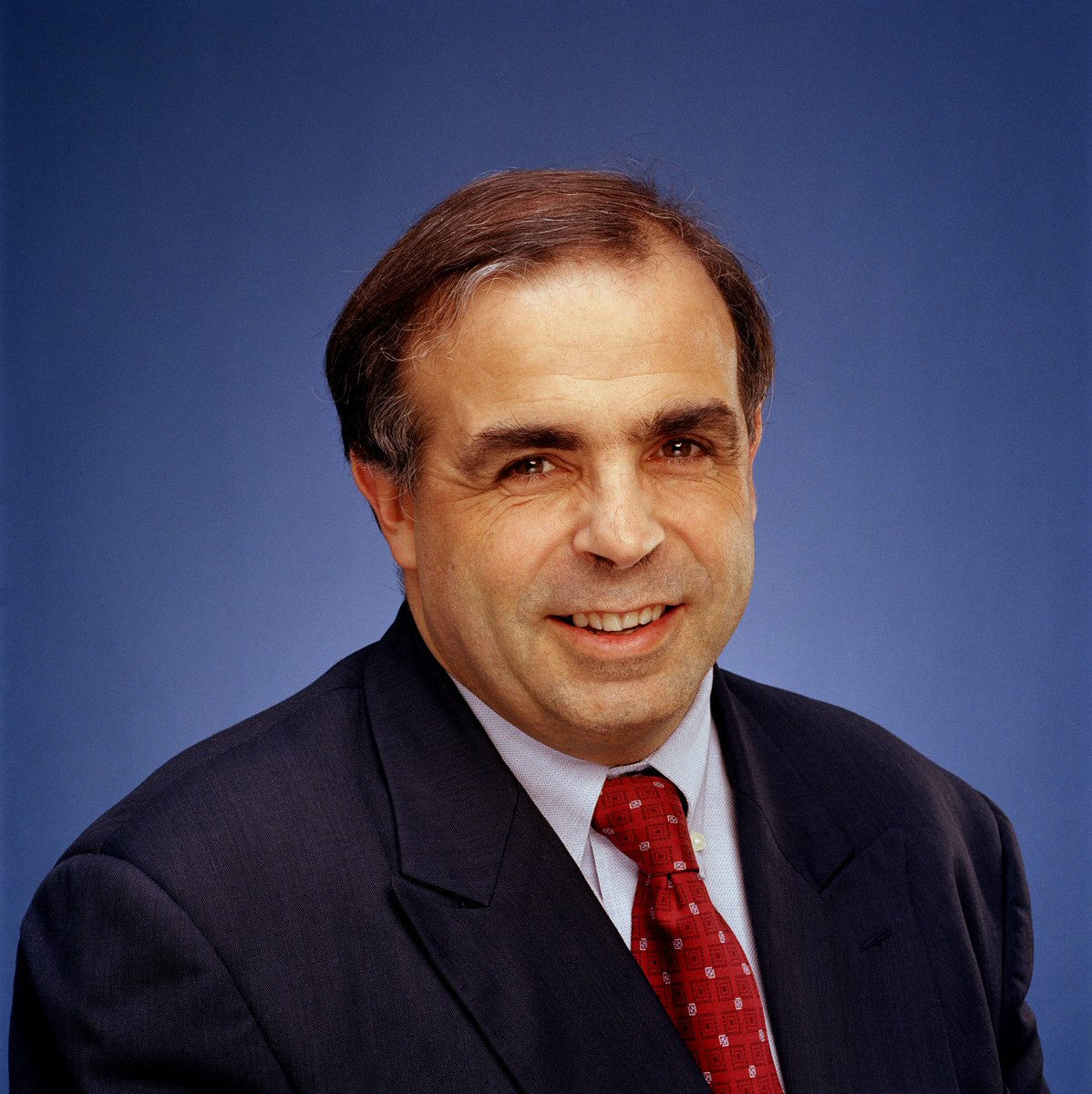
Frédéric Grare was a nonresident senior fellow at the Carnegie Endowment for International Peace, where his research focuses on Indo-Pacific dynamics, the search for a security architecture, and South Asia Security issues.