• Research
  • About
  • Experts
Carnegie India logoCarnegie lettermark logo
AI
Podcast Episode
Carnegie India

Ajay Shah on Union Budget 2024: Fiscal Policy and Economic Challenges

In this episode of Interpreting India, Suyash Rai is joined by Ajay Shah, economist and co-founder of the XKDR Forum, to explore the complexities of India's fiscal policy and the current economic challenges.

Link Copied
By Suyash Rai and Ajay Shah
Published on Aug 1, 2024

Subscribe on

SpotifyApple PodcastsAmazon MusicYoutube
Project hero Image

Project

Political Economy

This program studies contemporary developments in India’s political economy, with a view towards understanding and informing India’s developmental choices. Scholars in the program analyze economic and regulatory policies, design and working of public institutions, interfaces between politics and the economy, and performance of key sectors of the economy such as finance and land.

Learn More

EPISODE SUMMARY

In this episode of Interpreting India, Suyash Rai is joined by Ajay Shah, economist and co-founder of the XKDR Forum, to explore the complexities of India's fiscal policy and the current economic challenges. Shah brings his extensive experience and insights from his roles as an advisor to the Ministry of Finance and as a professor at the National Institute of Public Finance and Policy.

What are the implications of the union budget for 2024–25? What are the strategic choices underlying fiscal deficit management? How can broader institutional and policy reforms drive sustainable growth in India?

EPISODE NOTES

The episode provides an in-depth analysis of the structural challenges that led to the slowdown in private investment in India from 2011, highlighting the impact of policy uncertainty, weak rule of law, and central planning on business confidence. Ajay Shah advocates for broader policy reforms that enhance the institutional environment, making it more conducive to private sector participation in the economy.

He also discusses the strategic importance of fiscal discipline in the context of India's economic challenges. He emphasizes the need for a prudent approach to deficit management, arguing that a flexible fiscal policy, which adapts to economic cycles, is more suitable for India than rigid deficit targets. The discussion also explores the role of infrastructure investments, questioning whether the current government-led infrastructure push effectively addresses the deeper issues of private sector investment and economic growth.

Additionally, Shah touches upon the ongoing debate around tax policy, particularly the potential overhaul of India's direct tax code and the implications of capital gains taxation. He underscores the importance of aligning tax policy with the broader goal of promoting capital formation and economic growth in India.

How can India balance fiscal discipline with the need for economic growth? What are the underlying reasons for the private sector's reluctance to invest in India? How can tax policy reforms contribute to India's economic objectives?

Hosted by

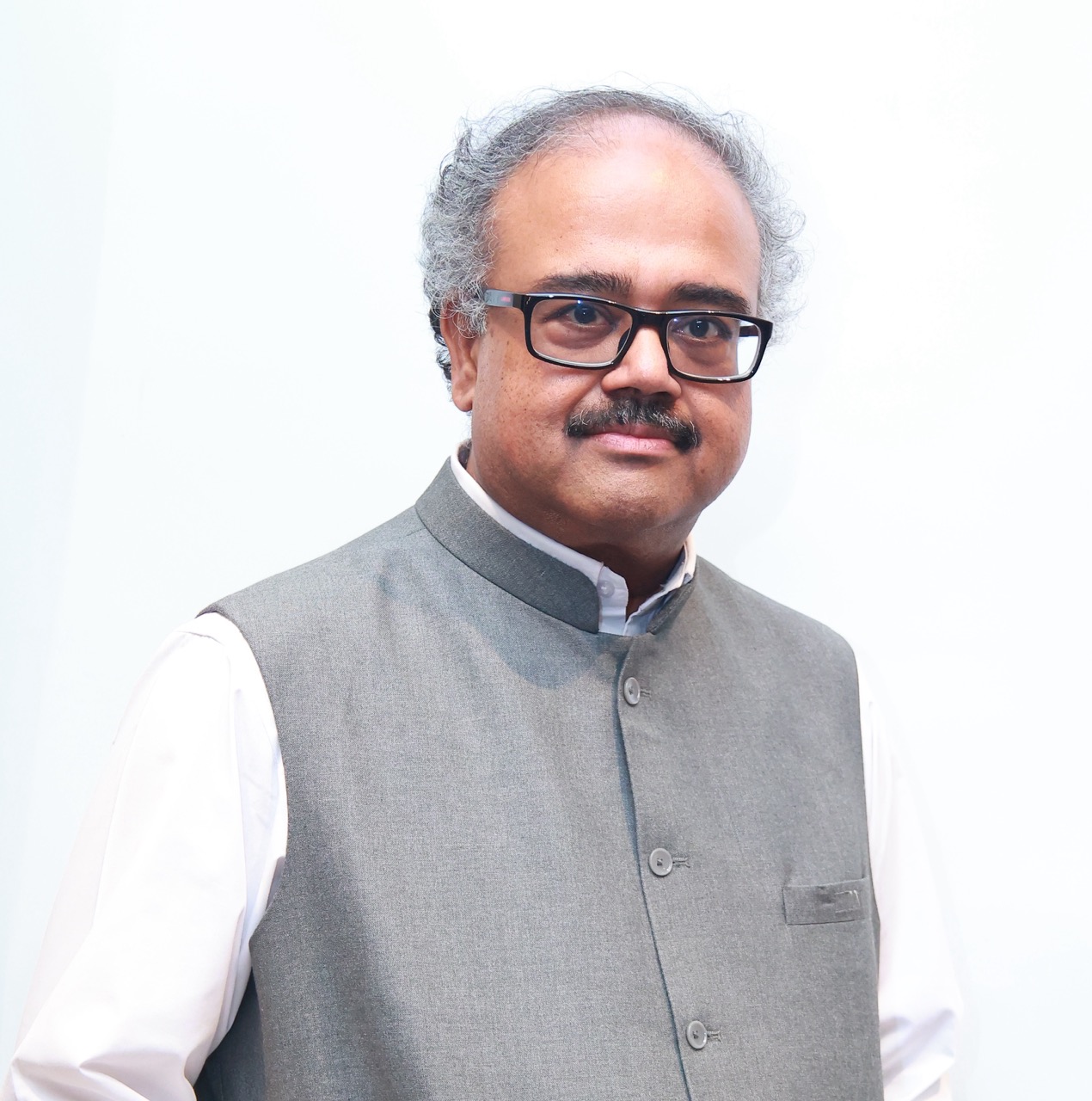
Suyash Rai
Former Fellow, Carnegie India
Suyash Rai

Featuring

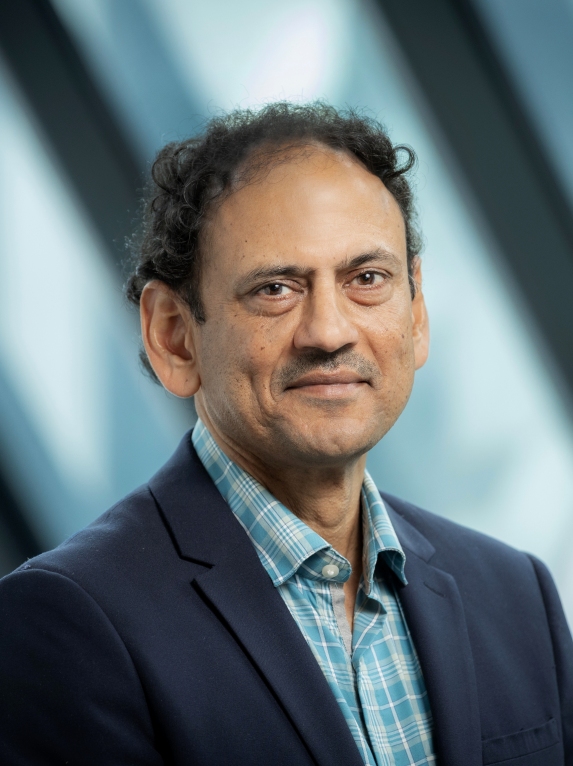
Ajay Shah

Carnegie India does not take institutional positions on public policy issues; the views represented herein are those of the author(s) and do not necessarily reflect the views of Carnegie, its staff, or its trustees.

More Work from Interpreting India

  • Podcast Episode
    Subsea Cables, AI Infrastructure, and Africa's Connectivity Gap

    In this episode of Interpreting India, Charukeshi Bhatt speaks with Jane Munga, fellow with the Africa Program at the Carnegie Endowment for International Peace, on the subsea cable landscape in Africa. With the continent now home to around 77 submarine cables and one of the fastest growing AI infrastructure markets in the world, the conversation moves beyond the headline investment numbers to ask harder questions: who benefits, who governs, and what does resilience actually look like when the cables go down?

      Charukeshi Bhatt, Jane Munga

  • Podcast Episode
    India, Australia, and the Critical Minerals Opportunity

    In this episode of Interpreting India, Shruti Mittal, research analyst at Carnegie India, speaks with Professor Mohan Yellishetty of Monash University on the India-Australia critical minerals partnership, what it has delivered so far, and where the two countries can build the most meaningful cooperation over the next decade.

      Shruti Mittal, Mohan Yellishetty

  • Podcast Episode
    Chokepoints, Economic Warfare, and India's Strategic Options

    In this episode of Interpreting India, Konark Bhandari, speaks with Edward Fishman, author of Chokepoints: American Power in the Age of Economic Warfare, on economic statecraft, how the U.S. built its playbook for economic warfare over time, and what the lessons are for India as it looks to build its own economic resilience. 

      Konark Bhandari, Edward Fishman

  • Podcast Episode
    India's AI Ambitions and the Road to Viksit Bharat | AI Summit Special

    In this episode of Interpreting India, Nidhi Singh, speaks with Debjani Ghosh, distinguished fellow at NITI Aayog and chief architect of the NITI Frontier Tech Hub. With nearly three decades across Intel, NASSCOM, and now NITI Aayog, Debjani brings a perspective that is both deeply practical and genuinely optimistic. She co-chaired the working group on AI for Economic Growth and Social Good at the India AI Impact Summit, and in this conversation she reflects on what the summit delivered, what India's AI journey needs to get right, and why the human being has to stay at the center of all of it.

      Nidhi Singh, Debjani Ghosh

  • Podcast Episode
    Did India's AI Summit Get Safety Right? AI Summit Special

    In this episode of Interpreting India, Nidhi Singh, speaks with Professor Balaraman Ravindran, Head of the Department of Data Science and AI at IIT Madras, and Co-Chair of the Safe and Trusted AI Working Group at the India AI Impact Summit. Since the summit, Professor Ravindran has also been appointed to the UN's Independent International Scientific Panel on AI. There is a narrative that has taken hold since the summit, that India moved away from safety and left frontier risks behind. This conversation sets the record straight.

      Nidhi Singh, Balaraman Ravindran

Get more news and analysis from
Carnegie India
Carnegie India logo, white
Unit C-4, 5, 6, EdenparkShaheed Jeet Singh MargNew Delhi – 110016, IndiaPhone: 011-40078687
  • Research
  • About
  • Experts
  • Projects
  • Events
  • Contact
  • Careers
  • Privacy
  • For Media
Get more news and analysis from
Carnegie India
© 2026 Carnegie Endowment for International Peace. All rights reserved.