• Research
  • About
  • Experts
Carnegie India logoCarnegie lettermark logo
AI
Podcast Episode
Carnegie India

Export Controls, Sanctions, and Trusted Partnerships

In this episode of Interpreting India, Konark Bhandari, fellow at Carnegie India, speaks with Agathe Demarais, senior policy fellow at the European Council on Foreign Relations, on trusted partnerships in technology, how export controls and sanctions shape what firms do, and what the data says about Europe's leverage and its ties with India.

Link Copied
By Konark Bhandari and Agathe Demarais
Published on Nov 24, 2026

Subscribe on

SpotifyApple PodcastsAmazon MusicYoutube
Project hero Image

Project

Technology and Society

This program focuses on five sets of imperatives: data, strategic technologies, emerging technologies, digital public infrastructure, and strategic partnerships.

Learn More

This episode is part of our curtain raiser series ahead of the tenth edition of the Global Technology Summit, Carnegie India's flagship annual event, co-hosted with the Ministry of External Affairs, Government of India, to be held in New Delhi from December 2 to 4, 2026.

In this episode of Interpreting India, Konark Bhandari, fellow at Carnegie India, speaks with Agathe Demarais, senior policy fellow at the European Council on Foreign Relations, on trusted partnerships in technology, how export controls and sanctions shape what firms do, and what the data says about Europe's leverage and its ties with India.

This episode explores:

  • What is driving the rise of new bilateral and plurilateral technology partnerships?
  • How are firms coping with unpredictable export controls and sanctions?
  • When are export controls worth the cost, and when are they not?
  • Where does Europe stand in the tech race, and what can the EU-India trade deal deliver?

Episode Note

Agathe points to three drivers behind the new technology partnerships: the tech and AI race, the fragmentation of the global economy between a U.S.-led and a China-led bloc, and the difficulties of multilateralism. Middle powers like India are the swing states in that picture, which is why bigger powers want deals with them. On unpredictability, she says export controls on a U.S. frontier AI model showed that closed models come with an off switch, while Chinese models are open weight. Rare earths are a different case, because adaptation is possible, and Norway is now the top provider of rare earth compounds to the EU. Firms hedge and build redundancy, and in tech, reliability could become as important as capability. Export controls inflict short-term pain but fuel the target's push for self-sufficiency, which is why she says coalitions matter.

Drawing on ECFR's new report, which tests eight widely held ideas about the global economy against data, Agathe says Europe is not losing the tech race so much as not fully running it. The Eurozone imports roughly three times the intellectual property it earns, and India pays out about eight times. Europe still holds leverage through coalitions and services. On secondary sanctions, she argues that uncertainty is the point and that firms, not governments, decide how to respond. The data shows little de-dollarization. For middle powers like India and Europe, she sees two strategies, building domestic resilience or picking a side, with the answer likely somewhere in between. She calls the EU-India trade deal excellent news, but says results will come gradually and the devil is in the details.

Readings

  • Interdependence, revised: A new dictionary for the world economy by Agathe Demarais and Chiara Malaponti, European Council on Foreign Relations

Hosted by

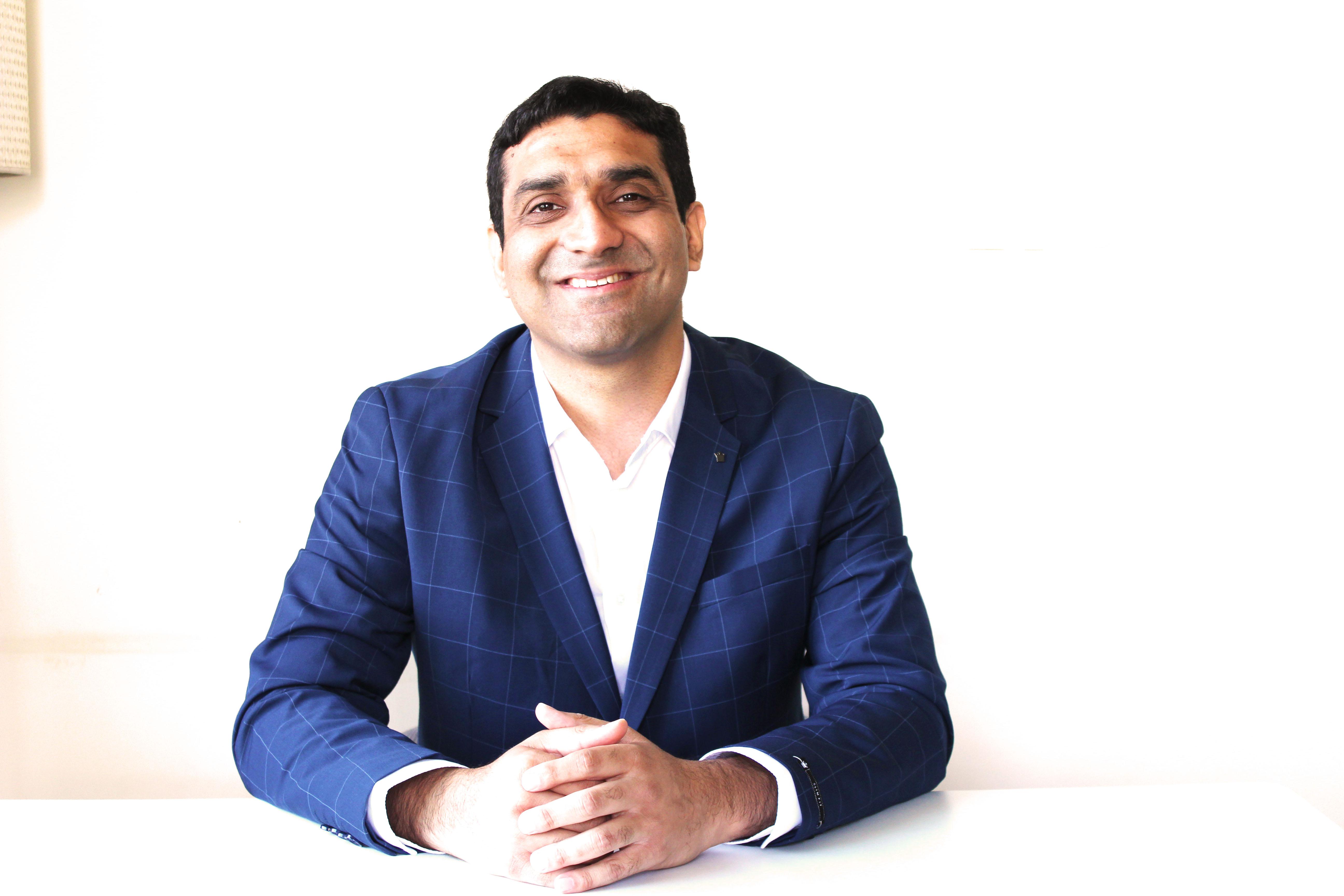
Konark Bhandari
Fellow, Technology and Society Program
Konark Bhandari

Featuring

Agathe Demarais
Senior Policy Fellow, European Council on Foreign Relations (ECFR)
Agathe Demarais

Carnegie India does not take institutional positions on public policy issues; the views represented herein are those of the author(s) and do not necessarily reflect the views of Carnegie, its staff, or its trustees.

More Work from Interpreting India

  • Podcast Episode
    Nuclear Weapons in Space

    In this episode of Interpreting India, Tejas Bharadwaj, speaks with Vipin Narang, Frank Stanton Professor of Nuclear Security and Political Science and director of the Center for Nuclear Security Policy at MIT, on the security implications of placing a nuclear weapon in orbit, why verification is so hard, and what space security means for India and the U.S.

      Tejas Bharadwaj, Vipin Narang

  • Podcast Episode
    India, China, and the U.S. in the Age of the Technology Race

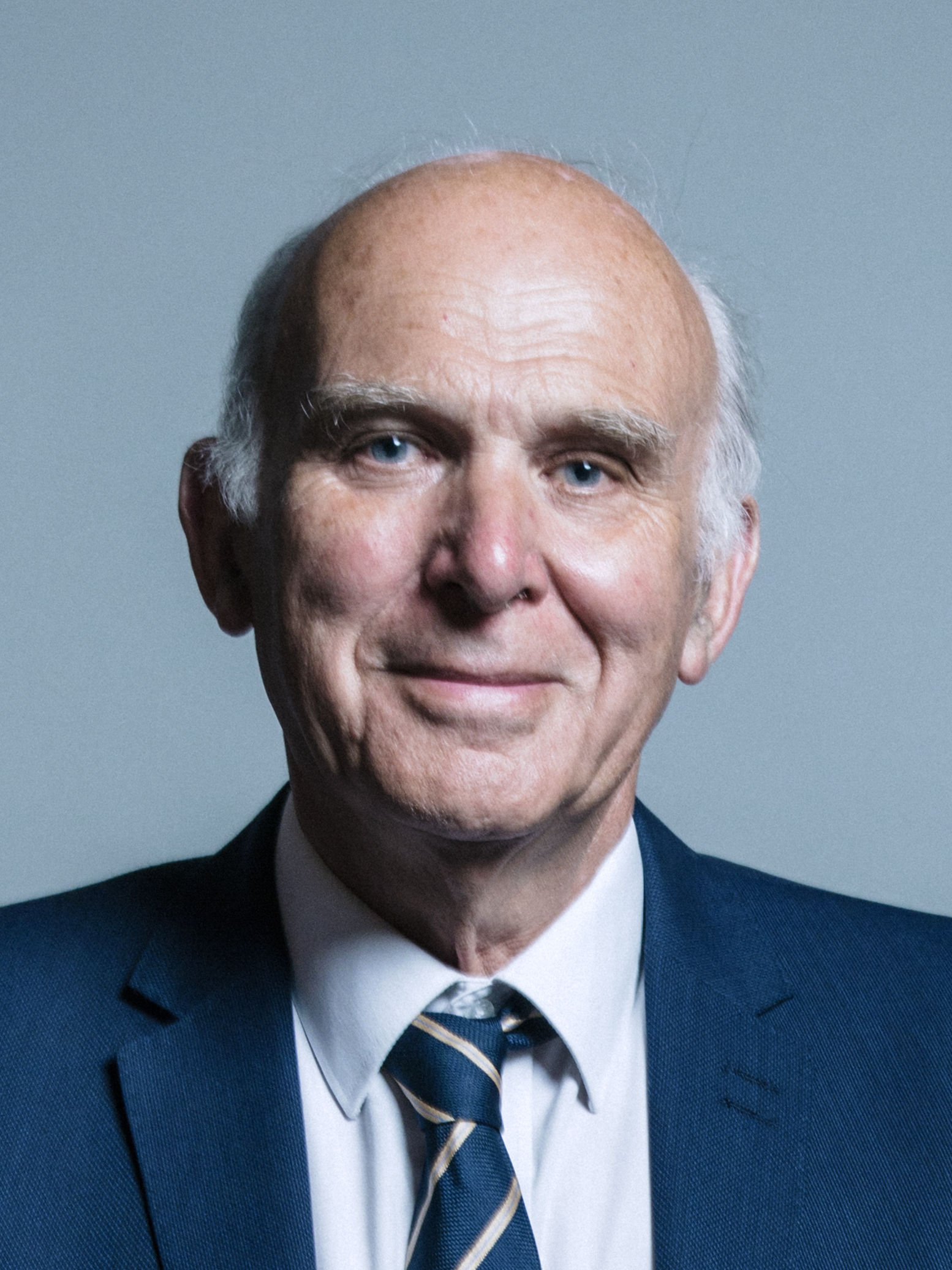
    In this episode of Interpreting India, Dinakar Peri speaks with Vince Cable, former member of Parliament and leader of the Liberal Democrats, and author of Eclipsing the West: China, India and the Forging of a New World, on where the global order is headed, what India’s rise means for the rest of the world, and what trusted partnerships look like in an era of technological competition.

      Dinakar Peri, Vince Cable

  • Podcast Episode
    Subsea Cables, AI Infrastructure, and Africa's Connectivity Gap

    In this episode of Interpreting India, Charukeshi Bhatt speaks with Jane Munga, fellow with the Africa Program at the Carnegie Endowment for International Peace, on the subsea cable landscape in Africa. With the continent now home to around 77 submarine cables and one of the fastest growing AI infrastructure markets in the world, the conversation moves beyond the headline investment numbers to ask harder questions: who benefits, who governs, and what does resilience actually look like when the cables go down?

      • Jane Munga

      Charukeshi Bhatt, Jane Munga

  • Podcast Episode
    India, Australia, and the Critical Minerals Opportunity

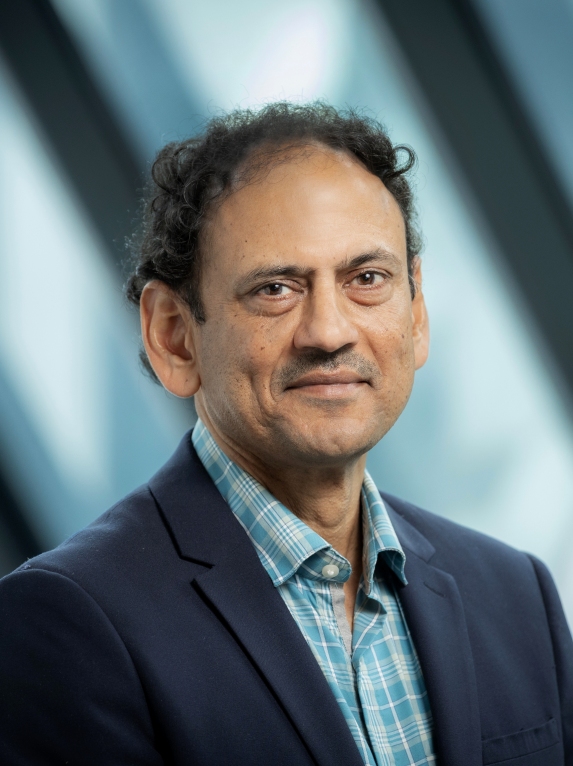
    In this episode of Interpreting India, Shruti Mittal, research analyst at Carnegie India, speaks with Professor Mohan Yellishetty of Monash University on the India-Australia critical minerals partnership, what it has delivered so far, and where the two countries can build the most meaningful cooperation over the next decade.

      Shruti Mittal, Mohan Yellishetty

  • Podcast Episode
    Chokepoints, Economic Warfare, and India's Strategic Options

    In this episode of Interpreting India, Konark Bhandari, speaks with Edward Fishman, author of Chokepoints: American Power in the Age of Economic Warfare, on economic statecraft, how the U.S. built its playbook for economic warfare over time, and what the lessons are for India as it looks to build its own economic resilience. 

      Konark Bhandari, Edward Fishman

Get more news and analysis from
Carnegie India Newsletter
Carnegie India logo, white
Unit C-4, 5, 6, EdenparkShaheed Jeet Singh MargNew Delhi – 110016, IndiaPhone: 011-40078687
  • Research
  • About
  • Experts
  • Projects
  • Events
  • Contact
  • Careers
  • Privacy
  • For Media
Get more news and analysis from
Carnegie India Newsletter
© 2026 Carnegie Endowment for International Peace. All rights reserved.