

Report
- +2
George Perkovich, Jessica Tuchman Mathews, Joseph Cirincione, …
{
  "authors": [
    "Jon Wolfsthal"
  ],
  "type": "legacyinthemedia",
  "centerAffiliationAll": "dc",
  "centers": [
    "Carnegie Endowment for International Peace"
  ],
  "collections": [
    "Korean Peninsula"
  ],
  "englishNewsletterAll": "ctw",
  "nonEnglishNewsletterAll": "",
  "primaryCenter": "Carnegie Endowment for International Peace",
  "programAffiliation": "NPP",
  "programs": [
    "Nuclear Policy"
  ],
  "projects": [],
  "regions": [
    "South Korea"
  ],
  "topics": [
    "Military",
    "Nuclear Policy",
    "Nuclear Energy"
  ]
}
REQUIRED IMAGE
The threatened test of North Korea’s long-range Taepo-Dong II missile has apparently been averted¾ for now. Talks between U.S. and North Korean officials have resulted in a loose pledge from the North not to take any actions that would disrupt improving relations as long as talks continue.
Source: Carnegie
This commentary originally appeared in The Christian Science Monitor on September 21, 1999
The threatened test of North Korea’s long-range Taepo-Dong II missile has apparently been averted¾ for now. Talks between U.S. and North Korean officials have resulted in a loose pledge from the North not to take any actions that would disrupt improving relations as long as talks continue. Washington officials interpret this statement to include a ban on missile tests and North Korea has not challenged this view.
Obviously, North Korean pledges cannot be taken at face value. The 37,000 U.S. troops in Korea and our allied military assets must remain prepared to counter any real threat from the North. Our intelligence assets must remain focused on North Korea’s missile facilities to ensure compliance with any deal. This initial agreement, however, is a welcome step towards a more stable East Asia. In order to prevent further regional flare-ups, the United States must now do what it failed to do in 1994¾ follow through on the opportunity to improve relations and establish broader diplomatic and economic contacts in exchange for an end to North Korea’s missile and nuclear weapon programs.
Staying Focused
The current situation is nearly identical to the one that followed the signing of a nuclear "Agreed Framework" between Pyongyang and Washington in 1994. At that time, North Korea agreed to "freeze" itsnuclear program in exchange for modern, proliferation-resistant nuclear reactors and closer relations with the United States, including the establishment of diplomatic and economic relations. The deal ended a headlong rush toward armed conflict and, despite allegations of cheating, North Korea’s nuclear program remains frozen.
For its part, the United States has formed an international coalition, including Japan and South Korea, to build new reactors in the North. But the Clinton Administration has been slow to meet its other obligations, such as providing the North with heating fuel, and establishing diplomatic and economic contacts, due mainly to congressional opposition. North Korea has reacted angrily to these delays and, now, has successfully used the threat of additional missile tests to re-capture Washington’s attention.
There has been a disturbing tendency in the Clinton Administration to focus mainly on issues in the headlines and then quickly lose interest as they are replaced by other news. Now, after failing to stay on target in 1994, Washington has a second chance to improve the security outlook in East Asia by seizing the opening provided by the latest set of talks. Former Secretary of Defense William Perry, serving as President Clinton’s special advisor on North Korea, has proposed a package deal of incentives and concessions to the North after visiting there this past winter. This proposal may have led to North Korea’s renewed willingness to negotiate.
Step by Step in Korea
The unpredictable North Korea has now established a fixed pattern of brinkmanship, followed by a willingness to negotiate an end to weapons programs in exchange for economic and diplomatic ties. In order to avoid further trips to the edge, the United States and its allies should seize the new opening and take the following steps:
As part of the U.S. Government team implementing the 1994 Agreed Framework, I saw how much North Korea values the possibility of normal ties with the United States. Joining the international community, and the promise of improved economic conditions, is a powerful lure, and can be effectively used to lead Pyongyang away from developing weapons of mass destruction. Reaching such a deal, however, will require the Clinton administration¾ and its successor¾ to stay on target and follow through on this month’s agreement.
Any deal with North Korea will quickly come under fire from congressional conservatives, who will accuse the Clinton administration of capitulation and succumbing to blackmail. While no one prefers a situation where improved relations come only thought bluff and bluster, failure to end the North Korea missile program, and the inevitable export of completed long-range systems, would unravel the security system in East Asia. A missile and arms race in the region would have far greater consequences for the United States and its allies than the risks posed by making a deal with Pyongyang¾ especially one that should have been made five years ago.
Jon B. Wolfsthal is an Associate with the Carnegie Non-Proliferation Project and a former Department of Energy special assistant. He served as a DOE on-site monitor in North Korea in 1995 and 1996.

Former Nonresident Scholar, Nuclear Policy Program
Jon Wolfsthal was a nonresident scholar with the Nuclear Policy Program.
Recent Work


George Perkovich, Jessica Tuchman Mathews, Joseph Cirincione, …
Jon Wolfsthal
Carnegie India does not take institutional positions on public policy issues; the views represented herein are those of the author(s) and do not necessarily reflect the views of Carnegie, its staff, or its trustees.

In any defense establishment, change is an ongoing process. However, despite the best of intentions, existing bureaucracies, bound by habit and years of socialization, have their limits in implementing transformative change.

Anit Mukherjee
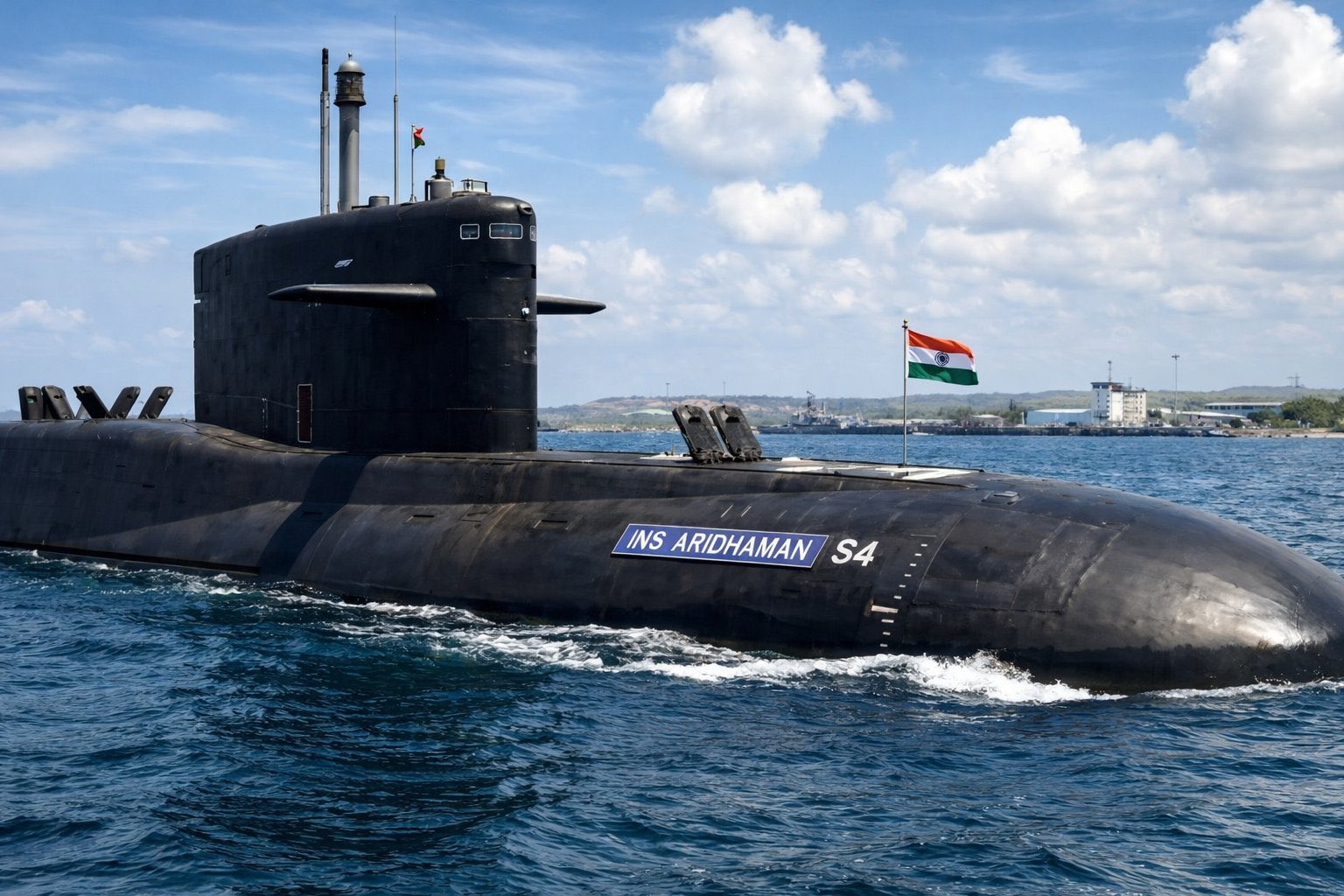
The induction of INS Aridhaman, which features several technological enhancements, now gives India the third nuclear ballistic missile submarine to ensure continuous at-sea deterrent.

Dinakar Peri

This compendium provides an independent look at how to get the most out of India’s current technology ecosystem, and the measures that may need to be adopted or re-considered in order to build a lasting and enduring framework for policy changes in the select areas under the current administration.



Konark Bhandari, Ajay Kumar, Amlan Mohanty, …
In August 2024, the U.S. Department of Defense (DoD) entered into a Security of Supply Arrangement (SOSA) with the Indian Ministry of Defence (MoD). This commentary attempts to highlight the issues that arise in the wake of the arrangement.
Konark Bhandari
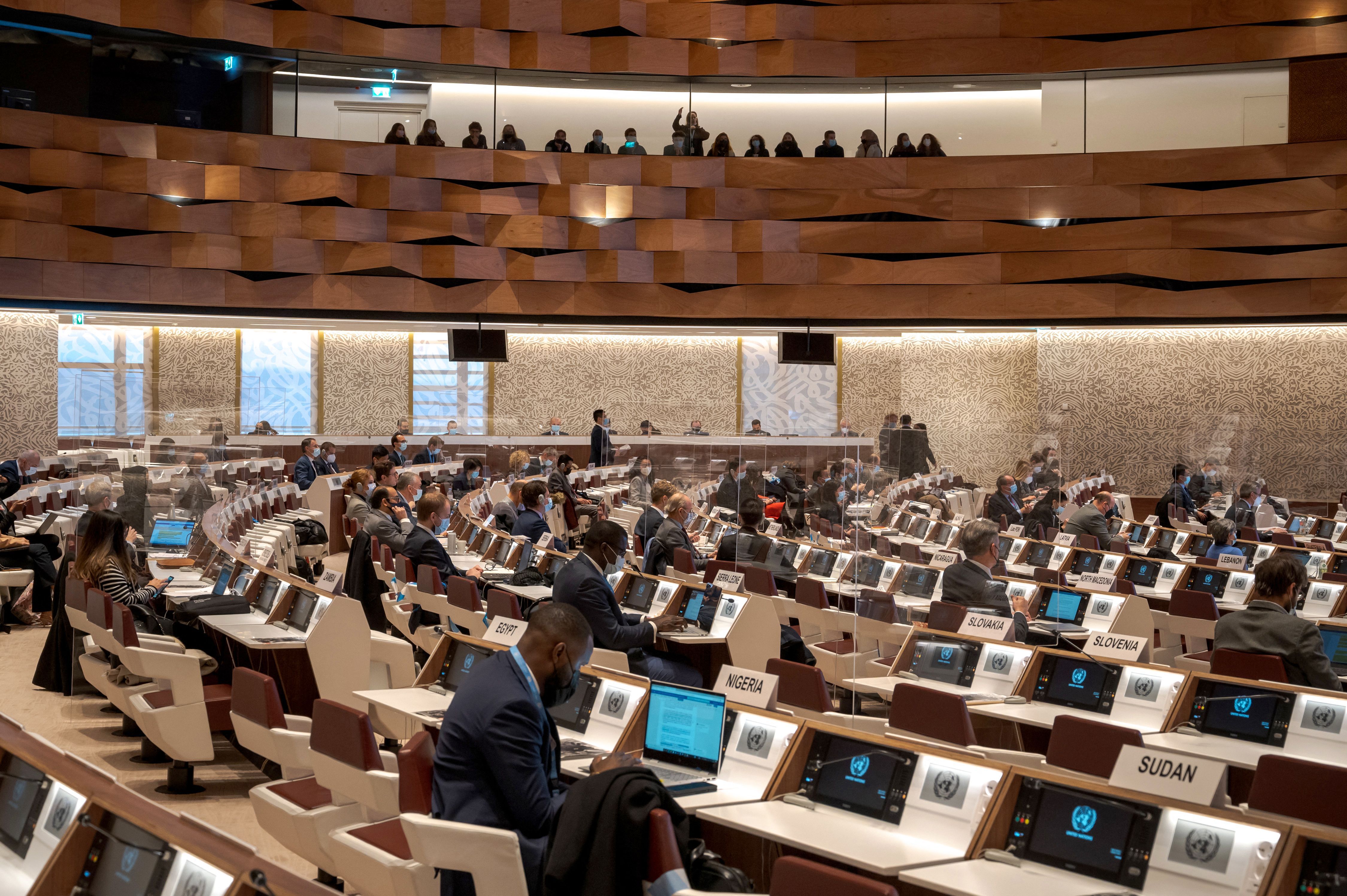
This article explores the global debate on lethal autonomous weapons systems (LAWS), highlighting the convergences, complexities, and differences within and beyond the UN Group of Governmental Experts (GGE) on LAWS. It further examines India’s key position at the GGE and the probable reasons behind them.


Charukeshi Bhatt, Tejas Bharadwaj