

Paper
Mr. Daniel Brumberg
{
  "authors": [
    "Daniel Brumberg"
  ],
  "type": "other",
  "centerAffiliationAll": "dc",
  "centers": [
    "Carnegie Endowment for International Peace"
  ],
  "collections": [],
  "englishNewsletterAll": "democracy",
  "nonEnglishNewsletterAll": "",
  "primaryCenter": "Carnegie Endowment for International Peace",
  "programAffiliation": "DCG",
  "programs": [
    "Democracy, Conflict, and Governance"
  ],
  "projects": [],
  "regions": [
    "Middle East",
    "Iran",
    "Afghanistan"
  ],
  "topics": [
    "Security",
    "Foreign Policy"
  ]
}
REQUIRED IMAGE
Source: Carnegie
After the September 11 attacks, relations between the United States and Iran looked more and more hopeful. The two countries' common goal of eliminating Afghanistan's Taliban seemed to be an opportunity to build on progress seen since the election of Iranian reformists. However, President Bush's inclusion of Iran in an "axis of evil" now calls into question the likelihood of a true rapprochement. Moreover, Iranian hard-liners' growing opposition to any reconciliation with Washington, ongoing development of nuclear technology, meddling in post-Taliban Afghanistan, and relentless support for Palestinian terrorists all are stumbling blocks to improved relations. Some security issues call for the threat of sticks, but the United States must also seek to engage Iran by offering it carrots-cooperation in Afghanistan and an end to economic sanctions, in return for a commitment by Iran's leaders to cease support for terrorism and back a two-state solution to the Palestinian-Israeli conflict.
Click on the link above for full text of this Policy Brief.
A limited number of print copies are also available.
Request a copy
About the Author
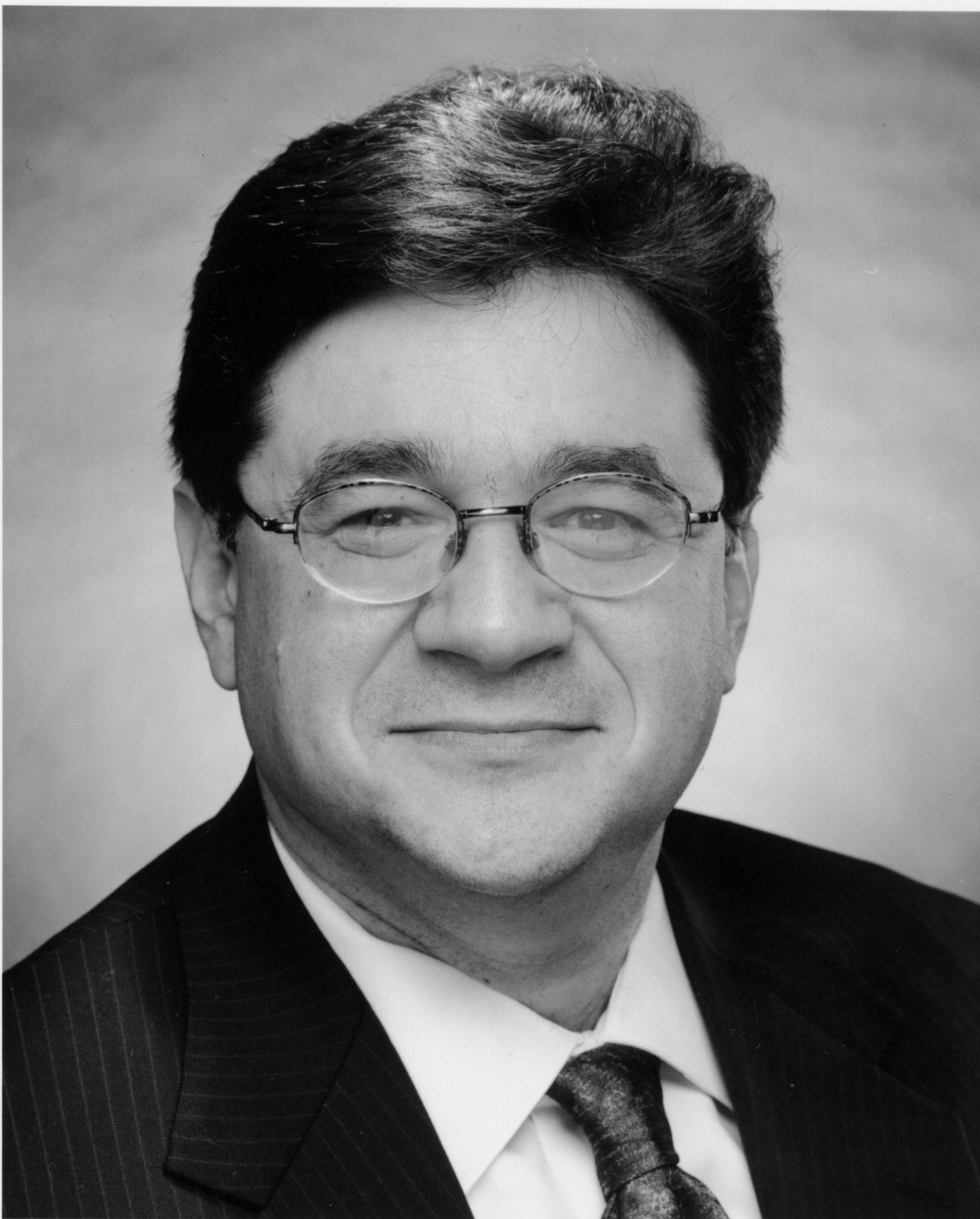
Daniel Brumberg is associate professor of government at Georgetown University and a visiting scholar with the Democracy and Rule of Law Project at the Carnegie Endowment. Mr. Brumberg is the author of many publications on political and social change in the Middle East, including Reinventing Khomeini: The Struggle for Reform in Iran (University of Chicago Press, 2001).
Former Senior Associate
Recent Work
Mr. Daniel Brumberg



Thomas Carothers, Marina Ottaway, Ms. Amy Hawthorne, …
Carnegie India does not take institutional positions on public policy issues; the views represented herein are those of the author(s) and do not necessarily reflect the views of Carnegie, its staff, or its trustees.

In any defense establishment, change is an ongoing process. However, despite the best of intentions, existing bureaucracies, bound by habit and years of socialization, have their limits in implementing transformative change.

Anit Mukherjee

After the chill in ties between 2020 and 2024 that brought India–China relations to their lowest point in several decades, the two countries have engaged each other afresh. This paper argues that there are predominantly four imperatives guiding India’s approach to China, and they exist in an order of priority.

Saheb Singh Chadha

This piece argues that India’s central challenge is not managing a single flashpoint but resolving the underlying tension between expansion and institutional coherency of the BRICS grouping.

Vrinda Sahai

A partnership between India, a country of subcontinental size, and Africa, a continent of fifty-four countries, may seem asymmetric until one notes that both are home to nearly the same number of people—1.4 billion. This essay spells out the existing challenges to the partnership, its optimal potential, and the possible pathways to realize it over the next quarter-century.

Rajiv Bhatia

The India–EU Free Trade Agreement (FTA) is shaping up to be one of the most consequential trade negotiations, both economically and strategically. But, what’s in the agreement, what’s missing, and what will determine its success in the years ahead
Vrinda Sahai, Nicolas Köhler-Suzuki