

Report
- +2
George Perkovich, Jessica Tuchman Mathews, Joseph Cirincione, …
{
  "authors": [
    "Joseph Cirincione"
  ],
  "type": "legacyinthemedia",
  "centerAffiliationAll": "dc",
  "centers": [
    "Carnegie Endowment for International Peace"
  ],
  "collections": [],
  "englishNewsletterAll": "ctw",
  "nonEnglishNewsletterAll": "",
  "primaryCenter": "Carnegie Endowment for International Peace",
  "programAffiliation": "NPP",
  "programs": [
    "Nuclear Policy"
  ],
  "projects": [],
  "regions": [
    "Iraq"
  ],
  "topics": [
    "Foreign Policy",
    "Nuclear Policy"
  ]
}
REQUIRED IMAGE
Source: Carnegie
By Joseph Cirincione, Director, Non-Proliferation Project
Originally appeared in USA Today, January 23, 2003
Saddam Hussein is in an iron box. With tens of thousands of troops around Iraq, an international coalition united in support of inspections and hundreds of inspectors in the country able to go anywhere at any time, Saddam is unable to do any large-scale development or production of chemical, biological or nuclear weapons, or build long-range missiles.
It may be tough to find all hidden weapons, but right now, even at the very beginning, we have achieved a key objective: making sure that, as chief weapons inspector Hans Blix put it, "no proscribed programs or activities are regenerated at any site in Iraq."
Iraqi officials are not obstructing the inspections. There is nothing like the harassment and intimidation that inspectors endured from 1991 to 1998. But Iraq has yet to cooperate fully by providing a complete accounting of its past activities. Are we moving the goal posts by seeming to accept partial cooperation as the real deal?
Not in the least. Iraq must persuade the United Nations that it has indeed destroyed all of the weapons it built. There is no excuse for not providing such an explanation.
Until Saddam does, there should be no question of removing sanctions or trusting Iraqi claims. But this is not sufficient reason to go to war. It is a simple calculation. We can gain more benefits at less cost by letting the inspection process continue through the year than we would from going to war now.
The inspectors only began arriving in Iraq on Nov. 18, 2002. They did not get their first helicopter until Jan. 5. They are still not up to full strength and are less than halfway through reinspecting the more than 700 suspect sites previously identified.
This is still a work in progress with very good prospects for success.
Keep the pressure on and the troops nearby. Keep the international unity strong and, yes, the goal post in sight. Seventy percent of Americans want to give the inspectors more time to get the job done. They are right. We cannot go to war because we didn't get all we wanted in the first 60 days. It took President Bush almost twice that long to get his first budget passed. Surely disarming Iraq will take just a bit longer.
Joseph Cirincione is a senior associate at the Carnegie Endowment for International
Peace and the author of a report released today —"Iraq: What Next?"
—available at www.ceip.org/iraq.

Former Senior Associate, Director for NonProliferation
Recent Work


George Perkovich, Jessica Tuchman Mathews, Joseph Cirincione, …
Joseph Cirincione
Carnegie India does not take institutional positions on public policy issues; the views represented herein are those of the author(s) and do not necessarily reflect the views of Carnegie, its staff, or its trustees.

This piece examines India’s response to U.S. sanctions and tariffs, specifically assessing the immediate market consequences, such as alterations in import costs, and the broader strategic implications for India’s energy security and foreign policy orientation.
Vrinda Sahai
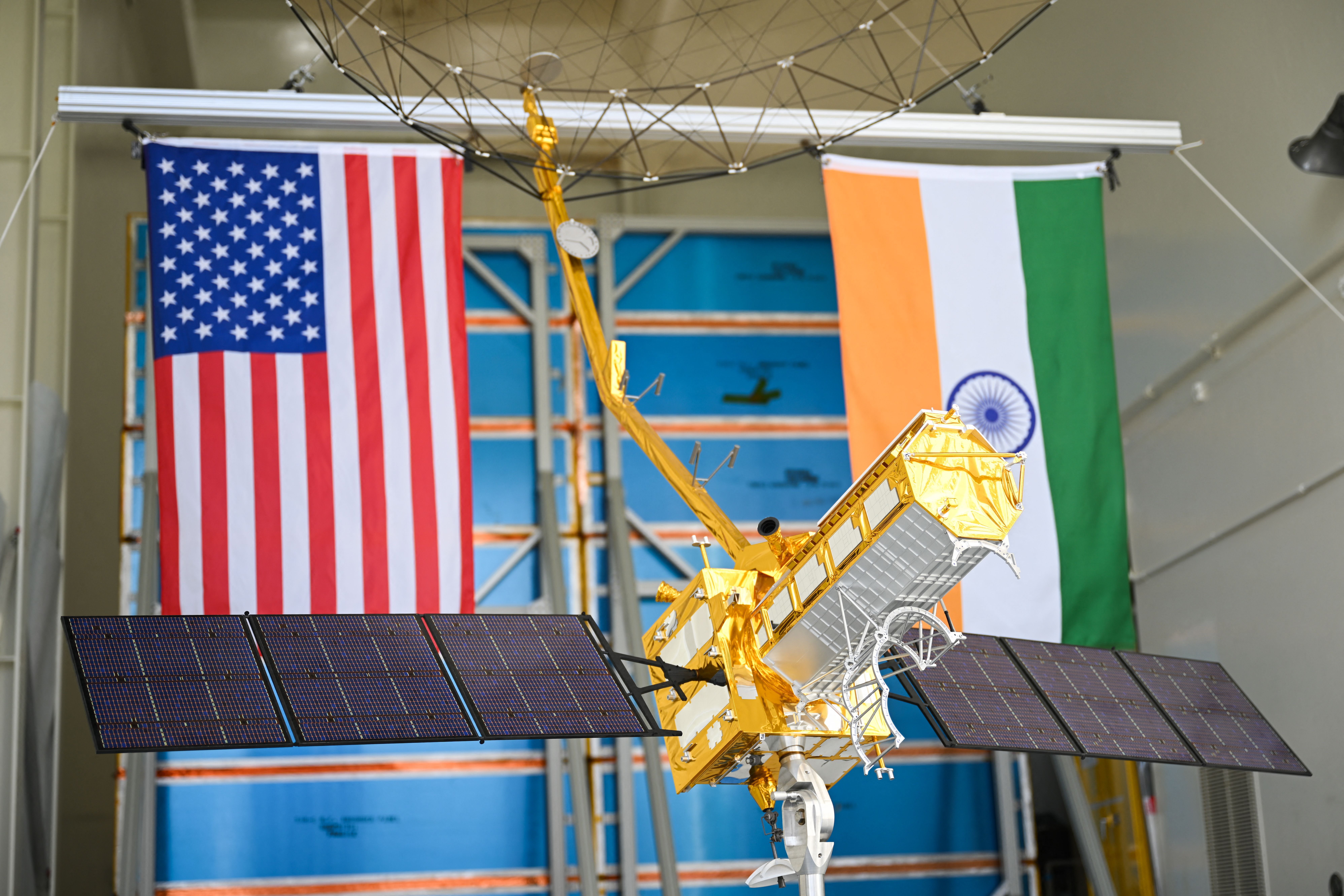
On July 30, 2025, the United States announced 25 percent tariffs on Indian goods. While diplomatic tensions simmered on the trade front, a cosmic calm prevailed at the Sriharikota launch range. Officials from NASA and ISRO were preparing to launch an engineering marvel into space—the NASA-ISRO Synthetic Aperture Radar (NISAR), marking a significant milestone in the India-U.S. bilateral partnership.

Tejas Bharadwaj
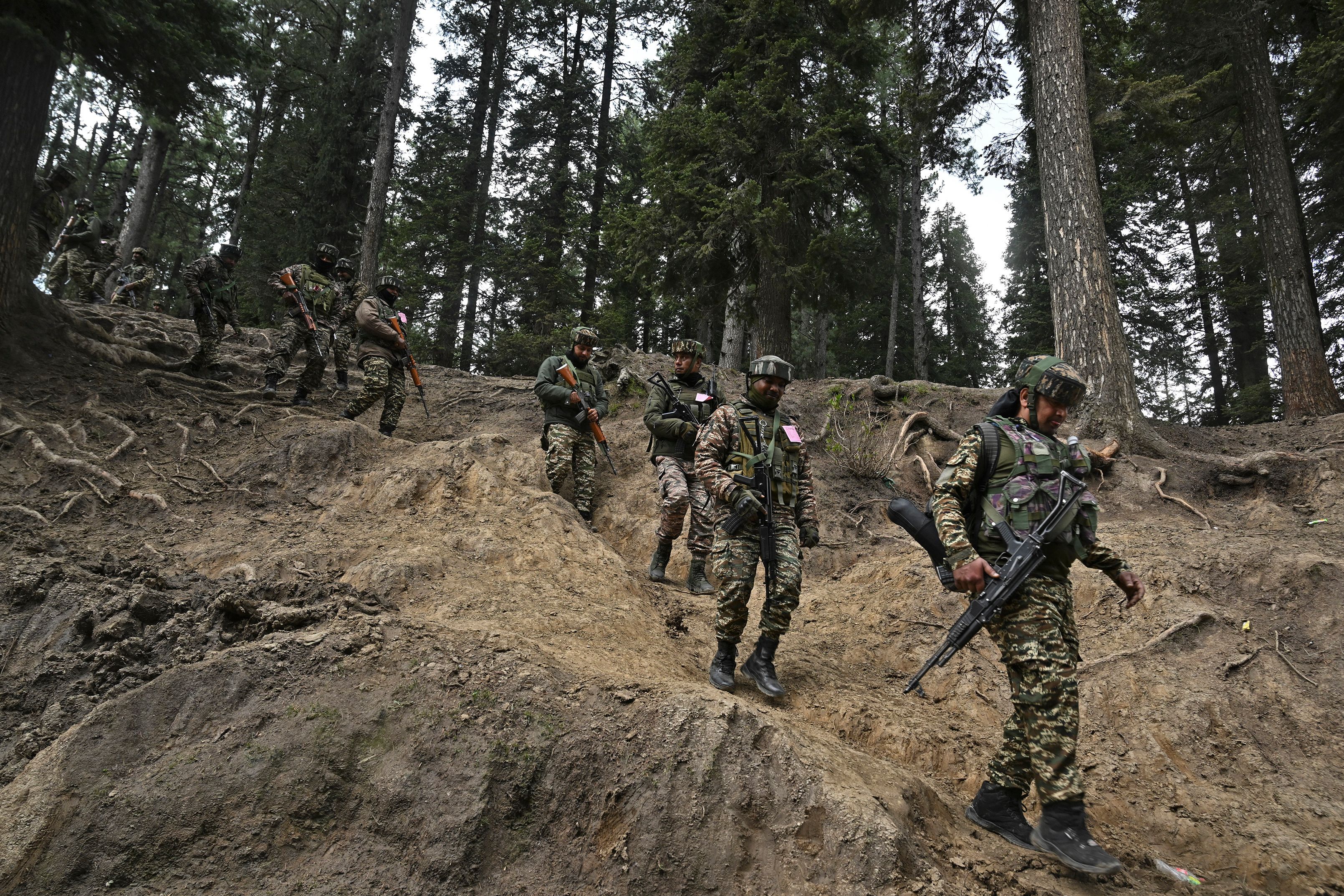
On May 7, 2025, between 1:05 and 1:30 a.m. (IST), airstrikes carried out by the Indian Air Force hit nine locations inside Pakistan and Pakistan occupied Kashmir (PoK). It was codenamed Operation Sindoor.

Rudra Chaudhuri

This compendium brings together three essays by scholars who participated in Carnegie India's Security Studies Dialogue in 2024, each examining a different aspect of China’s policies. Drawing on their expertise and research, the authors offer fresh perspectives on key geopolitical challenges.
Vijay Gokhale, Suyash Desai, Amit Kumar, …

As part of the TRUST initiative, leaders of the two countries committed to building trusted and resilient supply chains, including for semiconductors and critical minerals. India and the United States have made steady progress in this area over the years. This essay explores the takeaways from discussions on semiconductor supply chains that took place at Carnegie India’s 9th Global Technology Summit.

Konark Bhandari