

Other
Anders Aslund
{
  "authors": [
    "Anders Aslund"
  ],
  "type": "legacyinthemedia",
  "centerAffiliationAll": "dc",
  "centers": [
    "Carnegie Endowment for International Peace"
  ],
  "collections": [],
  "englishNewsletterAll": "ctw",
  "nonEnglishNewsletterAll": "",
  "primaryCenter": "Carnegie Endowment for International Peace",
  "programAffiliation": "russia",
  "programs": [
    "Russia and Eurasia"
  ],
  "projects": [],
  "regions": [
    "Caucasus",
    "Russia"
  ],
  "topics": [
    "Political Reform"
  ]
}
REQUIRED IMAGE
Source: Carnegie
Is Putin Self-Destructing?
Originally published in Project Syndicate, November 2003.
With the arrest of Russia's richest man, oil tycoon Mikhail Khodorkovsky, Russia has lurched into a deep political crisis. Unwittingly, President Vladimir Putin has opted for an all-or-nothing victory over the oil oligarch. At stake is nothing less than Russia's frail democracy.
The legal charges against Khodorkovsky concern old privatization and tax evasion cases. But the charges against Khodorkovsky are as flimsy as they are tendentious: the privatization case had been amicably settled previously, and Khodorkovsky has merely used tax avoidance schemes that are commonplace in Russia--and that have been upheld in court. Putin's real problem is that Khodorkovsky is too powerful and independent for the straitened politics he wants.
During his four years in power, Putin has advanced four major policies. The first three--free market reform, the rule of law, and a pragmatic foreign policy--have been widely acclaimed, while the fourth--"managed democracy"--has been tolerated because it has brought political stability. But "managed democracy" now threatens to unravel all three of his real achievements.
Khodorkovsky is the fourth major businessmen taken out of action by the authorities. Four independent TV channels have also been taken over by the state, and no criticism of Putin is permitted in significant media. The main polling organizations have also been brought under Kremlin control. Regional elections are regularly manipulated, often by disqualifying leading opposition candidates. The pattern is evident: a systematic authoritarian drive is underway.
Russia's oligarchs are undoubtedly unpopular, and Khodorovsky's arrest was evidently aimed at boosting Putin's prospects in the looming parliamentary and presidential elections. But although Russians dislike the powerful, and cherish underdogs and martyrs, a man in jail no longer looks strong. With Khodorkovsky's arrest, the authorities flaunted their extralegal and arbitrary powers in such a way that they have aroused widespread public worry.
Previously, Putin had enigmatically appealed to most Russians. By balancing between ex-KGB people and big businessmen, he seemed independent of both. Now he has antagonized all big businessmen; he even refuses to meet them. Suddenly, he has reduced himself to KGB President, jeopardizing the very political stability he sought to guarantee.
Putin has spoken continuously about the need for the rule of law, but in his TV statement on October 27, he effectively stated his preference for law enforcers. Indeed, in the Khodorkovsky affair, all procedural requirements have been blithely neglected. For example, although prosecutors control the relevant courts, they did not bother to secure the necessary court orders for the Yukos raids and arrests.
The obvious conclusion that even ordinary Russians are drawing is that neither property rights nor people are safe. Investments are likely to be stopped or delayed. Those who can export capital will do so. An emerging panic seems certain to dampen today's strong growth.
The fallout from Khodorkovsky's arrest is felt abroad as well. The world's business press has roundly condemned the authorities' behavior, especially the impounding of Yukos shares worth many times more than possible state claims, which smacks of expropriation. Foreign governments are voicing their fears.
In one stroke, Putin has jeopardized his considerable accomplishments. With his public bluntness, he has discarded his prior coyness and deprived himself of deniability. As the KGB culprits keep quiet, the President must do most of the talking, exposing himself further.
But why defend the arrest in a televised statement? Why refuse to meet Russia's business elite, while meeting with foreign investment bankers? Why seize Yukos shares and licenses? A couple of weeks before his arrest, Khodorkovsky told me: "I do not understand how they can win, given how many mistakes they make." His words seem prescient.
The situation in the Kremlin appears reminiscent of the spring of 1996, when a group of KGB men, led by President Boris Yeltsin's chief bodyguard, General Alexander Korzhakov, almost seized power. But the oligarchs mobilized behind Anatoly Chubais, who ousted Korzhakov and his circle by June. Once again, Russia's big businessmen have united behind Chubais. If Putin wants to save his own skin, he must act fast and sack his top KGB aides in the Kremlin and the Prosecutor General.
It is worth recalling that in 1999 former Prime Minister Yevgeny Primakov and Moscow Mayor Yuri Luzhkov were seen as a shoo-in ticket for the presidency. But, having curried favor with Russia's media, they were unaccustomed to criticism--and rendered helpless when it appeared.
The taboo against criticizing Putin is already powerless. The main liberal parties--the Union of Rightist Forces and Yabloko--are attacking him ferociously, while the faceless parties that supposedly support him are silent and confused. They are presumed to be on the verge of winning an overwhelming majority in the parliamentary elections due on December 7, yet like Korzhakov and his clique, they could be routed.
Indeed, by alienating big business and letting his wily chief of staff, Alexander Voloshin, resign, Putin has deprived himself of crucial electoral resources. His former chief political advisor has even accused him of using "Stalinist measures." If Putin falls short of the high expectations in the upcoming parliamentary election, his fortunes in the March 14, 2004, presidential vote may be jeopardy.
By arresting Khodorkovsky, Putin has revealed his authoritarian nature to the entire world. He has thrown a gauntlet in the face of Russia's civil society and business elite. They have little choice but to resist, and their strength should not be underestimated. The battle for Russian democracy is joined anew.
Anders Åslund is Director of the Russian and Eurasian Program at the Carnegie Endowment for International Peace. His latest book is Building Capitalism: The Transformation of the Former Soviet Bloc.
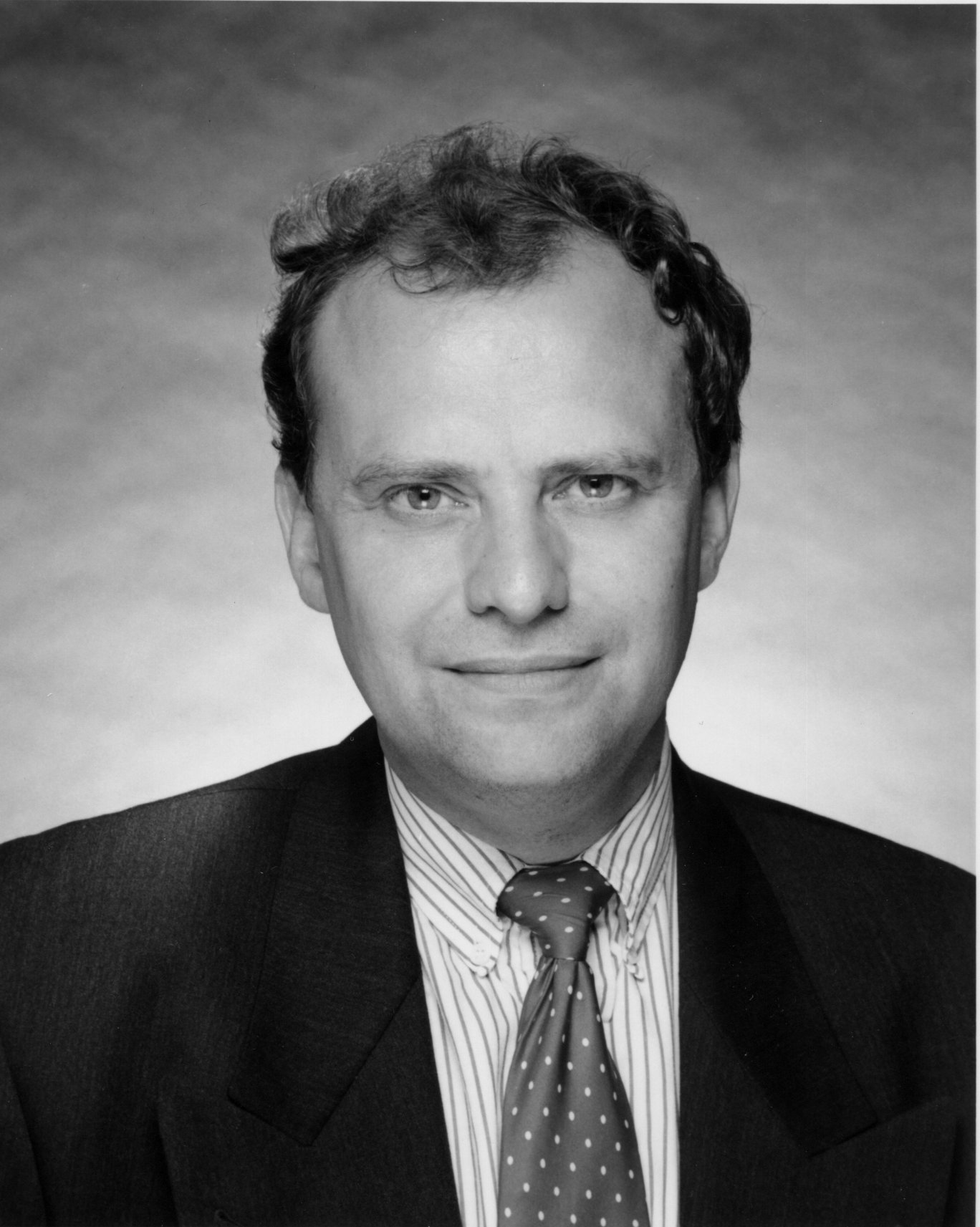
Former Senior Associate, Director, Russian and Eurasian Program
Recent Work
Anders Aslund
Anders Aslund
Carnegie India does not take institutional positions on public policy issues; the views represented herein are those of the author(s) and do not necessarily reflect the views of Carnegie, its staff, or its trustees.

This piece argues that India’s central challenge is not managing a single flashpoint but resolving the underlying tension between expansion and institutional coherency of the BRICS grouping.

Vrinda Sahai
As India’s economy recovers from the coronavirus pandemic, Indian businesses need efficient financial structures to regain their ground. Key reforms to India’s Insolvency and Bankruptcy Code could fill these gaps.

Anirudh Burman
Access to cross-border data is an integral piece of the law enforcement puzzle. India is well placed to lead the discussions on international data agreements subject to undertaking necessary surveillance reforms.
Smriti Parsheera, Prateek Jha
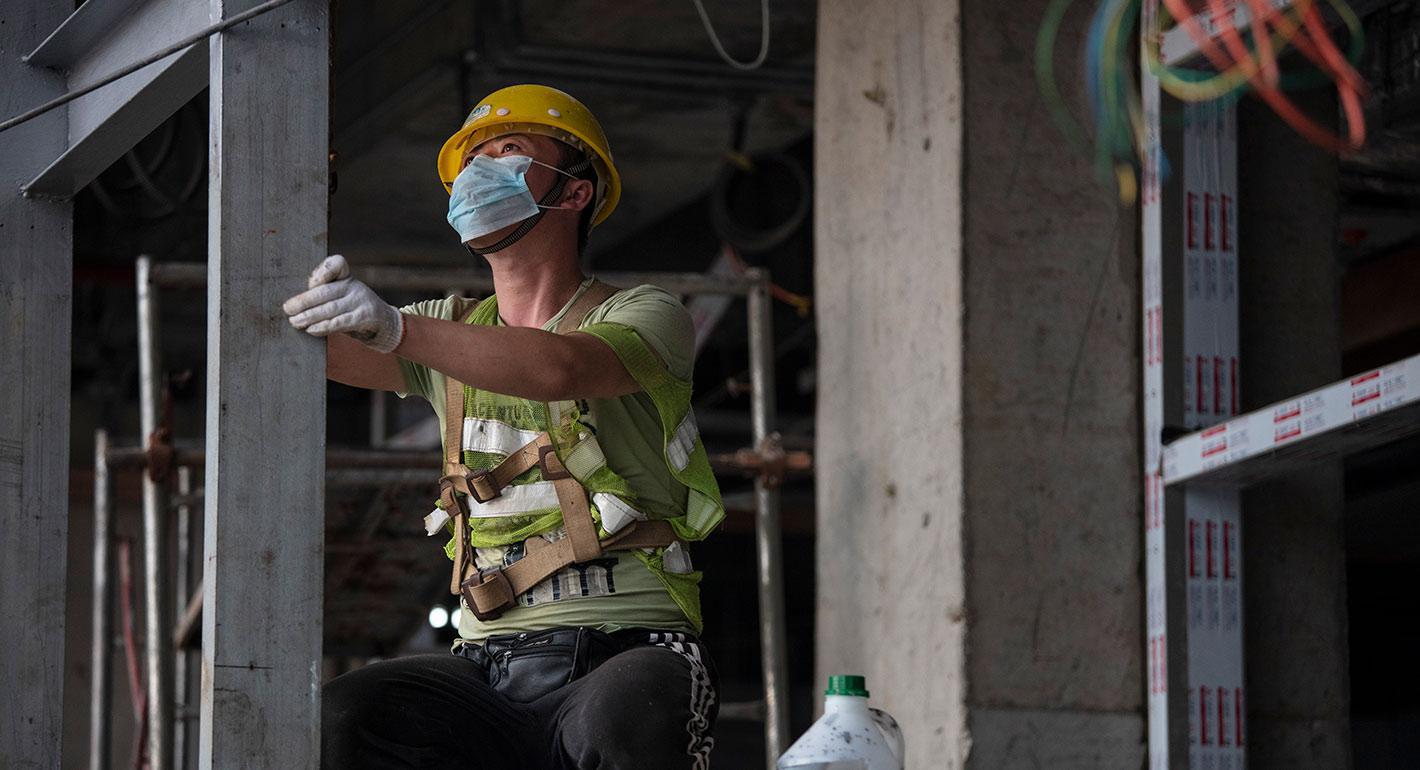
After the coronavirus pandemic wanes, how will China’s reorientation of the Belt and Road Initiative to address global health concerns influence its relationships with South Asian countries?


Deep Pal, Rahul Bhatia
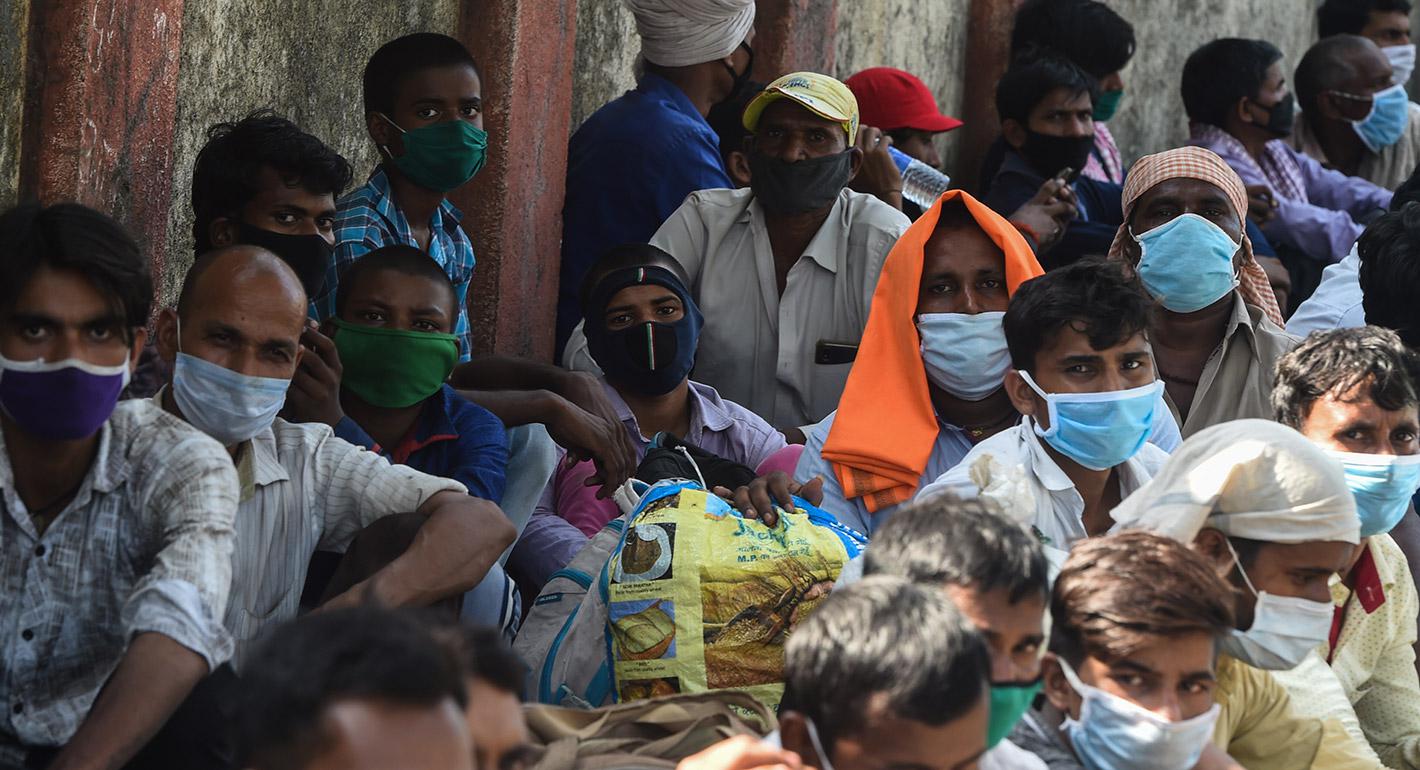
Early in the outbreak, government researchers forecast several high-risk scenarios that were downplayed or ignored in public messaging.
Gautam I. Menon