Source: Carnegie
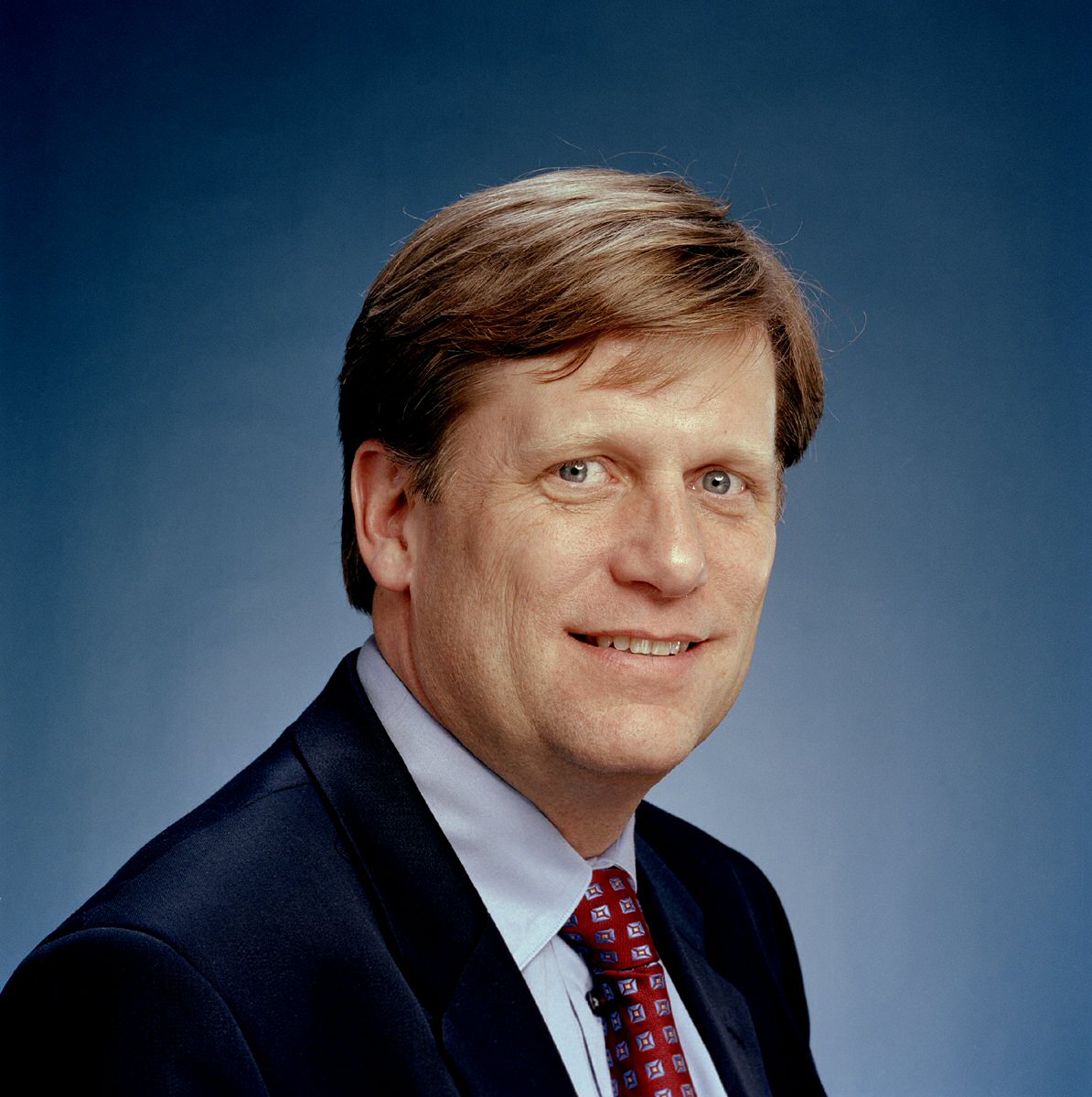
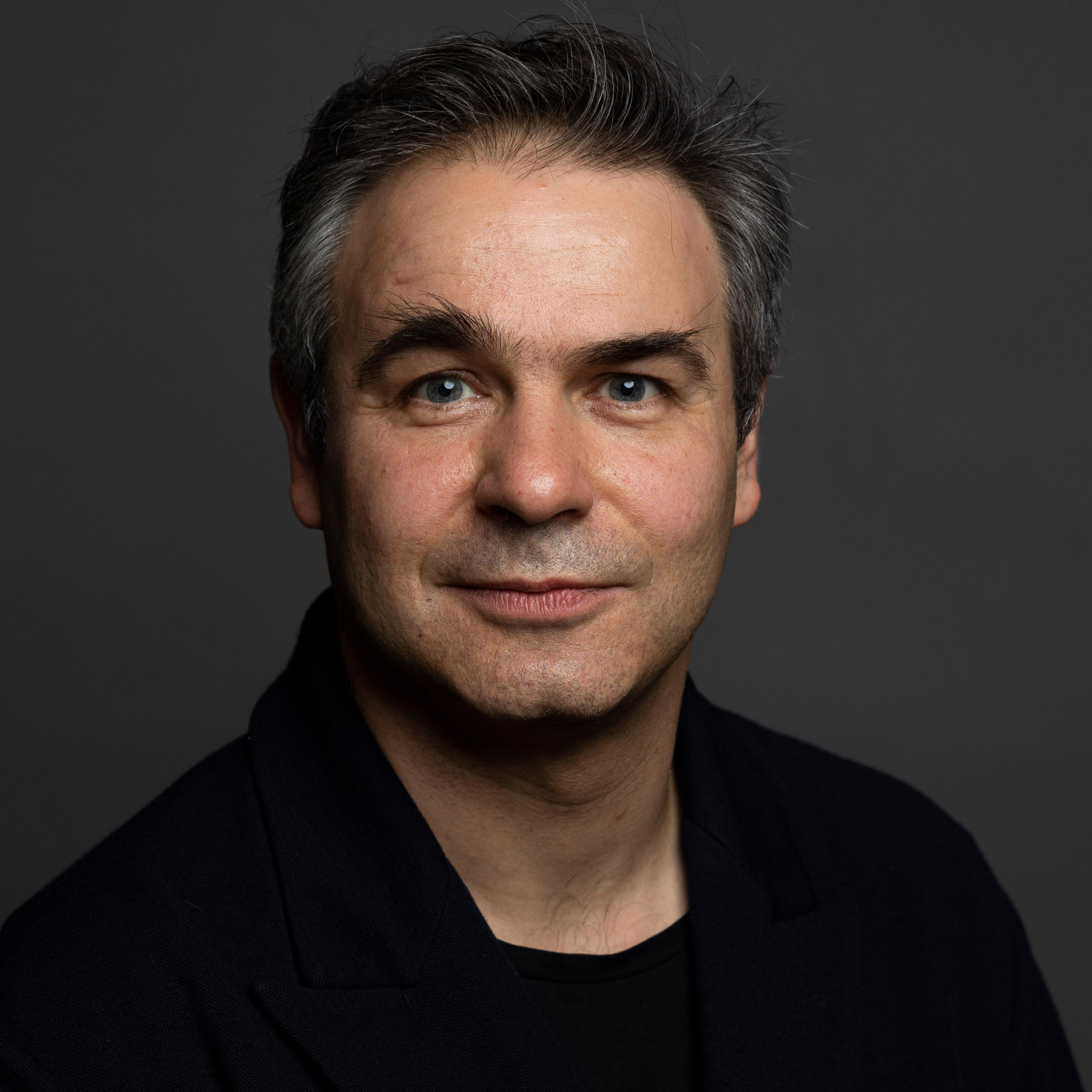
This article represents the views of a trans-Atlantic group sponsored by the German Marshall Fund of the United States. It was written by Urban Ahlin, chairman of the Swedish Parliament's foreign affairs committee; Ronald Asmus, of the German Marshall Fund of the United States; Steven Everts, of the Center for European Reform, London; Jana Hybaskova, former Czech ambassador to Kuwait; Mark Leonard, of the Foreign Policy Center, London; Michael McFaul, of the Hoover Institution, Stanford University; and Michael Mertes, of Dimap Consult, Germany.
American and European leaders have started to talk about the need to promote greater freedom, justice and democracy in the "Greater Middle East." While Americans see this as the crucial battleground in the war on terror, Europeans want their southern neighbors to be stable and well-governed, to stem the flows of illegal migration and organized crime. Both sides have accepted that working with local partners for peaceful democratic regime change today is the best way of avoiding violent revolution or military action tomorrow.
The enthusiasm for reform marks a paradigm shift in policy. In the past, other interests, like securing a steady flow of oil or obtaining cooperation against terrorism, have too often taken priority over political reform. But despite the flourishing rhetoric about promoting democracy, it is still not backed with concrete action plans. If we want a serious strategy, we must do three things: increase support for democrats in the region; create a better regional context for democratic development; and reorganize ourselves at home to pursue and sustain pro-democracy policies abroad.
First, we must recognize the fact that while the West must play a critical supporting role, change must come from within the region. Our task is to design policies to strengthen indigenous political forces pushing for democratic change.
In many countries democratic activists sit in jail because of their commitment to human rights, yet we do little to help them. We should provide them with consistent political and moral support. No senior American or European leader should visit the region without raising the issue of human rights and defending those brave individuals already fighting for democracy.
In practical terms, the West must drastically increase its direct support for local nongovernment organizations and democracy campaigners. The United States now spends nearly $400 billion on defense, but the National Endowment for Democracy has lived on a budget of only about $40 million, a fraction of which is spent in the Greater Middle East. Washington is now doubling that amount, but needs to raise the level of support tenfold, or even more, to make a real impact. The European Union should increase the funding for its democracy promotion program to at least E500 million a year.
This money should be administered at arm's length from government to ensure it is not constrained by diplomatic pressures. A new trans-Atlantic Forum for Democracy Promotion could be created to coordinate all activities in the region, including the bilateral programs pursued by European countries. This could be supplemented by an independent Trust for Democracy in the Middle East to which European countries and the U.S. government could contribute funds and expertise.
As well as working at a grass-roots level, the West should use policies on trade and aid to encourage governments to reform and to enlarge the space for legitimate political action. We need to reward countries that make progress on democracy and governance, and be ready to withdraw privileges from those that do not.
Second, the United States and its European allies need to help create the external security environment and regional context in which democratic change can occur more easily. As well as working to further peace between Israel and Palestine, we must help Turkey succeed in turning itself into a full-fledged democracy that qualifies for EU membership, renew pressure on the Iranian regime for democracy and arms control, and avoid a premature disengagement from the democratic transition under way in Iraq.
Working with moderate Arab states, we can try to create a new regional security regime for the Greater Middle East that is modeled on the Organization for Security and Cooperation in Europe. This would mean developing a range of incentives so that Arab countries see the benefits of signing up.
NATO, too, has a role to play. It can provide the peacekeeping capabilities needed to help rebuild Afghanistan and Iraq. And it can help promote more democratic practices in peacetime by extending cooperation to the Middle East under a new version of the Partnership for Peace program. NATO's new role would be to keep the Americans and Europeans together, the aggressors out and the terrorists down.
The third big step in a grand strategy for democracy promotion is to reorganize ourselves to sustain such a course for decades to come. As well as creating a new generation of diplomats and democracy-builders who know the Middle East and its languages, we will need to reorganize our governments to ensure that they maintain their commitment over the long term.
Missions such as building democracy, promoting a political transformation agenda and winning the hearts and minds of millions of ordinary people are buried deep in American and European bureaucracies. As a result, these tasks will never receive the necessary leadership, attention and resources. Our governmental capacity to help build new democratic states must be as great as our capacity to destroy autocratic regimes.
President George W. Bush or his Democratic successor should create a Department of Democracy Promotion headed by a cabinet-level official. The Europeans should appoint a commissioner for democracy and human rights promotion.
As the debate over the Greater Middle East heats up, there is a danger that Europeans and Americans will pursue competing democratization strategies. We must pool the best proposals available on both sides of the Atlantic and coordinate their implementation in a joint endeavor. A trans-Atlantic plan for democracy
Originally published in International Herald Tribune, March 14, 2004