

In The Media
Michele Dunne, Robert Kagan
{
  "authors": [
    "Robert Kagan"
  ],
  "type": "legacyinthemedia",
  "centerAffiliationAll": "",
  "centers": [
    "Carnegie Endowment for International Peace"
  ],
  "collections": [],
  "englishNewsletterAll": "",
  "nonEnglishNewsletterAll": "",
  "primaryCenter": "Carnegie Endowment for International Peace",
  "programAffiliation": "",
  "programs": [],
  "projects": [],
  "regions": [],
  "topics": [
    "Political Reform",
    "Economy",
    "Security",
    "Military"
  ]
}
Source: Getty
Source: Washington Post
The most significant thing about President Bush's inaugural address was the word he did not utter: terror. Until now the war on terrorism has been the administration's foreign policy paradigm, giving unity and coherence to disparate and morally contradictory policies: promoting democracy in the Middle East, for instance, while ignoring undemocratic practices in Russia and China. One would have expected Bush to make the war on terrorism the theme of his address.Then came the attacks of Sept. 11 and Bush's second foreign policy phase: the war on terrorism. He led the United States back to global involvement on a Cold War scale and with the Cold War's moral fervor (if not with the Cold War's attention to alliances.) He also came to believe that the struggle against radical Islamic terrorism required democratic reform and even nation-building in the Muslim world. This conviction, bolstered by the successful elections in Afghanistan, blended Bush's earlier realism and his burgeoning idealism. The moralistic policy of promoting democracy in the Middle East derived from hard-headed calculations of American security interests, as did the alliance with authoritarian regimes in Moscow and Beijing.

Former Senior Associate
Kagan, author of the recent book, The Return of History and the End of Dreams (Knopf 2008), writes a monthly column on world affairs for the Washington Post and is a contributing editor at both the Weekly Standard and the New Republic.
Recent Work

Michele Dunne, Robert Kagan
Robert Kagan, Michele Dunne
Carnegie India does not take institutional positions on public policy issues; the views represented herein are those of the author(s) and do not necessarily reflect the views of Carnegie, its staff, or its trustees.

In any defense establishment, change is an ongoing process. However, despite the best of intentions, existing bureaucracies, bound by habit and years of socialization, have their limits in implementing transformative change.

Anit Mukherjee

After the chill in ties between 2020 and 2024 that brought India–China relations to their lowest point in several decades, the two countries have engaged each other afresh. This paper argues that there are predominantly four imperatives guiding India’s approach to China, and they exist in an order of priority.

Saheb Singh Chadha

On March 10, 2026, India’s Union Cabinet approved amendments to Press Note 3, a regulation that mandated government approval on all foreign direct investment (FDI) from countries sharing a land border with India. This amendment raises questions primarily about whether its stated benefits will materialize and if the risks have been adequately weighed. This piece will address the same.

Konark Bhandari
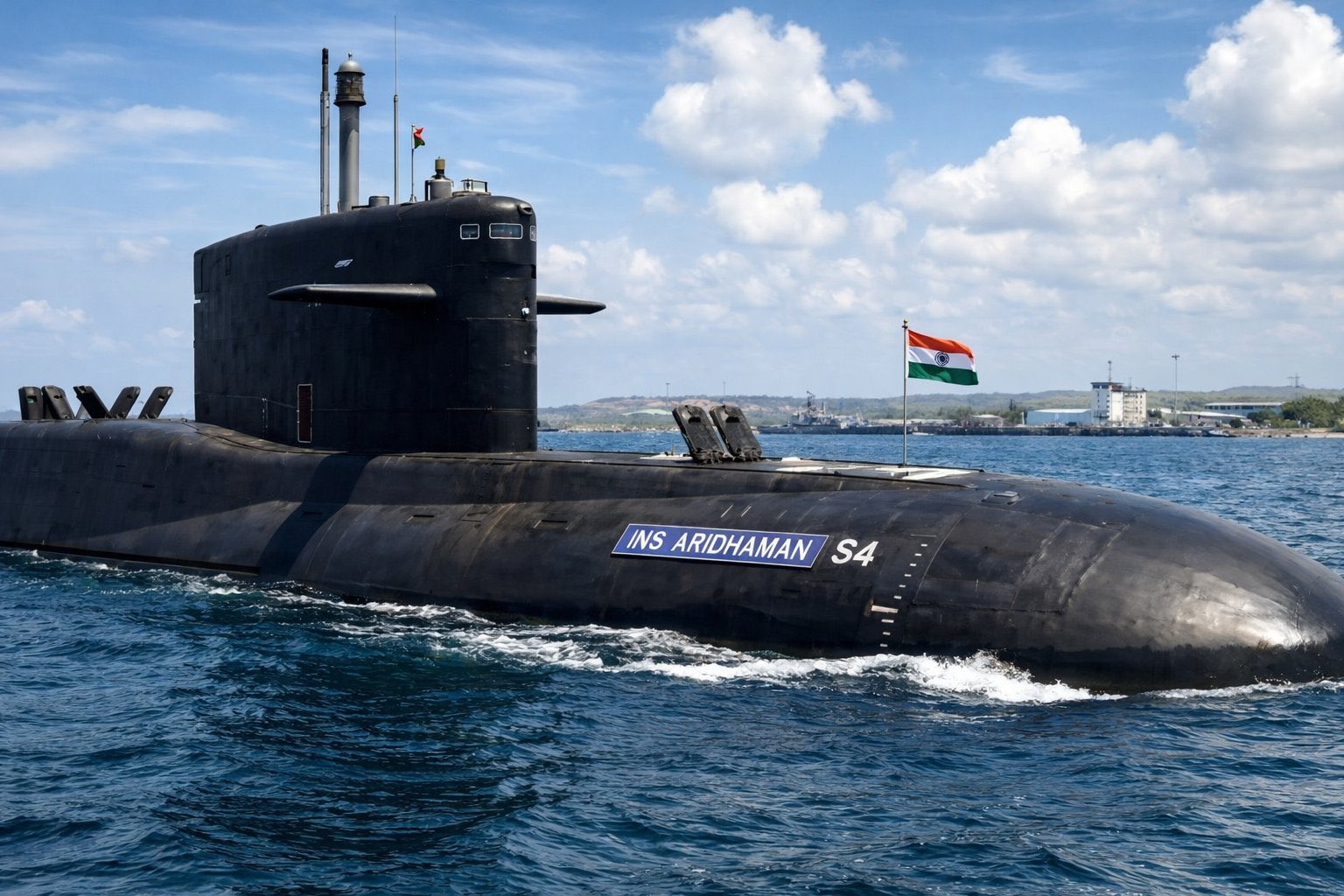
The induction of INS Aridhaman, which features several technological enhancements, now gives India the third nuclear ballistic missile submarine to ensure continuous at-sea deterrent.

Dinakar Peri

This piece argues that the present Indian strategy, based on opportunistic diversification and utilization of limited strategic reserves, remains inadequate when confronting supply disruptions. It evaluates India’s options in the short, medium, and long terms.

Vrinda Sahai