

Article
Marina Ottaway, Omar Hossino
{
  "authors": [
    "Marina Ottaway"
  ],
  "type": "other",
  "centerAffiliationAll": "dc",
  "centers": [
    "Carnegie Endowment for International Peace"
  ],
  "collections": [],
  "englishNewsletterAll": "democracy",
  "nonEnglishNewsletterAll": "",
  "primaryCenter": "Carnegie Endowment for International Peace",
  "programAffiliation": "DCG",
  "programs": [
    "Democracy, Conflict, and Governance",
    "Middle East"
  ],
  "projects": [],
  "regions": [
    "United States",
    "Middle East",
    "Iraq"
  ],
  "topics": [
    "Political Reform",
    "Democracy",
    "Foreign Policy"
  ]
}
REQUIRED IMAGE
The elections were a success, but they do not ensure that Iraqis can now agree on a constitutional formula that accommodates the demands of all groups and keeps the country together. Democracy as separation of powers, checks and balances, and protection of individual rights has not proven enough to avoid conflict in other deeply divided societies.
The elections were a success, but they do not ensure that Iraqis can now agree on a constitutional formula that accommodates the demands of all groups and keeps the country together. Democracy as separation of powers, checks and balances, and protection of individual rights has not proven enough to avoid conflict in other deeply divided societies. Iraqis will have to confront their differences and negotiate a solution. If they fail, the United States will be faced with a choice of whether to keep the country together by force or get out—and it is better to find out sooner rather than later.
Click on link above for the full text of this Policy Brief.
A limited number of print copies are available.
Request a copy
About the Author
Marina Ottaway is a senior associate in the Democracy and Rule of Law Project. She coedited with Thomas Carothers, Uncharted Journey: Promoting Democracy in the Middle East (Carnegie Endowment, 2005) and is the author of more than ten books, including Democracy Challenged: The Rise of Semiauthoritarianism (Carnegie Endowment, 2003) and Africa’s New Leaders: Democracy or State Reconstruction? (Carnegie Endowment, 1999).
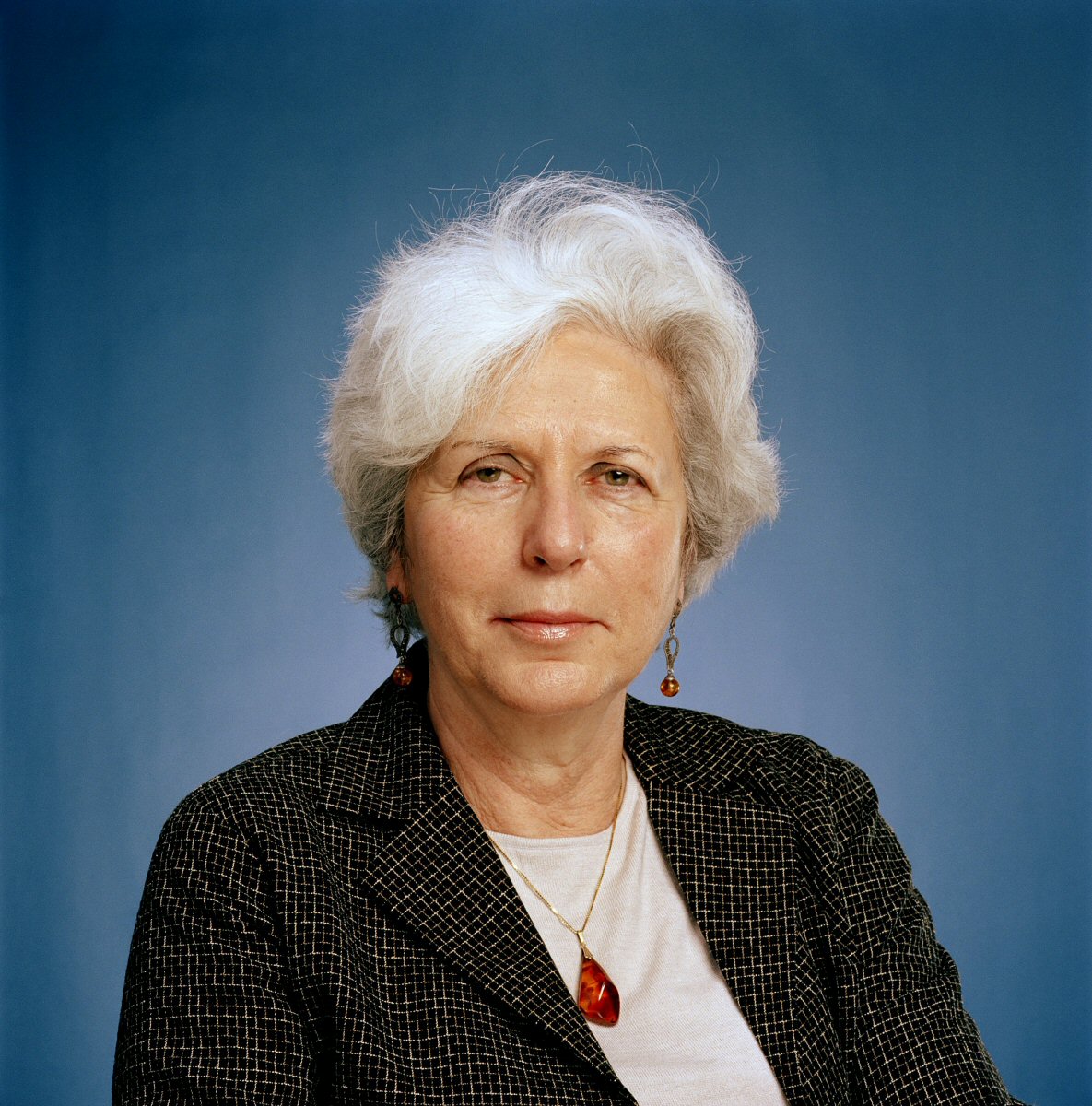
Former Senior Associate, Middle East Program
Before joining the Endowment, Ottaway carried out research in Africa and in the Middle East for many years and taught at the University of Addis Ababa, the University of Zambia, the American University in Cairo, and the University of the Witwatersrand in South Africa.
Recent Work
Marina Ottaway, Omar Hossino
Marina Ottaway
Carnegie India does not take institutional positions on public policy issues; the views represented herein are those of the author(s) and do not necessarily reflect the views of Carnegie, its staff, or its trustees.

How is AI reshaping space security, creating governance challenges, and where does international diplomacy stand today?


Tejas Bharadwaj, Almudena Azcárate Ortega

After the chill in ties between 2020 and 2024 that brought India–China relations to their lowest point in several decades, the two countries have engaged each other afresh. This paper argues that there are predominantly four imperatives guiding India’s approach to China, and they exist in an order of priority.

Saheb Singh Chadha

This piece argues that India’s central challenge is not managing a single flashpoint but resolving the underlying tension between expansion and institutional coherency of the BRICS grouping.

Vrinda Sahai

A partnership between India, a country of subcontinental size, and Africa, a continent of fifty-four countries, may seem asymmetric until one notes that both are home to nearly the same number of people—1.4 billion. This essay spells out the existing challenges to the partnership, its optimal potential, and the possible pathways to realize it over the next quarter-century.

Rajiv Bhatia

The U.S.–India semiconductor cooperation story is well-stocked with top-level strategic intent. What remains unresolved, however, are some underlying challenges that will determine whether the cooperation actually functions. Three such friction points stand out.

Shruti Mittal