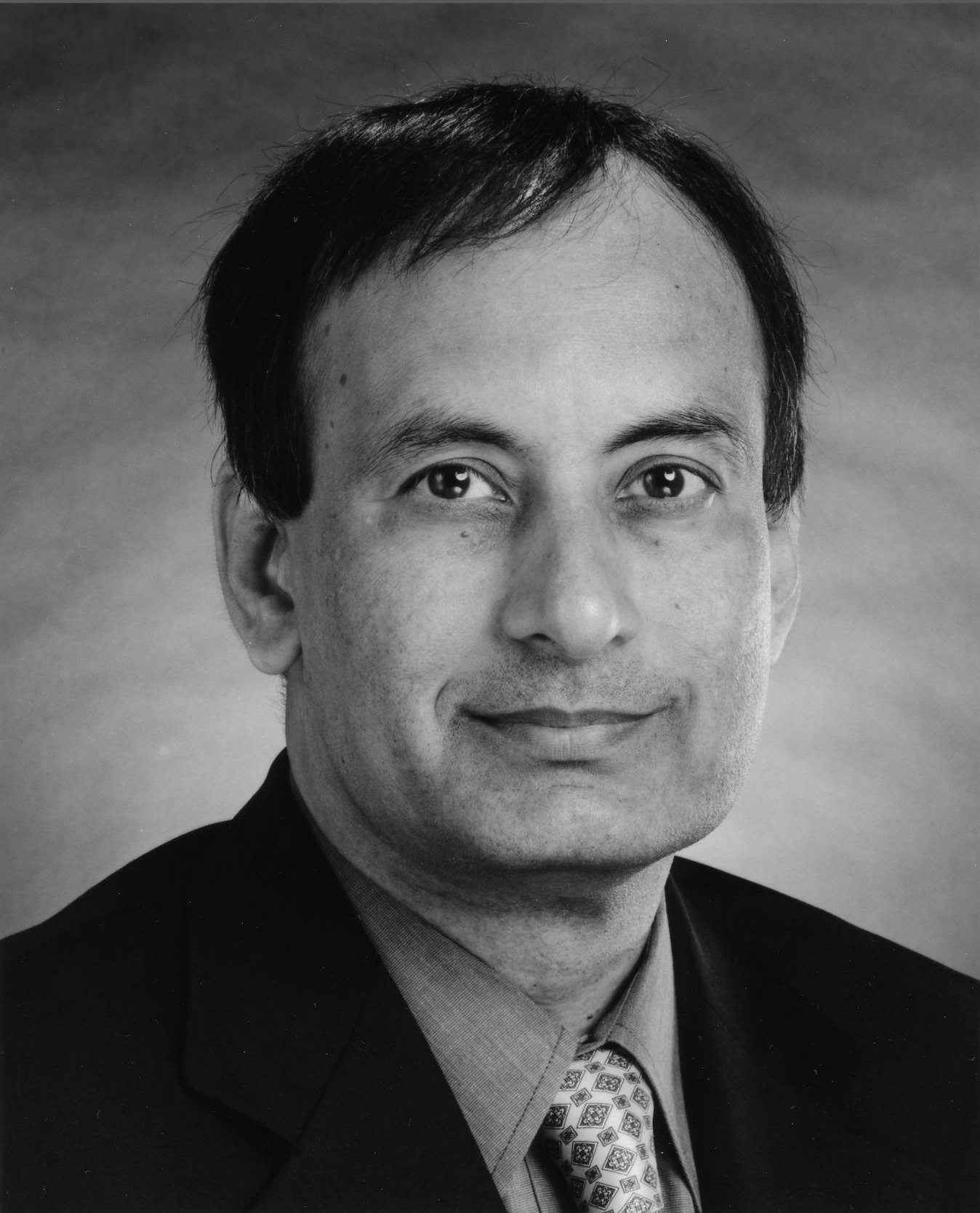
Pakistan’s fourth military ruler, General Pervez Musharraf, often makes statements that make eminent sense. Haqqani argues that he is, however, unwilling or unable to translate these rational sounding pronouncements into policy.
Pakistan’s fourth military ruler, General Pervez Musharraf, often makes statements that make eminent sense. He is, however, unwilling or unable to translate these rational sounding pronouncements into policy. The contradiction between Musharraf’s avowed goals and the reality that he presides over confuses some and frustrates others. How can one reconcile his sensible statement that Pakistanis should not be India-centric in their worldview with his periodic reassertion of the claim that India is a permanent threat to Pakistan’s existence? What explanation can there be for the paradox between Musharraf’s proclamations about “enlightened moderation” and the fact that his government has detained over a thousand people under a counter-terrorism law for flying kites in the province of Punjab?
Musharraf’s assertions about building sustainable democracy are belied by his continuing to rule with the help of the army and the intelligence services. His claim of supporting stability in Afghanistan is compromised by his occasional outbursts against the Afghan government. The general is a linchpin in America’s global war against terrorism but sees nothing wrong with allowing homegrown Pakistani terrorist groups from continuing in business.
General Musharraf’s inconsistencies are not the result of a Machiavellian psyche bent upon confusing the world. On the contrary, they are the product of confusion about ends and means within a mind that has internalised all the prejudices of Pakistan’s cantonment culture. That culture considers the Pakistan army as the centre of the universe and the army chief as having a divine right to set things right for Pakistan.
It is entirely possible that Musharraf even believes his stated vision. But he also believes concurrently in the Pakistan army’s deep-rooted prejudices. That, more than anything else, is the reason why Musharraf’s stated vision does not always translate into action.
Let us examine a few examples of Musharraf’s contradictory positions. He wants peace with India and wants Pakistanis to overcome their India-centric worldview. But he is unwilling to delve into the sources of Pakistan’s India-centrism. Pakistan has spent the bulk of its resources for over half a century on military competition with India. The ascendancy of the Pakistan army in the country’s life depends on the assumption that India presents an existential threat to Pakistan. Musharraf’s view of India has not changed, even after his call upon Pakistanis to stop looking at the world through the prism of India.
On March 18, a few days after coining the term “Indo-centric” to describe Pakistan’s traditional view of India, Musharraf told troops at the Bahawalpur garrison that his government was taking all possible measures to provide state-of-the-art weapons and equipment to the armed forces to maintain a qualitative edge. He also said that the civilian nuclear cooperation pact between the United States and India would upset the “balance of power” in the region. General Musharraf cannot fault ordinary Pakistanis for expecting his government to secure a deal from the Americans similar to that offered to the Indians when he and his officials insist on notional parity between Pakistan and India.
The India-centric view of Pakistanis flows from the centrality of the army in their lives and the continuous projection of the Indian threat in almost all public discourse. The conflict in vision that is increasingly defining General Musharraf does not end with foreign policy. It is even more evident in domestic matters. Musharraf’s promises of sustainable democracy cannot be fulfilled as long as the ISI’s internal wing controls and manages the political process.
Talking to newspaper editors recently, Musharraf repeated his vow of not allowing Benazir Bhutto and Nawaz Sharif back into politics while at the same time saying that he has nothing against Pakistan’s mainstream political parties, the Pakistan Peoples Party and the Pakistan Muslim League. Musharraf repeatedly criticises Pakistan’s political parties for not practicing internal democracy but does not explain how the parties can freely choose a leader if he vetoes the right of specific politicians to participate.
The immediate cause of the 1999 coup was said to be Prime Minister Nawaz Sharif’s attempt to replace Musharraf from the office of army chief. According to Musharraf’s reasoning, an elected prime minister does not have the right to change an army chief whom the prime minister had appointed but the army chief has the right to decide who is or is not eligible to head political parties of which a serving army officer cannot constitutionally be a member.
Musharraf has been at his contradictory best during recent media interviews. Among other things, he has taken the mantle of a political scientist to redefine democracy. In an interview with CNN’s Wolf Blitzer, Musharraf went so far as to suggest that the Washington Post does not understand democracy though he stopped short of offering training for the Post’s editorial staff at the Pakistan Military Academy.
In an interview with BBC’s Barbara Plett on the eve of President Bush’s South Asia visit, Musharraf said that the vast majority of Pakistanis was with him. “If they were not, first of all I would quit myself,” he exclaimed in what can best be described as an “I know best” proclamation. Musharraf’s glibly stated vision is repeatedly thwarted by his firmly held belief in the divine right of Pakistan’s army chief to rule.
Carnegie India does not take institutional positions on public policy issues; the views represented herein are those of the author(s) and do not necessarily reflect the views of Carnegie, its staff, or its trustees.
Trump 2.0 has unsettled India’sexternal environment—buthas notoverturned its foreign policystrategy,which continuesto relyon diversification, hedging,and calibrated partnerships across a fractured order.
+6
Milan Vaishnav, ed., Sameer Lalwani, Tanvi Madan, …
This book examines the impact of cross-border violence on communities living along the Line of Control and the International Border in Jammu and Kashmir, India.
Deep Pal, Surya Valliappan Krishna, Saheb Singh Chadha
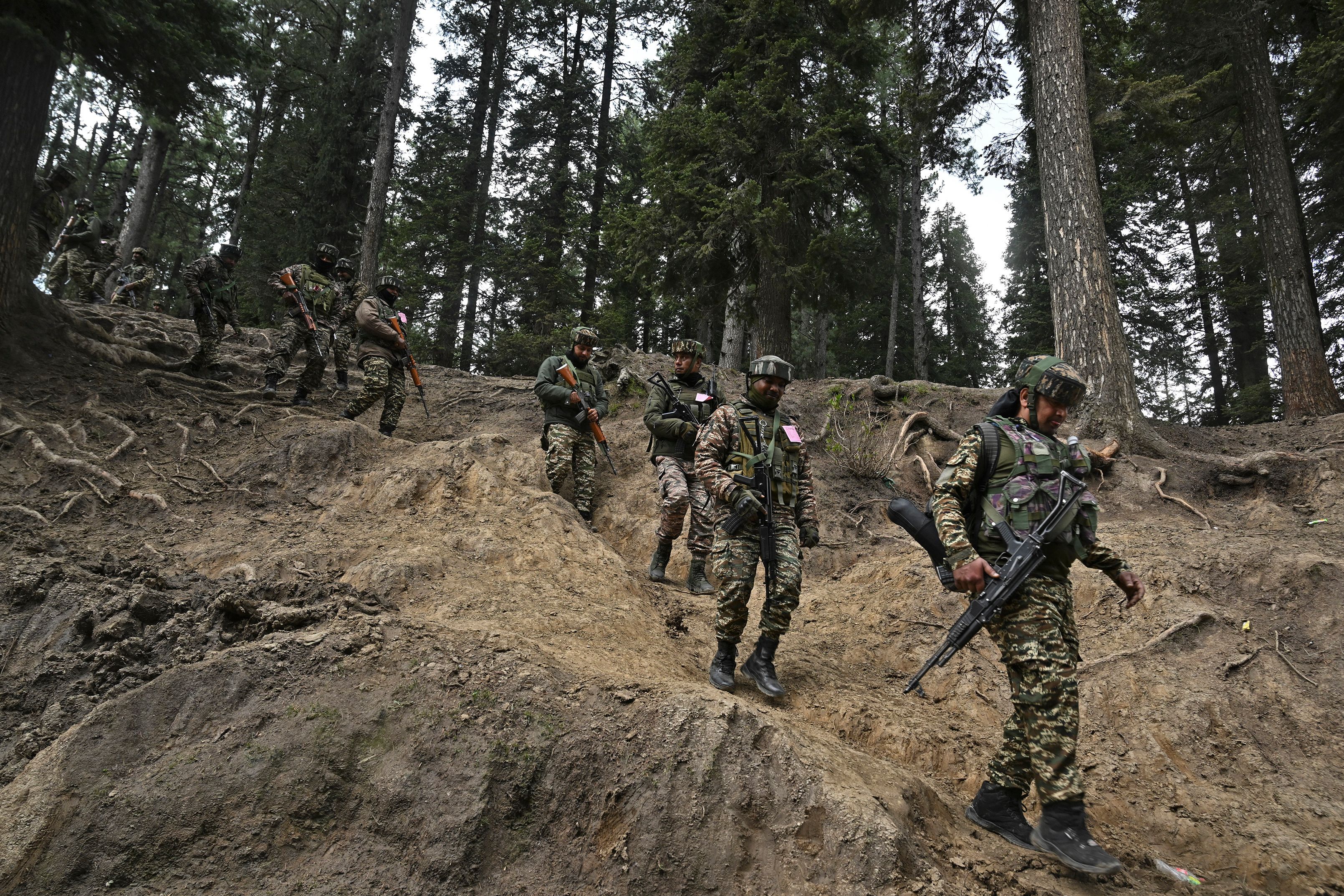
On May 7, 2025, between 1:05 and 1:30 a.m. (IST), airstrikes carried out by the Indian Air Force hit nine locations inside Pakistan and Pakistan occupied Kashmir (PoK). It was codenamed Operation Sindoor.
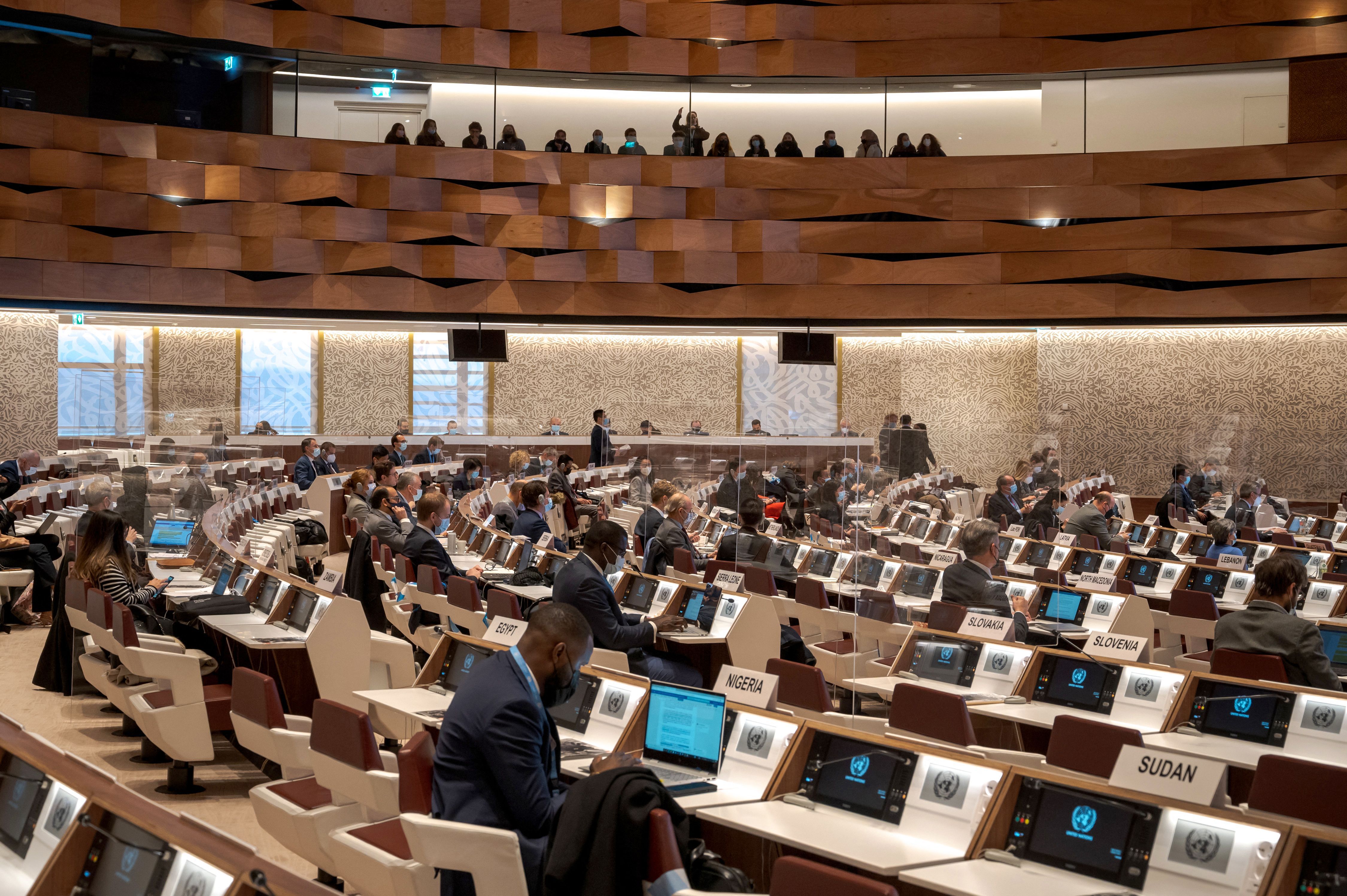
This article explores the global debate on lethal autonomous weapons systems (LAWS), highlighting the convergences, complexities, and differences within and beyond the UN Group of Governmental Experts (GGE) on LAWS. It further examines India’s key position at the GGE and the probable reasons behind them.
This essay is the first of a three-part series that will seek to understand the considerations for building compute capacity and the different pathways to accessing compute in India. This essay delves into the meaning of compute and unpacks the various layers of the compute stack.