

Paper
Omayma Abdel-Latif
{
  "authors": [
    "Omayma Abdel-Latif"
  ],
  "type": "legacyinthemedia",
  "centerAffiliationAll": "dc",
  "centers": [
    "Carnegie Endowment for International Peace",
    "Malcolm H. Kerr Carnegie Middle East Center"
  ],
  "collections": [],
  "englishNewsletterAll": "menaTransitions",
  "nonEnglishNewsletterAll": "",
  "primaryCenter": "Malcolm H. Kerr Carnegie Middle East Center",
  "programAffiliation": "MEP",
  "programs": [
    "Middle East"
  ],
  "projects": [],
  "regions": [
    "Middle East"
  ],
  "topics": [
    "Political Reform",
    "Economy"
  ]
}
REQUIRED IMAGE
Lebanese commemorate the third anniversary of Hariri's assassination amid rising tension, Omayma Abdel-Latif writes from Beirut. Leaders of the 14 March current almost took Lebanon to civil war this week in a bid to secure their million- man march today to commemorate the three-year anniversary of the assassination of former prime minister Rafik Al-Hariri. Has Lebanon become a vast contest in popular manipulation? What of the victims of the flames of strife stoked by cavalier politicians?
Source: Al-Ahram Weekly
Lebanese commemorate the third anniversary of Hariri's assassination amid rising tension, Omayma Abdel-Latif writes from Beirut.
Leaders of the 14 March current almost took Lebanon to civil war this week in a bid to secure their million- man march today to commemorate the three-year anniversary of the assassination of former prime minister Rafik Al-Hariri. Has Lebanon become a vast contest in popular manipulation? What of the victims of the flames of strife stoked by cavalier politicians?
Shortly after the media circus covering Walid Jumblatt's fiery speech Sunday in which he promised the Lebanese "civil war and chaos", the Druze leader had another surprise in store. "When the press was gone," said a source that attended the meeting, "he told us that his statements were only meant to mobilise people to secure a show of force on Thursday [today] and that he meant not a word of what he had just said." The source said that Jumblatt then telephoned a veteran journalist to place "a couple of quotes on reconciliation".
In a televised interview Tuesday, Jumblatt reiterated the same mixed bag of messages. While stressing that he does not plan on war, in the same breath he accused Hizbullah of complicity in recent political killings, saying "it is impossible to live with Hizbullah anymore." In effect, a declaration of war by another name.
Indeed the intended damage has been done. The streets of Beirut and Al-Jabal, Jumblatt's hinterland, bore witness to a number of incidents in which opposition 8 March and government 14 March supporters clashed. In less than two days four incidents occurred of live fire exchanges, while fighting with knives has been reported in Alyie, Cornish Al-Mazraa, Qurnet Nayel and Al-Basta. If anything, it was indication that Lebanese leaders cannot continue with their verbal civil war no matter how adept they become at intrigue.
So far, none seem deterred. During Lebanon's protracted political crisis, street politics has been afforded highest prominence. The issue comes down to numbers: how many people can each current mobilise in a show of strength that inevitably leads to ever- heightening tension backed by ever more vitriolic rhetoric. What seems to be forgotten is that once the street takes over from media warmongers, it picks up logic of violence of its own.
This violence can turn inward also, with unintended consequences. One analyst recently suggested that Jumblatt risks the very unity among Druze that he worked all his life to enhance: "... this time it is not going to be a Shia-Sunni strife, as he wished it to be, or even a Shia-Druze one. This time it will be an intra-Druze strife and it will be on his own ground," wrote Nicola Nassif in Al-Akhbar newspaper.
And where rhetoric doesn't work, money talks. Saad Al-Hariri has been buying loyalty from the poor of the north, donating some $52 million to poverty stricken villages in Akkar and Denniya. There was no word, however, on whether or not these funds were to be channelled through the organs of the Lebanese state -- which he claims to be defending -- or as usual through "his men" in the north.
In the build-up to today's march in Beirut, latest developments in the political deadlock took a backseat this week. Press reports in As-Safir newspaper Tuesday, however, suggested that a breakthrough in the deadlock might be expected by 26 February -- the next date set for a parliamentary session to elect a president. As-Safir reports that an agreement of the election of a president is being concluded. The 8 March and 14 March currents and the president will be allocated 10 cabinet seats each.
According to the press reports, in addition to the likely election of military chief Michel Suleiman, a new elections law will be put in place. The four most sensitive cabinet portfolios would be divided between opposition and government while the Interior Ministry will be allocated to the president. But will it work? In a televised interview Saturday, Saad Al-Hariri stated bluntly, "we simply do not trust each other." Less than two days later, Michel Aoun, head of the Free Patriotic Movement and ally of Hizbullah, echoed the same sentiment.
All eyes, now, are focussed on Hizbullah. The resistance movement had earlier instructed its politicians not to engage in a war of words with Jumblatt or any 14 March leaders. But the loss of one of its most prominent and most hunted leaders, Imad Mughniah, in a mysterious explosion in Damascus Tuesday will -- no doubt -- force Hizbullah to reconsider its priorities in the coming period.
Former Research and Program Associate, Middle East Center
Abdel-Latif, formerly the assistant editor-in-chief at Al-Ahram Weekly, has done extensive work on Islamist movements with special emphasis on the Muslim Brotherhood of Egypt.
Recent Work
Omayma Abdel-Latif
Omayma Abdel-Latif
Carnegie India does not take institutional positions on public policy issues; the views represented herein are those of the author(s) and do not necessarily reflect the views of Carnegie, its staff, or its trustees.

This piece examines India’s response to U.S. sanctions and tariffs, specifically assessing the immediate market consequences, such as alterations in import costs, and the broader strategic implications for India’s energy security and foreign policy orientation.
Vrinda Sahai
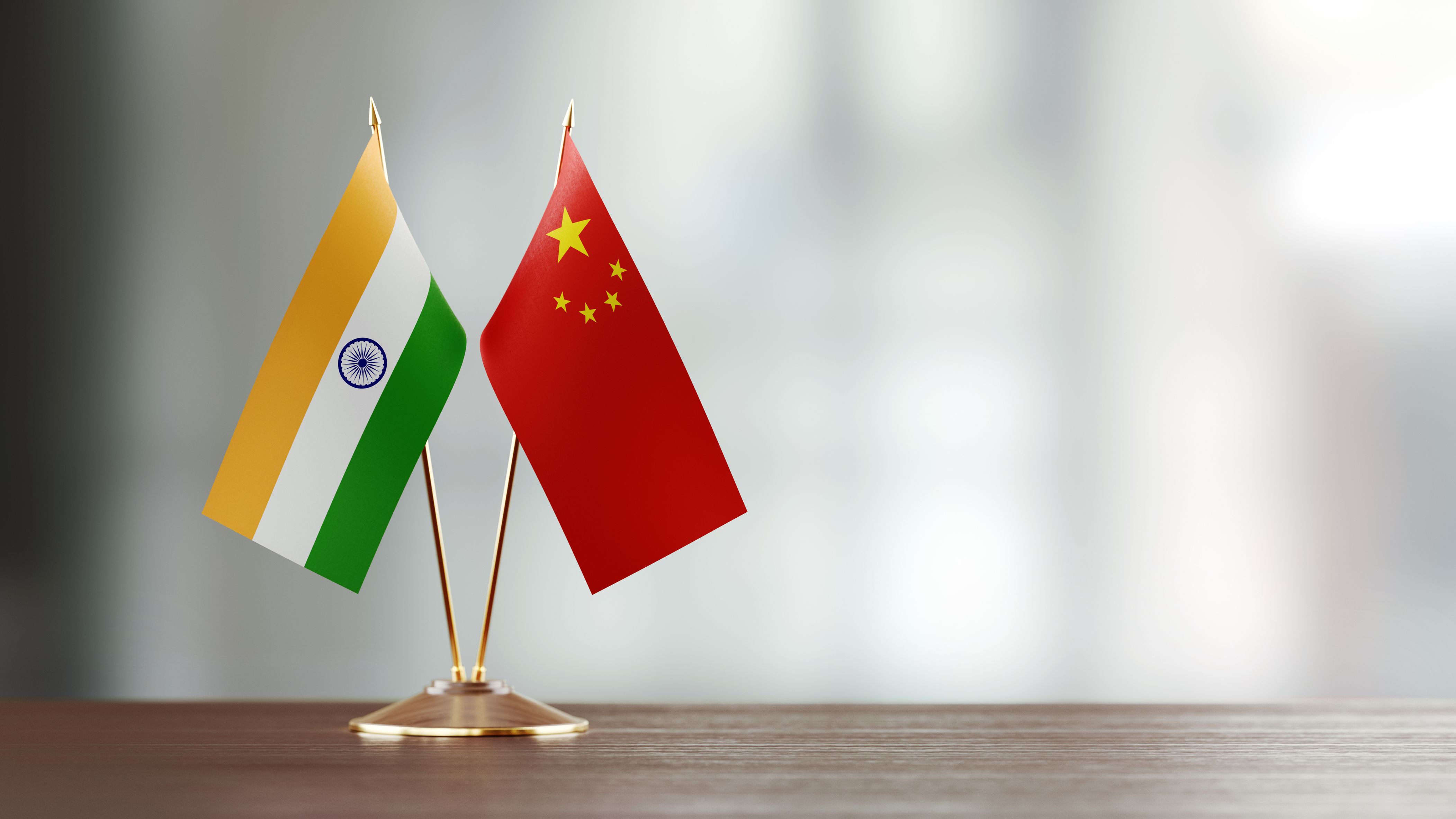
This paper examines the evolution of India-China economic ties from 2005 to 2025. It explores the impact of global events, bilateral political ties, and domestic policies on distinct spheres of the economic relationship.
Santosh Pai
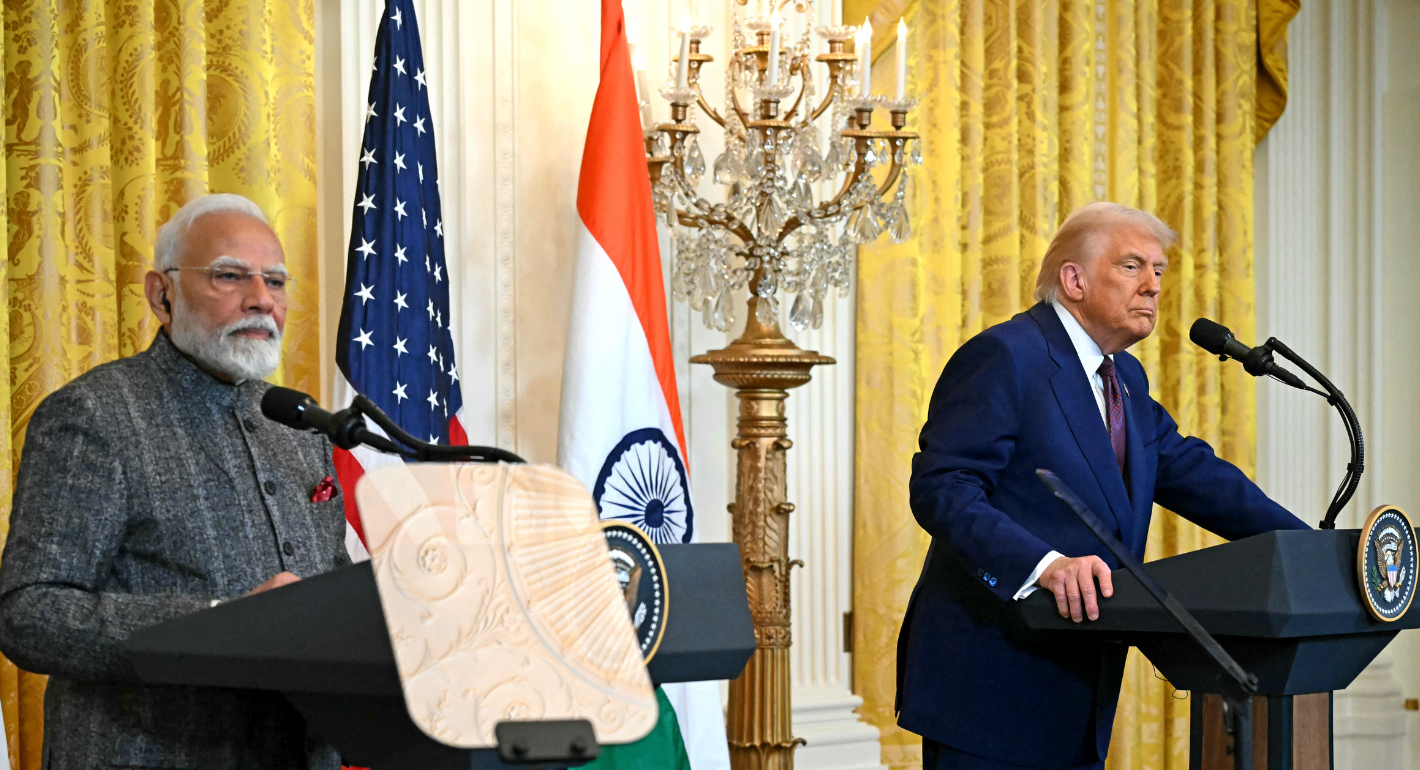
The India-U.S. relationship currently appears buffeted between three “Ts”—TRUST, Tariffs, and Trump.
Arun K. Singh
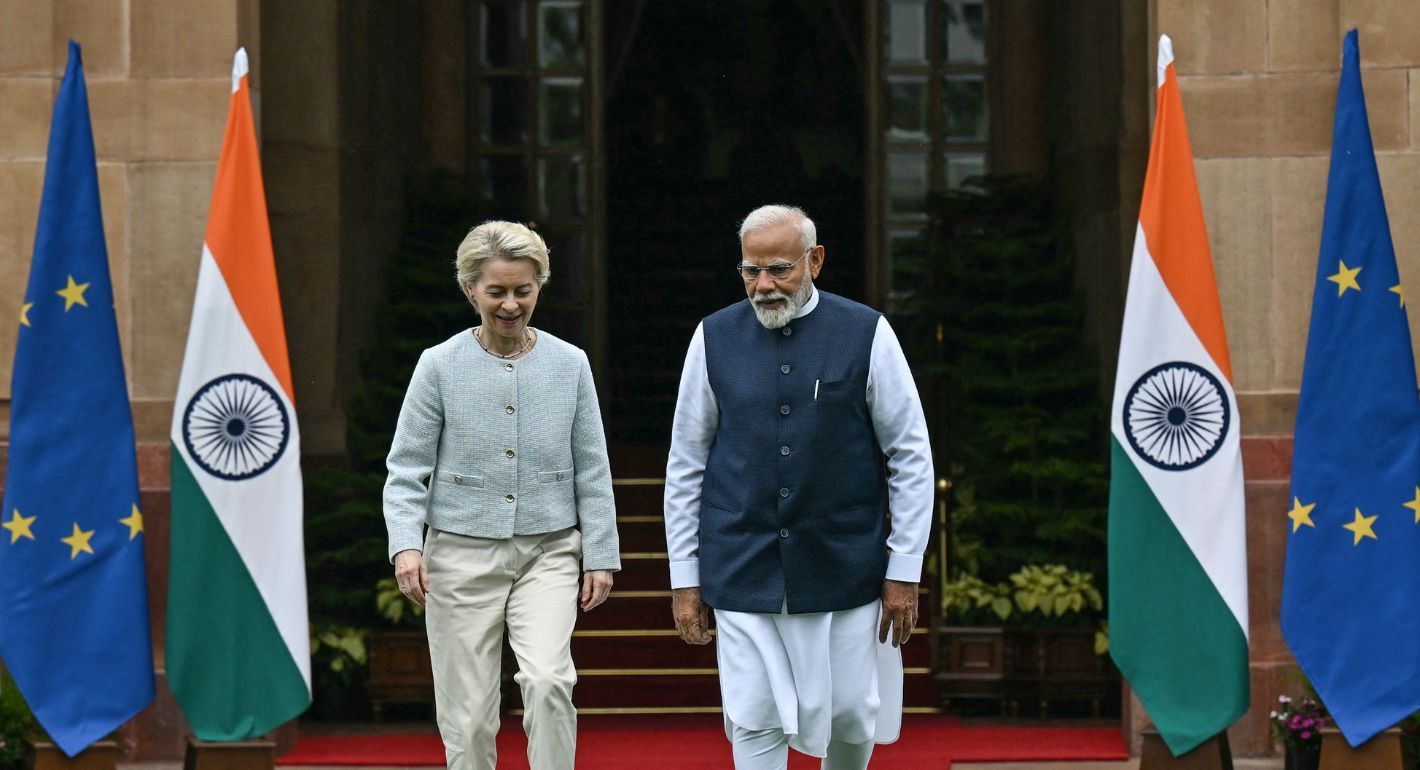
This article argues that the geopolitical circumstances have never been more conducive, not merely for the early conclusion of the free trade agreement (FTA) between India and the EU, but also for crafting a substantive and comprehensive strategic partnership.
Mohan Kumar
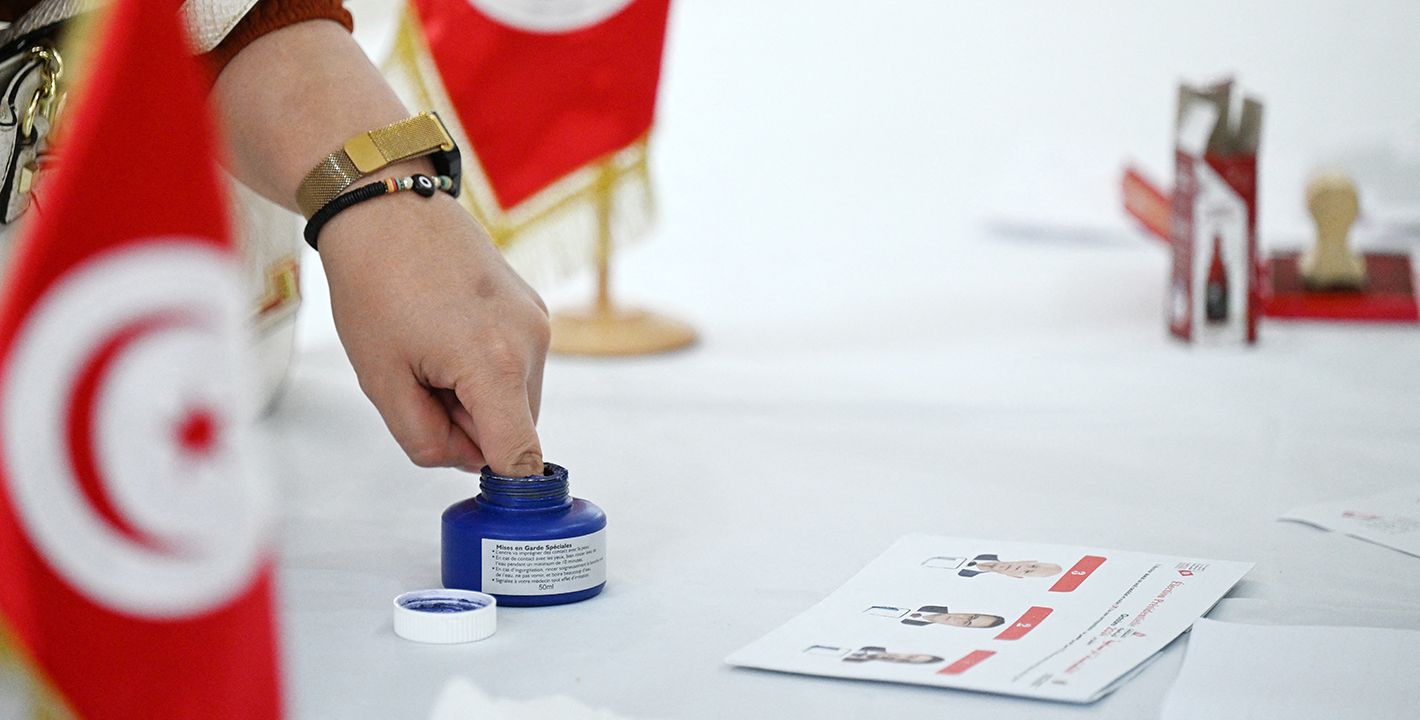
President Kais Saied has won a second term in office, but his country is facing a host of problems that necessitate urgent reforms, above all preventing the possibility of a financial meltdown.
Ishac Diwan, Hachemi Alaya, Hamza Meddeb