

Paper
Omayma Abdel-Latif
{
  "authors": [
    "Omayma Abdel-Latif"
  ],
  "type": "commentary",
  "blog": "Sada",
  "centerAffiliationAll": "",
  "centers": [
    "Carnegie Endowment for International Peace",
    "Malcolm H. Kerr Carnegie Middle East Center"
  ],
  "collections": [],
  "englishNewsletterAll": "",
  "nonEnglishNewsletterAll": "",
  "primaryCenter": "Carnegie Endowment for International Peace",
  "programAffiliation": "",
  "programs": [],
  "projects": [],
  "regions": [
    "Syria",
    "Middle East"
  ],
  "topics": [
    "Political Reform"
  ]
}

REQUIRED IMAGE
Apart from some posters and banners scattered across the streets of Damascus announcing elections on April 22-23, there are few signs in Syria of the sort of election fever seen in some Arab countries recently.Electoral platforms addressing real issues are conspicuously absent.
Apart from some posters and banners scattered across the streets of Damascus announcing elections on April 22-23, there are few signs in Syria of the sort of election fever seen in some Arab countries recently. Candidate posters are no more than a photo with a slogan underneath: “vote for the faithful son of Damascus” reads one poster; “vote for youthful talent and leadership”says another. Electoral platforms addressing real issues are conspicuously absent.
Syrians' lack of enthusiasm may be attributable to the fact that only one third of the 250 parliamentary seats are actually up for grabs. The other two thirds (167 seats) are automatically allocated to the Nationalist Progressive Front (NPF), a coalition of the Baath party and nine other parties that has ruled Syria since 1972. NPF candidates are selected for their loyalty to the party line and clean record with Syrian security services. The only real competition is among thousands of independent candidates for the remaining 83 seats. Independents have been allowed to run for parliament since 1990, a step that was intended to add a gloss of legitimacy and representation to the People's Assembly.
Independent candidates divide themselves into various lists, which do not necessarily reflect a division along ideological lines. The most prominent electoral list is al-Sham, which includes well-known figures in business, former MPs, and clergymen. Its platform focuses on unemployment and the rising costs of living. Mohei Eddin Haboush, a tourism mogul who has already served two terms in parliament, said of al-Sham: “We are not opposition and we are not from the NPF but we represent various trends in Syrian society.” When asked about widespread criticisms of the parliament's marginal role in shaping the legislative agenda, Haboush blamed the media for failing to report accurately the role and activities of the assembly.
For most Syrians, however, the issue goes beyond underreporting the parliament's activities, as Haboush and other candidates claim. Popular political apathy results in voter turnouts between 4 and 10 percent, according to unofficial figures, reflecting deeply rooted popular distrust of the election process and doubt that the parliament plays any significant role. Even some NPF politicians share this popular perception. “The tasks assigned to the assembly are reduced to examining draft laws submitted by the cabinet,” said Youssef al-Faisal, head of the Syrian Communist Party, one of the parties in the PNF alliance. “Most of the time,” he continued, “those laws are passed with hardly any modification, whatever remarks MPs might make during debate.” In fact, the Syrian constitution limits the powers of the assembly to reviewing cabinet statements and policies. The assembly statute allows up to ten deputies to propose draft laws during a legislative session, but deputies never make use of the privilege.
A few procedural changes were introduced to the election process this time. Transparent ballot boxes will be used for the first time, and campaign spending will be capped at three million Syrian Lira (US $60,000) per candidate. For the most part, however, elections will be conducted as they have been in the past. There will be no judicial supervision; rather, each polling station will be supervised by three civil servants who pledge an oath before a judge. The electoral law stipulates that every governorate constitutes an electoral district except for Aleppo, which is divided into two districts. The two Aleppo districts have the largest representation in the 250-member assembly with a combined 32 seats, followed by Damascus with 29 seats. The law also stipulates that 50 percent of the assembly members should be workers and farmers.
The Syrian opposition is boycotting the elections, saying that the few changes to the electoral process fell far short of their longstanding demands. Led by the Syrian Democratic Coalition (SDC) and the Damascus Declaration bloc—an alliance of sixteen political parties—the opposition says it has a national project for democratic and peaceful change, including a new electoral law and the establishment of political parties. The opposition expects a broad popular boycott of the elections, despite a campaign by state media to get Syria's eight million registered voters to the polls. “Unless there is a new political party law ending one-party rule in Syria, elections will simply remain a non-event and there will continue to be high levels of popular apathy,” said Hassan Abdel Azeem, head of the SDC and a former MP.
Omayma Abdel Latif is an Egyptian journalist and Projects Coordinator at the Carnegie Middle East Center in Beirut.
Former Research and Program Associate, Middle East Center
Abdel-Latif, formerly the assistant editor-in-chief at Al-Ahram Weekly, has done extensive work on Islamist movements with special emphasis on the Muslim Brotherhood of Egypt.
Recent Work
Omayma Abdel-Latif
Omayma Abdel-Latif
Carnegie does not take institutional positions on public policy issues; the views represented herein are those of the author(s) and do not necessarily reflect the views of Carnegie, its staff, or its trustees.
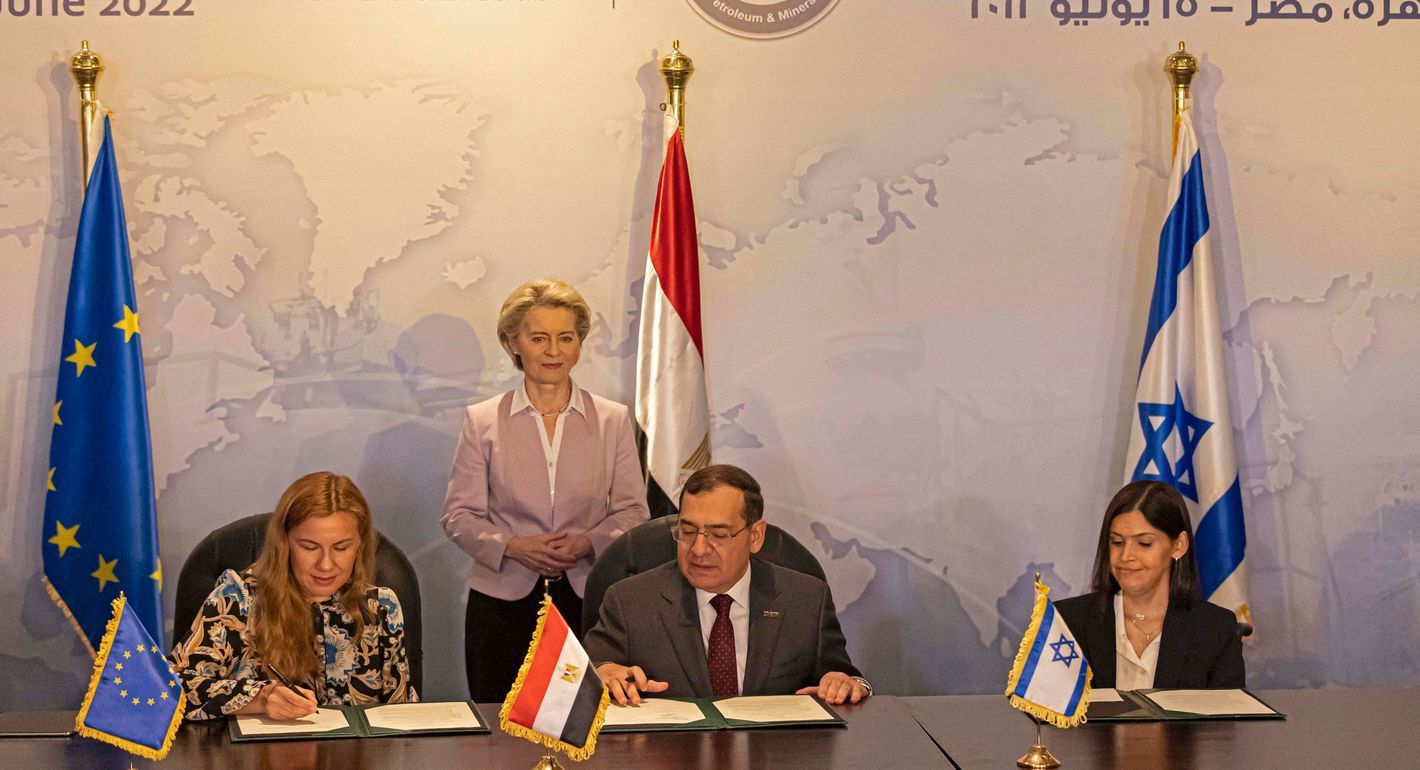
Can economic ties help contain conflict between Egypt and Israel, or do they simply postpone confrontation? Drawing on the German-Russian experience, the article examines how the gas deal creates mutual dependence, keeps channels of cooperation open, and raises the cost of conflict, without necessarily delivering lasting peace.
Nourhan Hefzy
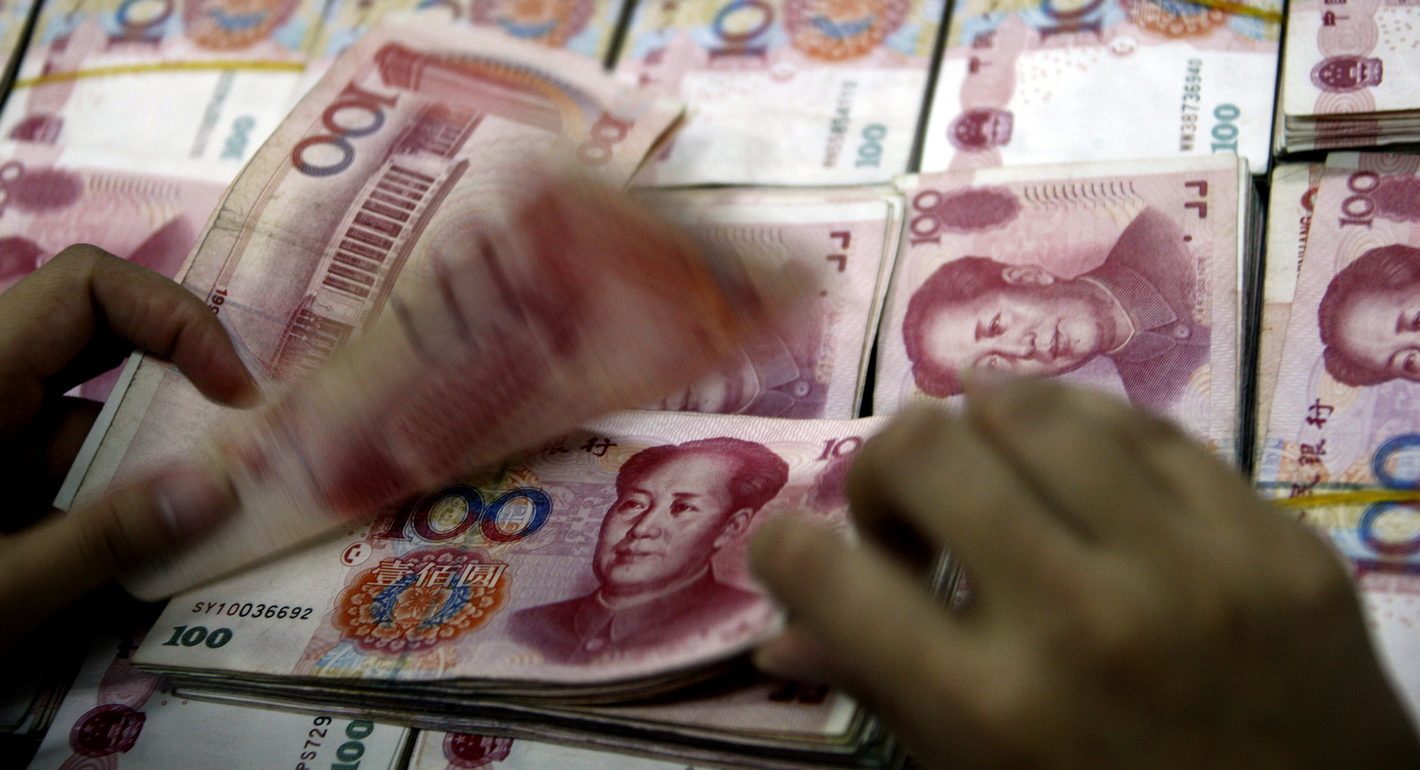
Is the Gulf moving beyond the dollar? This article examines how China is expanding the renminbi's role across Gulf markets, what that means for regional finance, and why the future of global currencies is more complex than the de-dollarization debate suggests.
Andrew Bonney
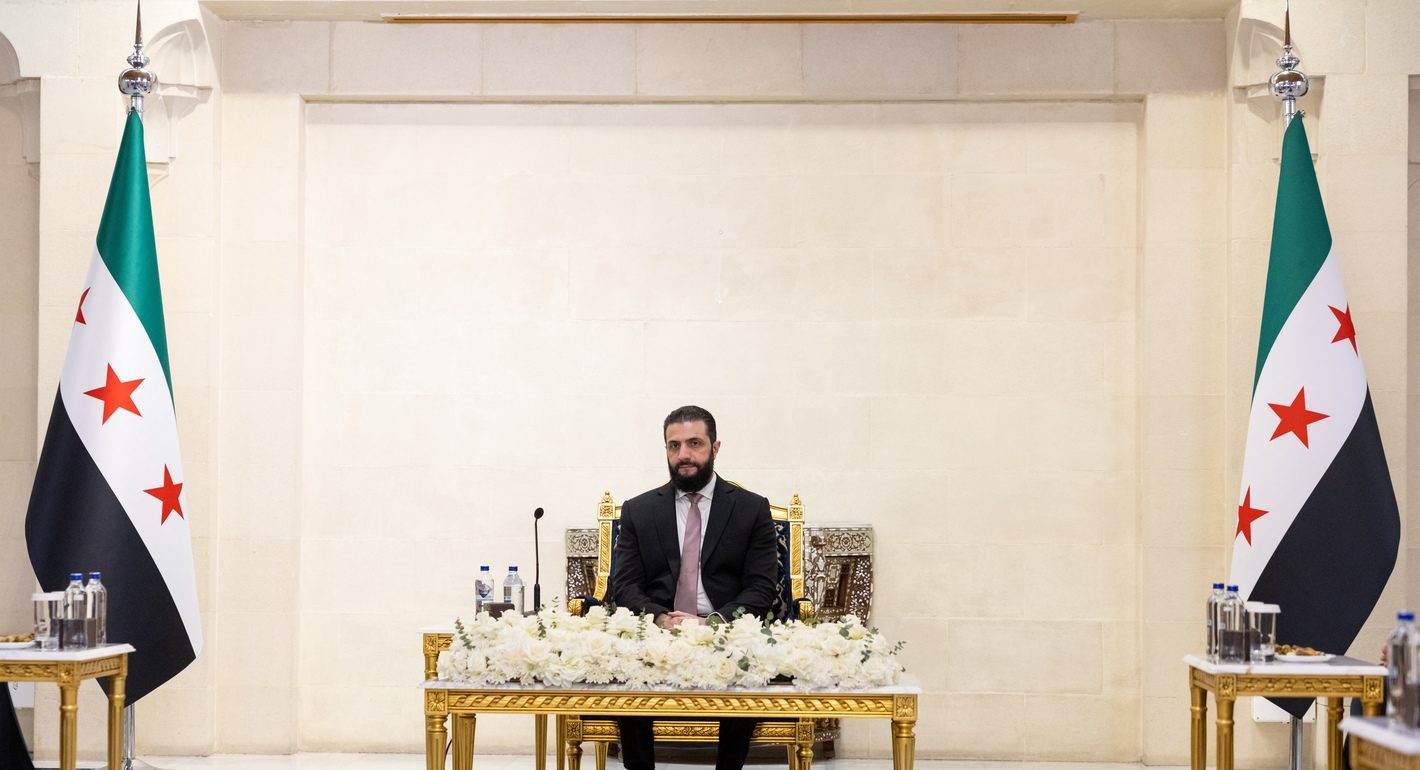
Syria's transition promised a fresh start. But are old habits of power making a comeback? This analysis looks at the warning signs and what it will take to build a more accountable state.
Sima Beitinjaneh
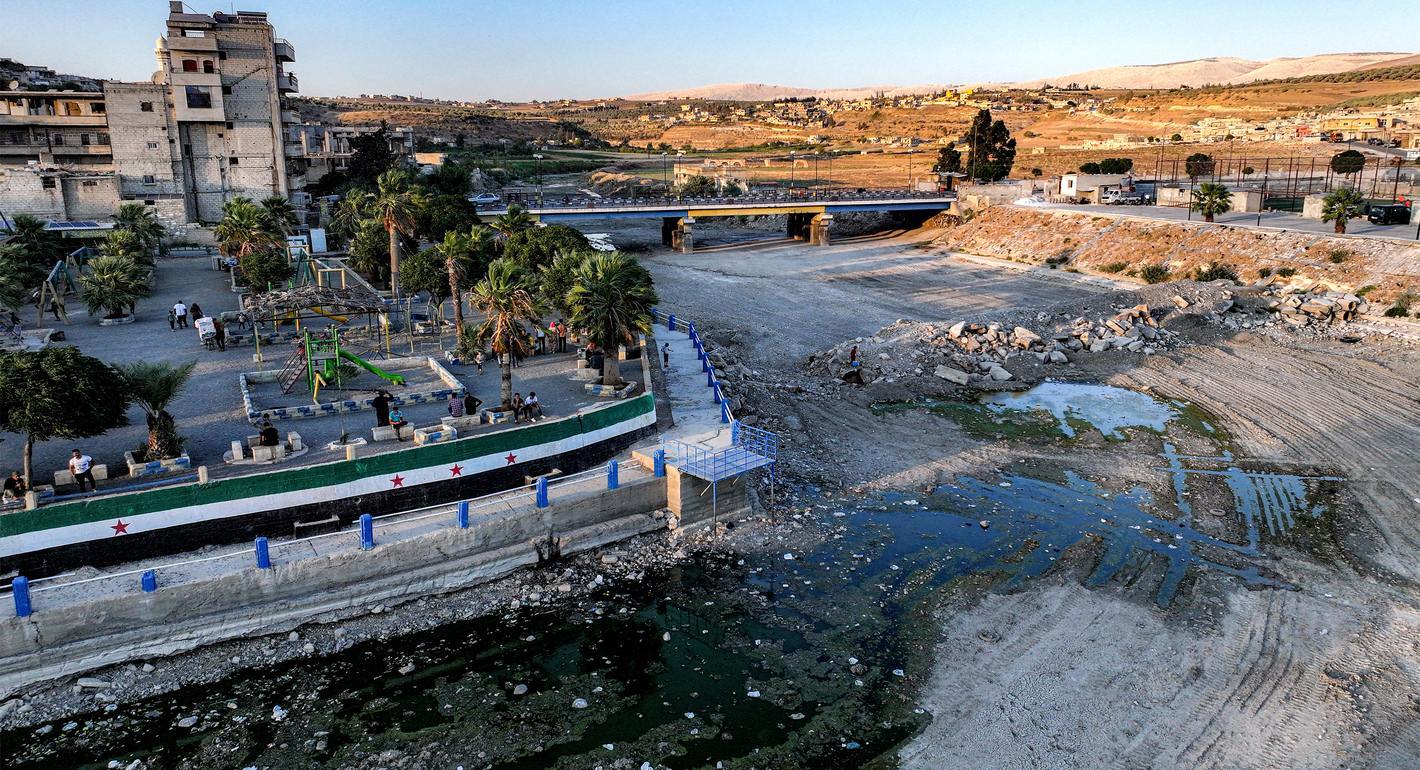
Syria’s worsening drought is no longer a seasonal crisis. This report explains what climate change is doing to rainfall, groundwater, and food security, and what solutions experts say are still possible.
Milia Esper
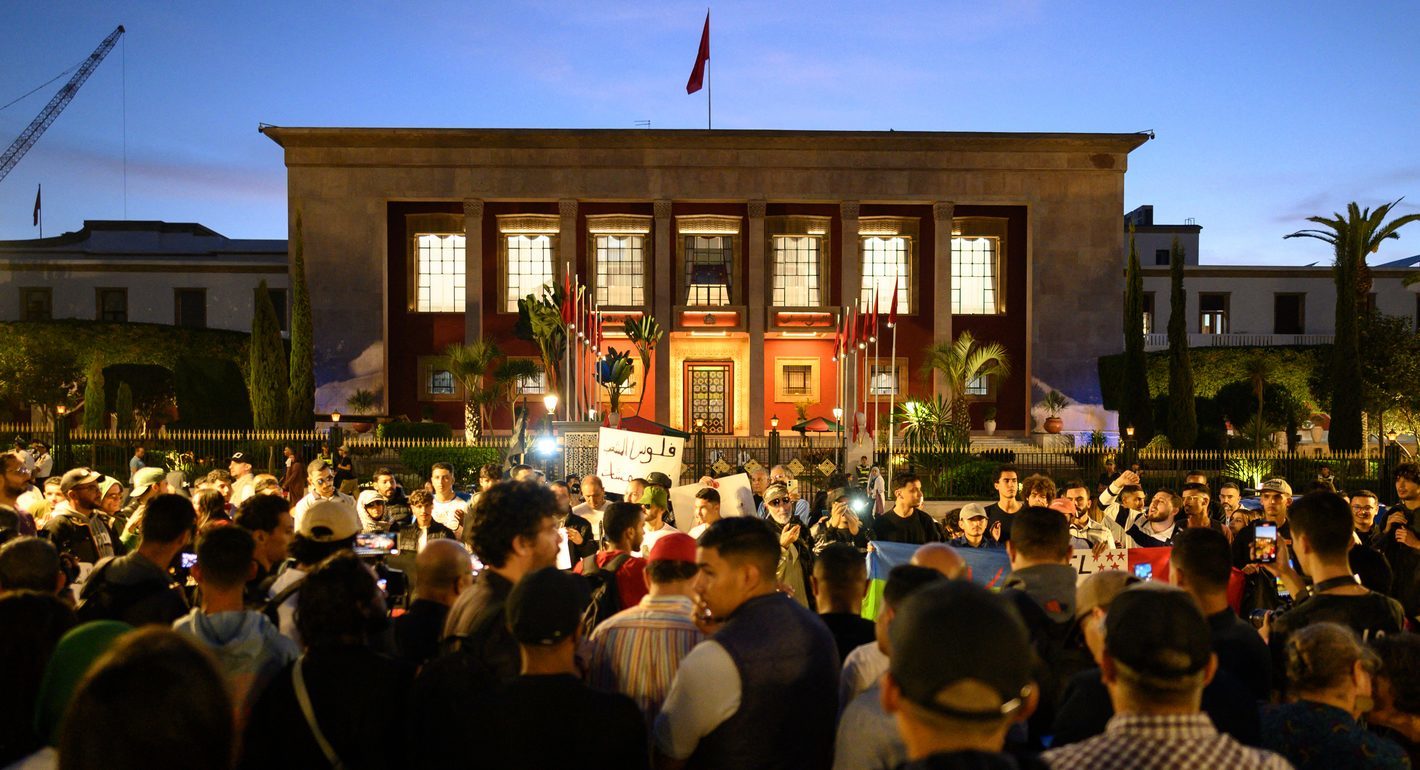
From anime heroes to online gaming communities, Morocco’s Gen Z is building a new protest culture. What does this digital imagination reveal about youth politics, and how should institutions respond?
Abdelilah Farah