

In The Media
Jessica Tuchman Mathews
{
  "authors": [
    "Jessica Tuchman Mathews"
  ],
  "type": "legacyinthemedia",
  "centerAffiliationAll": "",
  "centers": [
    "Carnegie Endowment for International Peace",
    "Carnegie Europe"
  ],
  "collections": [],
  "englishNewsletterAll": "",
  "nonEnglishNewsletterAll": "",
  "primaryCenter": "Carnegie Endowment for International Peace",
  "programAffiliation": "",
  "programs": [],
  "projects": [],
  "regions": [
    "Middle East",
    "Iraq"
  ],
  "topics": []
}
Source: Getty
Carnegie President Jessica T. Mathews appeared on BBC Radio 4’s The World Tonight to discuss the effectiveness of the “surge” in meeting its objectives in Iraq. Mathews argues that while a departure of U.S. troops from Iraq would likely increase violence in the short-term, it remains unclear whether the consequences of staying are better for the U.S. and Iraq in the medium- and long-term.
Source: BBC Radio 4 The World Tonight

Carnegie President Jessica T. Mathews appeared on BBC Radio 4’s The World Tonight to discuss the effectiveness of the “surge” in meeting its objectives in Iraq. Mathews argues that while a departure of U.S. troops from Iraq would likely increase violence in the short-term, it remains unclear whether the consequences of staying are better for the U.S. and Iraq in the medium- and long-term. “At the cost of a lot of lives and an enormous amount of money—$12 billion a month—we are basically paying both sides to turn to each other and not to kill us. We are paying Sunni militia, we’re paying Shi’a militia, and that is obviously not a long-term formula for progress.”

Distinguished Fellow
Mathews is a distinguished fellow at the Carnegie Endowment for International Peace. She served as Carnegie’s president for 18 years.
Recent Work
Jessica Tuchman Mathews
Jessica Tuchman Mathews
Carnegie India does not take institutional positions on public policy issues; the views represented herein are those of the author(s) and do not necessarily reflect the views of Carnegie, its staff, or its trustees.
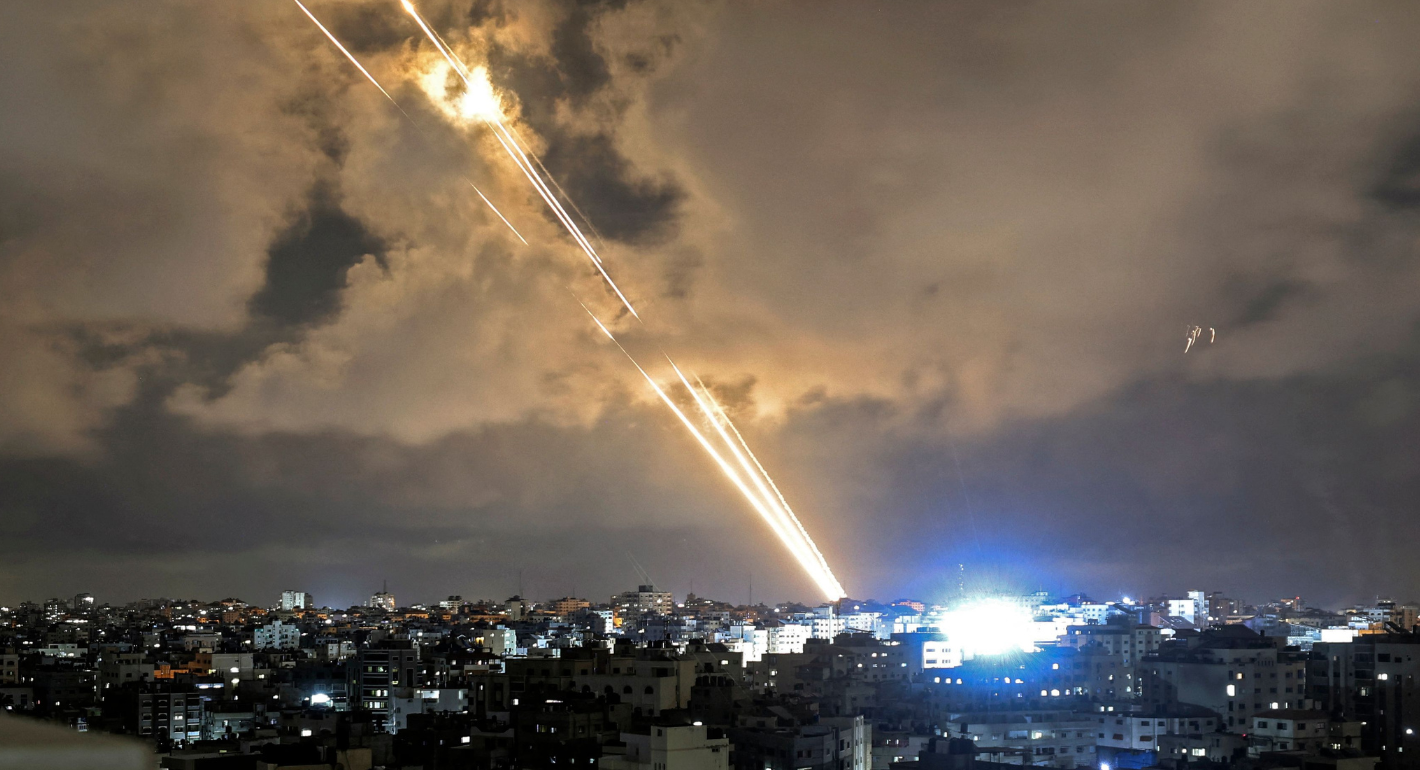
An Israeli response to Iran’s October 1 attack is imminent. The key question is of its intensity and potential fallout, both within Iran, in terms of nuclear security policy changes, and across the broader region. The coming days are likely to reshape West Asia irreversibly.
Gaddam Dharmendra
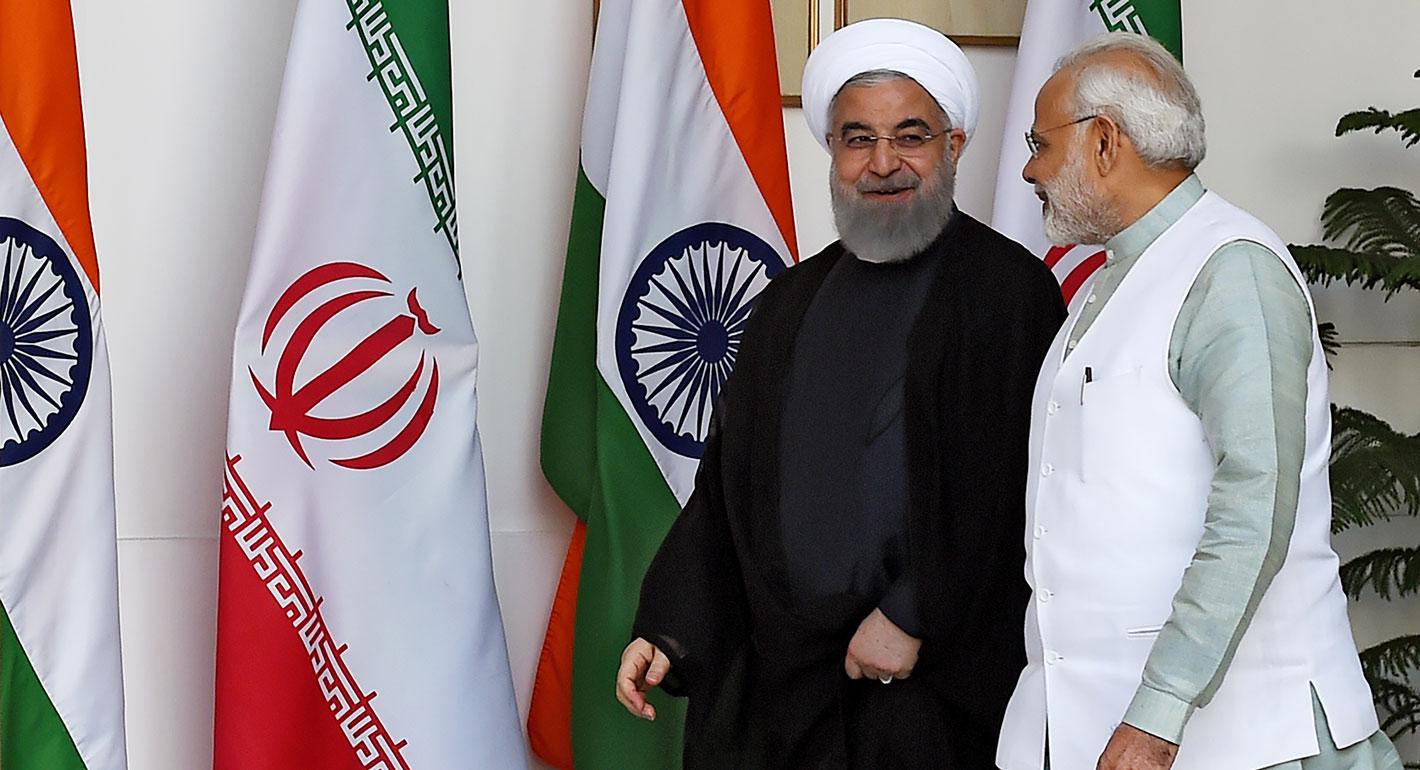
For India, the equation is pretty simple: better diplomatic relations between the United States and Iran would let New Delhi deal more smoothly with both countries. A decline in the relationship adversely affects Indian interests.
Rudra Chaudhuri
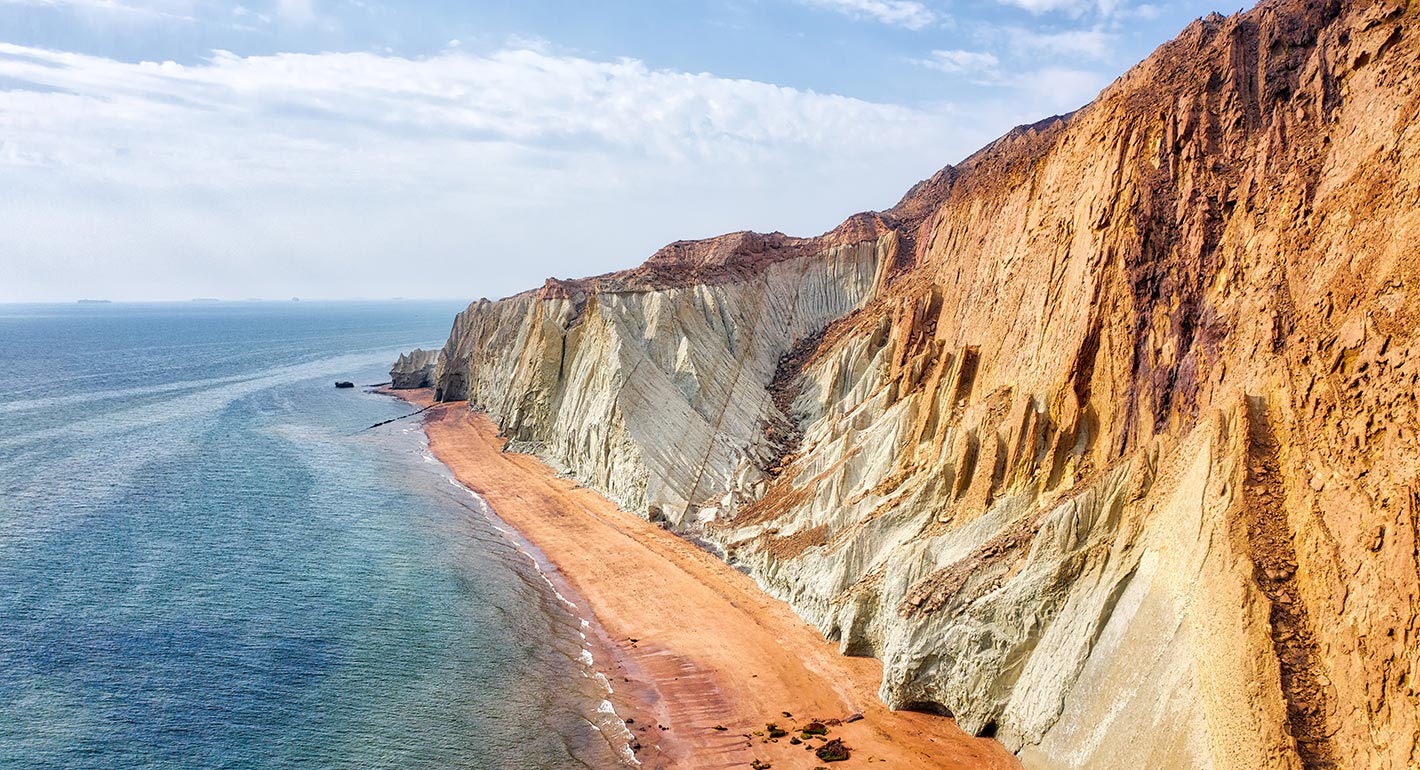
The recent developments around the Strait of Hormuz have once again highlighted the importance of maritime chokepoints and their connection to regional geopolitics.

Darshana M. Baruah
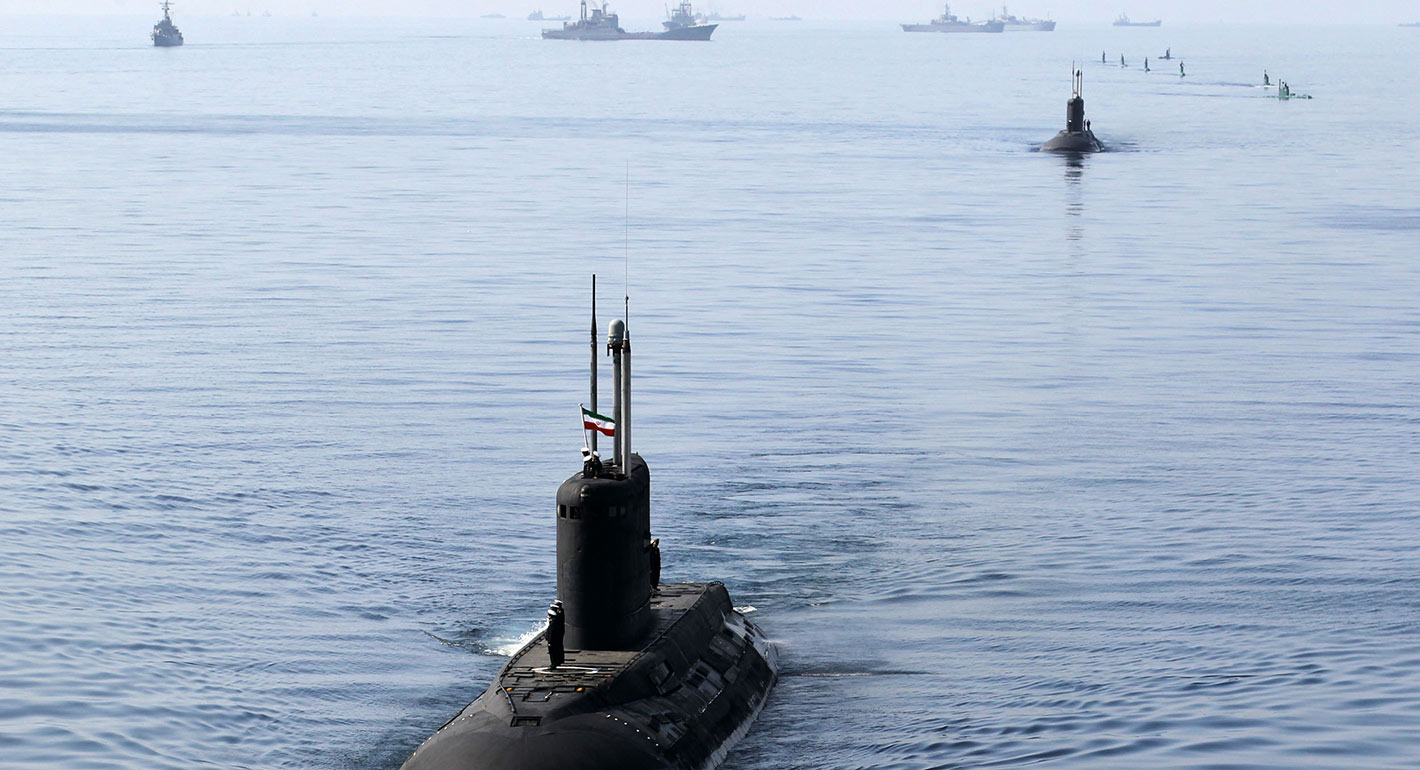
Last week, Britain impounded an Iranian oil tanker in Gibraltar, claiming that the vessel was carrying oil to Syria in violation of the European Union’s sanctions.

Srinath Raghavan
It has been a rather long learning curve for New Delhi to separate presumed transcendental religious solidarity and the logic of national self-interest in engaging the Middle East.
C. Raja Mohan