

In The Media
Josh Kurlantzick
{
  "authors": [
    "Josh Kurlantzick"
  ],
  "type": "legacyinthemedia",
  "centerAffiliationAll": "dc",
  "centers": [
    "Carnegie Endowment for International Peace"
  ],
  "collections": [],
  "englishNewsletterAll": "ctw",
  "nonEnglishNewsletterAll": "",
  "primaryCenter": "Carnegie Endowment for International Peace",
  "programAffiliation": "SAP",
  "programs": [
    "South Asia"
  ],
  "projects": [],
  "regions": [
    "South Asia",
    "Southeast Asia"
  ],
  "topics": [
    "Political Reform",
    "Democracy"
  ]
}
Source: Getty
The political tragedy--in addition to the human tragedy--of the disaster in Burma
Source: The New Republic

So when Myanmar--formerly Burma--was devastated by a cyclone this weekend (10,000 are feared dead and large swathes of the nation's largest city, Yangon, are destroyed), some may have taken the slightest bit of comfort in predicting that perhaps this, finally, would bring about a change in the political situation there. The military government, which has run the nation since 1962 and is known for its reclusiveness and xenophobia--it lives in a bunkered capital in the middle of nowhere--issued an appeal for international aid, possibly showing a sign of openness. Indeed, Thailand has already announced plans to airlift relief supplies to its neighbor.
Alas, any glimmer of hope is likely to be snuffed out soon. Unlike other past examples of disasters sparking change, the oppressive Myanmar government has shown that nothing, not even massive death, will lead it to consider reforms. After all, coastal Burma also suffered untold destruction in that same 2004 tsunami, but the junta essentially refused to release accurate information, apparently underplaying the death toll by many multiples, and stifling relief efforts. And even though the junta is now allowing in international agencies, history suggests that it'll dispose of them soon--in the past five years, the junta has tossed out virtually every multinational agency, apparently out of the fear that they would somehow subvert the government.
Worse, the vast loss of life in other parts of the country has never seemed to bother the repressive junta, which has to respond far less to public opinion than the governments of Indonesia, Pakistan, or Turkey, which at least have democratic institutions. What's more, unlike those countries, the junta receives minimal western investment, and cares little about its public image, so it won't care about international outcry if it tosses relief agencies out of the country in a few weeks.
In the eastern part of the country, where an ongoing civil war has raged since the mid-1940s, the junta recently has waged a brutal, scorched earth campaign--burning villages, killing thousands of civilians, and raping a terrifying number of others. In the construction of petroleum pipelines and other large infrastructure projects, the junta is reported to have used forced labor, essentially working average Burmese to death. And as the world saw, when thousands of Burmese monks, among the most respected figures in this devoutly Buddhist society, protested in the streets of Yangon last year, the military had no qualms about attacking even them. Following the "Saffron Revolution" crackdown, the junta then organized large-scale round-ups of monks at leading monasteries, round-ups that mostly went unnoticed in the Western press, which has minimal access to Myanmar--suggesting that after the cyclone, reporters will not be able to follow up either. This weekend's tragedy won't relieve any of the country's political problems; it has only made the suffering of Burmese citizens more acute.
Joshua Kurlantzick is a visiting scholar at the Carnegie Endowment for International Peace's China Program.

Former Visiting Scholar, China Program
A special correspondent for The New Republic, a columnist for Time, and a senior correspondent for The American Prospect, Kurlantzick assesses China’s relationship with the developing world, including Southeast Asia, Africa, and Latin America.
Recent Work
Josh Kurlantzick
Carnegie India does not take institutional positions on public policy issues; the views represented herein are those of the author(s) and do not necessarily reflect the views of Carnegie, its staff, or its trustees.
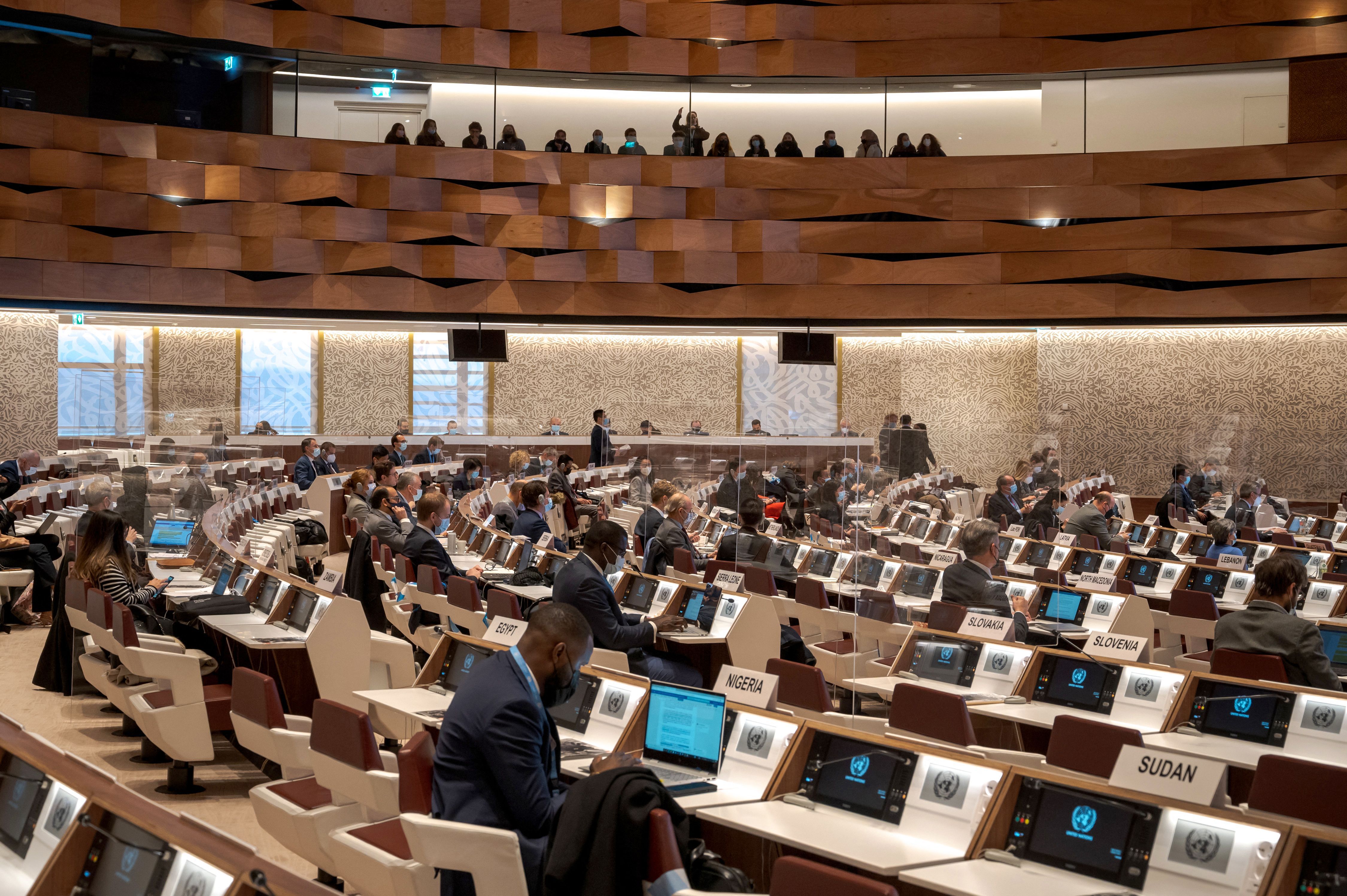
This article explores the global debate on lethal autonomous weapons systems (LAWS), highlighting the convergences, complexities, and differences within and beyond the UN Group of Governmental Experts (GGE) on LAWS. It further examines India’s key position at the GGE and the probable reasons behind them.


Charukeshi Bhatt, Tejas Bharadwaj

This essay is the first of a three-part series that will seek to understand the considerations for building compute capacity and the different pathways to accessing compute in India. This essay delves into the meaning of compute and unpacks the various layers of the compute stack.

Aadya Gupta, Adarsh Ranjan
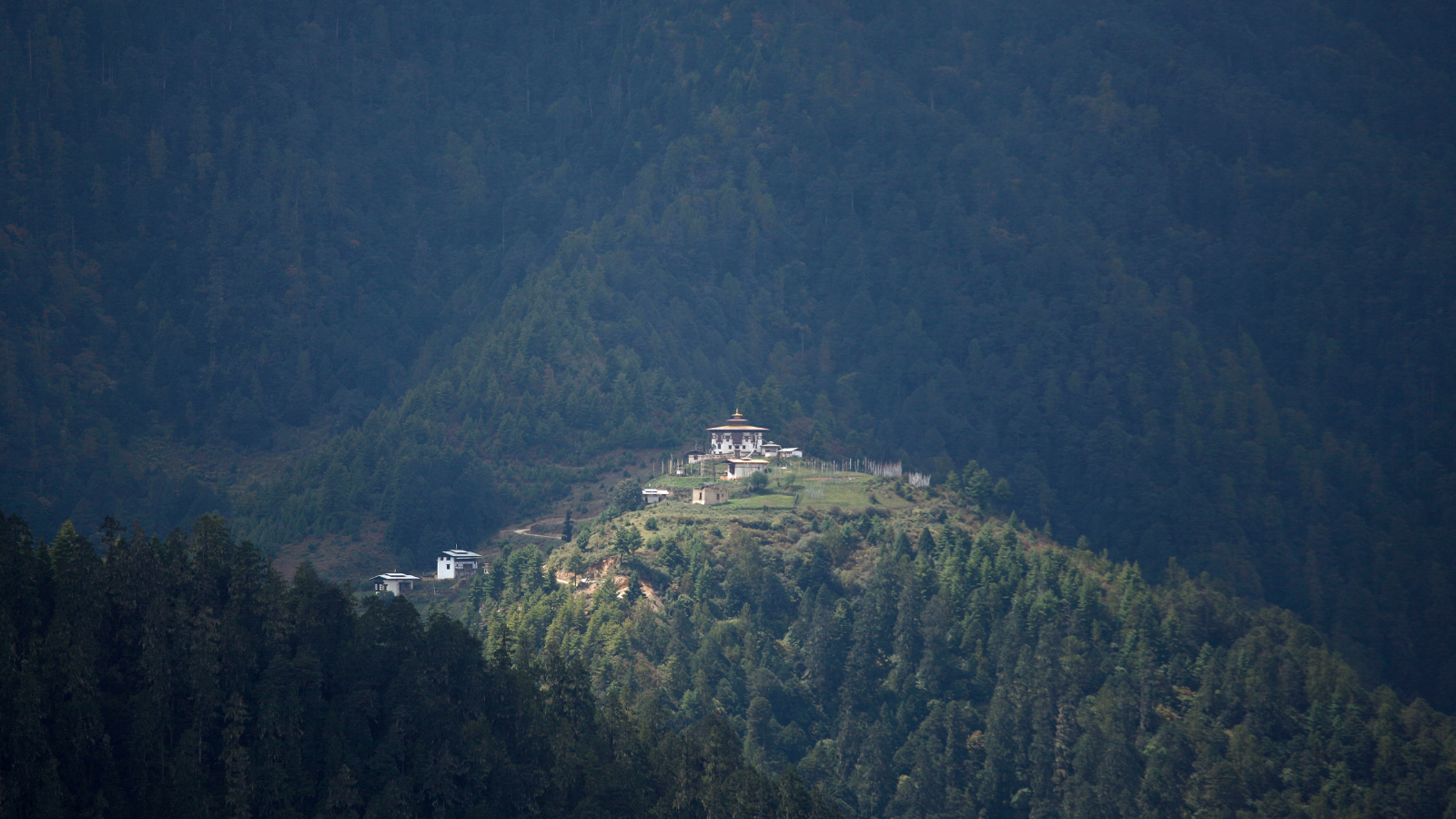
This piece examines the strategic implications of Bhutan’s diplomatic efforts amid its border dispute with China, highlighting the thin ice it walks on to achieve a resolution without compromising its vital relationships.

Shibani Mehta

This article is part of a series that will discuss some of the themes and proposals that are being considered for an ex-ante framework in India under the Committee on Digital Competition Law (CDCL).

Konark Bhandari

This article examines India’s treatment of data and its relationship with sovereignty.

Rudra Chaudhuri, Arjun Kang Joseph