

Paper
Ashley J. Tellis
{
  "authors": [
    "Ashley J. Tellis"
  ],
  "type": "other",
  "centerAffiliationAll": "dc",
  "centers": [
    "Carnegie Endowment for International Peace"
  ],
  "collections": [],
  "englishNewsletterAll": "ctw",
  "nonEnglishNewsletterAll": "",
  "primaryCenter": "Carnegie Endowment for International Peace",
  "programAffiliation": "SAP",
  "programs": [
    "South Asia"
  ],
  "projects": [],
  "regions": [
    "North America",
    "United States",
    "South Asia",
    "Pakistan"
  ],
  "topics": [
    "Foreign Policy"
  ]
}
Source: Getty
The next U.S. president must pursue a balanced strategy toward Pakistan that simultaneously strengthens the civilian government—the best hope for Pakistan’s long-term stability—without alienating the Pakistani army.
The next U.S. president must pursue a balanced strategy toward Pakistan that simultaneously strengthens the civilian government—the best hope for Pakistan’s long-term stability—without alienating the Pakistani army, warns a new policy brief by South Asia expert Ashley J. Tellis.
While strong U.S. support for Pakistan’s civilian government risks undermining military cooperation in U.S. counterterrorism efforts, recognizing the military as the preeminent center of power reinforces a status quo that allowed the Afghan–Pakistan border region to become a sanctuary for terrorist organizations. Managing this dilemma will be difficult but necessary for the success of U.S. engagement with Pakistan.
Recommendations for the next U.S. president:
On Governance:
On Military Cooperation:
On Regional Relations:
Tellis concludes:
“Even if Islamabad were to overcome the immediate problems related to terrorism, the permanent transformation of Pakistan would be decades away. Consequently, the United States should be patient and satisfied in the interim merely if the trend lines in Pakistan pertaining to good governance, stable macroeconomic management, focused investments in human capital, responsible foreign and strategic policy, and temperate ideological orientations are all at least relatively positive.”
About the Author
Ashley J. Tellis is Senior Associate at the Carnegie Endowment for International Peace, specializing in international security, defense, and Asian strategic issues. He was recently on assignment to the U.S. Department of State as Senior Adviser to the Undersecretary of State for Political Affairs, during which time he was intimately involved in negotiating the civil nuclear agreement with India. Previously he was commissioned into the Foreign Service and served as Senior Adviser to the Ambassador at the U.S. Embassy in New Delhi.
Former Senior Fellow
Ashley J. Tellis was a senior fellow at the Carnegie Endowment for International Peace.
Recent Work
Ashley J. Tellis
Ashley J. Tellis
Carnegie India does not take institutional positions on public policy issues; the views represented herein are those of the author(s) and do not necessarily reflect the views of Carnegie, its staff, or its trustees.
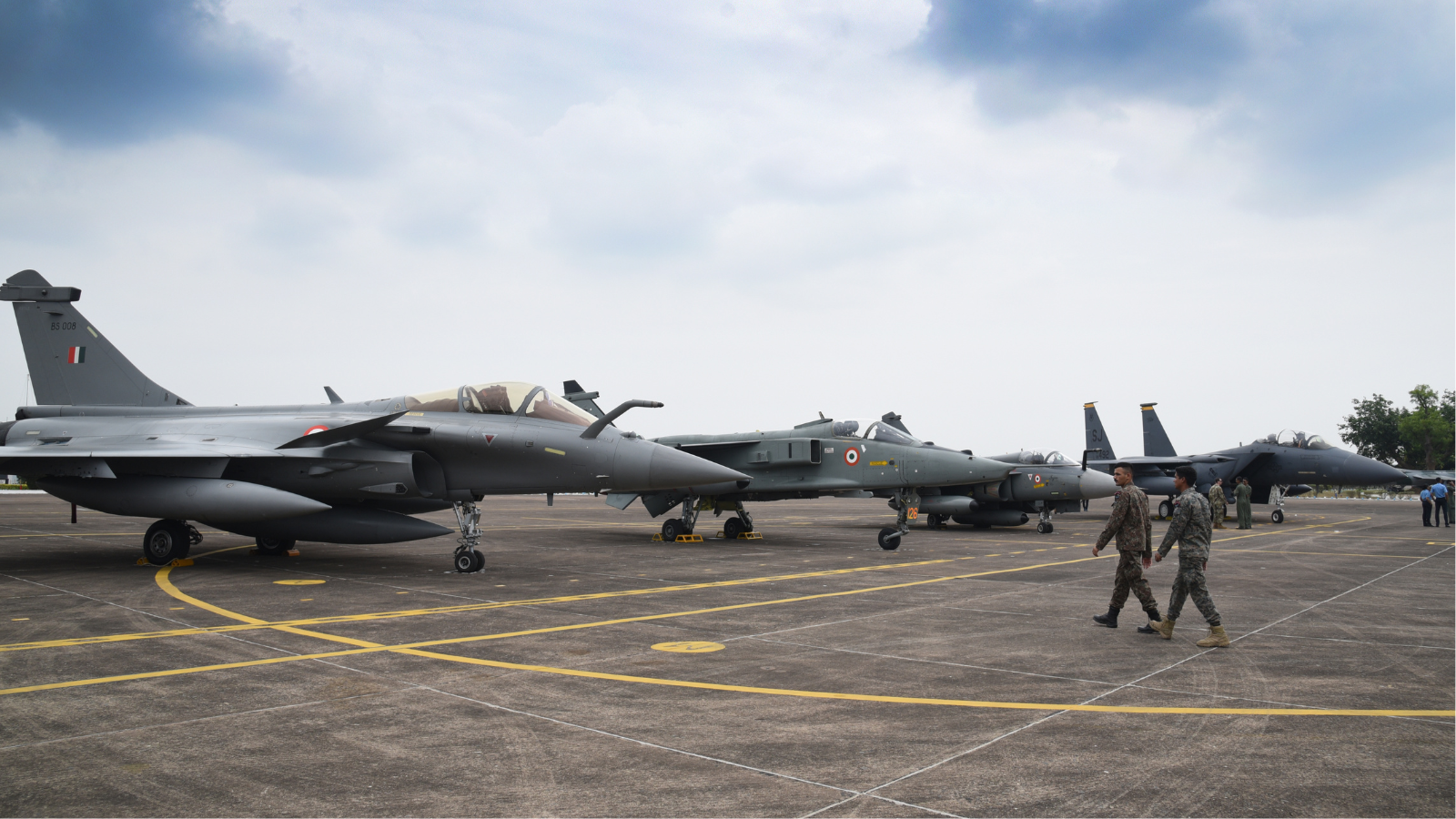
India and the United States are close to concluding a Reciprocal Defense Procurement Agreement (RDPA) that will allow firms from the two countries to sell to each other’s defense establishments more easily. While this may not remedy the specific grievances both sides may have regarding larger bilateral issues, an RDPA could restore some momentum, following the trade deal announcement.

Konark Bhandari
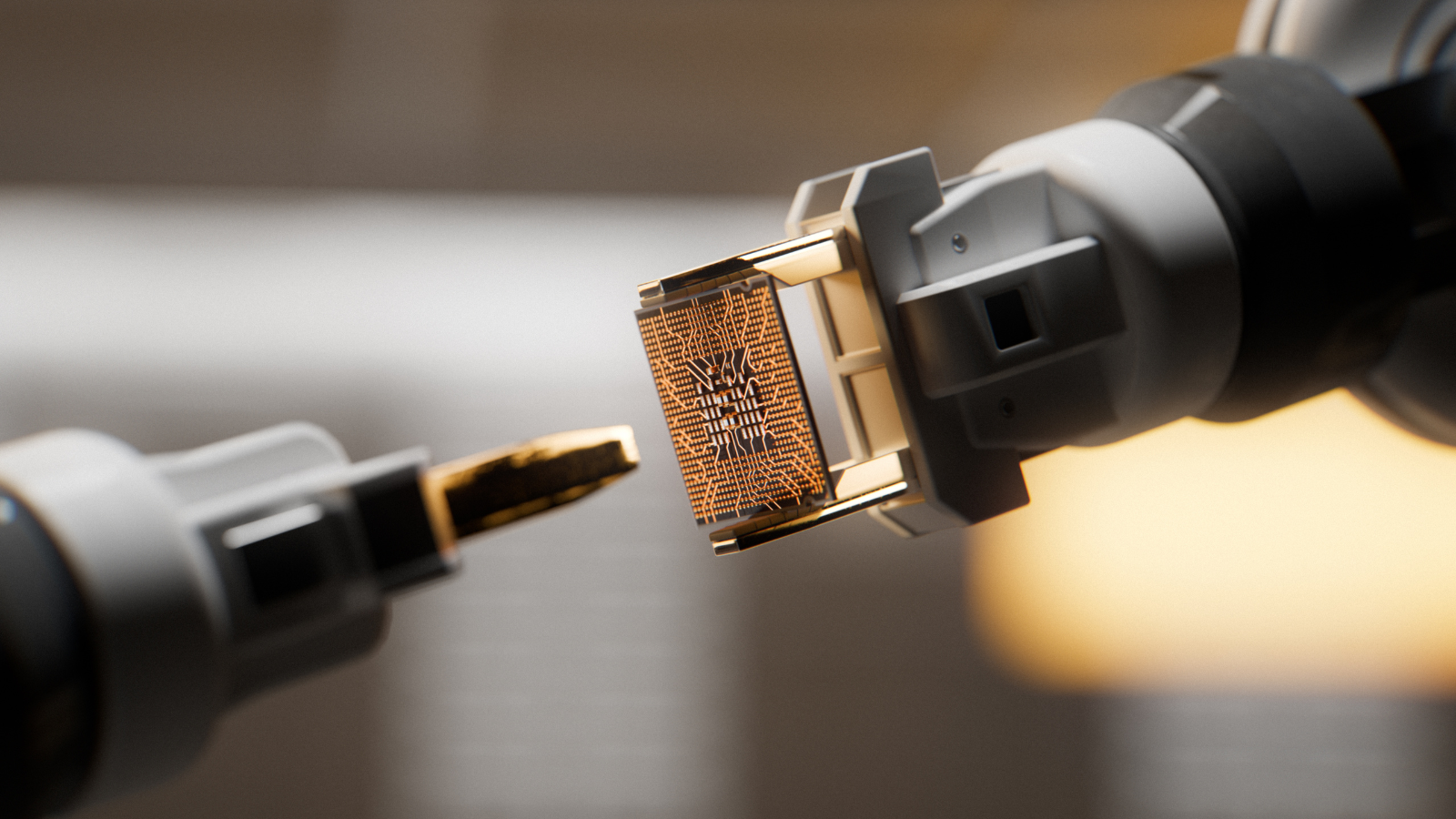
On the last day of the India AI Impact Summit, India signed Pax Silica, a U.S.-led declaration seemingly focused on semiconductors. While India’s accession to the same was not entirely unforeseen, becoming a signatory nation this quickly was not on the cards either.
Konark Bhandari

This piece examines India’s response to U.S. sanctions and tariffs, specifically assessing the immediate market consequences, such as alterations in import costs, and the broader strategic implications for India’s energy security and foreign policy orientation.

Vrinda Sahai
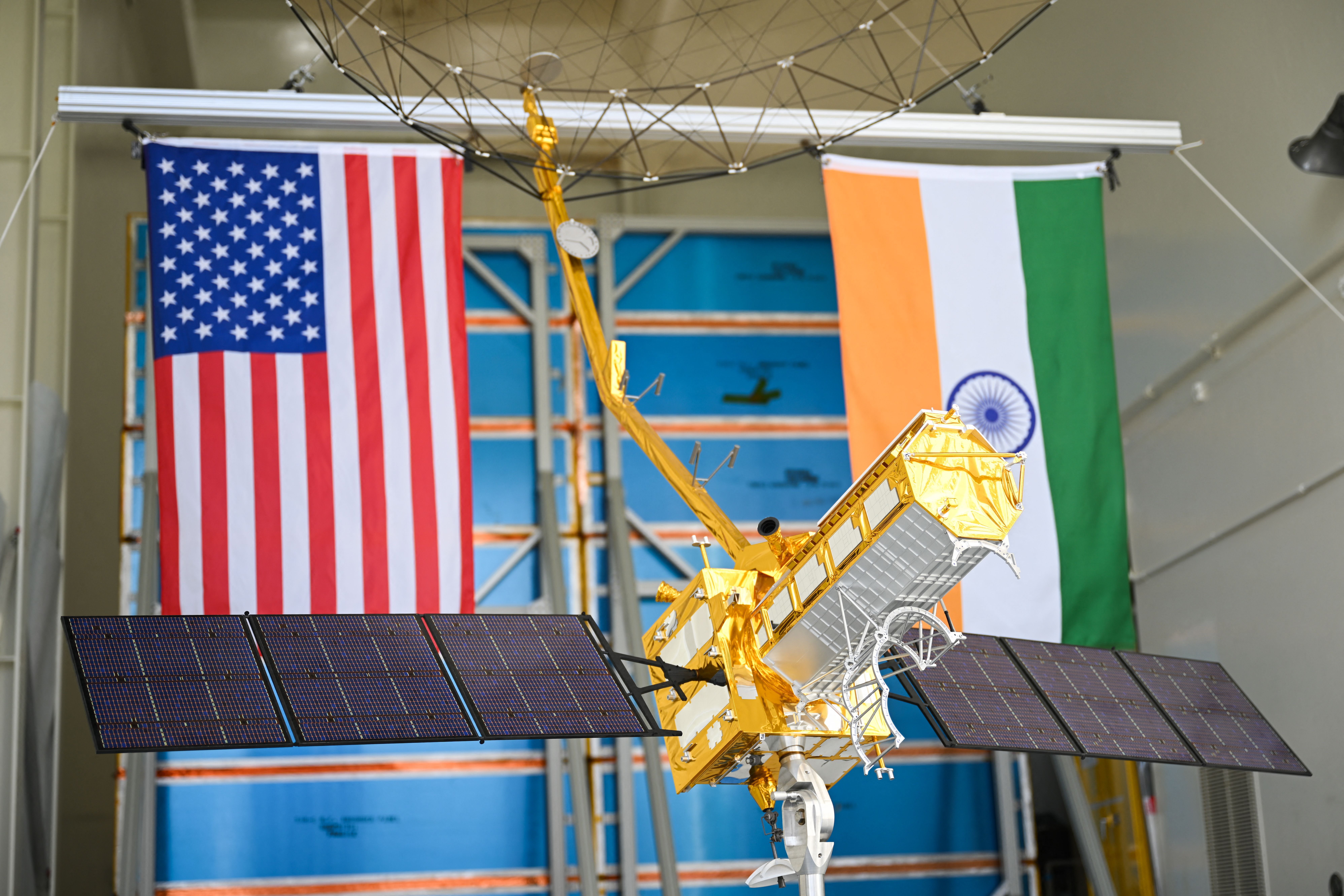
On July 30, 2025, the United States announced 25 percent tariffs on Indian goods. While diplomatic tensions simmered on the trade front, a cosmic calm prevailed at the Sriharikota launch range. Officials from NASA and ISRO were preparing to launch an engineering marvel into space—the NASA-ISRO Synthetic Aperture Radar (NISAR), marking a significant milestone in the India-U.S. bilateral partnership.

Tejas Bharadwaj
The India-U.S. relationship currently appears buffeted between three “Ts”—TRUST, Tariffs, and Trump.
Arun K. Singh