

Commentary
Nikolay Petrov
{
  "authors": [
    "Nikolay Petrov"
  ],
  "type": "legacyinthemedia",
  "centerAffiliationAll": "",
  "centers": [
    "Carnegie Endowment for International Peace",
    "Carnegie Russia Eurasia Center"
  ],
  "collections": [],
  "englishNewsletterAll": "",
  "nonEnglishNewsletterAll": "",
  "primaryCenter": "Carnegie Russia Eurasia Center",
  "programAffiliation": "",
  "programs": [],
  "projects": [],
  "regions": [
    "Caucasus",
    "Russia"
  ],
  "topics": [
    "Political Reform",
    "Economy"
  ]
}
Source: Getty
In his first—and possibly last—state-of-the-nation speech, President Medvedev seemed to focus on returning Putin to the Kremlin instead of adequately addressing Russia’s troubled economy. It is clear from the address that the president intends to increase United Russia's dominance by increasing its control over both the regional elite and the government.
Source: The Moscow Times

The address to the nation included a mix of vague appeals to "further perfect" the political system and democratic institutions. But when the president offered specific proposals, they were either meaningless or openly anti-democratic. For example, Medvedev said that political parties that collected 5 percent to 7 percent of the vote for State Duma seats be given limited -- I would say "decorative" -- representation in the chamber. It is interesting to note, however, that not a single party would have met this criterion in the Duma elections in December.
Russia's governmental system is essentially a lifeless body, and Medvedev's democratic "innovations" are nothing more than a cosmetic veneer on a political corpse. To make a bad situation even worse, the president made two very concrete suggestions: to extend the term for the president from four years to six and to increase the term for Duma deputies from four years to five. The reasons behind the increase in the presidential term are probably tied to a plan to return Prime Minister Vladimir Putin to the president's post before Medvedev's term expires in 2012, or else to pull off a presidential castling move that would place Putin back in the Kremlin. The reason behind the increase in Duma terms might stem from the deputies' desire to safeguard their posts against the deepening crisis with the help of early elections.
Medvedev also proposed changing the way the Federation Council is formed, which is probably intended to strengthen support from the regional elite.
Another proposed innovation is to give the party that received the most votes in regional elections -- read United Russia -- the exclusive right to recommend to the president its candidate for the presidential envoy in the seven federal districts. This suggestion is still a bit fuzzy, though -- in part, because it is unclear if it refers to just one party in each region, and how authorities would account for votes received in single-mandate districts. Until now, no strict procedure has been followed in selecting nominees for the presidential envoy post, and in some cases, the officials formally charged with putting forward the candidates first learned of some appointments from the president himself.
Despite this uncertainty, it is clear from this and other points in Medvedev's address that the president intends to increase United Russia's dominance by increasing its control over both the regional elite and the government. It is possible that if a plan for holding early elections and returning Putin to the presidency is in the works, it will be carried out not through the Kremlin, but through United Russia -- which Putin heads. That would explain a number of recent staffing changes within United Russia and rumors that Vladislav Surkov, Medvedev's first deputy chief of staff, is planning to join the party ranks. At least some of these questions will be cleared up when United Russia meets for its national convention in two weeks.
This comment first appeared in The Moscow Times
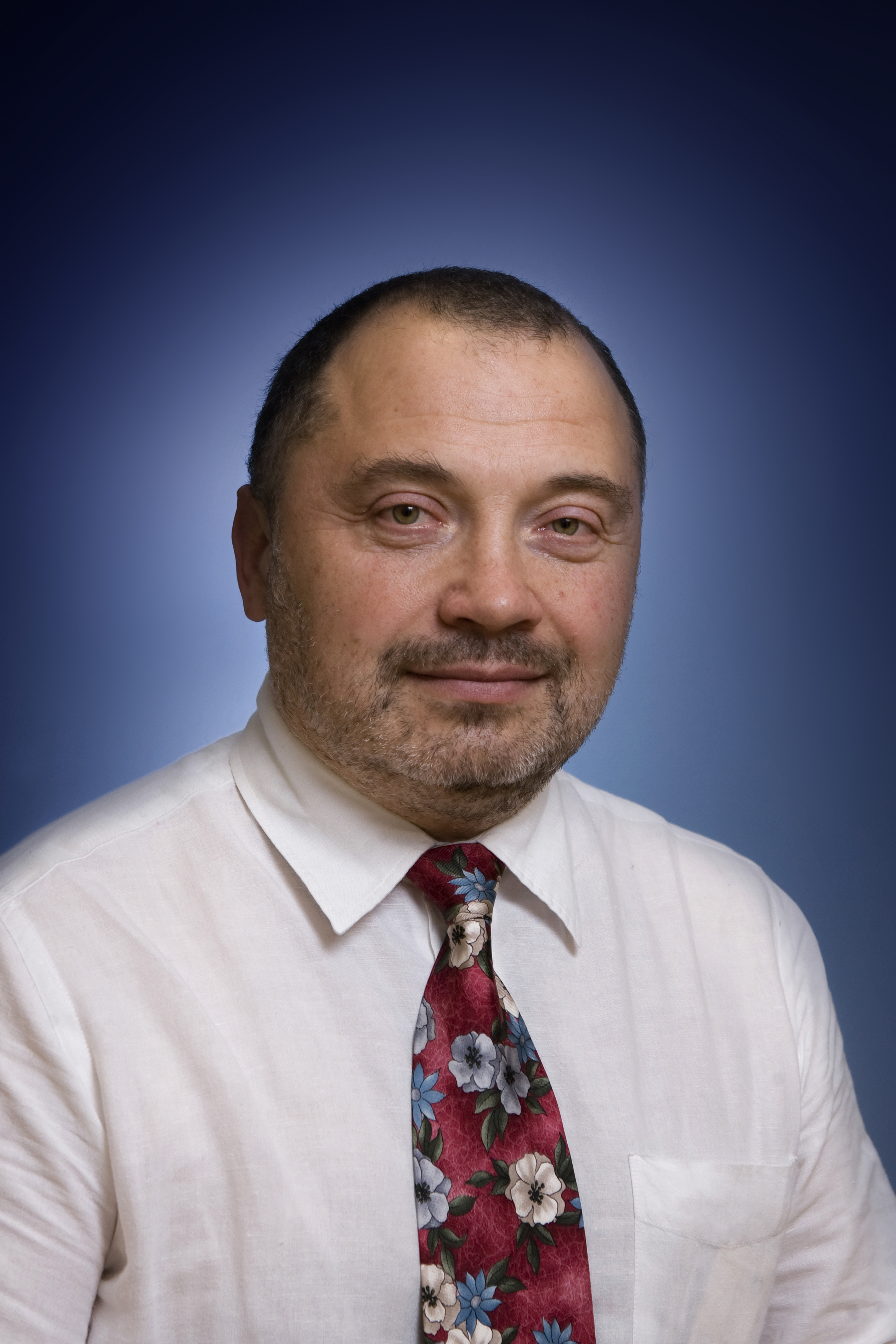
Former Scholar-in-Residence, Society and Regions Program, Moscow Center
Nikolay Petrov was the chair of the Carnegie Moscow Center’s Society and Regions Program. Until 2006, he also worked at the Institute of Geography at the Russian Academy of Sciences, where he started to work in 1982.
Recent Work
Nikolay Petrov
Nikolay Petrov
Carnegie India does not take institutional positions on public policy issues; the views represented herein are those of the author(s) and do not necessarily reflect the views of Carnegie, its staff, or its trustees.

This piece argues that India’s central challenge is not managing a single flashpoint but resolving the underlying tension between expansion and institutional coherency of the BRICS grouping.

Vrinda Sahai

On March 10, 2026, India’s Union Cabinet approved amendments to Press Note 3, a regulation that mandated government approval on all foreign direct investment (FDI) from countries sharing a land border with India. This amendment raises questions primarily about whether its stated benefits will materialize and if the risks have been adequately weighed. This piece will address the same.

Konark Bhandari

This piece examines India’s response to U.S. sanctions and tariffs, specifically assessing the immediate market consequences, such as alterations in import costs, and the broader strategic implications for India’s energy security and foreign policy orientation.
Vrinda Sahai

This paper examines the evolution of India-China economic ties from 2005 to 2025. It explores the impact of global events, bilateral political ties, and domestic policies on distinct spheres of the economic relationship.

Santosh Pai
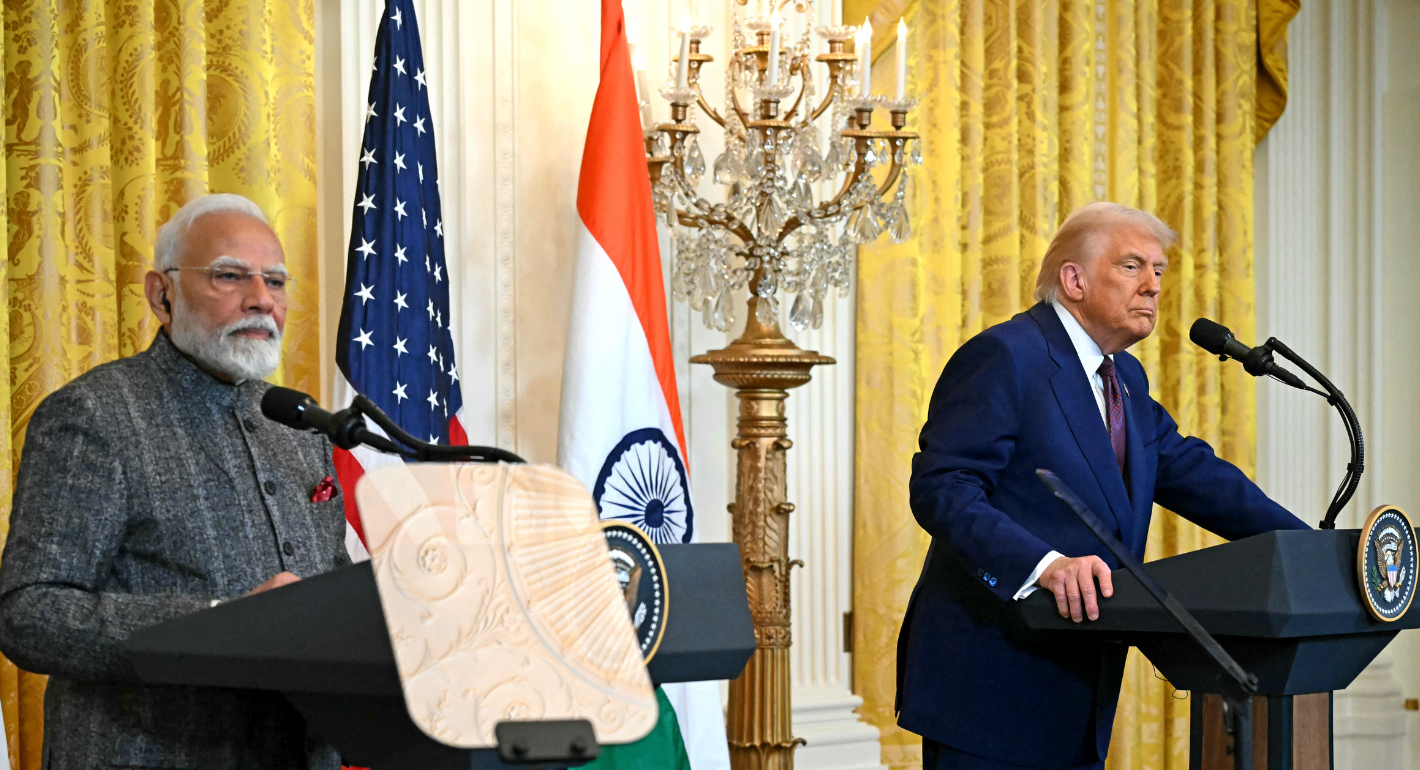
The India-U.S. relationship currently appears buffeted between three “Ts”—TRUST, Tariffs, and Trump.
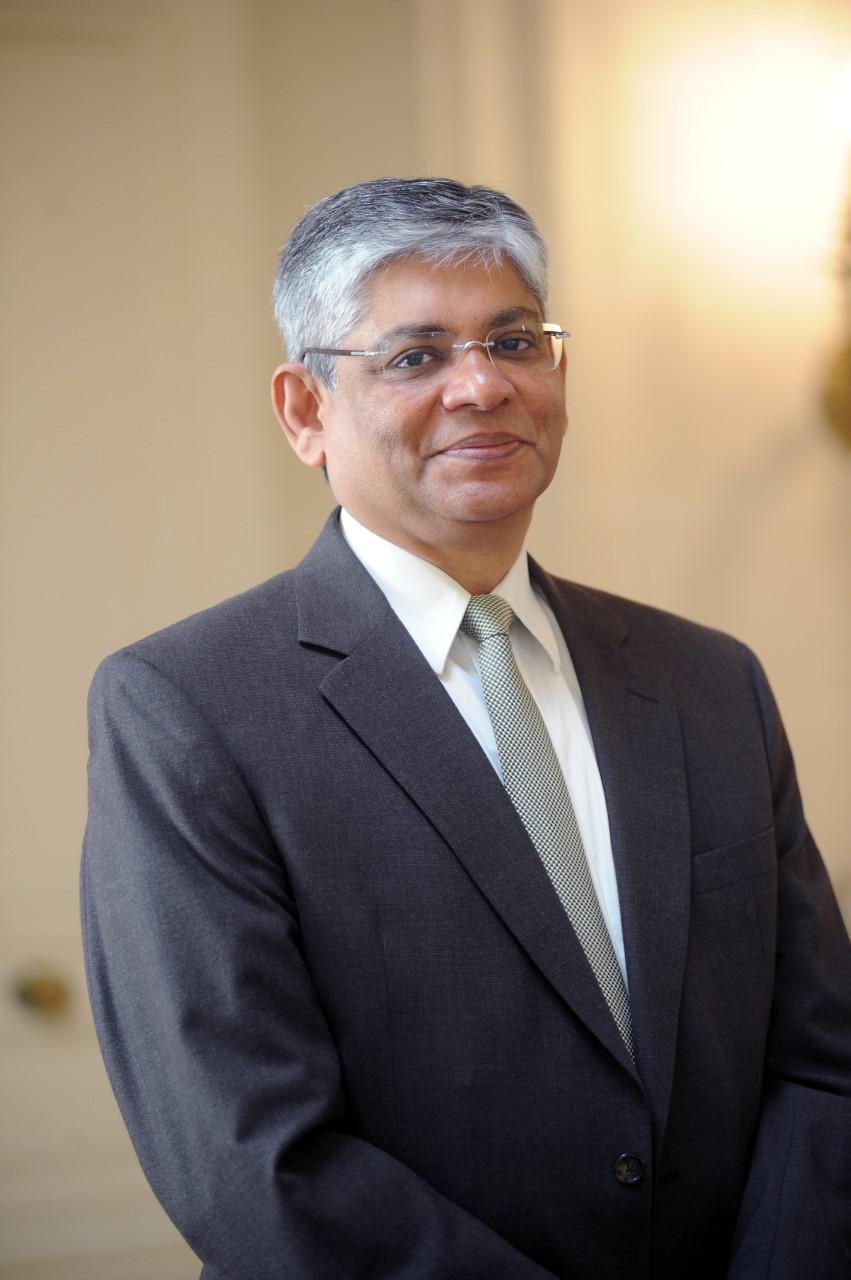
Arun K. Singh